End of cash and ATMs as you know them in South Africa


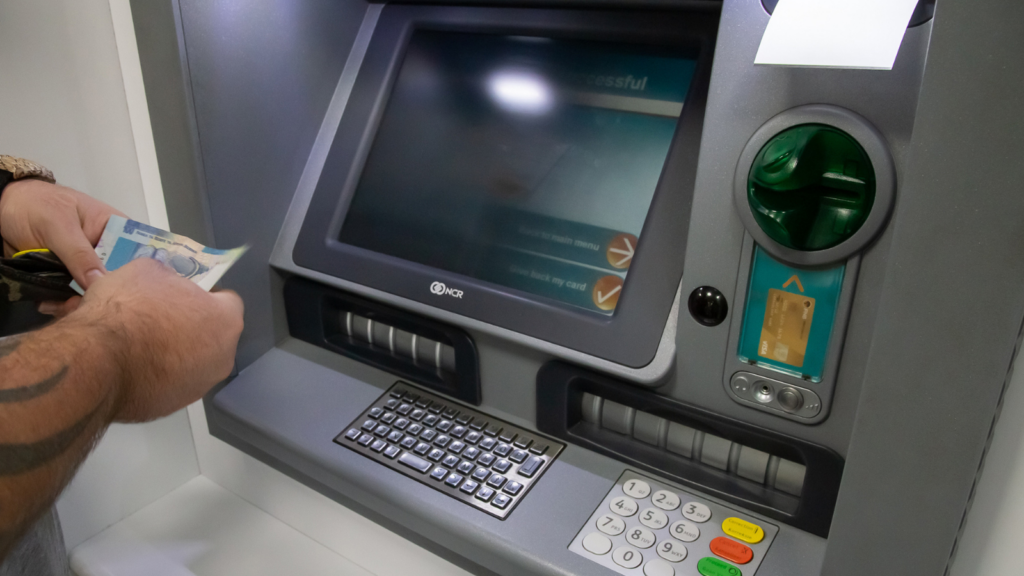
South Africa’s central bank plans to create a cash-management company by next year that will roll out white-label ATMs and tighten oversight of how money circulates in the economy to make it cheaper and easier to access.
“By March next year, we want to drive the establishment of the cash utility,” which will include the governance structure and the appointment of directors, Pradeep Maharaj, executive director of the South African Reserve Bank’s Payments Ecosystem Modernisation Programme, said in an interview on Friday.
The bank also wants to move “the SARB cash centres into the utility and start the process to bring in cash centres from industry into the utility” by next year, he said.
South Africa has about 109 cash centres, but Maharaj said that’s too many and the number would be rationalised to 50 at most.
He also said the bank “wants to finalise the white-label ATM deployment next year for rollout starting in 2028.”
The central bank is in talks with lenders about converting some of their ATMs into shared, neutral-branded machines that customers of different banks can use, Maharaj said.
The parties plan to meet next month to finalise the proposals.
The ATMs will be required to offer bank-inquiry capabilities, withdrawal and deposits, with some withdrawals available free of charge, he said.
Africa’s largest economy has about 30,000 ATMs, with many out of reach for low-income and rural communities that have limited digital payment options and often face costs as much as five times higher than those of wealthier urban users.
Cash also remains a significant component of South Africa’s payment ecosystem, accounting for about 56% of all consumer transactions by volume, even as digital payments grow.
Managing, transporting and securing physical money costs almost R90 billion a year, a burden shouldered by consumers.
The central bank plans to change that with these reforms, which will likely be the largest revamp in how cash is circulated since ATMs were introduced more than 40 years ago.
It also plans to work on the optimal placement of ATMs and which models should be adopted, Maharaj said.






Comments