South Africa’s middle class is paying a double tax


South Africa’s middle class is paying taxes to fund public services while also spending more of its income on private alternatives for education, healthcare, transport, and security.
Economist and strategist Xhanti Payi described working households as “shock absorbers” because they are carrying costs that should be covered by public services.
Speaking on the CheckPoint podcast, Payi said these expenses leave households with less money to spend, save or invest.
The pressure is particularly significant in a country where inequality remains high, and many households classified as middle class lack the disposable income typically associated with that group.
He explained that middle-class households are increasingly forced to pay privately for services that their taxes are intended to support. This includes education, healthcare, transport, and security.
When public services are unreliable, working households often have little choice but to pay for alternatives to protect their families or maintain their standard of living.
Private education is one example. South African parents clearly prefer to send their children to private schools, but this is often unaffordable.
As a result, Payi said some parents are withdrawing their children from private primary schools, but planning to enrol them in private high schools later to increase their chances of getting into university.
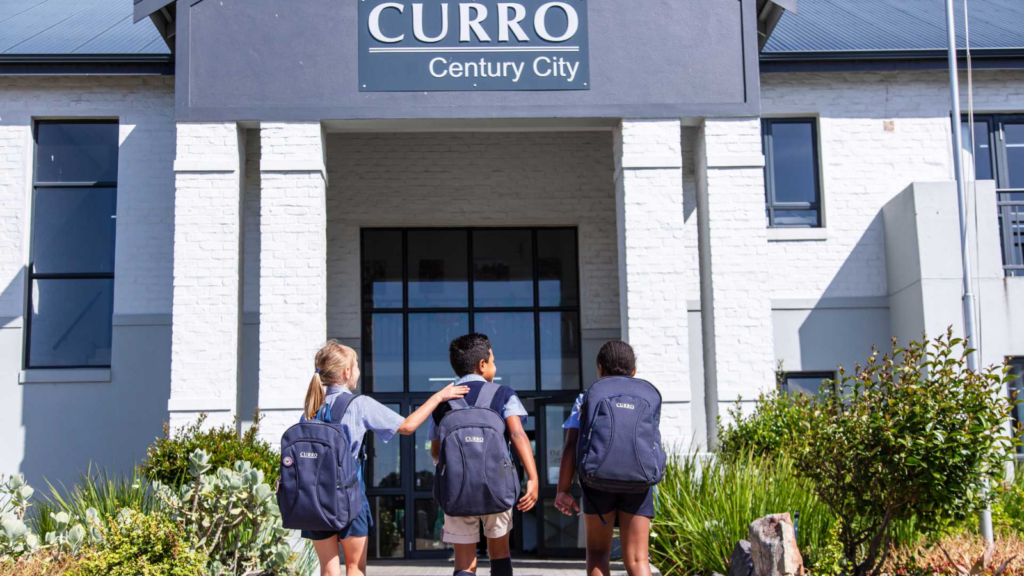
Companies such as Curro have also started tapping into this demand, offering private education at more affordable prices.
However, the middle-class strain is now impacting these businesses as well. Payi said Curro’s primary school operations are under pressure as families struggle to keep up with fees.
Growing unpaid school accounts also suggest that parents are finding these costs harder to manage. “They’re sacrificing as much as they can so that their kids have some access to the future,” Payi noted.
Healthcare and security add to the burden. Households that can afford to do so pay for private medical care because they cannot rely on public facilities.
While private security has long been a common household expense, he said South Africans are now increasingly paying for private firefighting services to protect their properties and possessions.
Transport is another major expense, particularly for people who need a car because public transport is not a reliable option.
Payi said some people spend as much as 40% of their income on transport. This leaves less available for other expenses and limits the amount households can save or spend elsewhere.
The result is a form of double taxation. South Africans contribute towards public services through taxes, but must also fund private alternatives when those services are subpar.
The entire country is feeling the pain

The country’s current economic environment is forcing many South Africans to make sacrifices and cut back on spending. This financial pressure on the middle class is also affecting the broader economy.
Payi said the middle class is usually expected to help drive economic growth because households with surplus income can buy cars, build homes, purchase durable goods and invest in businesses.
That spending supports companies, creates demand and can help generate employment. A larger middle class with disposable income can also contribute more tax revenue to fund public infrastructure and social support.
However, when much of a household’s income is consumed by transport, school fees, healthcare and security, little remains for discretionary spending or investment.
The pressure is compounded by family responsibilities. South Africa’s social support system is meant to help people who cannot work, including children, older people and those with illnesses or disabilities.
However, these systems do not provide adequate support. As a result, working households also need to pay for relatives who either cannot work or cannot find employment.
Payi explained that this creates a difficult situation for people who are already struggling to cover their own expenses.
This environment also makes it difficult for even the most industrious South Africans to start their own businesses.
New businesses need customers who can afford their products or services, but that becomes harder when households have little money left after essential costs.
“If you’re saying South Africa is struggling with consumption in terms of what this middle class can do, where do you think those new entrepreneurs are going to find clients?”
Payi added that reliable, affordable public transport could help ease some of the pressure the middle class is feeling.
A functioning rail system, for example, would give commuters a cheaper alternative to driving and allow them to budget their travel expenses more predictably.
Lower transport costs could leave households with more disposable income and improve productivity by helping workers get to their jobs safely and on time.



Conversation
2 commentsSo what is new ??? It has been the same fo the last 15 years already !!!!!!!!!!!!!!!!!!!!!!!!!!!!!!!!!!!!!!