The scheme that used Johann Rupert and Elon Musk to steal R1 billion from South African investors


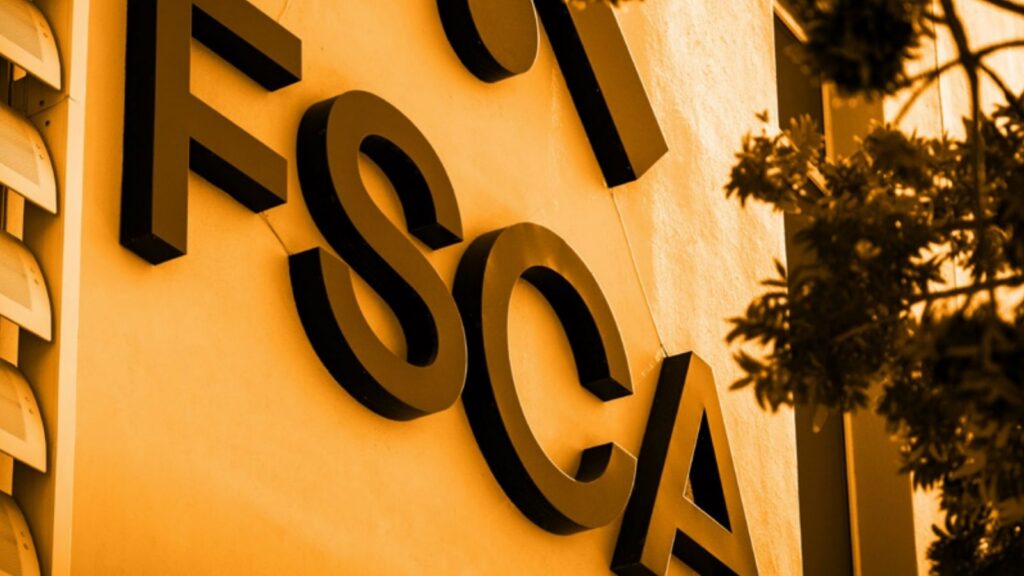
The Financial Sector Conduct Authority (FSCA) has explained how it came to fine Banxso R2 billion and debar some of the company’s executives for 30 years.
These punishments resulted from a year-long investigation into Banxso’s alleged use of deepfake advertisements.
In its 2026 Regulatory Actions report, the FSCA included a case study on Banxo, a South African online trading platform.
Banxso had come under fire for allegedly publishing deepfake advertisements featuring prominent businesspeople, including Johann Rupert and Elon Musk.
The advertisements featured these billionaires promising profits of up to R300,000 a month from an investment of R4,700. The investment offering was branded as ‘Immediate Matrix’.
Banxso and its representatives have consistently denied being behind these advertisements, claiming the firm was a victim of hacking.
Regardless, the FSCA launched an investigation into Banxso in March 2024 after receiving information about the use of deepfake advertisements.
This investigation found that Banxso was directly or indirectly involved in, or at the very least materially benefited from, the dissemination of deceptive deepfake advertising.
“Individuals responding to the advertisements were systematically redirected to Banxso representatives and encouraged to trade primarily in contracts for difference (CFDs),” the FSCA explained.
CFDs are complex, high-risk derivative instruments regarded as unsuitable for most retail investors.
The FSCA found that misleading information, including the promise of unrealistic returns, was provided to prospective clients.
This, the financial sector watchdog said, undermined clients’ ability to make an informed decision.
“Client funds were not placed with legitimate liquidity providers or authorised ODPs, but were instead controlled internally by Banxso,” it said.
“Client funds were commingled, transferred between non-designated accounts, and rendered difficult to trace.”
Critically, the FSCA also found that client funds were misappropriated and used for personal and business expenses.
Ultimately, the FSCA concluded that Banxso had leveraged emerging digital technologies to manipulate images, create false credibility, and induce public participation.
Through the deepfake scheme, Banxso allegedly syphoned R1 billion from South African investors.
Punishments for Banxso and legal pushback

Following its investigation, the FSCA implemented enforcement actions that it said reflected the scale, seriousness, and systemic nature of the misconduct.
This included 30-year debarments for four Banxso directors: Banxso owner Harel Adam Sekler, Warwick David Sneider, Manuel de Andrade, and Mohammed Bux.
Another 10-year debarment was imposed on Banxso’s Henry James Simpson.
On top of this, the FSCA imposed a R2 billion fine on Banxso, Sekler, and Sneider, along with:
- An additional R16 million fine for Banxso
- A R20 million fine for De Andrade
- A R10 million fine for Bux
- A R5 million fine for Simpson
The regulator has referred its investigation findings and supporting evidence to the Directorate for Priority Crime Investigation (the Hawks) to support potential criminal proceedings.
The FSCA also withdrew Banxso’s financial services provider license. However, the matter did not end there, as the firm decided to challenge the regulator’s decision.
In September 2025, Banxso and its key individuals applied to the Financial Services Tribunal for reconsideration of the license withdrawal. The Tribunal dismissed the applications in December.
However, in February 2026, the five Banxso representatives lodged applications for reconsideration regarding the debarments and administrative penalties.
This matter remains pending, but in the meantime, Banxso has entered liquidation proceedings after the Western Cape High Court rules that its business model was illegal.
The proceedings are currently stalled following a legal challenge by Flamingo Clearing House, a company implicated as a key player in the scheme.
Flamingo is also owned by Sekler and was Banxso’s CFD liquidity provider.
While this matter remains unresolved, the FSCA said it is one of the most significant enforcement actions in response to digitally enabled financial misconduct.




Comments