One province in South Africa has virtually no load reduction


Eskom revealed that the Western Cape has virtually no load reduction, which points to fewer illegal electricity connections and meter bypassing and less theft and vandalism.
Eskom introduced load reduction in 2020 as a localised power management technique to protect its electricity infrastructure in specific areas.
It differs from load-shedding, a system-wide measure used when there’s insufficient national capacity to meet overall demand.
Load reduction protects equipment and prevents more extensive outages by temporarily cutting off electricity to specific areas to prevent overloading the infrastructure.
Excessive electricity consumption is prevalent during winter when consumers use heaters, air conditioning and even ovens to keep warm.
Illegal electricity connections, meter bypassing, theft, and vandalism also contribute to overloading the electricity network.
Monde Bala, Eskom’s group executive for distribution, said load reduction is a short-term intervention to address electricity infrastructure overload.
The long-term strategy is to address the infrastructure and overloading issues, and Eskom is working with municipalities to address the issue.
The interventions include rolling out 7.2 million smart meters over the next three years to reduce losses and enable load limiting as opposed to load reduction.
Eskom is also accelerating distributed energy resources, including microgrids, to alleviate constraints on the network.
To address the short-term challenges, Eskom urged communities to help stop electricity theft, which encompasses a wide range of criminal activities.
It includes illegal connections, network equipment theft, vandalism, meter bypasses, tampering, unauthorised network operations, and illegal vendors.
Although theft and vandalism remain significant threats to the continuous supply of electricity and public safety, they have declined over the last year.
Eskom reported a decline in criminal activities targeting its electrical infrastructure, including mini-substations, high-voltage pylons, and transformers.
However, these incidents remain high and a serious concern, with widespread consequences for the electricity supply and public safety.
Between 1 April 2024 and 28 February 2025, infrastructure vandalism and theft have cost Eskom R221 million, down from R271 million in the same period of the previous year.
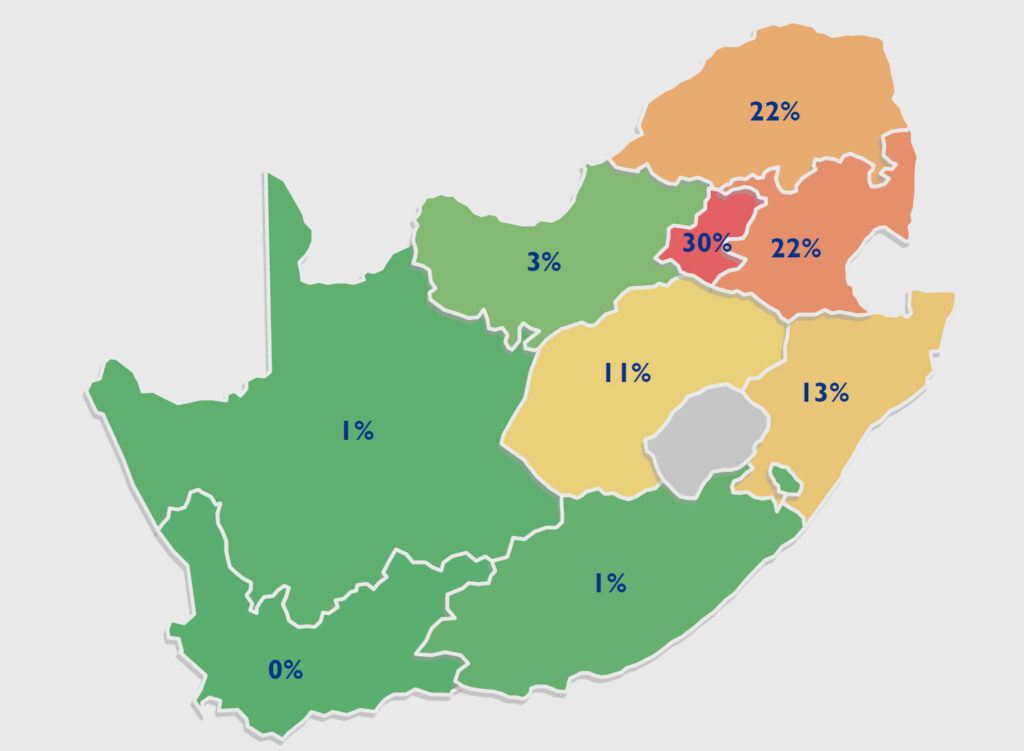
Load reduction percentages by province
Eskom revealed that Gauteng experiences the highest load reduction on average, with combined morning and evening peak averaging 179 MW.
Mpumalanga ranked second with an average load reduction of 132 MW, followed by Limpopo on 103 MW.
The lowest levels of load reduction take place in the Western Cape, Eastern Cape, and Northern Cape.
The map below provides an overview of load reduction across South Africa based on the average MW reduced over the last financial year.






Comments