One South African municipality with 98,387 residents owes Eskom R2.2 billion


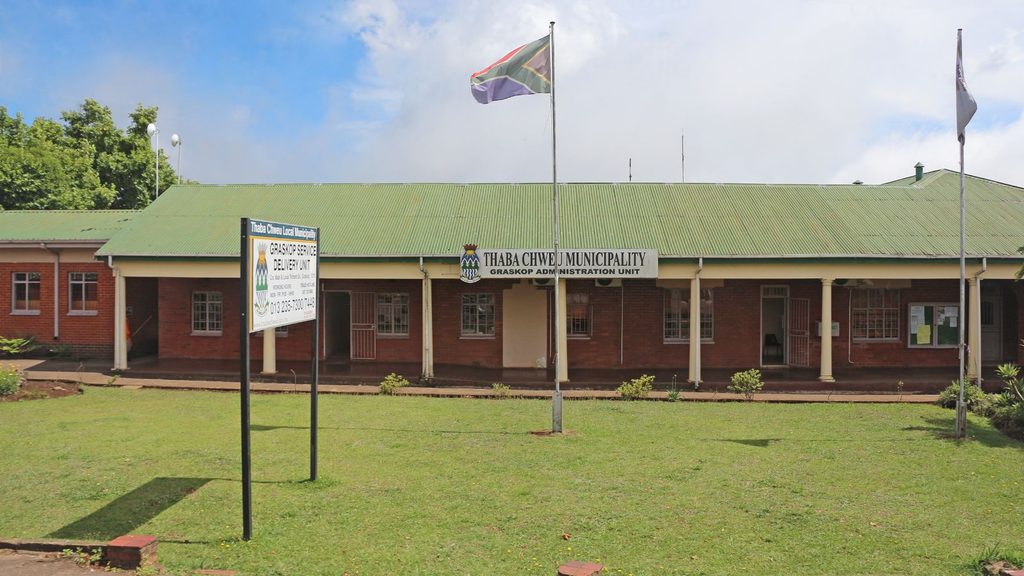
Thaba Chweu Local Municipality’s outstanding debt to Eskom amounts to R2.2 billion, as the municipality has failed to collect electricity payments from its residents for several years.
Despite concessions from Eskom and the National Treasury’s Municipal Debt Relief Programme, Thaba Chweu’s debt to the state-owned power utility has continued to grow.
This was revealed by Electricity and Energy Minister Kgosientsho Ramokgopa in response to a Parliamentary question.
Thaba Chweu Local Municipality is one of four municipalities that form the Ehlanzeni District Municipality in the north-western part of Mpumalanga.
It spans an area of 5,719 km², which covers four major towns: Mashishing (Lydenburg), Sabie, Graskop, and Pilgrim’s Rest.
According to the 2011 census, Thaba Chweu has a population of 98,387, making it the 115th-largest municipality in South Africa by population.
Thaba Chweu’s economy is heavily reliant on agriculture and tourism, with Sabie in particular being the forestry capital of South Africa.
Sabie is home to one of the world’s biggest man-made forests, spanning an area of 400,000 hectares.
This, along with its numerous waterfalls, makes the town a popular hotspot for tourists seeking scenic hiking trails
Similarly, Graskop is a mountain village and the gateway to South Africa’s world-famous Panorama Route.
From this route, travellers can see iconic attractions such as God’s Window, the Three Rondavels, and Blyde River Canyon.
Thaba Chweu is also home to the oldest town in Mpumalanga, Mashishing, formerly named Lydenburg. Mashishing serves as Thaba Chweu’s administrative seat.
Despite its rich historical, agricultural, and tourism contributions, Thaba Chweu has faced numerous service delivery challenges and is in deep debt to Eskom.
The 2011 census found that only 38.8% of Thaba Chweu’s households have access to piped water inside their dwellings and 41% have water in their yard.
Thaba Chweu recorded an unemployment rate of 20.5% in 2011, meaning only 35,972 of the municipality’s 98,387 residents were employed.
Debt to Eskom
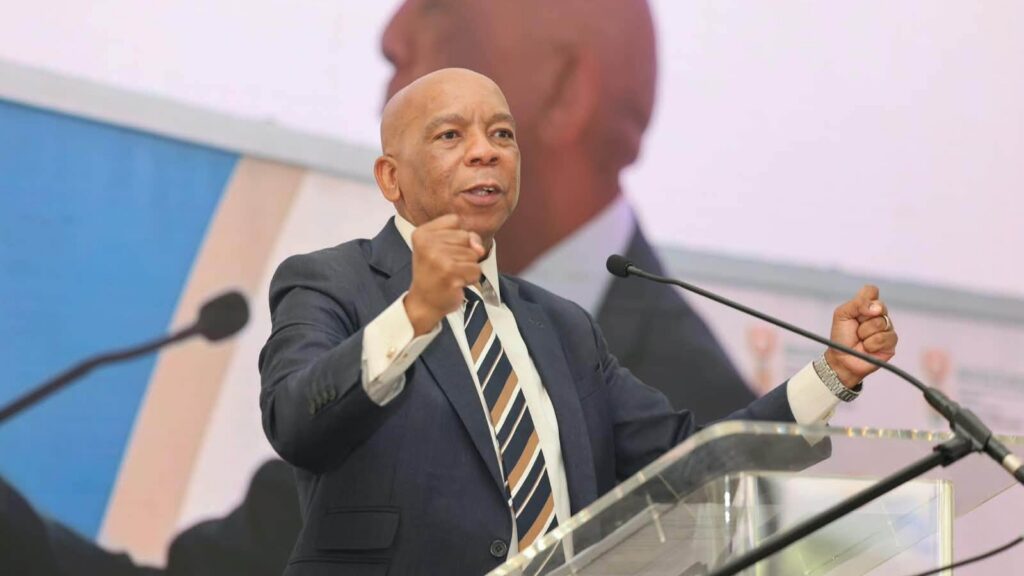
Thaba Chweu’s high debt burden to Eskom was revealed in the Electricity Minister’s response to a question asked by National Assembly member Muzi Khoza.
Khoza asked the minister how his department plans to resolve Thaba Chweu’s R2.2 billion Eskom liability, which has left the municipality’s budget unfunded.
He also asked what protection exists for residents of Sabie, Simile, Leroro, and Matibidi, who experience days without electricity while streetlights burn during the day.
In response, Ramokgopa said it is Thaba Chweu’s responsibility to address and resolve its outstanding debt to Eskom, which amounts to R2.2 billion.
“The debt arose from electricity supplied to customers over several years, for which the municipality was required to collect and remit payment to Eskom,” the minister said.
“However, the municipality has been unable to settle its current accounts with Eskom in full by the due dates, resulting in the continued accumulation of debt.”
The minister explained that Eskom has provided substantial concessions to Thaba Chweu, including interest suppression, payment arrangements, and support for the National Treasury’s Municipal Debt Relief Programme.
“Despite these and other interventions, the growth in the municipality’s debt continues to outpace the reductions achieved,” he said.
Ramokgopa also acknowledged the concerns regarding electricity supply interruptions experienced by residents of Sabie, Simile, Leroro, and Matibidi.
“It is, however, important to clarify the respective electricity supply responsibilities in these areas,” he said.
“Eskom supplies electricity directly to Leroro and Matibidi, while Sabie and Simile are supplied by the Thaba Chweu Local Municipality.”
He explained that, in March 2026, residents of Leroro and Matibidi experienced prolonged power outages.
This came after severe storms and strong winds caused extensive damage to electricity infrastructure serving these communities.
“Restoration efforts were particularly challenging because the affected power line traverses the Blyde River Canyon, limiting access to the damaged infrastructure and extending the repair period,” he said.
“Consequently, Eskom required approximately 10 days to fully restore supply.”
“To reduce the impact of similar incidents and improve supply resilience, Eskom has initiated contingency planning to establish an alternative supply arrangement.”
He added that residents of Sabie and Simile should direct electricity service delivery concerns to the Thaba Chweu Local Municipality.
Headline image source: Wikimedia Commons/Bernard Gagnon
Log in or register for free access to all articles.






Conversation
5 commentsIn SA, “working” for SOE, national or local government doesn’t realy mean WORKING! It means collecting a salary, stealing, and letting cadres “eat”.