The small South African town in the middle of nowhere that planted one of the biggest man-made forests in the world


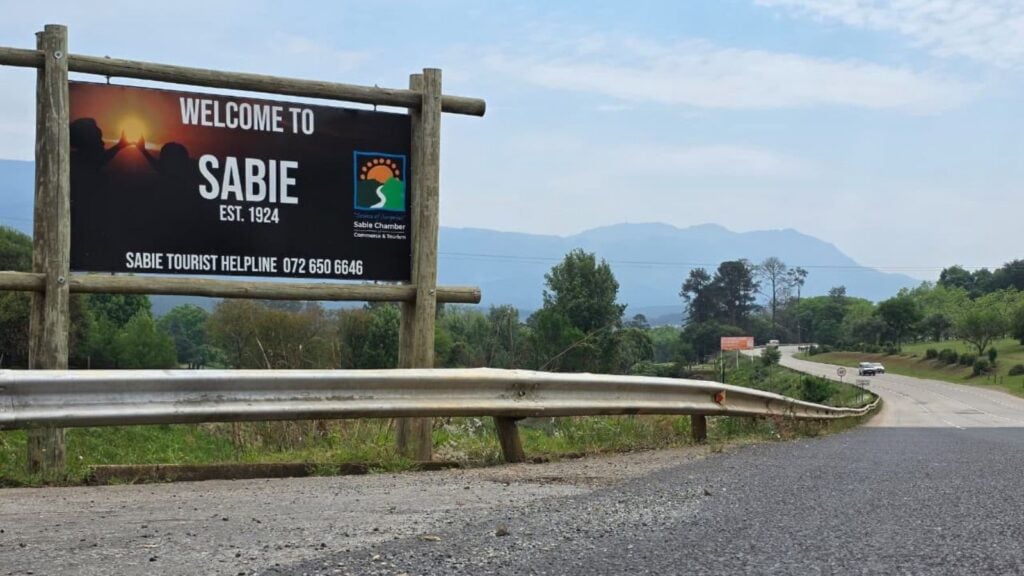
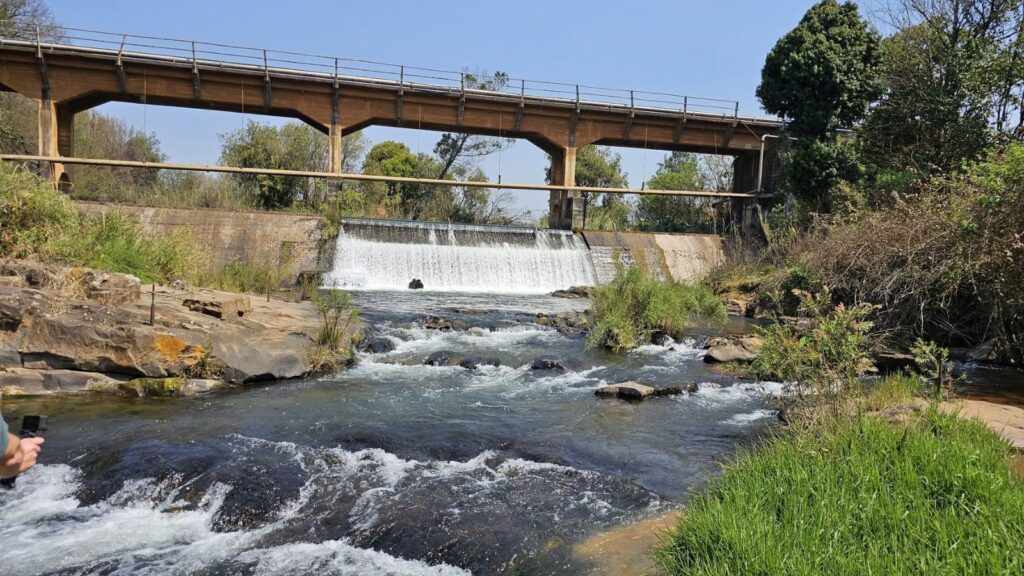
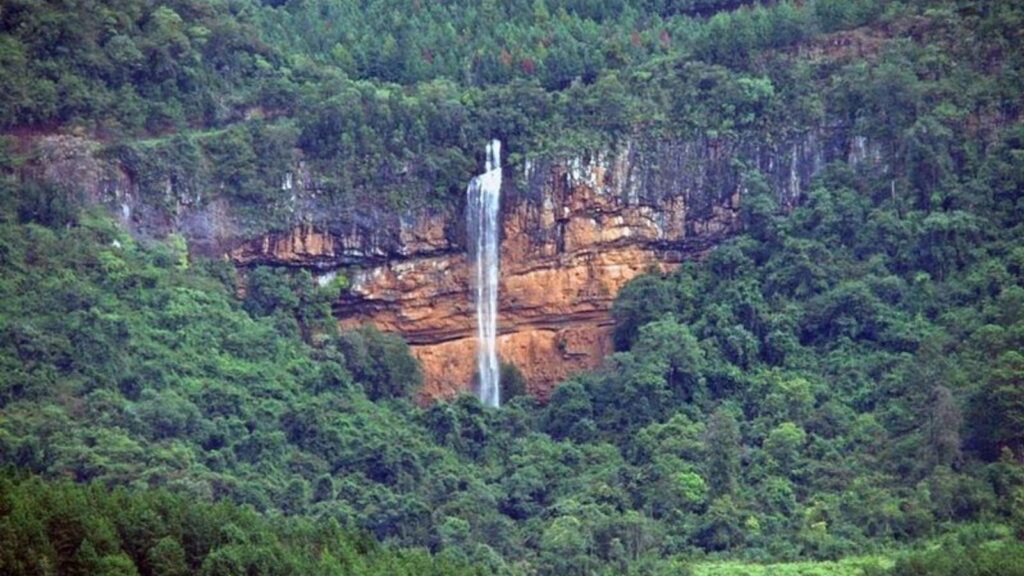
On the banks of the Sabie River in Mpumalanga lies a tiny forestry town where one of the world’s biggest man-made forests was built.
The town of Sabie played a central role in South Africa’s gold rush in the 1800s, but its main industry is now forestry.
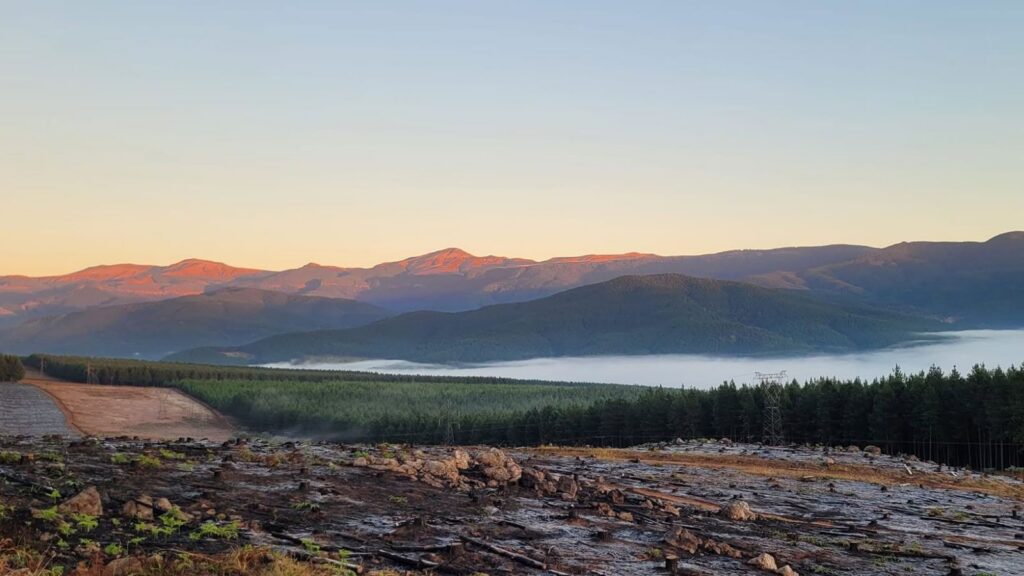
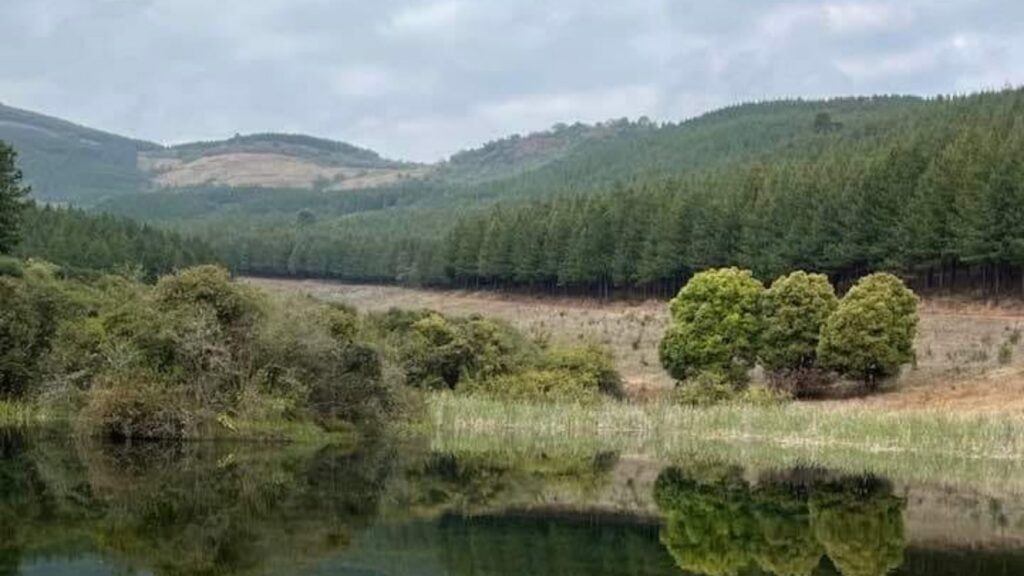
The plantations surrounding Sabie form one of the world’s largest man-made forests, spanning an area of 400,000 hectares.
Located 64 km from Kruger National Park, Sabie was founded after H.T. Glynn and J.C. Ingle discovered gold in the area.
Before their arrival, the region was inhabited by the San, who left rock art throughout the area’s valleys that can still be seen today.
In the late 1890s, Glynn and Ingle formed the Glynns-Lydenburg Gold Mining Company, which operated a mine in Sabie for 55 years.
Glynn’s was the largest historical gold mine in the region and produced 1.2 million ounces of gold until it was shut down in 1958.
Sabie’s mining boom saw the town rapidly become an economic powerhouse. However, supporting these operations required an astronomical amount of wood.
This saw miners clear vast swaths of Sabie’s indigenous forests, which they used as firewood and “pit props”. Pit props are structural timber beams that miners used to prevent underground mine shafts from collapsing.
While it supported mining operations at the time, this deforestation rapidly depleted Sabie’s local ecosystems, and miners soon realised that it was unsustainable.
Thus, in 1876, a pioneer named Joseph Brook Shires decided to plant the area’s first commercial eucalyptus and pine trees.
Starting on a small scale, these few trees would eventually become one of the largest man-made forests in the world.
Sabie’s forestry powerhouse
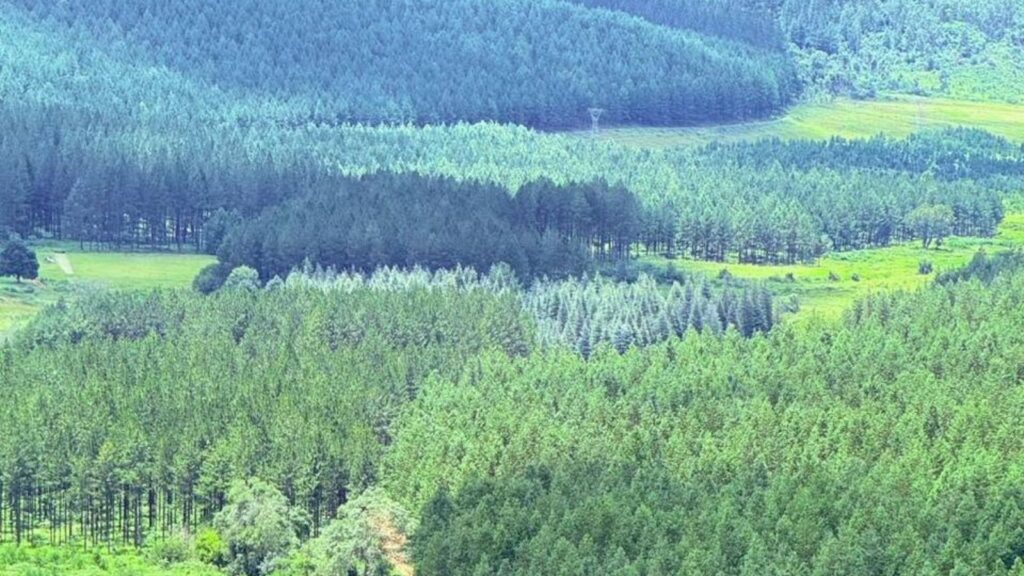
The eucalyptus and pine trees that Shires planted proved that fast-growing exotic trees could thrive in Sabie’s high rainfall climate.
This inspired mining companies in the area to step in and grow their own timber supply, planting thousands of trees in the years to follow.
One company, Transvaal Gold Mining Estates, launched the area’s first major corporate tree-planting scheme in nearby Elandsdrift.
While initially started to support the mining industry, the scheme quickly became a profitable venture in its own right.
Sabie’s forestry industry received a major boost during the Great Depression in the 1930s, when the government launched a huge public-works forestry programme.
This programme provided critical employment opportunities for displaced farmers in the area, and permanently cemented forestry as the region’s primary economic engine.
By the late 1940s, Sabie’s gold reefs were largely depleted, while others had become too expensive to mine. However, by that time, the local timber industry was booming.
The industry continued to grow in the years to follow, and eventually Sabie’s plantations became one of the largest man-made forests in the world and the largest in South Africa.
Today, these plantations still contain the tree species that started it all – eucalyptus and pine – along with other species introduced over the years.
According to Sabie’s website, the South African Forestry Industry plants 360,000 trees every working day, which equates to more than 90 million trees every year.
The pine trees in Sabie can grow as tall as 30 metres, while the eucalyptus trees can reach up to 50 metres. More than half of South Africa’s timber comes from the Sabie area.
The local forestry industry accounts for 9.8% of South Africa’s agricultural gross domestic product and 4.9% of the country’s manufacturing output.
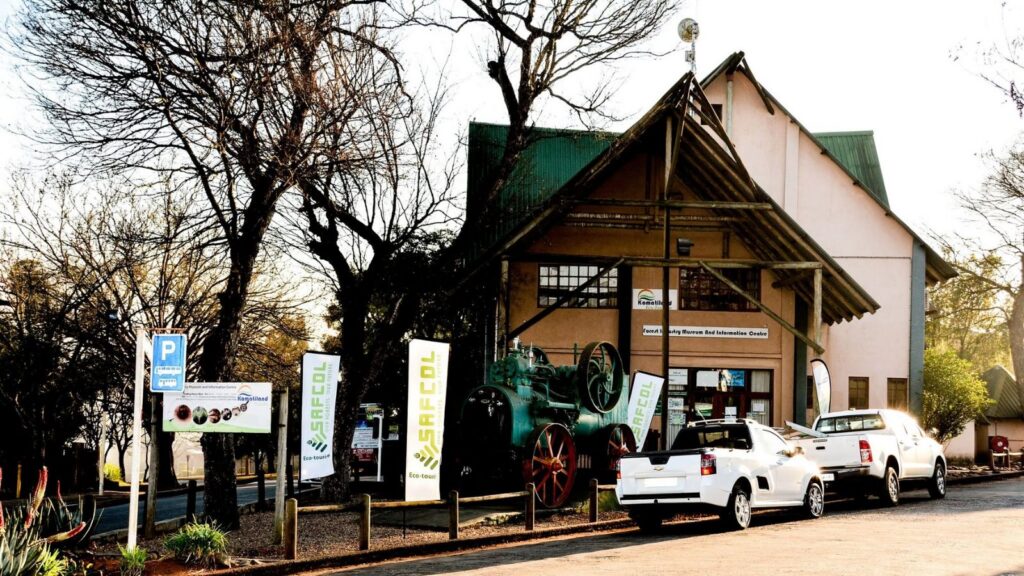
To honour its rich forestry heritage, Sabie is home to a Forestry Museum, which records the history of South Africa’s timber industry.
The museum is operated by the South African Forestry Company (SAFCOL), a state-owned company that falls under the Department of Forestry, Fisheries and the Environment.
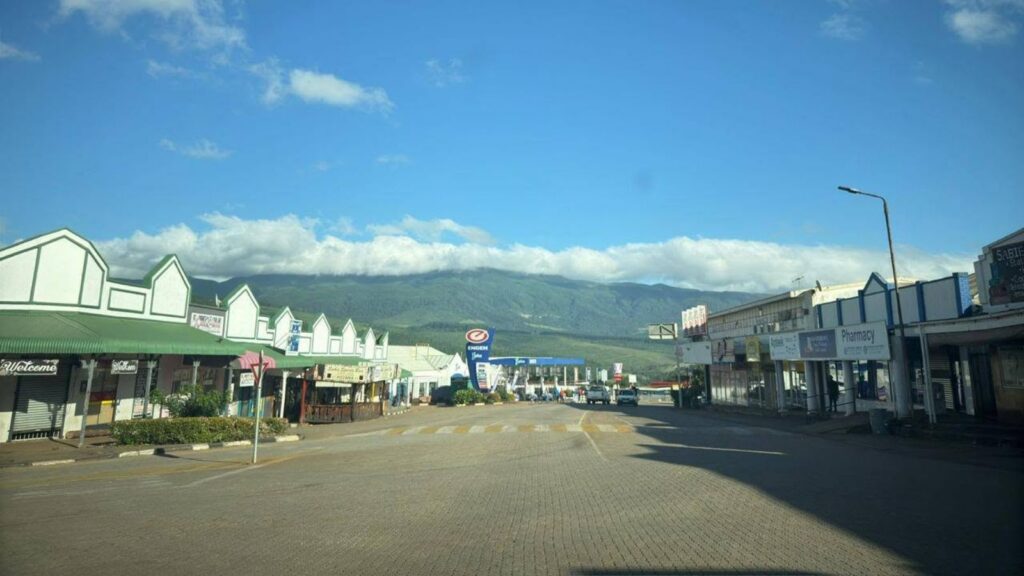
The SAFCOL Forest Industry Museum is the only one of its kind in Africa, and is located in the middle of the town along Sabie’s main road.
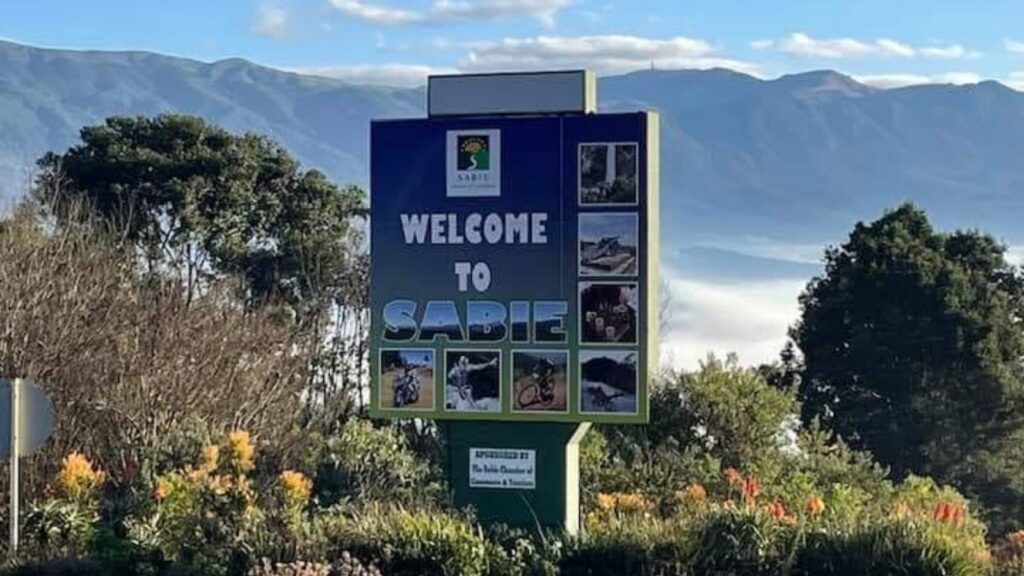
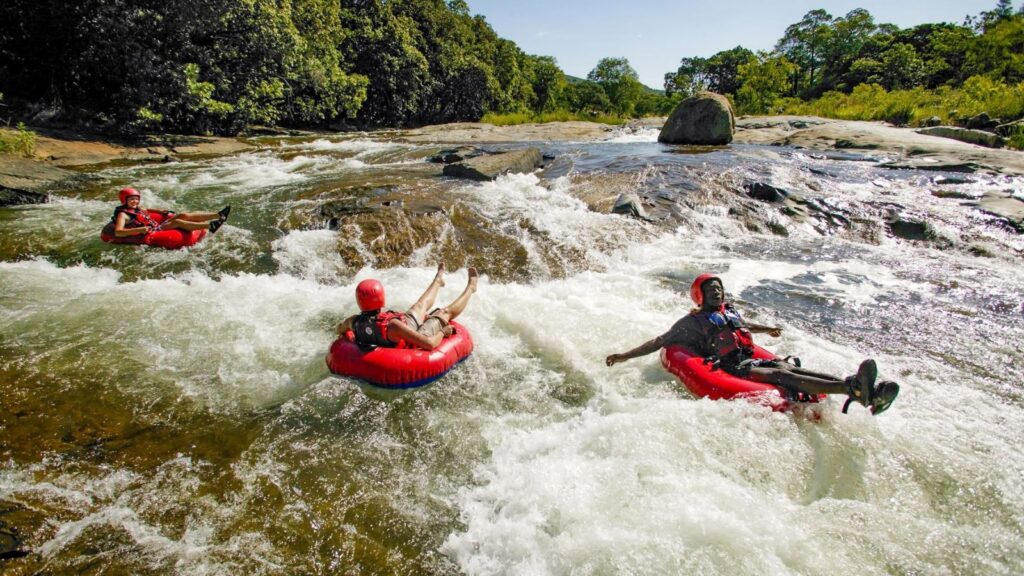
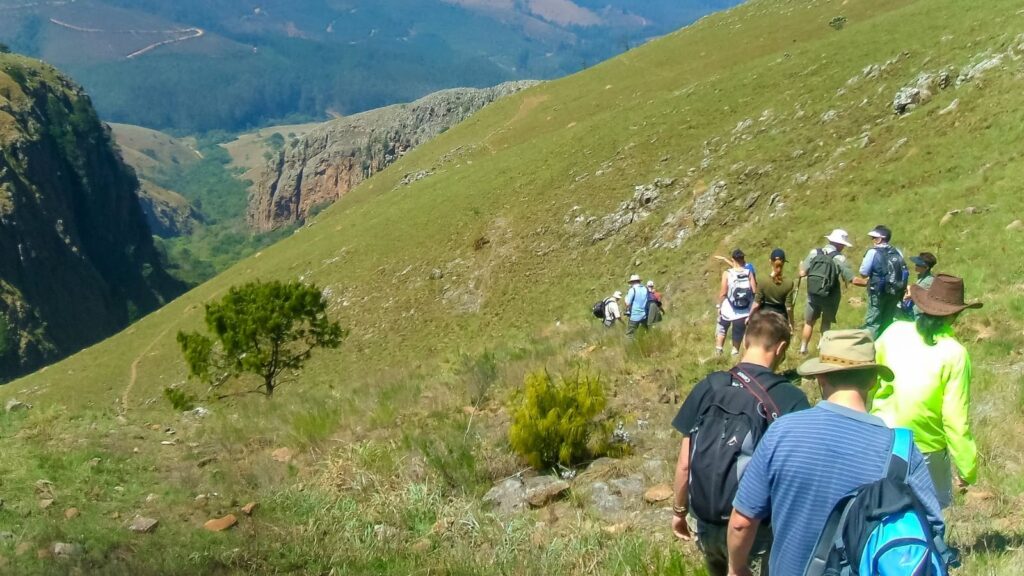
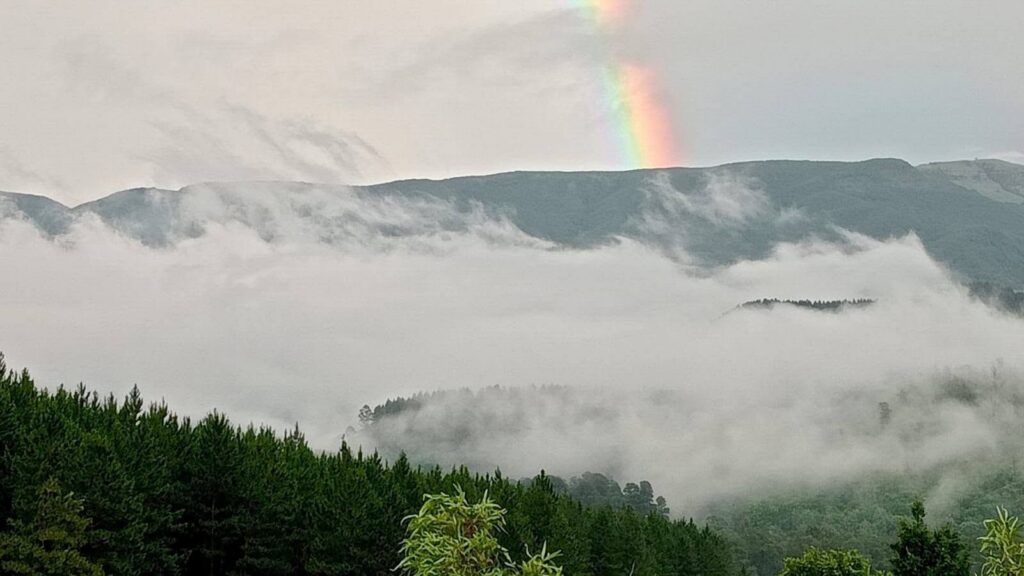
Photos of Sabie




Comments