Say goodbye to Eskom as you know it


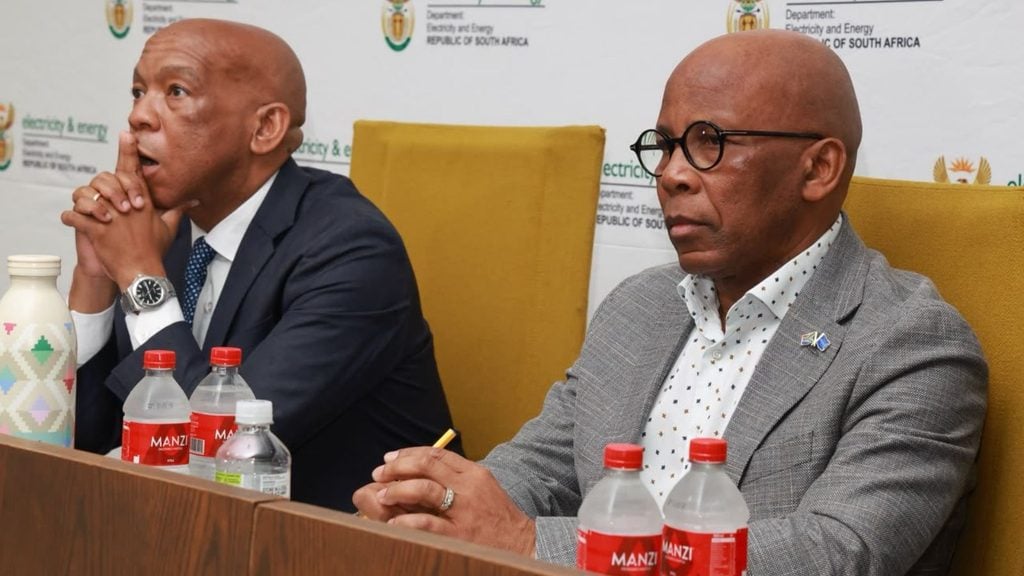
Eskom is transitioning away from its 1.0 model, where it was a vertically integrated monopoly, into “Eskom 2.0” to adapt to a new competitive electricity market.
This will bring a 103-year era to an end, with Eskom’s monopoly status ending in April 2027 when private participants join the electricity market.
The creation of an open, competitive electricity market is a critical reform aimed at bringing new generation capacity online and reducing prices.
As private players compete with newer, cheaper forms of generation, prices will fall, and consumers will benefit.
Electricity Minister Kgosientsho Ramokgopa said this means Eskom will have to adapt and overhaul its operations to be more competitive.
This includes cutting costs and investing in renewable technologies to reduce the utility’s cost of producing electricity.
The aim is to ensure Eskom can compete with private players and remain financially sustainable in a world where it faces competition for the first time in its history.
“We are moving away from a vertically integrated monopoly into a market that has been liberalised, and there are multiple actors,” Ramokgopa said.
“Now, we are entering an era where we must reformulate what I refer to as Eskom 2.0. We have had 103 years of Eskom 1.0. Now we must transition.”
“We have reached the inflection point. We are leaving the Eskom of the past behind us. It continues to be the anchor behind Eskom 2.0, but this Eskom must have a different complexion.”
Ramokgopa’s department told Parliament on 23 September that the first private players will enter the market in April 2027.
These participants will operate alongside Eskom while a new electricity trading platform is tested, with the market gradually opened up to new players and products.
The new market will be managed by an independent Transmission Systems Operator under the National Transmission Company of South Africa.
Eskom 2.0
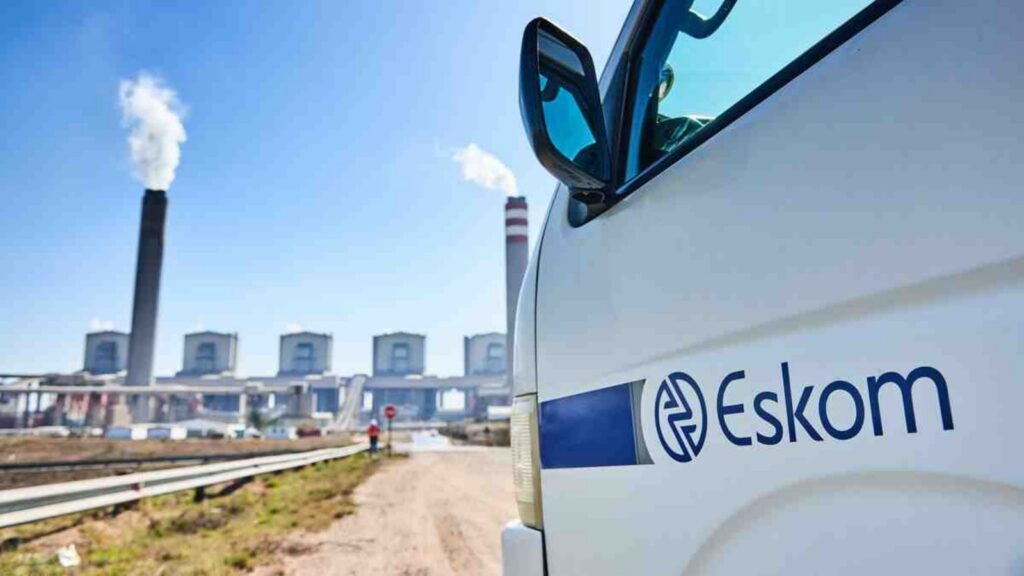
Eskom 2.0 is based on efforts to adapt to the new reality of competition, which is a tough ask for a utility with a R320 billion debt burden.
The cost of financing this burden is one of the main reasons why electricity prices have risen so dramatically in South Africa.
Eskom has had to allocate a growing share of its budget to servicing this debt, which contributes to its overall cost of producing electricity and, thus, drives prices higher.
The utility has made strong progress in this regard, reducing the debt burden by R130 billion with help from the National Treasury.
Ramokgopa said Eskom 2.0 will operate under a strict mandate of financial self-sustainability, with the government ruling out any future bailouts. The government has also ruled out double-digit tariff increases.
Eskom 2.0 must achieve profitability through operational efficiency by reducing its electricity production costs and curbing revenue leakage.
The other major difference with Eskom 2.0 is the utility’s investment in renewable energy through Eskom Green.
Eskom Green is targeting a 2 GW pipeline of renewable capacity, which will be significantly cheaper than its coal-fired power plants.
The utility will retain its coal capacity and gradually replace the ageing fleet with natural gas to produce cleaner electricity.
“Eskom is also the only entity that can generate electricity from nuclear. We will unveil the 5.2 GW new nuclear plan and a 10 GW nuclear industrialisation plan,” Ramokgopa said.
The investment in renewable energy and a new nuclear power plant requires investment in the transmission grid, which has been neglected in the past two decades.
“We have the ambition of rolling out 14,500 kilometres of new transmission lines. The size of that ticket is R440 billion. We are going to build that here,” Ramokgopa said.
The new Eskom will also play a greater role in providing electricity to South Africa’s neighbours as its surplus capacity continues to grow.
This surplus capacity is growing as private businesses and households reduce their use of Eskom’s electricity.
“As you introduce new actors, Eskom’s generation share is going to shrink. This opens up new avenues for Eskom to export excess generation capacity,” Ramokgopa said.




Comments