The woman who put her two kids through university by selling snacks on a street corner in Tembisa


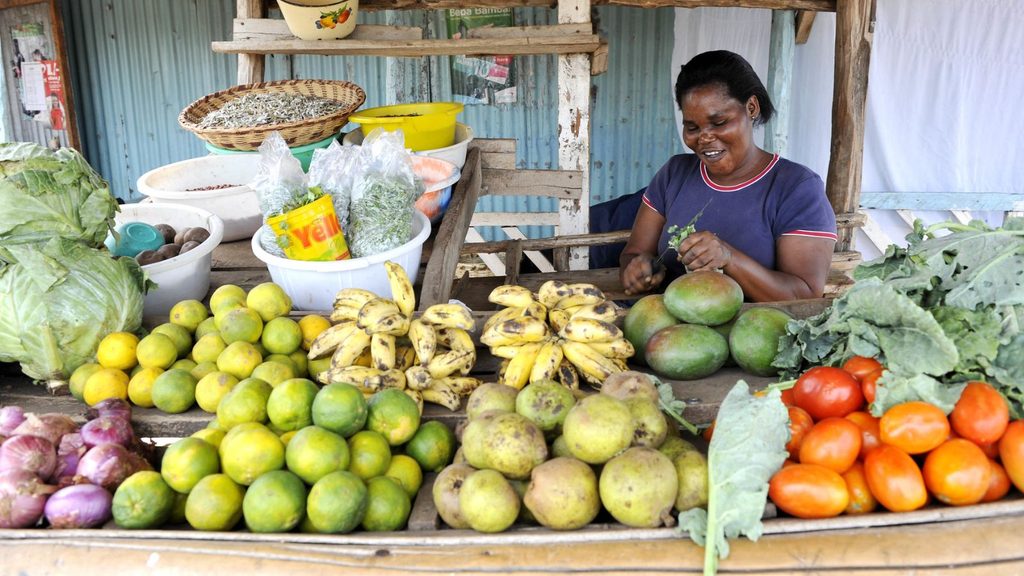
A woman put two children through school and university by selling snacks on a street corner in Tembisa for 26 years.
The business she ran was simple: She used an upturned bucket to support a wooden plank as a table to display snacks.
Many of her customers were schoolchildren who would pass by on their way to class with pocket money from their parents.
Informal economy expert GG Alcock shared this story during an interview on Standard Bank Talks with the bank’s personal and private banking CEO Funeka Montjane.
Alcock explained that many of the businesses in the informal economy are simple and easy to understand.
What is difficult to grasp is the scale of the aggregated market, which, for spaza shops and retail traders, is worth R200 billion a year.
Alcock shared the story of the woman selling snacks in Tembisa as an example of how formal businesses misjudge the township economy by focusing on outward appearance.
He explained that formal businesses and banks fail to capture informal market share because they are obsessed with traditional research, business cases, and spreadsheets.
In a space where that data does not exist, businesses have to move beyond the numbers and take a leap of faith based on activity.
“When doing research in Tembisa, I began chatting to a lady who was selling snacks with a very basic setup,” Alcock said.
“She was sitting on an upturned bucket with a plank on it, and she had all these snacks that she was selling to the kids.”
Alcock said the woman told him that she had been selling snacks on that street corner for 26 years. “I was like, ‘Wow, 26 years sitting on this bucket selling snacks.’”
Most people’s immediate response is that this is a subsistence business that generates only enough to keep the owner alive.
This is a mistake. “She told me that she had put her two children through university by selling these snacks, and her husband has been unemployed the whole time,” Alcock said.
“Suddenly, you look at this person in a different light because she has put her kids through university, and she is incredibly proud of this little business.”
“What we see is someone sitting on a bucket with cardboard and these different snacks, but we do not recognise the scale of that.”
Alcock said that while the story makes the woman’s success seem easy, it is difficult to survive in the informal market.
There are no barriers to entry or moats that she can build besides her location. Someone can open up across the street at any time.
“The fact that she has been going for 26 years is amazing. She has survived Covid. She has survived all sorts of issues. They are incredibly resilient businesses,” Alcock said.
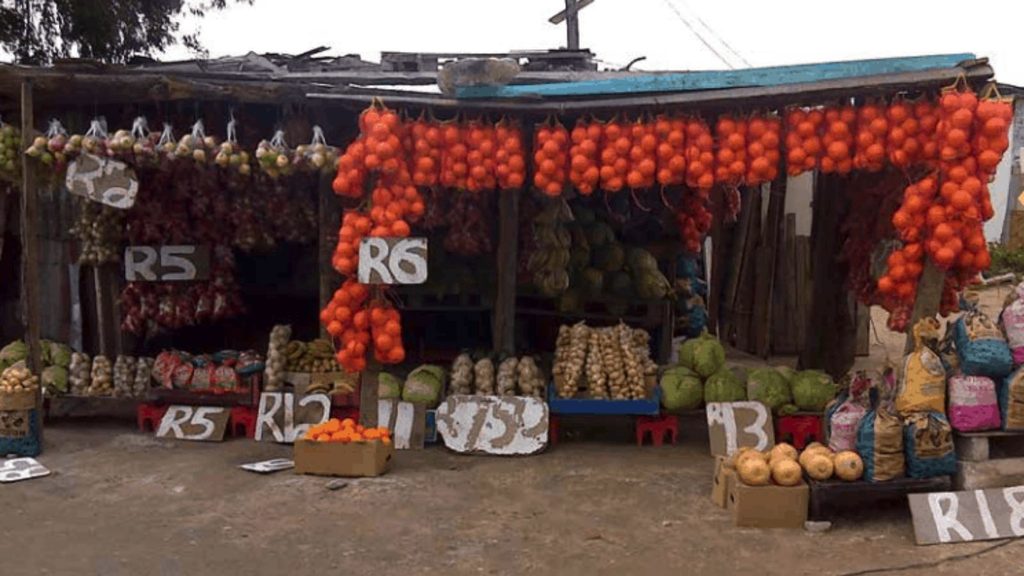
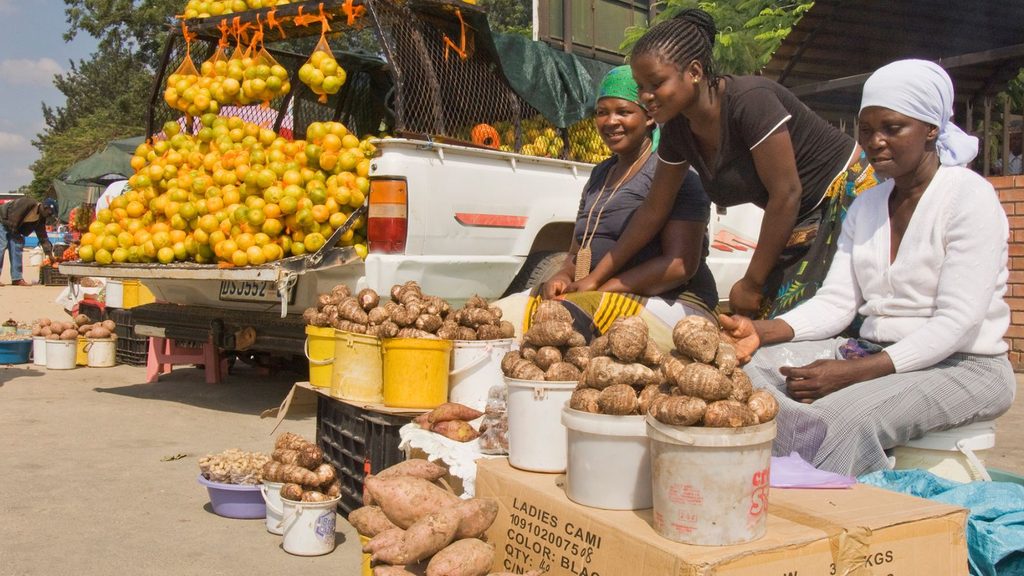
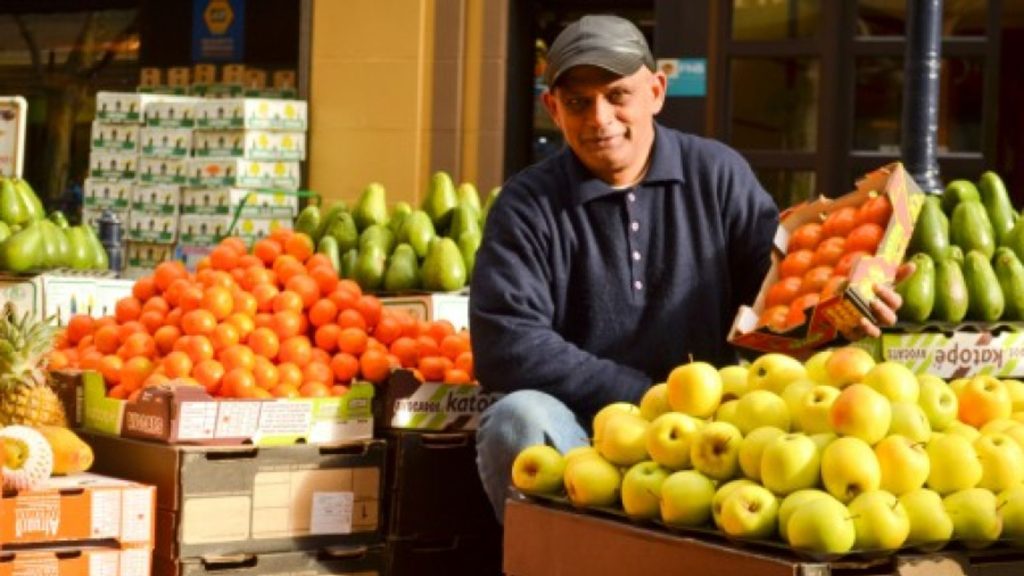
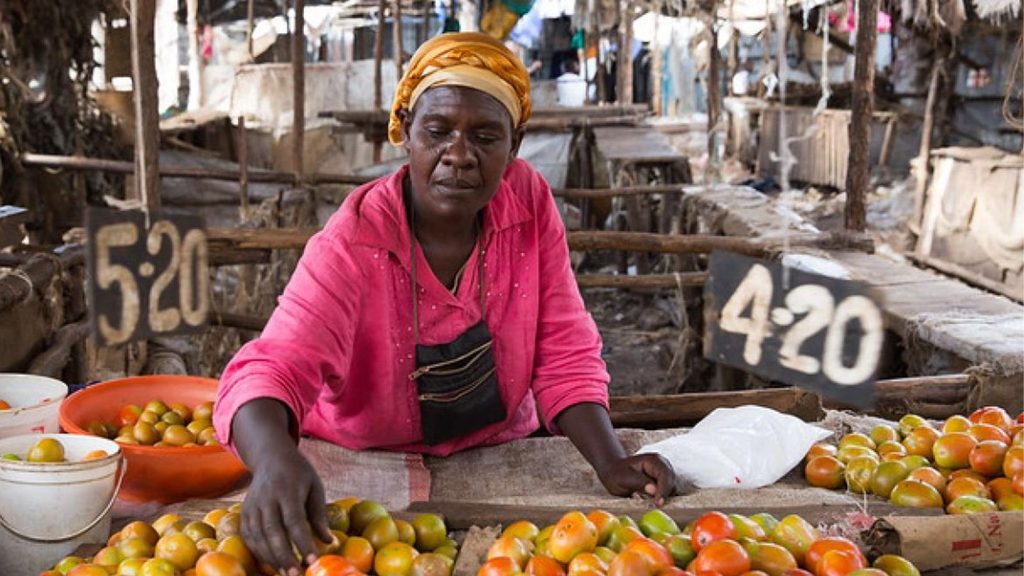
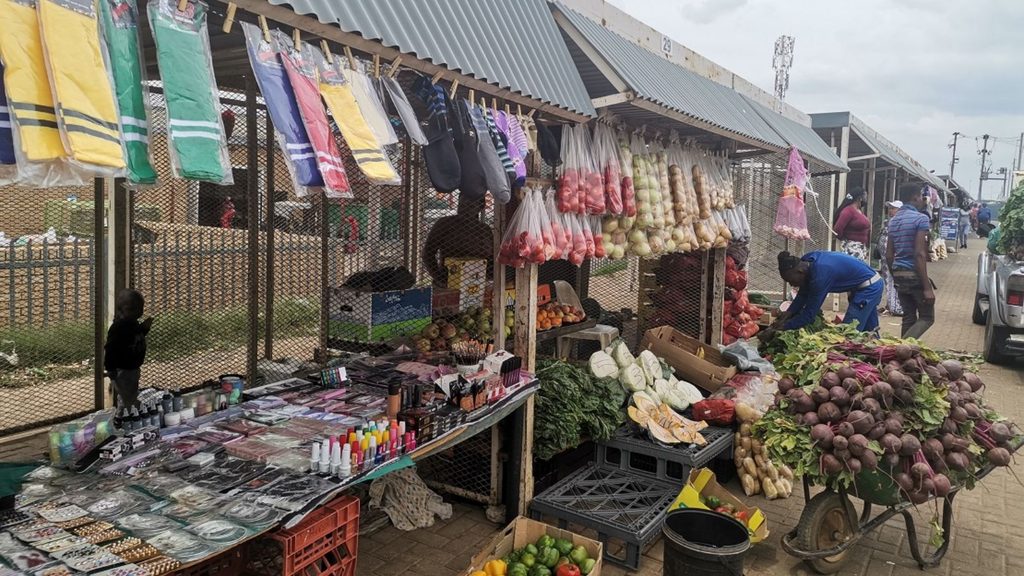
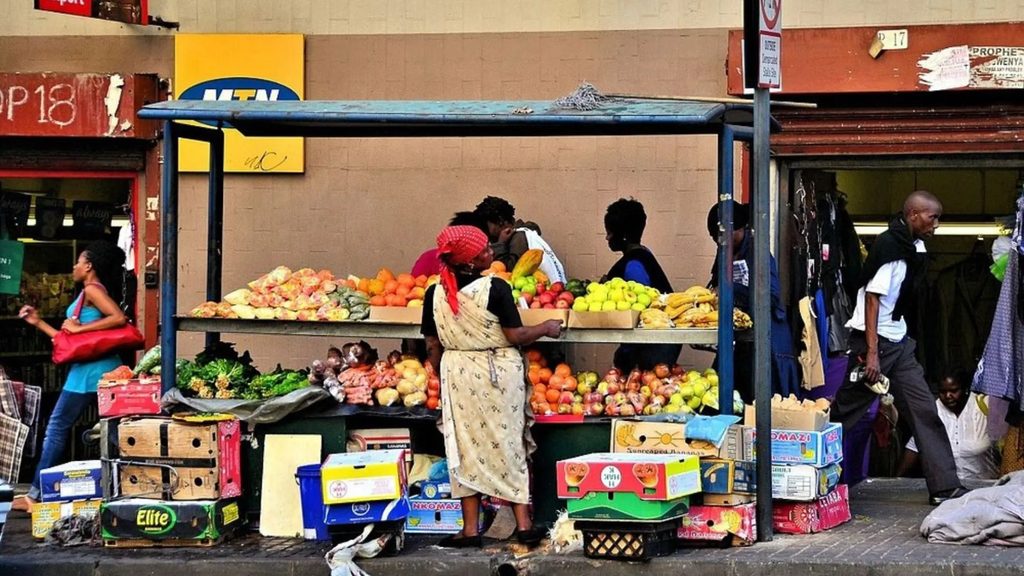
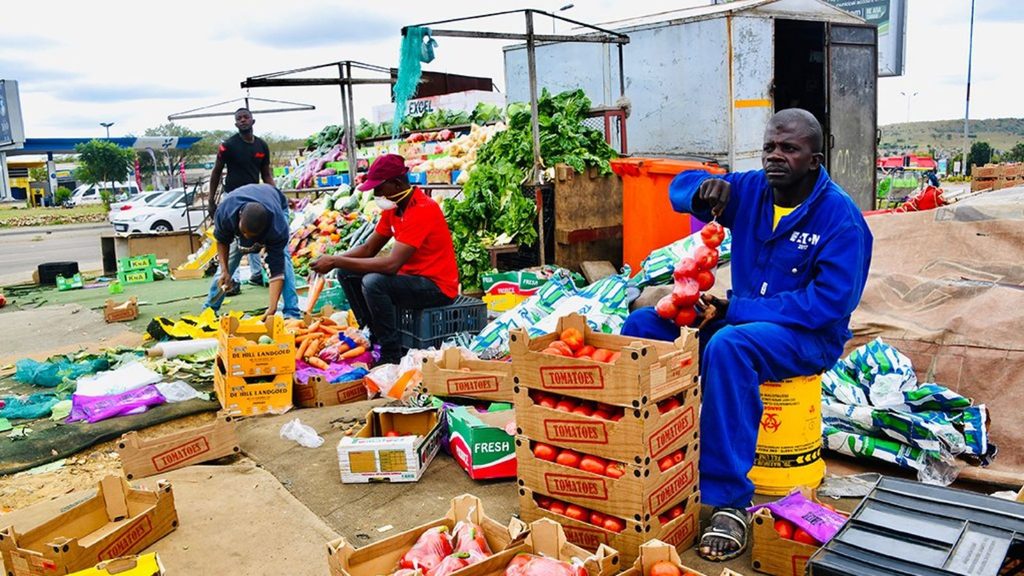
Informal trader photos




Comments