State-owned company on the brink of collapse despite receiving R1 billion in taxpayer bailouts


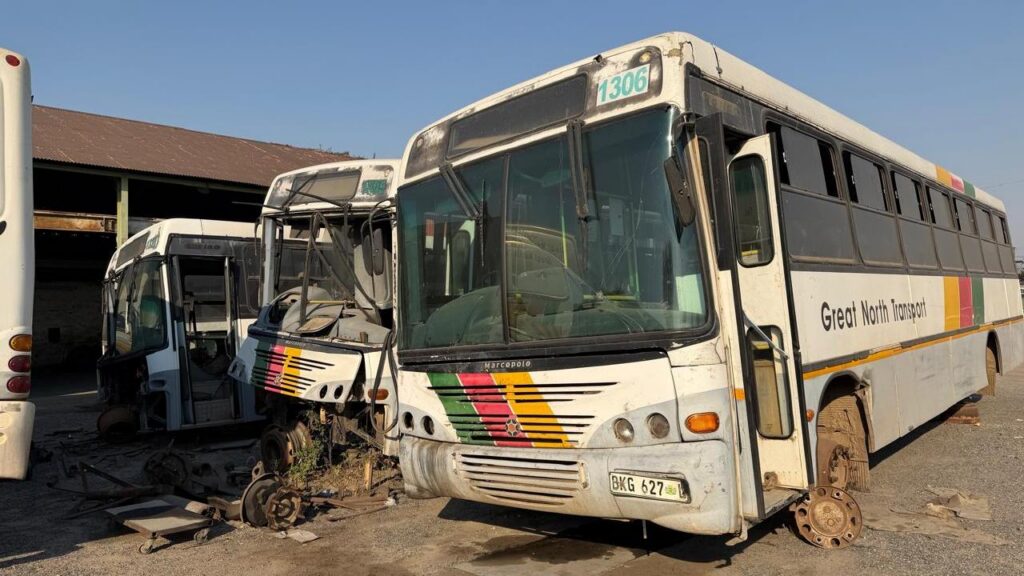
Great North Transport (GNT) is seeking a R199 million bailout after receiving R1 billion in taxpayer money over the past decade.
The company, which remains in financial distress despite the bailouts, said the additional money is needed to prevent a collapse before it reaches break-even.
Great North Transport is a state-owned bus company that operates across Limpopo Province and parts of Mpumalanga, with approximately 87 buses.
It operates under the oversight of the Limpopo Economic Development Agency and serves as a subsidised public road transport provider.
It connects rural communities, townships, and major municipal centres like Polokwane, Makhado, Giyani, Tzaneen, and Mokopane.
The company has faced governance, operational, and financial crises, which have caused it to rely on bailouts to survive.
Despite R1 billion in taxpayer funding since the 2017 financial year, the company remains financially distressed and at risk of collapse.
Great North Transport has already issued a Section 189 notice initiating consultations on possible retrenchments.
It is now asking for another R198.848 million in bridge financing to avoid collapse before reaching break-even.
However, many stakeholders, including Jacques Smalle, a member of the Limpopo Legislature, questioned this bailout.
They said rather than fixing the underlying governance and operational failures, the province has repeatedly papered over the cracks with taxpayer-funded bailouts.
The Companies and Intellectual Property Commission (CIPC) has stepped in and questioned why GNT is trading under circumstances prohibited by the Companies Act.
It has given Great North Transport until 31 August 2026 to present a new operational turnaround plan.
If it fails to produce such a plan, it could face a directive to cease operations or be placed under business rescue.
Great North Transport wants another R199 million
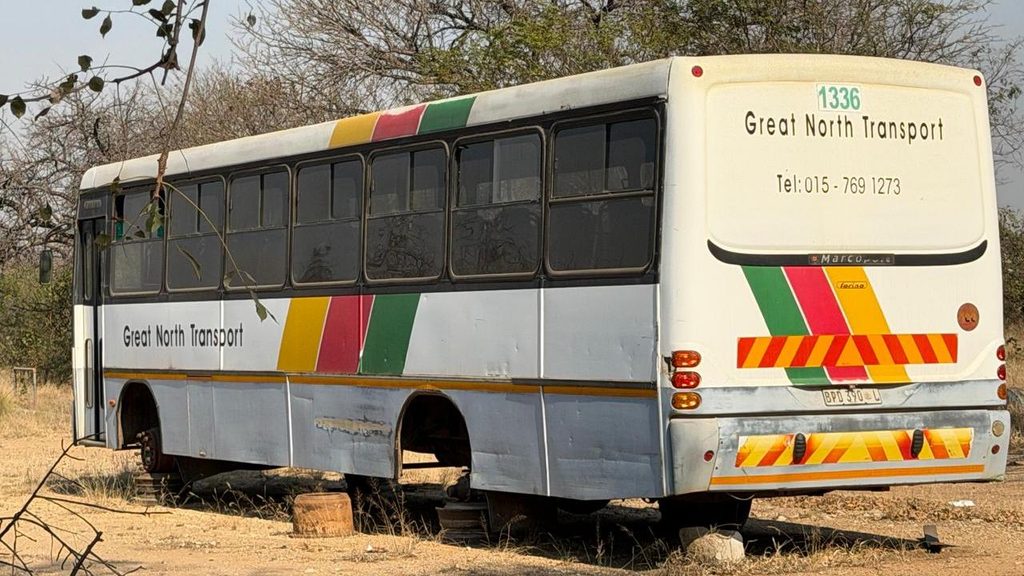
The Limpopo Economic Development Agency (LEDA) and GNT told the Limpopo Standing Committee on Public Accounts (SCOPA) that its turnaround is progressing.
They have asked the committee to support additional funding to save the entity and place it on a path toward permanent financial sustainability.
However, many people are sceptical that the new funding will make a difference, as it has never helped before.
R1 billion has already been allocated for buses, repairs and maintenance, employee costs, severance packages, statutory obligations and historical payables.
“Great North Transport acknowledged that these funds did not solve the problem,” Smalle said in a press statement.
“Its own assessment identifies technical deficiencies, a deficit in operational competence, and weak internal controls.”
“There is also the possibility of theft of spares and diesel, a negative work culture, and difficulty recruiting critical skills among the causes of its failure.”
“These are not simply funding problems. They are governance, management and operational failures.”
Smalle said the company’s full financial and operational position must be presented to the Legislature.
This includes its fleet and the condition of GNT-owned buses, existing bus leases and their value for money, and revenue and fuel controls.
It should also supply creditor exposure, organisational structure, staffing requirements and the assumptions underpinning the R198.8 million request.
“Any turnaround strategy must be costed, independently verified and subjected to full legislative scrutiny,” he said.
“GNT must demonstrate what the sustainable entity of the future will look like and what fleet, depot structure, posts and skills it requires.”



Comments