The tiny mining towns in the middle of the desert where the average person makes R508,901 a year


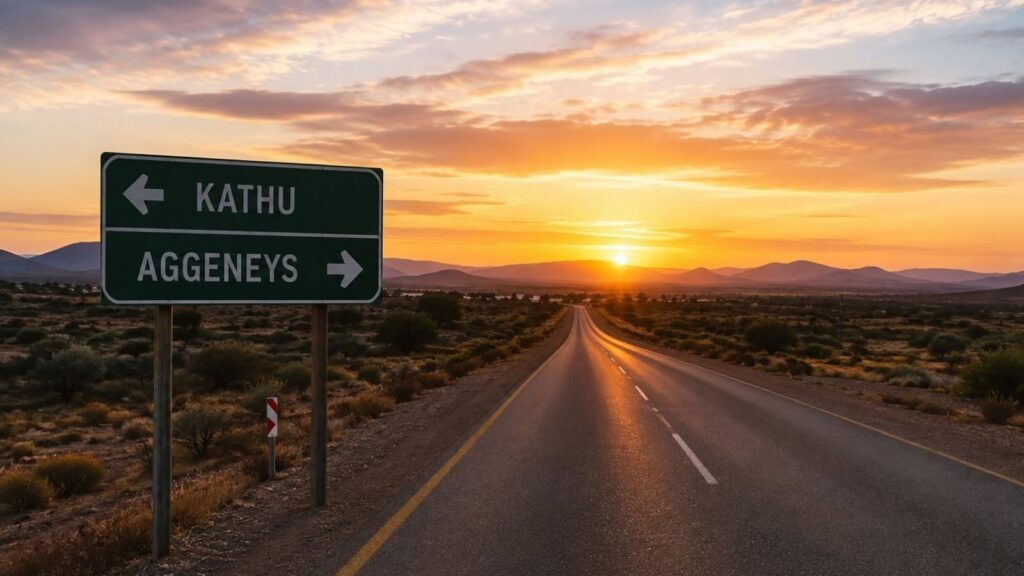
The average person in the Gamagara Local Municipality earns R508,901 per year, making it the richest district in South Africa by personal income.
Residents of Gamagara make more money than those of Johannesburg, Cape Town, and Stellenbosch, despite it being in the middle of nowhere.
This is because the municipality sits atop the Gamagara Ridge, which is home to three iron ore mines that supplied the metal that built South Africa.
The towns of Kathu, Shesheng, Dibeng, Dingleton, and Olifantshoek exist primarily to serve the mining industry.
Gamagara’s mines were first developed to supply a single customer in Iscor, which bought all the ore from the area to produce steel when South Africa was rapidly industrialising.
In effect, the company was buying rock from the Northern Cape that it would turn into steel to build the economic hub of Gauteng.
Funded by the boom in gold mining, South African companies began investing in heavy industry thanks to a unique combination of factors.
As the gold price soared, the economy had to industrialise to process the precious metal, and Eskom’s investment in new power plants made electricity cheap.
These are the perfect conditions for heavy industry to form. To meet demand, Iscor bought iron ore from the Gamagara Ridge for 61 years.
This arrangement ended only when ArcelorMittal South Africa, which took over Iscor, stopped buying the ore after it hit financial trouble.
ArcelorMittal’s decision marked the first mine developed in the region by Assmang to be taken out of business 61 years after it began operating.
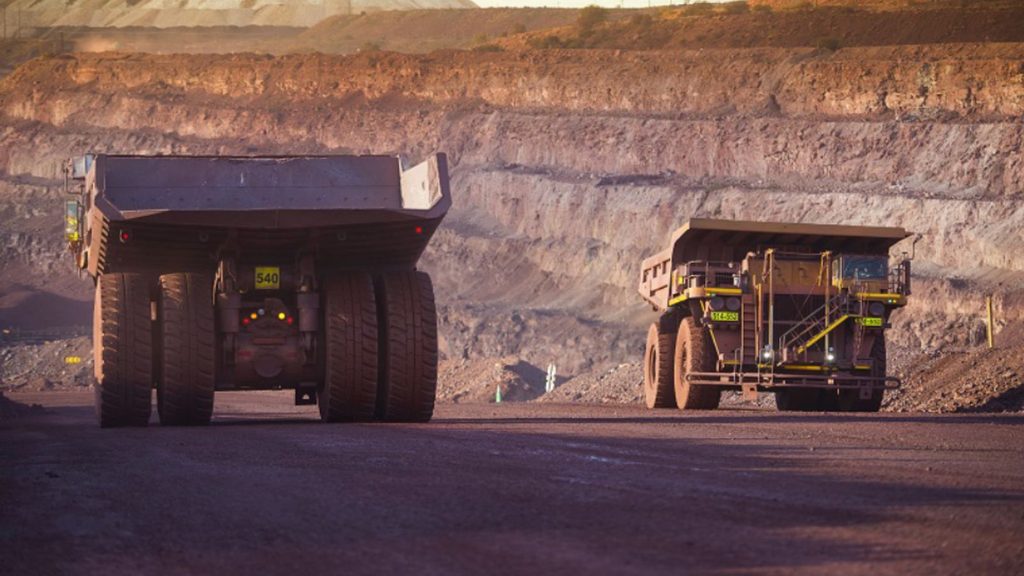
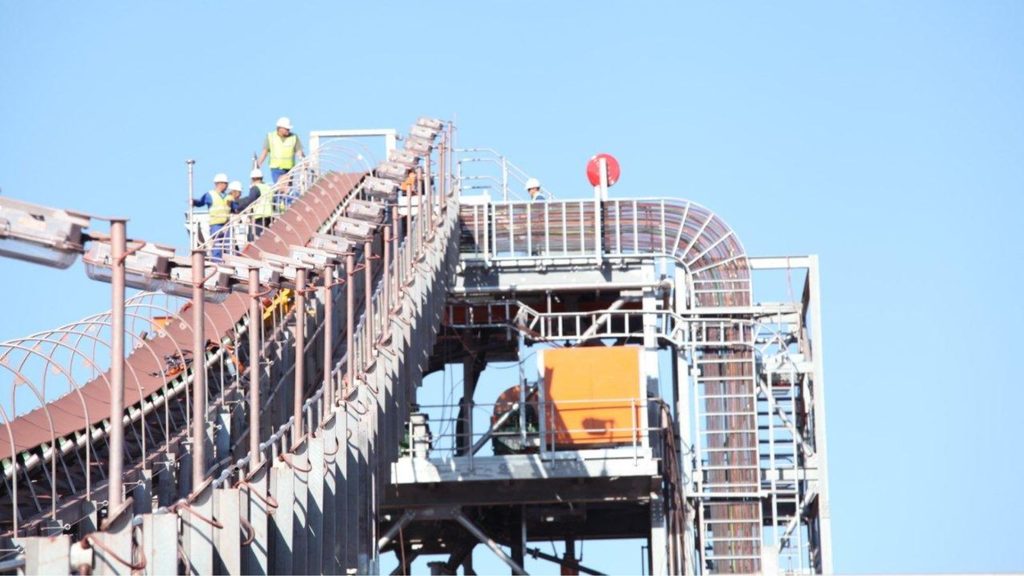
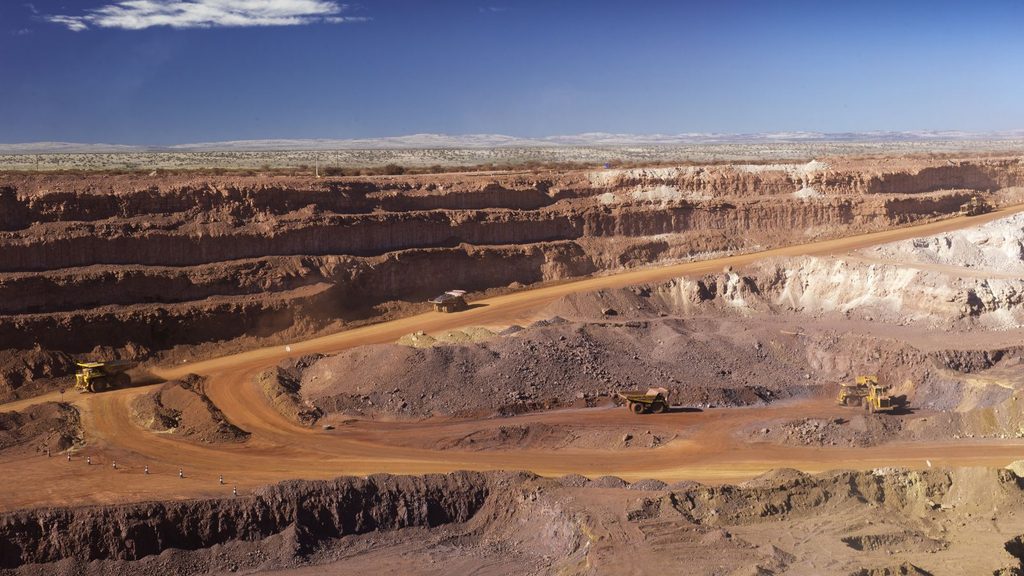
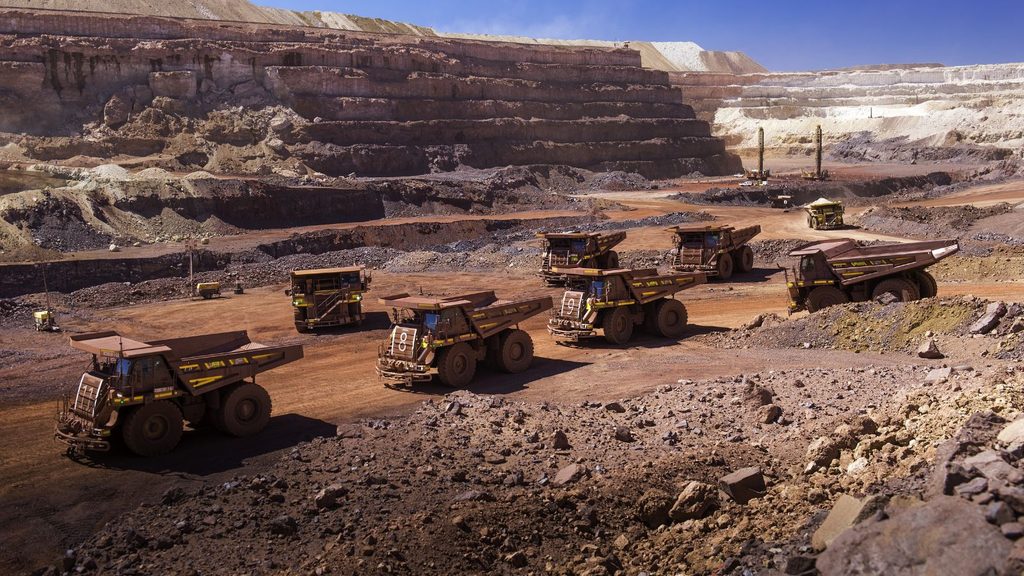
However, the largest mine in the region is Kumba Iron Ore’s Sishen open-pit mine, which was designed to export product via the Sishen-Saldanha railway.
This mine is one of the largest open-pit operations in the world and produces 28 million tonnes of iron ore every year.
It also has one of the highest quality iron ore bodies in the world, with an average iron content of 64%. This makes it extremely profitable for Kumba.
Alongside Sishen is Kumba’s Kolomela mine and Assmang’s Khumani, which produce a further 20 million tonnes of iron ore a year.
How this makes Gamagara residents rich
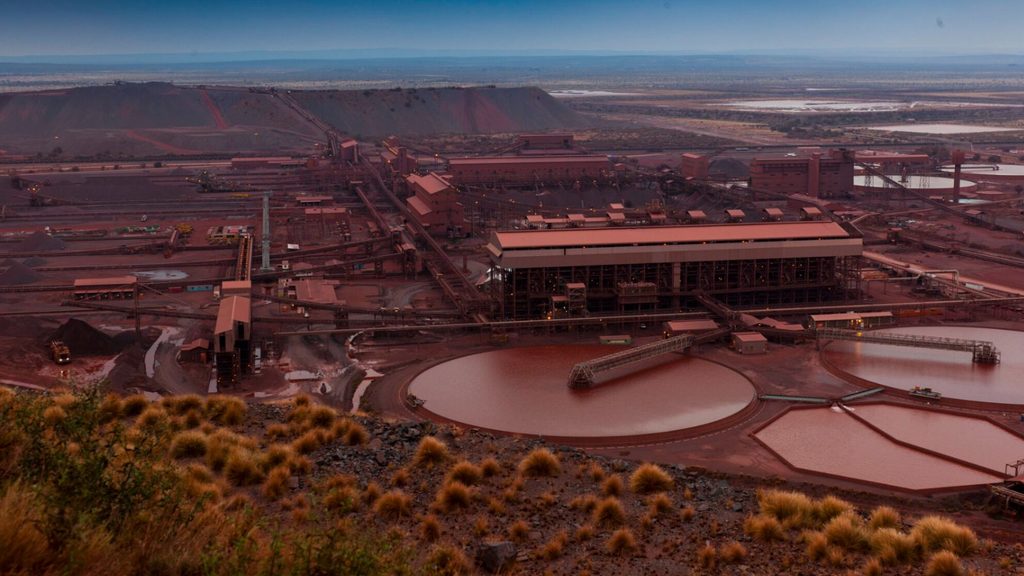
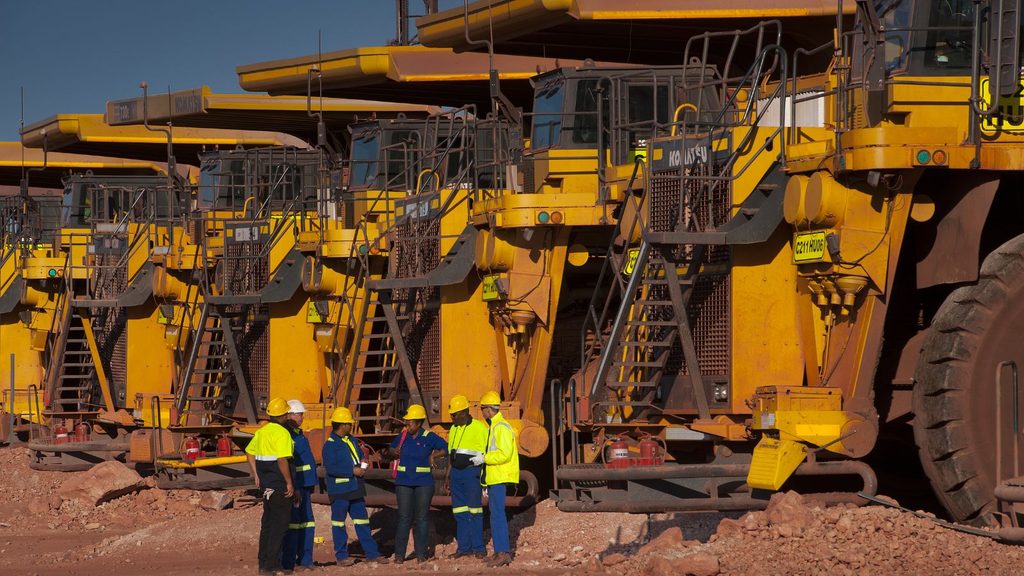
The operation of these mines has created thousands of high-paying jobs in Gamagara, given their need for engineers, geologists, and mining specialists.
This significantly boosts the average income in Gamagara, with SARS tax data showing that its residents have the highest incomes anywhere in South Africa.
SARS data show that Gamagara has fewer taxpayers than most South African municipalities, allowing a few high earners to significantly boost the average.
Gamagara has 10,979 taxpayers, which is less than a third of Stellenbosch’s 36,000 and tiny compared with Johannesburg’s 1 million.
This gives the municipality an extraordinary advantage in the rankings of the country’s richest, with high income spread among a few taxpayers.
Here is where another of Gamagara’s unique advantages comes into play. As a municipality built on mining, it has thousands of low-skilled employees.
This should drive down the average income, as they earn far less than engineers or geologists, for example.
However, given mining’s large income disparities, a sizeable share of these employees do not earn enough to be registered for, or to pay, income tax.
This is equally true of the thousands of self-employed businesspeople and workers who serve the mines and their workers.
As a result, a unique situation is created in Gamagara where relatively few taxpayers are disproportionately high-income earners.
This is compounded by the other industries that employ people in the municipality, such as renewable energy generation and Transnet Freight Rail.
As with mining, these industries are skewed toward high-income earners, such as engineers, and many low-income earners are not permanent employees.
These factors all push the average income in Gamagara above R500,000, making it the richest municipality in South Africa by personal income.
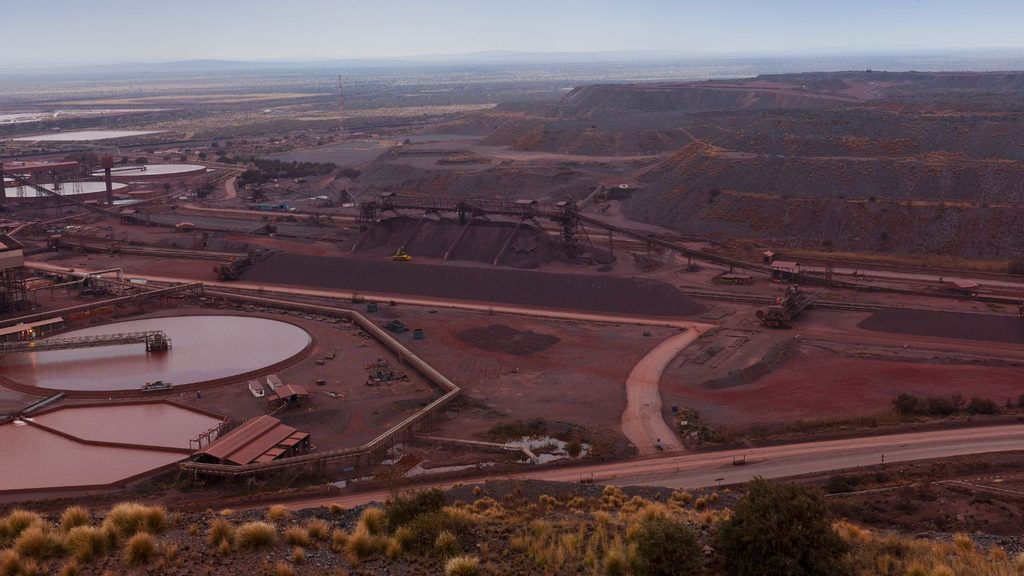
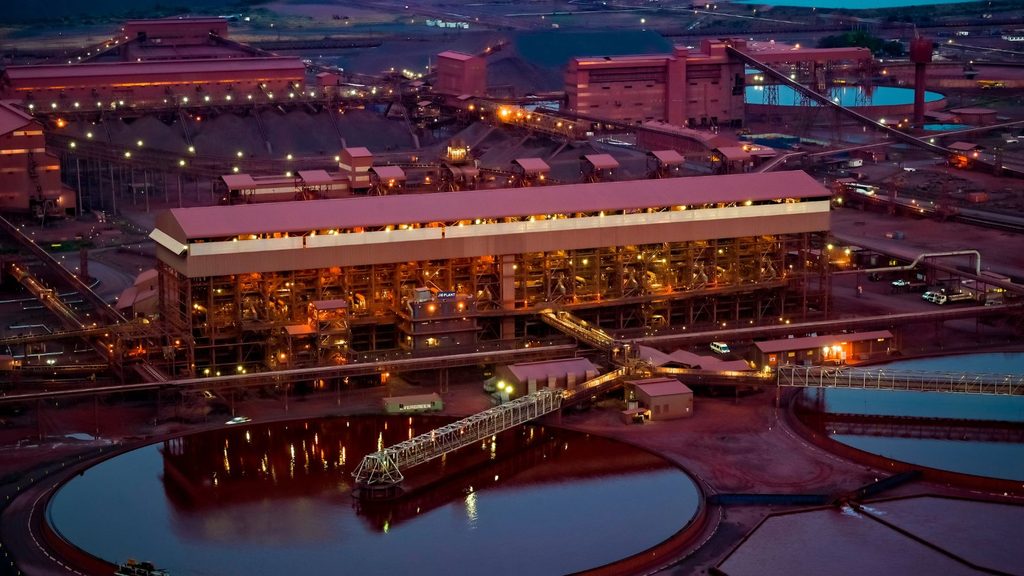
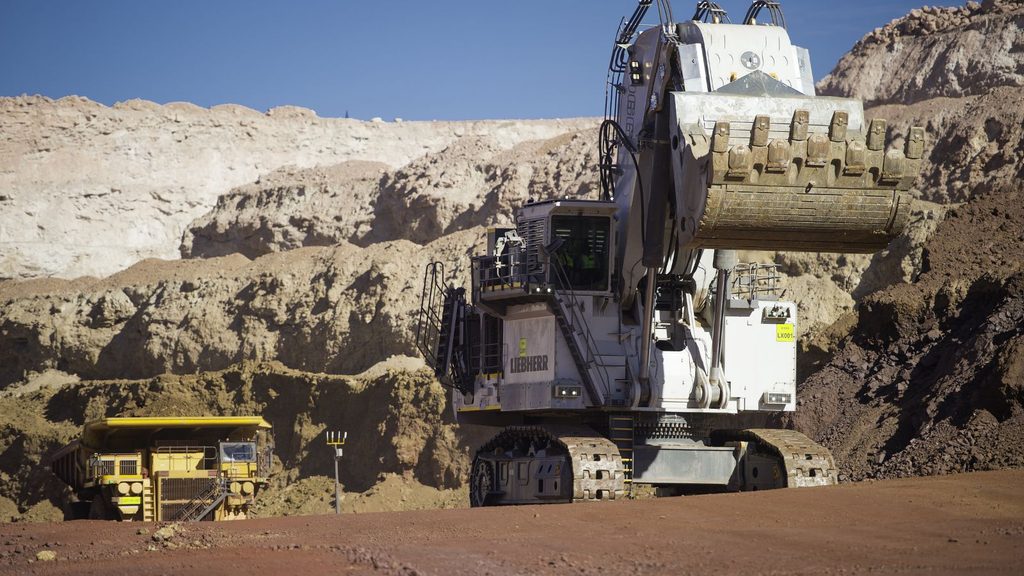
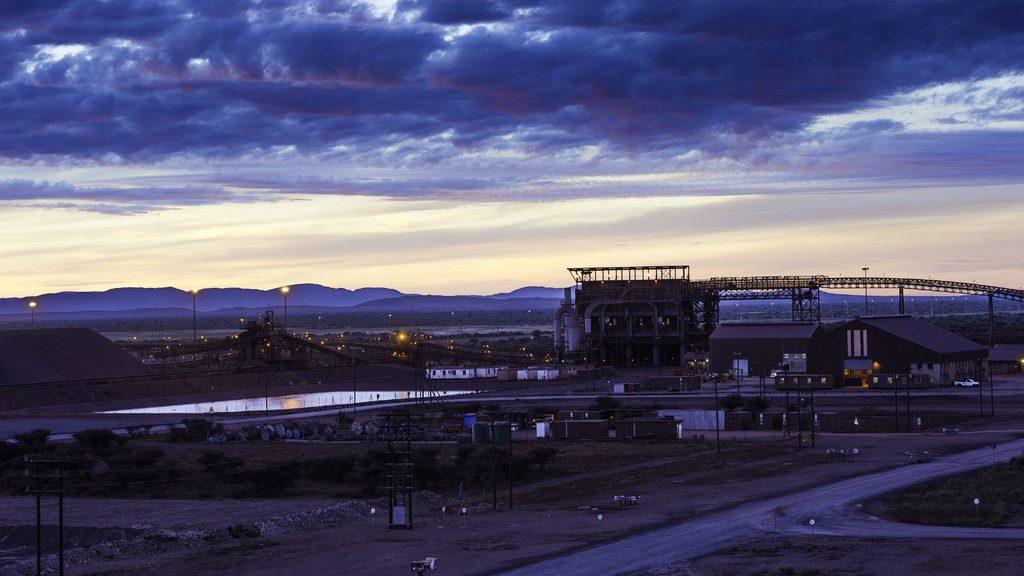
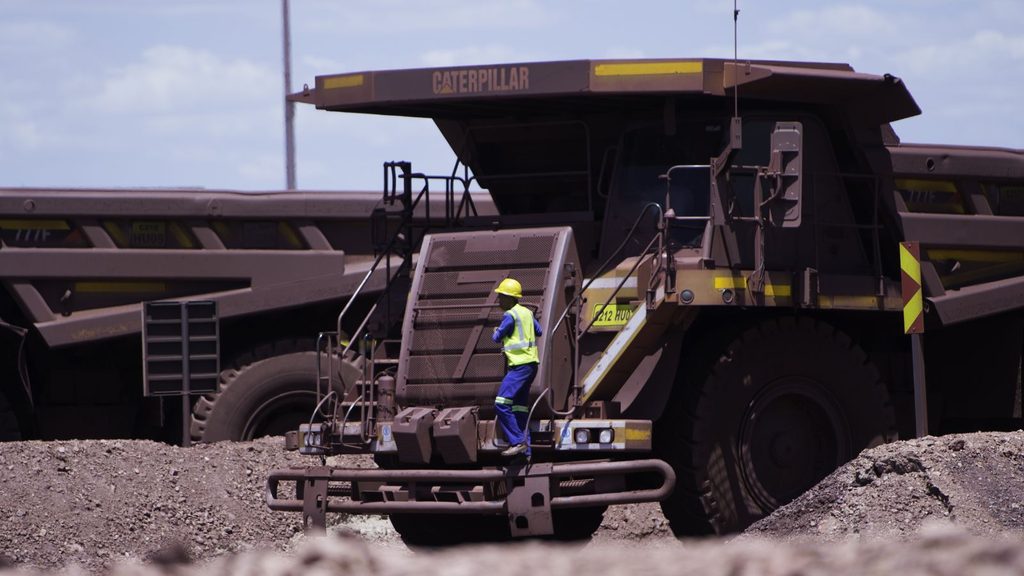
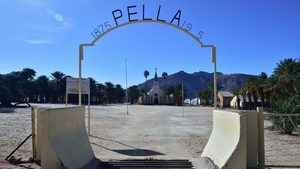
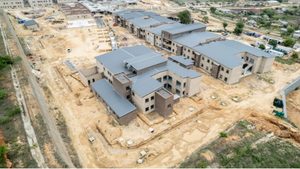
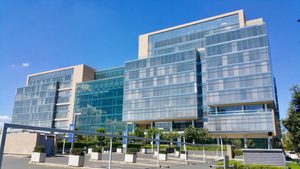
Photos of mines in Gamagara


Comments