The man who makes R150,000 per month with his unique restaurant in Soweto serving hearty meals


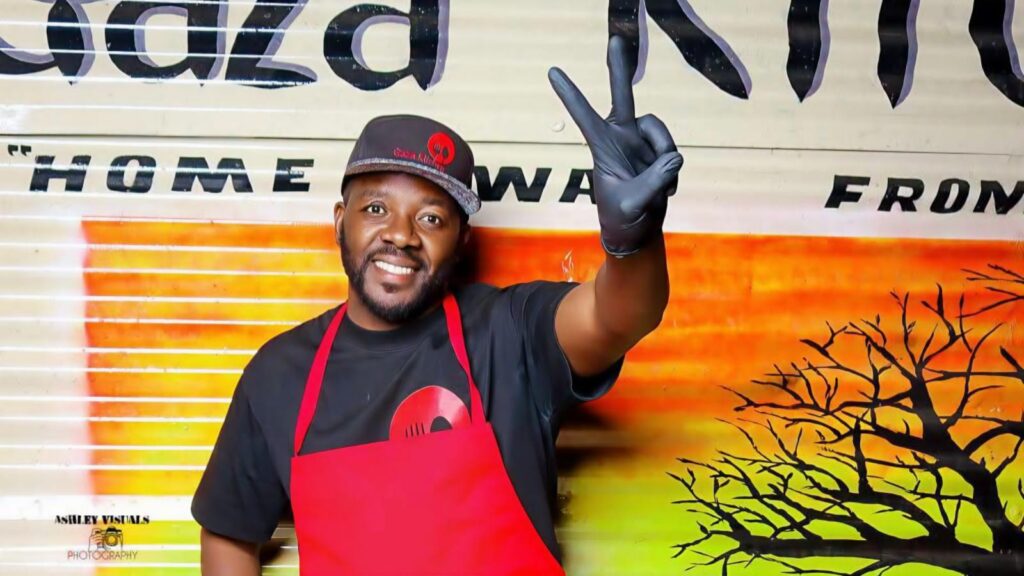
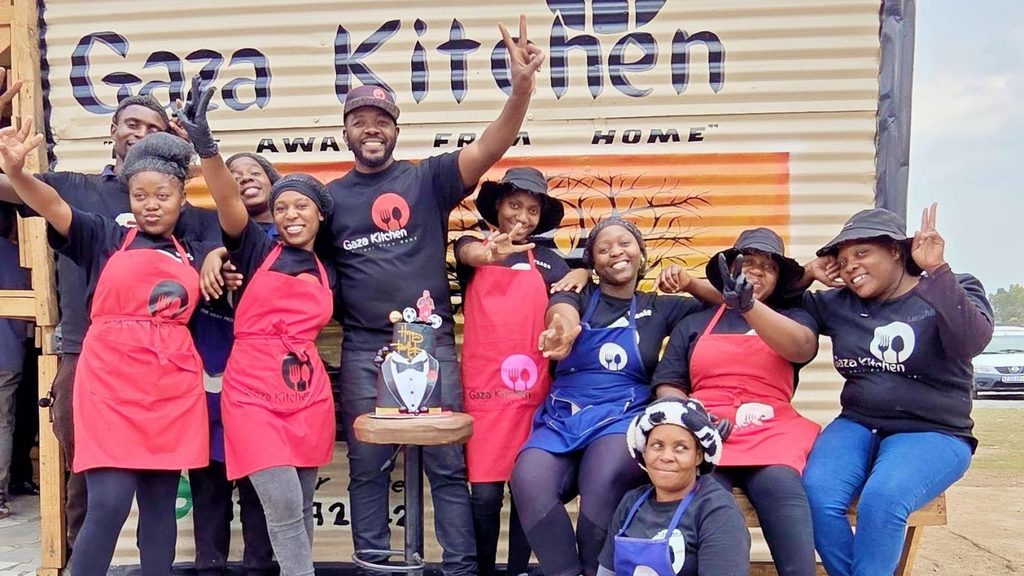
Philani is the man behind Gaza Kitchen, a traditional eatery and community entertainment hub serving hearty local meals.
Gaza Kitchen is an example of a successful informal economy business created by a township entrepreneur.
The business was founded by Philani, affectionately known in the community as ‘Manager Philani’, in Freedom Park, Soweto.
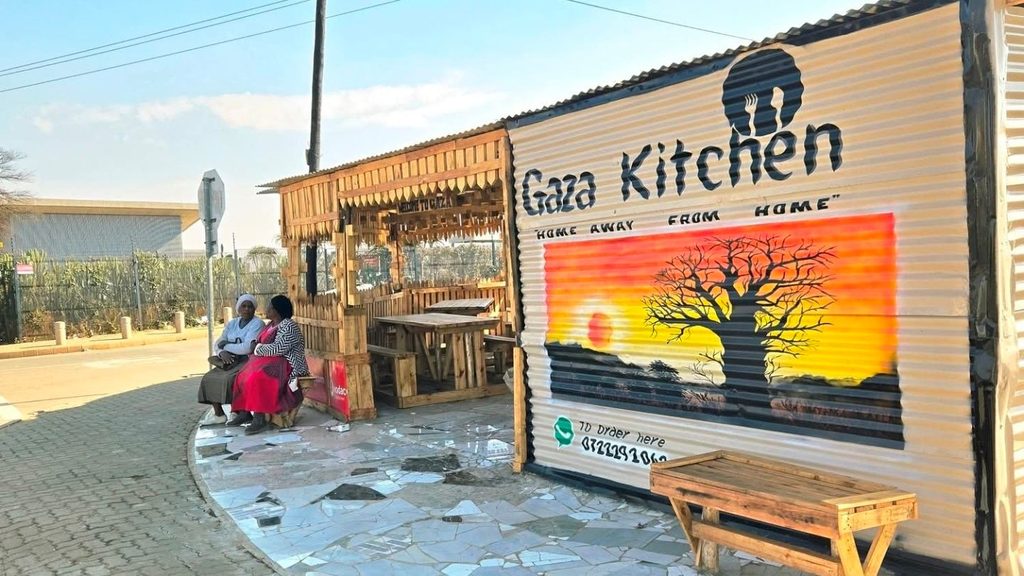
He built Gaza Kitchen’s wooden dining structure entirely with his own hands, without any outside help.
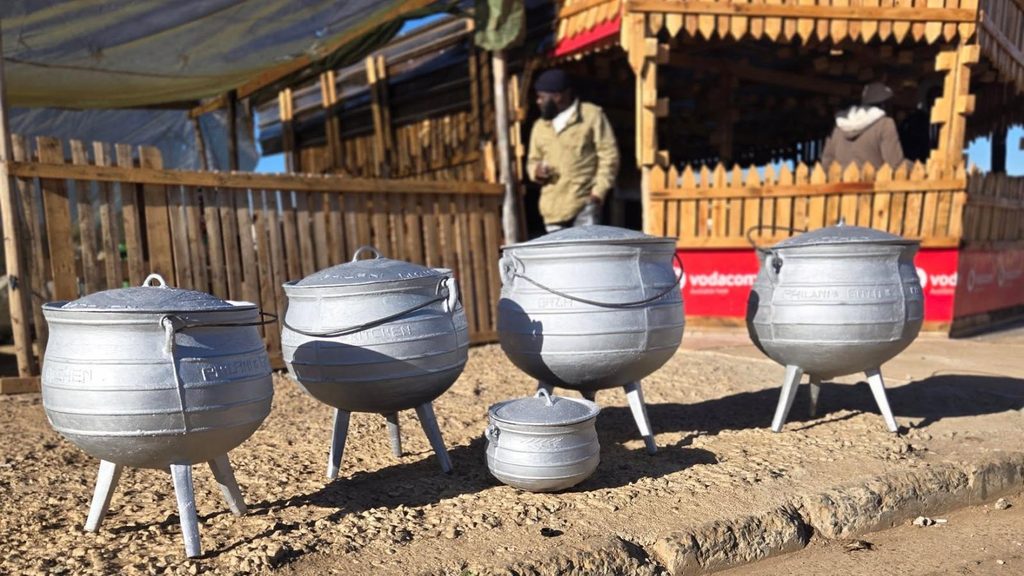
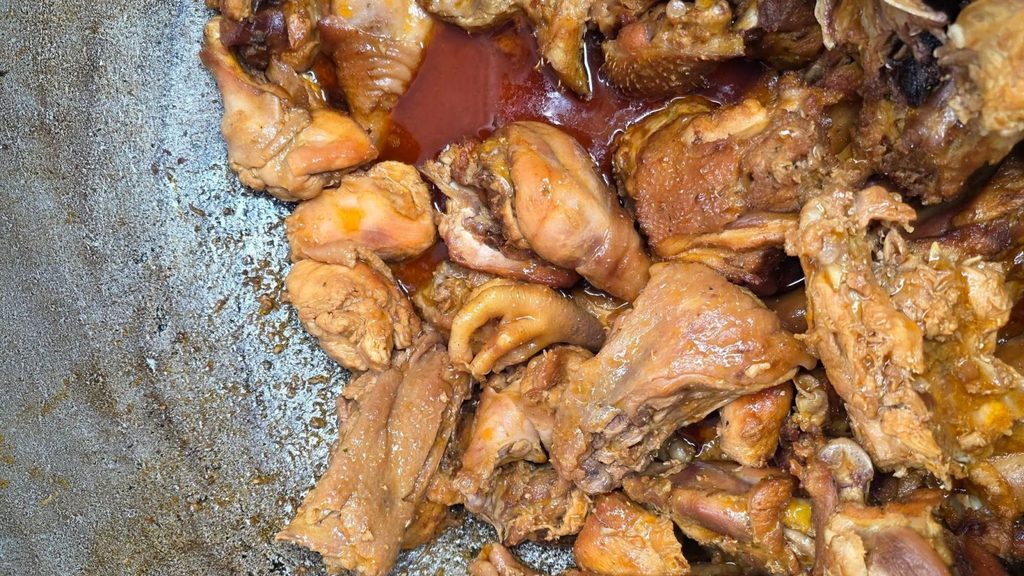
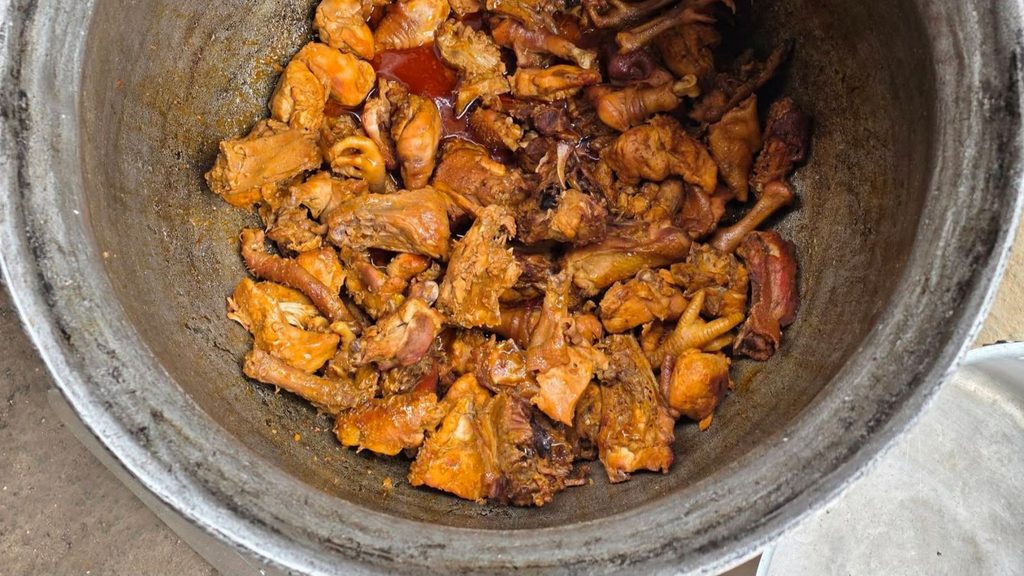
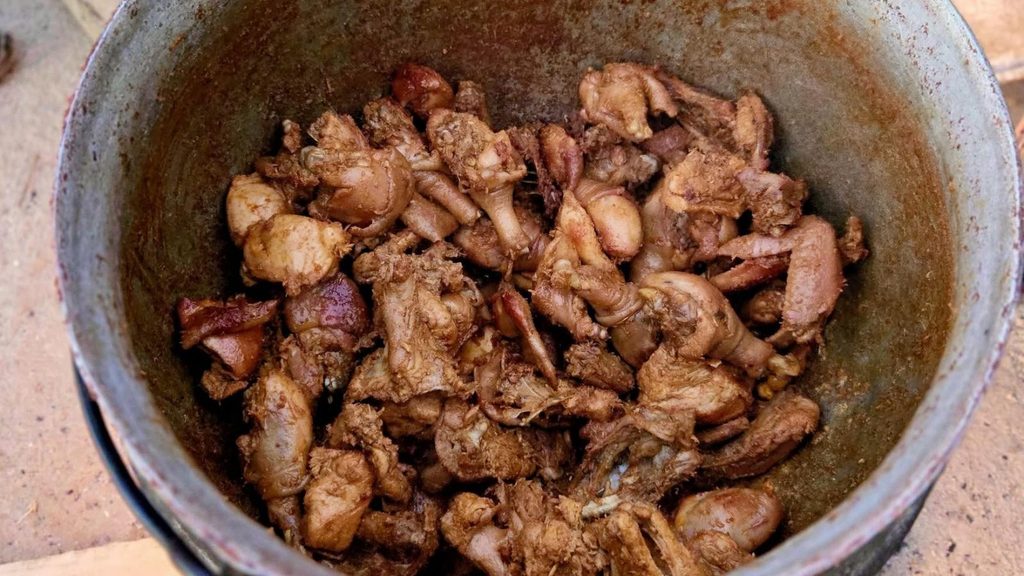
The restaurant sells traditional favourites such as beef stew, Mkokoroxi, steak and wors, pork trotters, chicken dust, and mopani worms.
It attracts Soweto residents, event-goers, and anyone looking for a comforting, home-cooked meal.
In a recent Facebook video, Philani revealed that he makes over R5,000 per day from the business. This translates into approximately R150,000 per month.
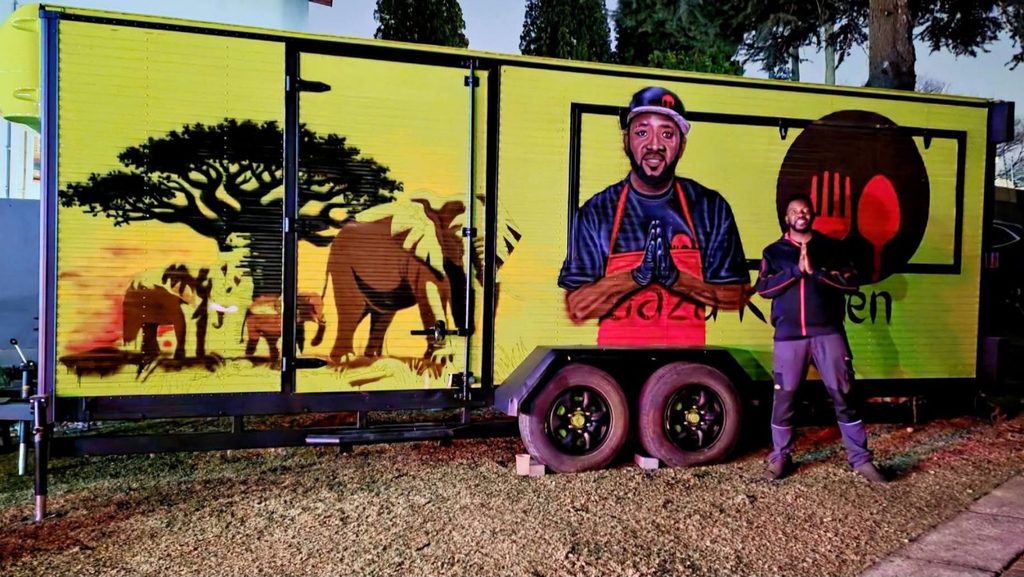
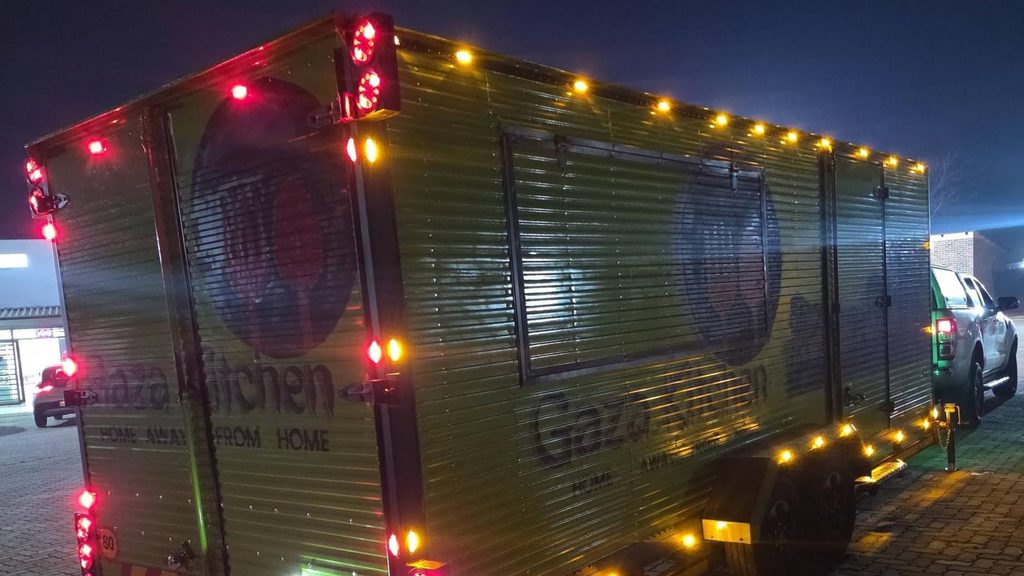
This is only the start for Gaza Kitchen. He recently invested in a large mobile kitchen as part of his expansion plan.
This mobile kitchen will allow him to expand the business into the lucrative event catering market, taking his famous menu on the road.
Philani is using the success of his business as a foundation to give back to the community he serves.
He is well-known as a philanthropist in the area. He uses his popular green Smart car to drive around collecting old clothes to donate to the disadvantaged.
He is also actively raising funds to buy wheelchairs for disabled people in Soweto who cannot afford them.
Rapidly growing informal economy in South Africa
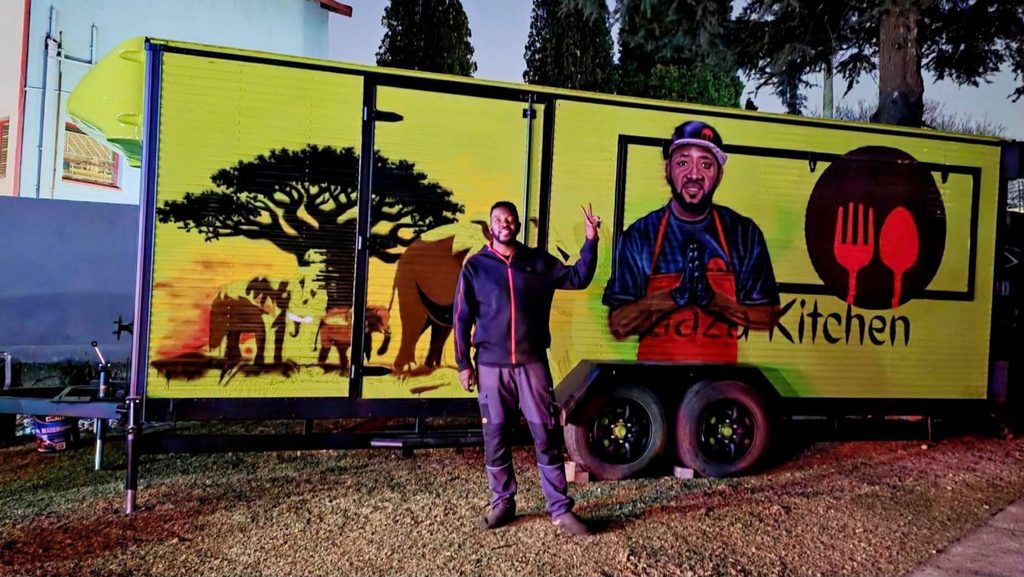
Gaza Kitchen in Soweto is a good example of an informal economy business created and managed by a township entrepreneur.
Informal economy expert GG Alcock said in his book, KasiNomics Unleashed, that this economy is at least R1 trillion in size.
However, he highlighted that it may be as large as R2.3 trillion, based on recent studies of business activity in this sector.
William Mokofe from the Walter Sisulu University argued that the informal economy should be embraced to facilitate inclusive growth in South Africa.
Mokofe’s 2025 study examined the South African informal economy, focusing on its significance, challenges, and potential to drive inclusive growth.
“The informal economy should not be seen as a deviant or residual domain, but rather as a vital locus of economic activity, social resilience, and human ingenuity,” he said.
“For millions of South Africans, informal work is not merely a fallback. It is the principal source of livelihood, autonomy, and survival.”
He said that the informal economy is, in many ways, the people’s economy, as it reflects their capacity to adapt, innovate, and thrive in the face of systemic exclusion.
“Harnessing this potential requires more than technical reforms. It necessitates a paradigmatic shift in how the state conceptualises and engages informality,” he said.
“The dominant paradigm, rooted in control, criminalisation, and marginalisation, must give way to one grounded in dignity, collaboration, and developmental inclusion.”
He said that this means recognising informal workers as rights-bearing economic agents and co-architects of South Africa’s developmental future.
Many other experts, including former Capitec CEO Gerrie Fourie, agreed. He said that it is a core sector of South Africa’s economy.
Fourie argued that the informal economy is so large that the true unemployment rate in South Africa is between 10% and 15%, instead of the official figure of 33%.
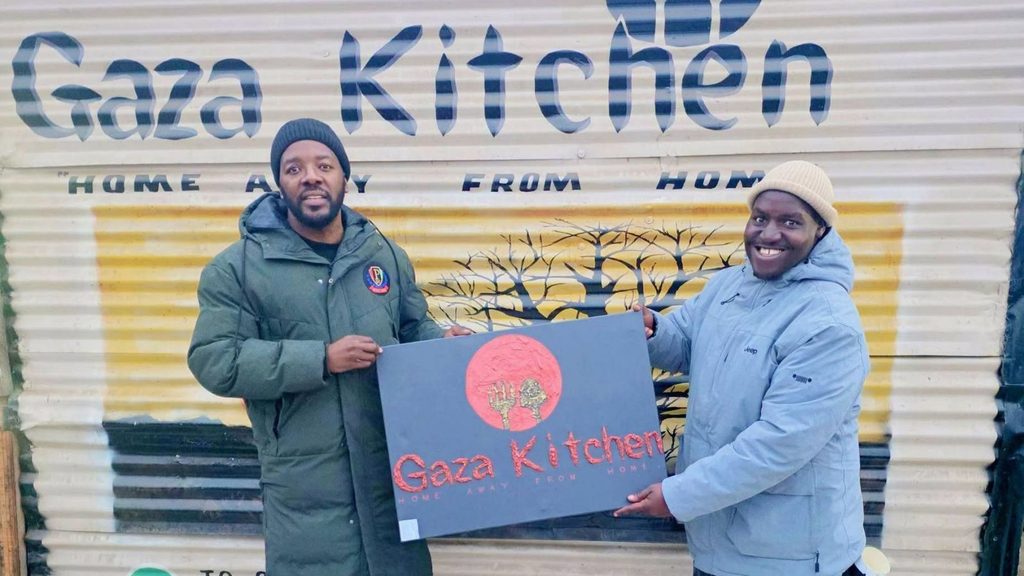
Gaza Kitchen photos






Comments