I paid R935 for a plastic box with only air and paper inside


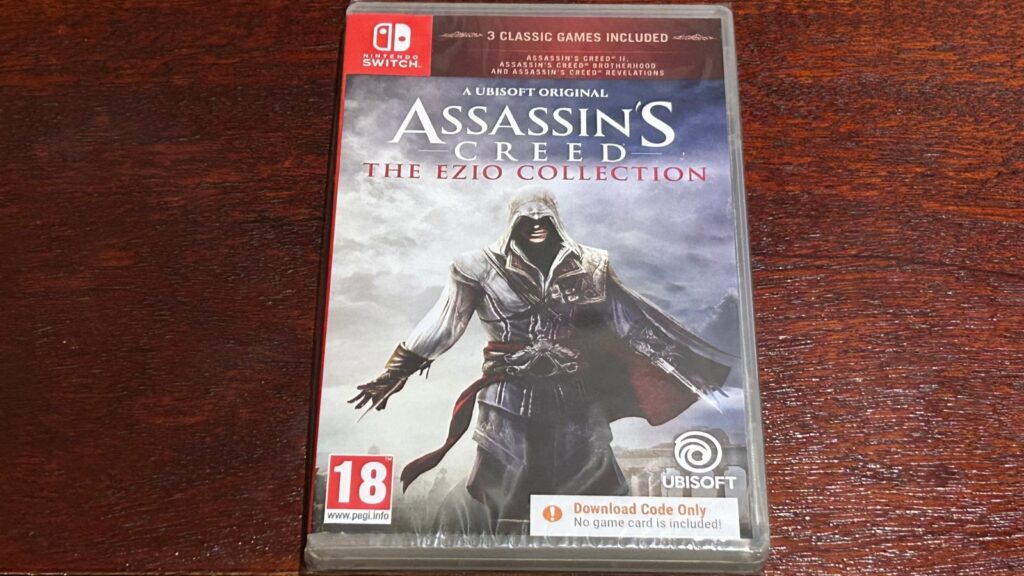
I recently purchased a copy of Assassin’s Creed: The Ezio Collection for my Nintendo Switch from an online game retailer, which set me back R935.
When I purchased the game, I was under the impression that I would be receiving a physical cartridge inside the box, which would hold all of the game files on it.
But when my game was delivered to my house, and I opened it for the first time, I was greeted by the following label on the box: “Download Code Only – No game card is included!”
The game I had purchased did not come with a physical cartridge like I thought it would, which I could simply insert into my Switch to begin playing immediately.
Instead, I would be required to go to Nintendo’s digital storefront on my Switch, enter in the code inside the box to redeem the game, and then wait while the files are downloaded.
This is not a new business practice. Many games published on Nintendo’s platform have code-in-box versions to go alongside their proper physical cartridge releases.
These versions are usually substantially cheaper than their physical counterparts, often going for hundreds of rands less to better match their price on Nintendo’s digital game store.
For example, the digital code-in-box version of the game Red Dead Redemption is R629, while the version that comes with an actual cartridge retails for around R999.
If you purchased the digital version of Red Dead Redemption directly from Nintendo’s digital store, it would cost you R929, meaning you would actually save R300 buying the code-in-box version.
The copy of Assassin’s Creed, which I bought, however, is a different story. On Nintendo’s digital store, the game is priced at around R899, slightly cheaper than the version I bought.
The version of the game which I purchased from the retailer’s website is also usually priced at R999, meaning that at full price, I would have paid an extra R100 to get an empty plastic box with my download code.
By comparison, purchasing the three games included in the Ezio Collection for PC through Valve’s Steam platform would only cost R627.
The end of physical games
The prevalence of code-in-box games represents a shifting trend away from physical game media towards digital game downloads, which has taken place over the last decade or so.
Sony Interactive Entertainment recently announced that, starting in January 2028, it would cease production of physical discs for its PlayStation consoles.
In its official announcement, the company said this decision would better align with consumer trends, which reportedly showed digital sales outpacing physical sales.
The announcement was met with backlash, as players feared Sony would have the power to strip ownership of their digital games without warning, leaving them with no physical backup.
Sony’s biggest competitors, Nintendo and Xbox, are expected to follow its lead within the next few years as digital game sales continue to grow.
In its financial results for the first quarter of the current fiscal year, Nintendo reported that 61.5% of its software sales were digital, while only 38.5% was physical.
Over the same period, the Japanese publisher recorded digital game sales revenue of 132.7 billion yen, a 90% year-on-year increase from the first quarter of the previous fiscal year.
Sony similarly reported in its Q1 FY2026 financial results that up to 80% of its game sales were digital, with only 15% physical.
The potential for Xbox and Nintendo to follow Sony’s lead could bring an end to physical video game media altogether, which would spell disaster for physical game retailers.
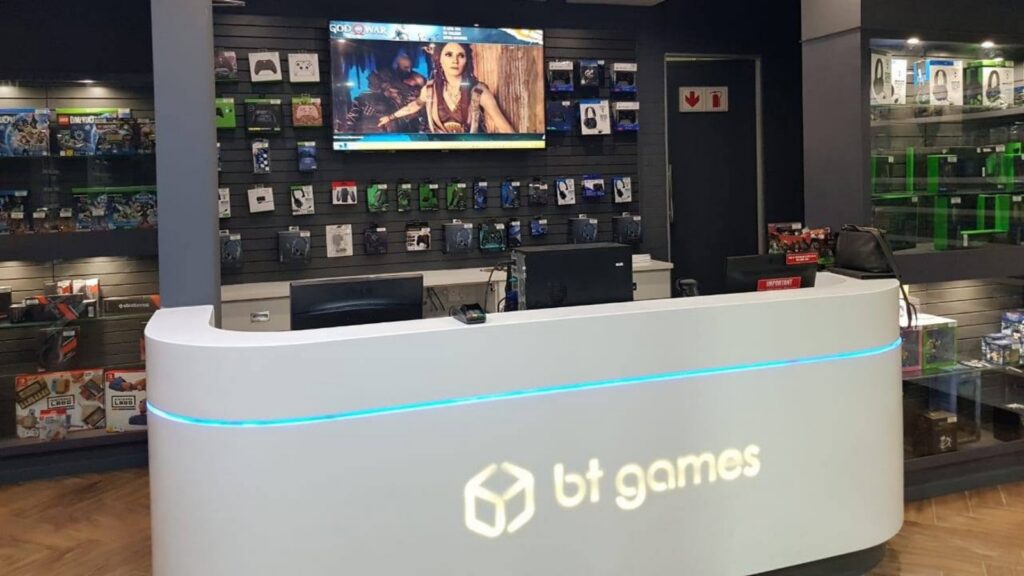
Brick-and-mortar stores, such as BT Games and Game4U in South Africa, would be forced to change their product offerings to avoid complete closure.
These stores have already seen their product mixes diversify over the past few years as physical game sales have begun to decline.
BT Games, for example, began selling digital currency cards and video game merchandise, as well as peripherals and accessories for both PC and console, to go alongside its physical games.
The retailer also sells digital game download codes directly through its online storefront, a move which director Laura Bagnall told MyBroadband in 2020 was unlikely to happen.
“I don’t believe we will venture into selling game downloads, as the sale of digital currency already caters for this,” Bagnall said at the time.






Comments