You don’t need a sea view to benefit from KZN’s property boom


Anyone who has spent a rainy week in Ballito knows how quickly a beach holiday can become an expensive tour of the local shopping centres. By day three, even finding a different parking spot starts to feel like an outing.
A photograph from that week would hardly sell the North Coast. Grey skies, empty beaches and very little reason to unpack the sunscreen. But it would be an equally poor picture of what’s happening in the region.
A different picture of the North Coast
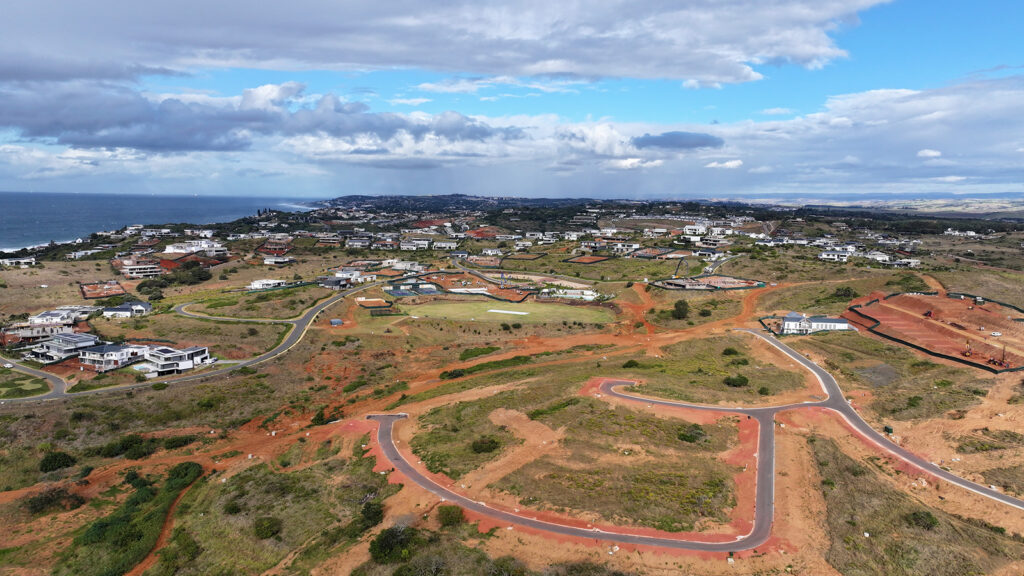
Look beyond the weather and the coastline tells a different story. Residential estates are expanding, new roads are being built, and schools and other amenities are taking shape. KwaDukuza, the municipality that includes Ballito and Salt Rock, accounted for just over 28% of all building plans passed in KwaZulu-Natal during 2024 and 2025. A decade earlier, that figure was around 15%.
It’s a region attracting serious development activity, and with that comes an opportunity that extends beyond owning a piece of coastal property.
Before developers can advertise luxury homes and hand over keys, they need to build roads, install services and establish the infrastructure that makes entire communities possible. That requires substantial capital, often long before the finished properties are ready for occupation.
And while property buyers might be looking for the next desirable address, specialist financiers are looking at something different: the businesses behind these developments, the assets supporting them and the capital required to keep projects moving.
Financing the next phase of growth
It’s an opportunity Fedgroup recognised on the KZN North Coast.
In February 2026, Fedgroup concluded a senior debt refinancing facility exceeding R1 billion to support the continued development of Seaton and Lalela Estates, two major residential developments by Collins Residential.
The financing consolidated existing debt into a single facility, providing the developer with the capital needed to progress roads, utilities, amenities and other infrastructure across more than 430 hectares. It also supports the development of Seaton House school.
What makes the transaction interesting is how the financing has evolved alongside the development.
By then, the development had progressed and its financing requirements had changed. Fedgroup was able to structure a new facility around the next stage of growth, with the transaction completed in under four months.
This is private credit in practice.
Rather than buying the properties being developed, specialist lenders provide the capital that businesses need to grow. The borrower receives funding, while the lender earns interest according to the agreed terms.
It creates a different way of participating in economic activity. Property owners may earn rental income or benefit from rising values, while lenders earn their returns by financing the businesses and developments behind those assets.
Why the underlying assets matter
But the distinction goes further than simply who provides the money.
Private credit is sometimes perceived as particularly risky because it operates outside traditional banking and public debt markets. Yet not every private credit arrangement carries the same risks, and the nature of the underlying lending matters enormously.
Fedgroup’s approach focuses on asset-backed finance, where lending is supported by tangible assets such as property, machinery, agricultural assets or energy infrastructure.
These assets can provide security if a borrower cannot meet its repayment obligations. That doesn’t make the investment risk-free. Asset values can change, businesses can encounter financial difficulties and recovering outstanding loans can take time.
However, it means that the lender can assess more than a business’s growth ambitions. The quality and value of the underlying assets, the borrower’s ability to generate income and the structure of the loan all contribute to understanding and managing the risks.
This is where specialist knowledge becomes important. Recognising an opportunity requires more than identifying a growing industry. It means understanding the businesses operating within it, the assets they own and how financing can support their growth without taking unnecessary risks.
An opportunity beyond property ownership
For retail investors, private credit offers another asset class worth understanding. Through suitable investment structures, individuals may be able to gain exposure to lending opportunities traditionally associated with larger institutions, without having to finance an entire development or purchase the underlying assets themselves.
As with any investment, the potential returns need to be considered alongside the risks, particularly the quality of the underlying loans, their security and any restrictions on accessing invested capital.
The bigger lesson from KZN’s North Coast is that economic growth creates opportunities for more than the people buying the finished properties.
Behind the new homes and expanding communities are businesses putting capital to work, and specialist lenders helping them do it.
The holiday photographs might make the region look attractive, but they don’t tell you much about the economic activity making its growth possible. And sometimes, the most interesting opportunity isn’t the one with the best view.