The iconic South African product that survived a shipwreck and is now in nearly every house in the country


Mrs H.S. Ball’s Chutney has been a staple in South African pantries for nearly a century, made with a secret recipe that was nearly lost in a shipwreck in 1852.
Today, the iconic brand is owned by South Africa’s largest food producer, Tiger Brands, which has big plans to scale up production of the country’s most beloved chutney.
Mrs H.S. Ball’s Chutney was created by the Ball family, whose crest can still be seen on the product’s bottles today.
The original recipe for the chutney dates back to 1852, when the SS Quanza was shipwrecked off East London, South Africa, while it was en route from Canada to Australia.
Thankfully, the ship’s captain, Adkins, and his wife saved a blueprint for what would later become one of South Africa’s most distinctive and beloved culinary icons.
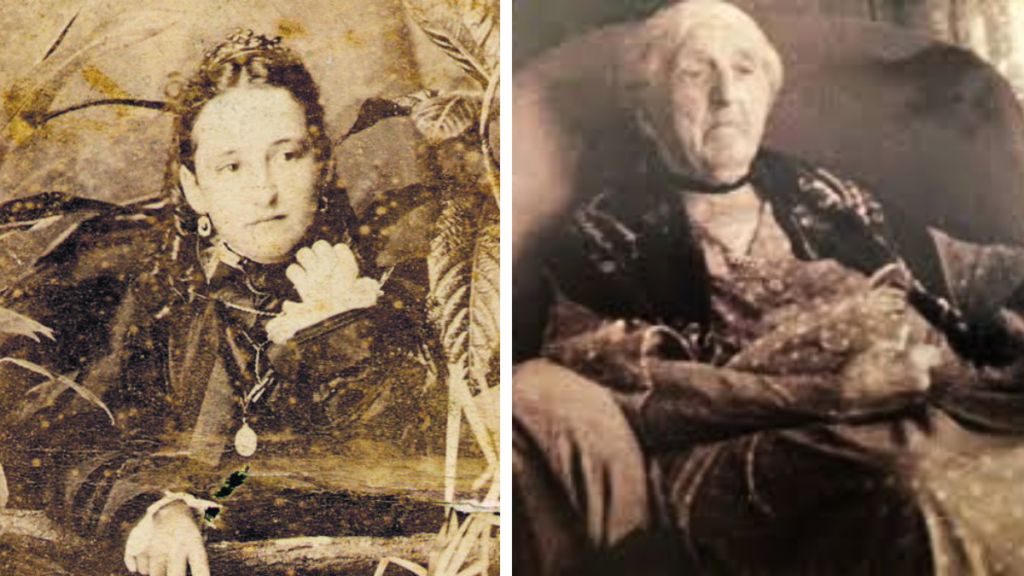
This secret recipe was passed on to their daughter, Amelia, in 1865, who went on to marry Herbert Sandleton Ball. They moved to Johannesburg shortly after.
In 1914, South Africa saw a growing demand for wholesome, piquant, and fruity flavours – creating the perfect opportunity to present a chutney to the market.
Amelia experimented with the recipe passed down from her parents until she perfected it and was ready to introduce it to the public.
This introduction started slowly, with Amelia initially only selling her chutney at church bazaars and markets.
However, this would not last long, as her customers increased and started demanding more.
Thus, Amelia and her husband started to produce the chutney from their home kitchen, creating a makeshift production line to keep up with demand.
This would not last long either, as the product’s popularity grew rapidly, and they soon had to expand to a factory, which opened in Woodstock in 1917.
As the years went on, Mrs H.S. Ball’s Chutney continued to go from strength to strength, and today finds itself among South Africa’s most iconic brands – and in nearly every kitchen in the country.
Tiger Brands’ grand plans

One of the most notable developments in Mrs H.S. Ball’s Chutney’s history happened in April 2013, when the brand was acquired by Tiger Brands.
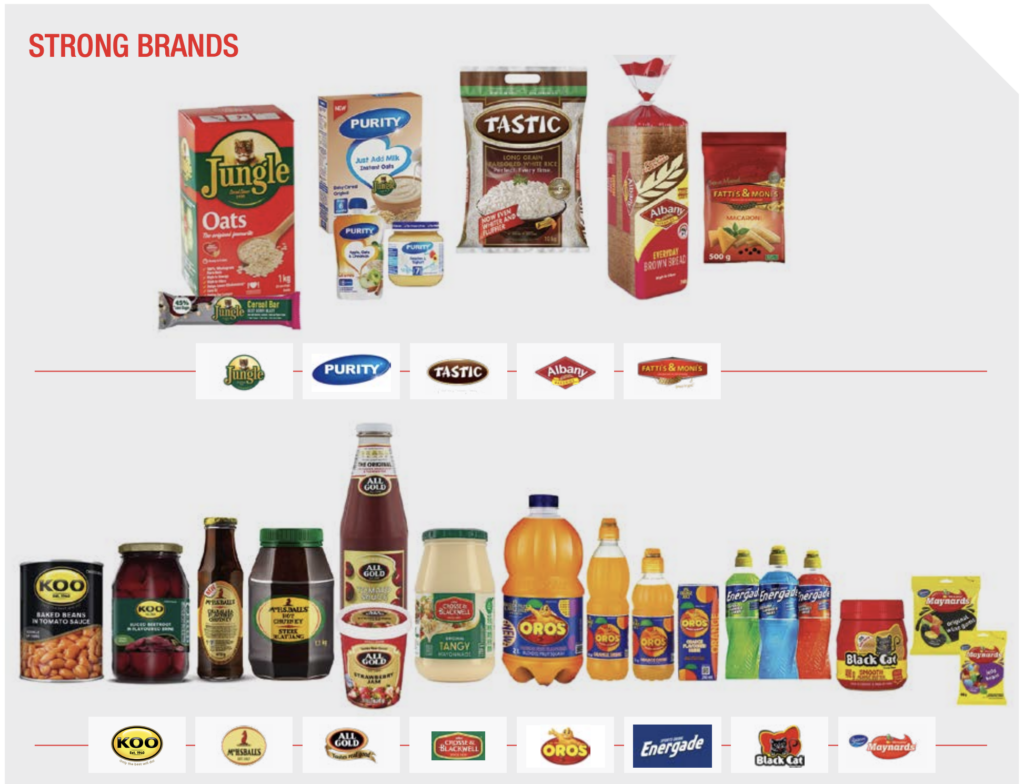
Since then, Mrs H.S. Ball’s Chutney has been part of Tiger Brands’ impressive portfolio of iconic South African brands, which includes All Gold, KOO, Black Cat, Jungle Oats, Albany, Tastic, and Purity.
In its latest Interim Results Presentation for the six months through March 2026, Tiger Brands shared that it has big plans for the production of Mrs H.S. Ball’s Chutney.
These plans relate to Tiger Brands’ new mega-factory development in Paarl in the Western Cape.
The food producer giant has spent the past few years completing an R120 million upgrade to its Paarl factory, with the site officially reopened earlier in 2026.
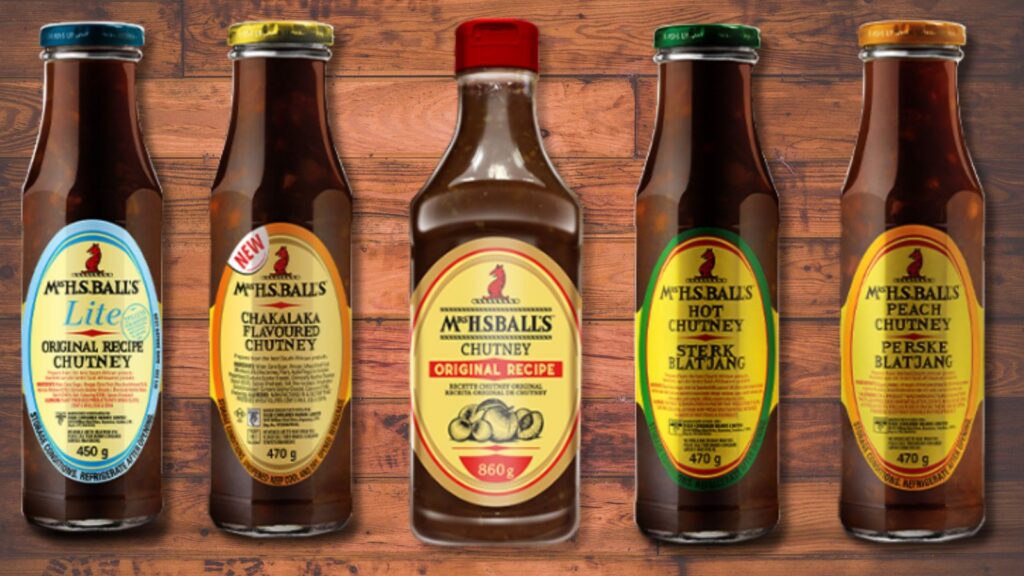
This R120 million upgrade will see the Paarl factory produce iconic products like All Gold tomato sauce, Black Cat peanut butter, and Mrs H.S. Ball’s Chutney.
In its interim results presentation, Tiger Brands said the commercial production of chutney at the revamped Paarl factory is on track to start in July 2026.
This, alongside Tiger Brands’ construction of a “super bakery” in the East Rand, forms part of the company’s manufacturing consolidation process.
The process of making its manufacturing hubs larger and more efficient has been a top priority since CEO Tjaart Kruger took over in November 2023.
Tiger Brands is seeking to consolidate its previously disjointed facilities across the country into larger “mega” sites.
In a recent interview with Daily Investor, Kruger described this process as changing parts of the aeroplane while it is in the air, which requires significant investment and time to get right.
However, if the company gets it right, the efficiency gains from economies of scale will keep capital efficiency rising.
This will also significantly improve and expand the production of iconic products like Mrs H.S. Ball’s Chutney, allowing them to remain in kitchens across the country for years to come.
Mrs H.S. Ball’s Chutney





Comments