International coffee giant backed by George Clooney quietly taking over South Africa


Nespresso South Africa, operated by the local arm of Nestlé, has quietly expanded its operations in the country through dedicated logistics hubs in key metros.
What was once a product imported and distributed solely by a private third-party has now been brought in-house at Nestlé South Africa.
This is naturally an effort to leverage economies of scale, with Nestlé’s local arm looking to bring its size to bear on the coffee market, which has become highly competitive with the launch of speciality coffee chains.
Nestlé has been operating in South Africa since 1916 and has factories around the country producing condensed milk, baby formula, and Maggi’s famous 2-minute noodles, among others.
With regard to coffee, the company has gradually expanded its local operations in recent years, with it more recently producing Nescafé’s instant sacheted coffee in South Africa.
In contrast to this manufacturing base, Nespresso has expanded largely as a direct-to-consumer brand through its boutiques across the country.
Nespresso first entered the local market in 2007 through an exclusive distribution agreement with Top Coffee, which steadily built out the Nespresso Club and the brand’s retail presence.
The first boutique opened in 2011, with the brand riding the wave of popularity of espresso-based coffee drinks.
Nespresso expanded rapidly and has augmented its local operations with recycling initiatives with Oricol and a dedicated mobile app.
It has also partnered with retailers and corporates to offer Nespresso Coffee Experiences at select locations.
Now, Nespresso South Africa is looking to leverage scale to continue its growth in South Africa, with Nestlé bringing its operations in-house.
Nestlé Nespresso South Africa head of operations Josua Nell has documented the expansion of the company’s logistics network in the country.
In social media posts, Nell has outlined Nespresso’s development of a local logistics network enabling it to meet increased consumer demand and bring its scale to bear on the South African coffee market.
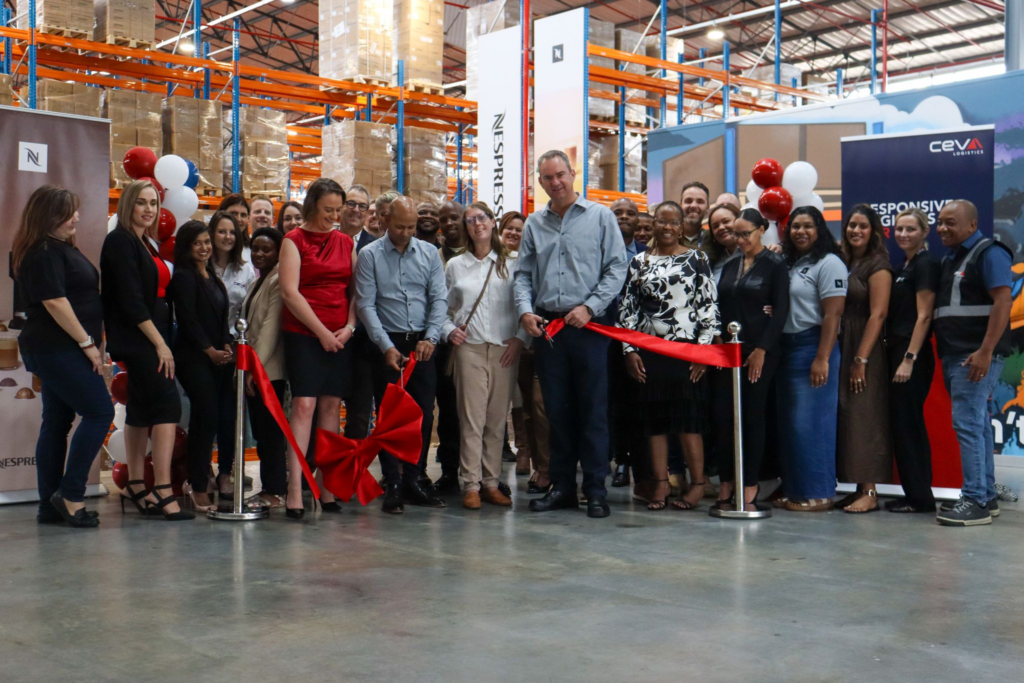
Nell has recently celebrated the launch of a dedicated eCommerce fulfilment site in Cape Town, focused on coffee and accessories.
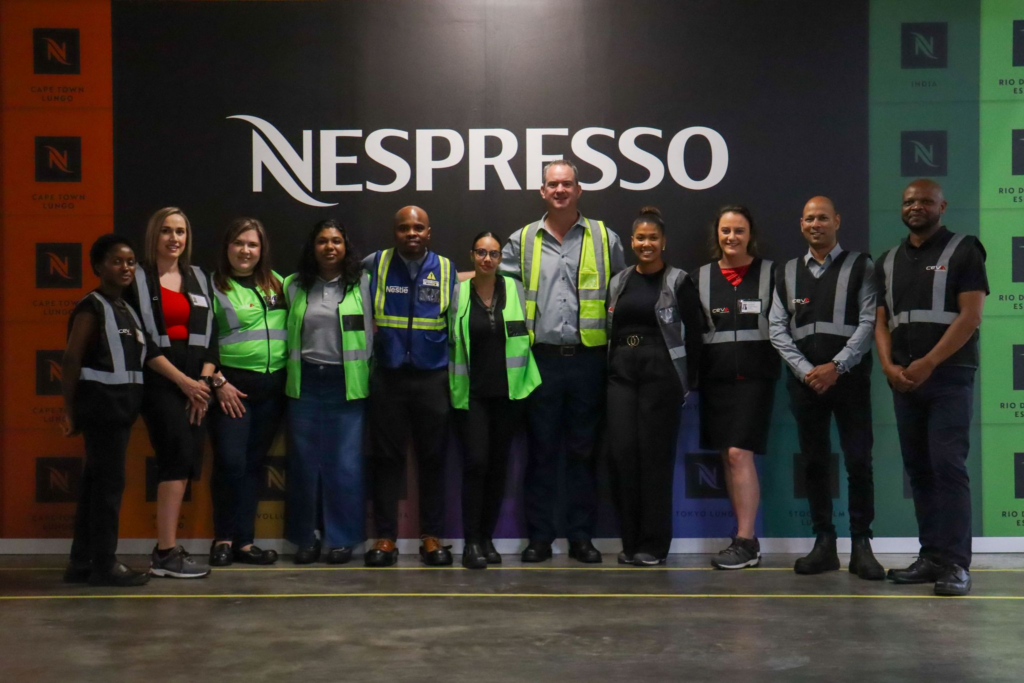
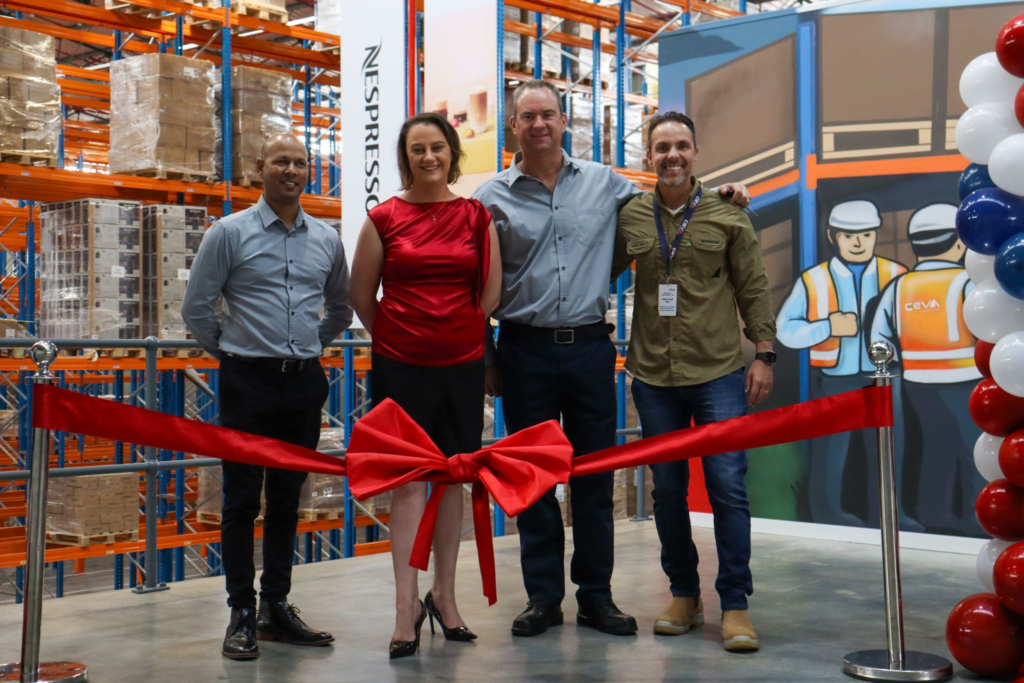
This was followed by the company going live with its partnership with CEVA Logistics in Johannesburg, which is now managing its full portfolio.
“Proud to have led this transition — from network design through to execution — enabling a more scalable, customer-focused operation and shorter lead times,” Nell said.
He explained that this journey began in June 2024 and has now come to life through the partnership.
Nespresso’s march across the globe
In contrast to its parent company, Nespresso is a relatively young business, having been launched just forty years ago.
Its growth has been rapid, with its iconic advertisements featuring George Clooney being visible in almost every major city around the world.
Clooney has been recently coupled with other celebrities in more recent advertising campaigns, including The Weeknd and Dua Lipa.
However, Clooney has been more than a brand ambassador since 2006. He has reportedly held an equity stake in Nespresso since 2013 and serves on the company’s Sustainability Advisory Board.
Nespresso’s real secret lies in a decade of experimentation and invention from 1975 to 1985, when Nestlé engineers visited cafés across Italy to study espresso-based coffees.
In particular, engineer Eric Favre visited the popular Caffè Sant’Eustachio in Rome and saw baristas repeatedly pumping machine levers to aerate the coffee to create the crema on top.
Favre then spent years developing a system to replicate the aeration process at home using a pressurised capsule, with the first patent being filed in 1976.
Nespresso was formally launched as a Nestlé subsidiary in 1986 with only five employees. The first system was launched in Japan, Italy, and Switzerland.
Targeting the office and business market, the initial launch was a flop as the machines were expensive and complex, leading to repeated breakdowns.
This forced Nespresso to shift focus, with CEO Jean-Paul Gaillard pivoting the brand to the consumer market, positioning the brand as a vital part of the high-end luxury lifestyle.
The pivot came along with the Nespresso Club in 1989 to foster exclusivity and direct customer relationships. While successful, this pivot was not immediately profitable.
Nespresso only reached financial break-even in 1995, two decades after Favre’s trip to Rome, and opened its first flagship boutique in Paris in 2000.
This was yet another pivot, this time away from online/mail-order to an immersive physical experience.
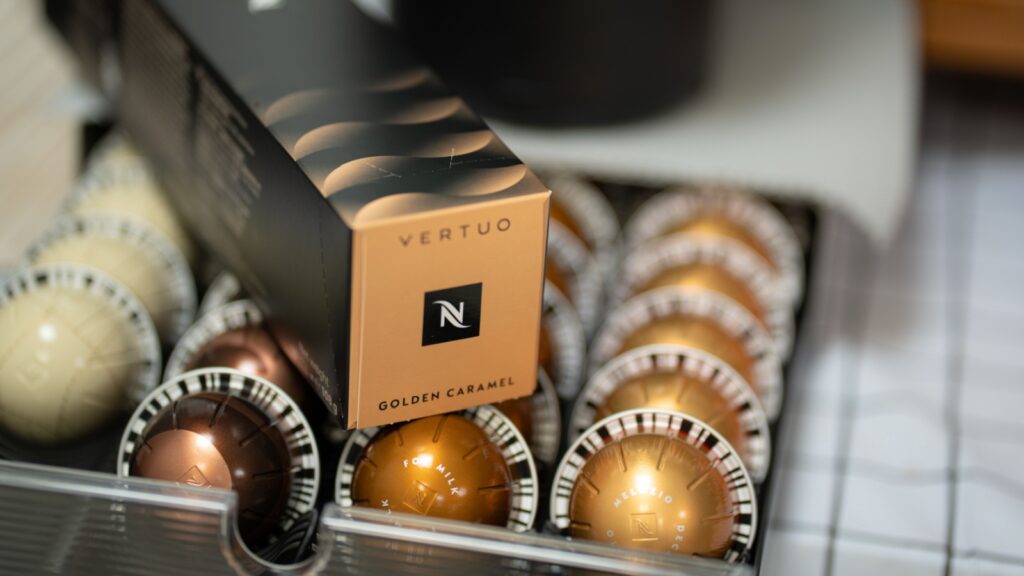
Innovation did not stop when the company was profitable, with it launching the Vertuo System in 2014 to use centrifusion technology to cater to North American preferences for larger cup sizes.
Nespresso now has over 800 boutiques worldwide in around 80 countries, with it roasting and manufacturing coffee capsules in Switzerland.
Nespresso’s expansion in South Africa



Comments