From selling trout in a wooden stall to founding one of South Africa’s most popular petrol stations


Wimcar Cilliers went from running a wooden roadside stall to founding Millys Country Trout Stall, one of the most popular roadside stops along the N4.
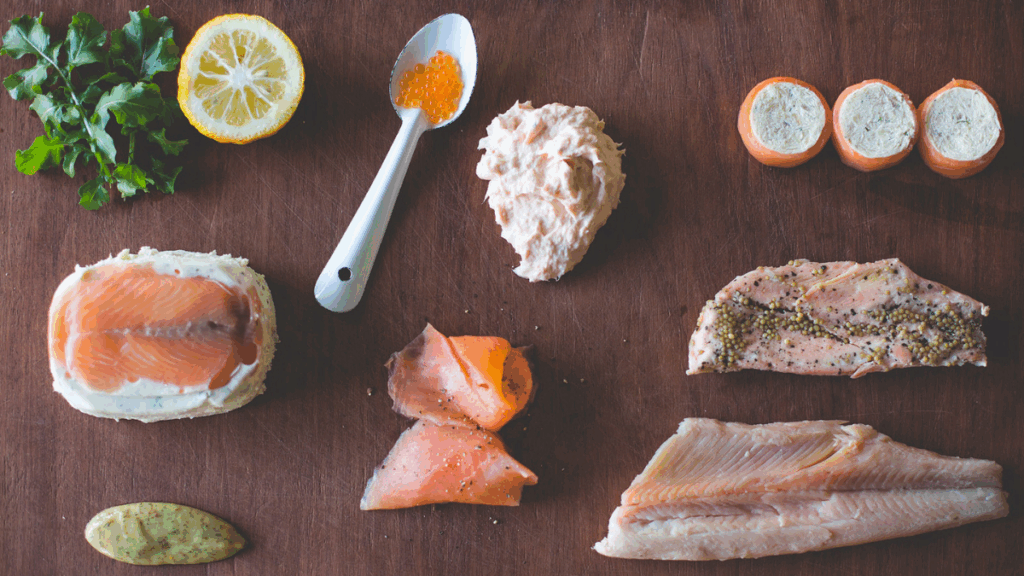
Today, Milly’s is a beloved stopover well known for its trout, but the business has endured many challenges, including a devastating fire, to get to this point.
Wimcar Cilliers worked as an engineer at a Pretoria firm for three years, and after designing the cable car at Harties, he decided it was time to find a new challenge.
So, he set off to the Lowveld, where he built a holiday home on his father’s farm outside Nelspruit. Here, Cilliers met Sophie Venter, who was advertising a new business that let people fish on their trout farm for a fee.
This was a strange concept at the time, since anyone could fish for free anywhere in the old Transvaal. However, this sparked an idea within Cilliers, who followed Venter’s lead. In 1973, Cilliers established a trout farm.
This was a big undertaking, as he had to build a dam, a small production plant, and floating cages where trout would be produced for the food market.
The marketing of trout in those early years posed significant challenges, since the food market was mainly in Pretoria and Johannesburg.
This meant that, in order to supply hotels and restaurants with fresh trout, the fish had to be caught from midnight on Thursdays and driven into the city early in the morning.
One night while camping in a small tent next to the waterfall with his two dogs, Cilliers thought of a plan to sell his trout at a closer market. The idea was to set up a road stall next to the N4 close to Machadodorp and sell his trout there.
Building the business
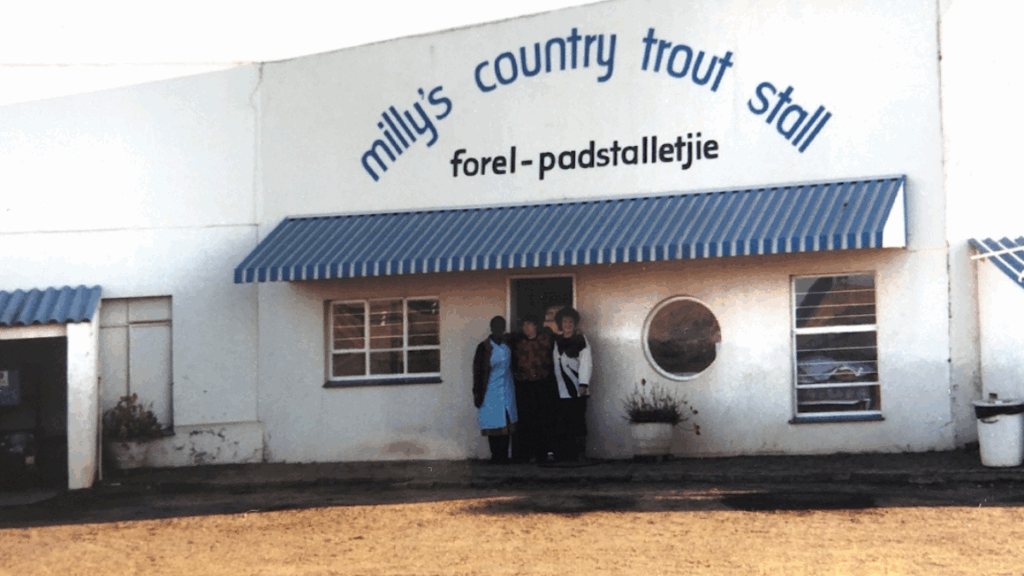
There was just one problem with Cilliers’ idea. At the time, there was a condition that products sold at a road stall had to be produced on the farm where they were sold.
That meant Cilliers had to find a place and build his trout farm on the same grounds. So, he set off to find a different location.
He managed to find a location very close to Machadodorp, which he leased for R10 a month. And so, Cilliers once again started construction on his trout farm.
During the building process, he met Milly, the daughter of the woman who sold him sand and rock, and the woman who later became the business’s namesake.
Milly and Cilliers shared a business sense, and she quickly bought into his roadside trout shop idea. It wasn’t long before the pair were married.
Eventually, Cilliers’ wooden roadside stall was erected close to the present Total garage near Machadodorp on the N4.
The business was not lavish. It only really had a fridge, and the women working on the farm carried the freshly caught trout to the stall in containers on their heads.
When their first motorist stopped at the stall, Cilliers hadn’t even decided on the price of the trout yet. So, he gave away my first trout for free.
It didn’t take long for the trout business to start growing. In fact, the idea of selling trout next to the N4 proved to be so successful that, within a few years, as many as 22 trout stalls along the highway were in business.
While most of them have closed down since, Cilliers’ business remained steadfast. Cillier also came up with an idea of how to get fresh trout to the city.
He approached the Machadodorp stationmaster and arranged to put boxes of freshly caught trout on the night train to Pretoria. At six o’clock the next morning, one of Cilliers’ friends received the shipments and delivered them to their clients.
However, while the growing trout market presented opportunities, it also brought new challenges. The fishing process and freezing facilities had to be expanded and adapted to accommodate increased demand.
The South African Bureau of Standards (SABS) also started setting standards, which meant that trout factories had to adapt their businesses accordingly.
Devastation hits
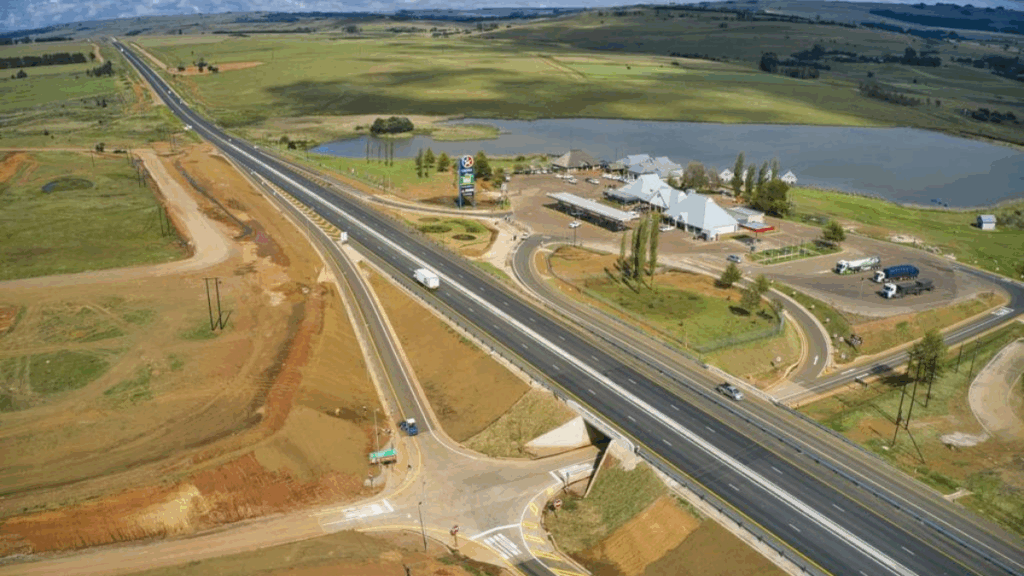
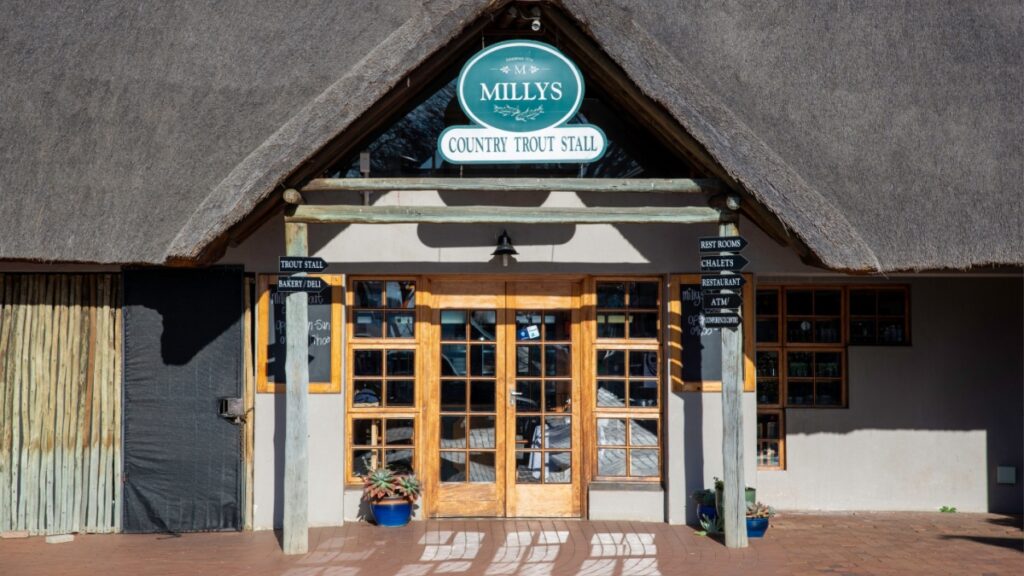
In 1979, the family purchased a 35-hectare farm right next to the N4 at auction. An unused building was converted into a trout processing facility, a new dam was built, and the wooden roadside stall was relocated and named Milly’s Country Trout Stall.
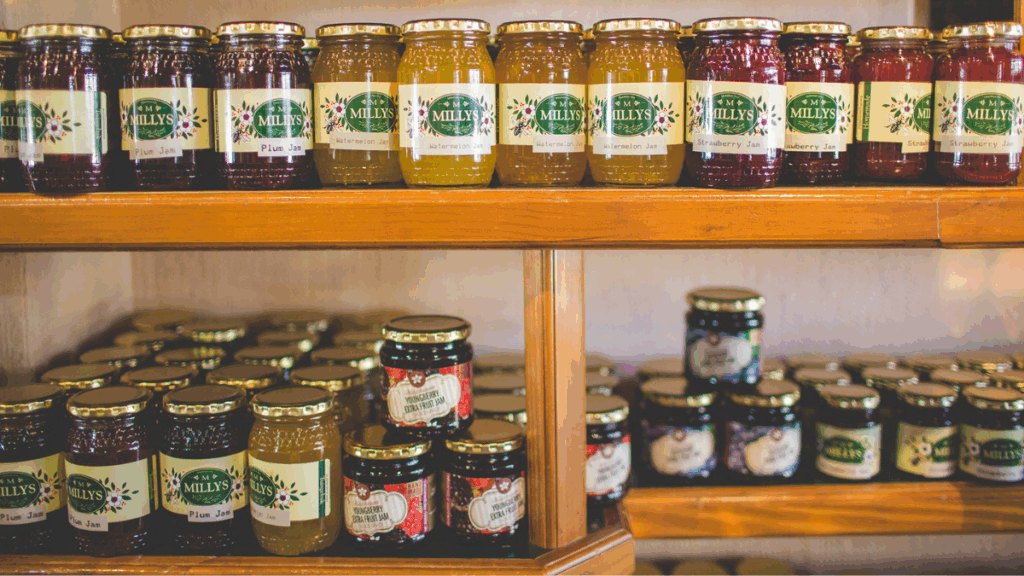
Trout products, coffee and homemade jams that Milly traded at the stall made it a popular stop along the N4.
Most of the jams, jellies and the famous Mediterranean chutney were made by Milly’s mother, Unice, who also looked after the stall for many years.
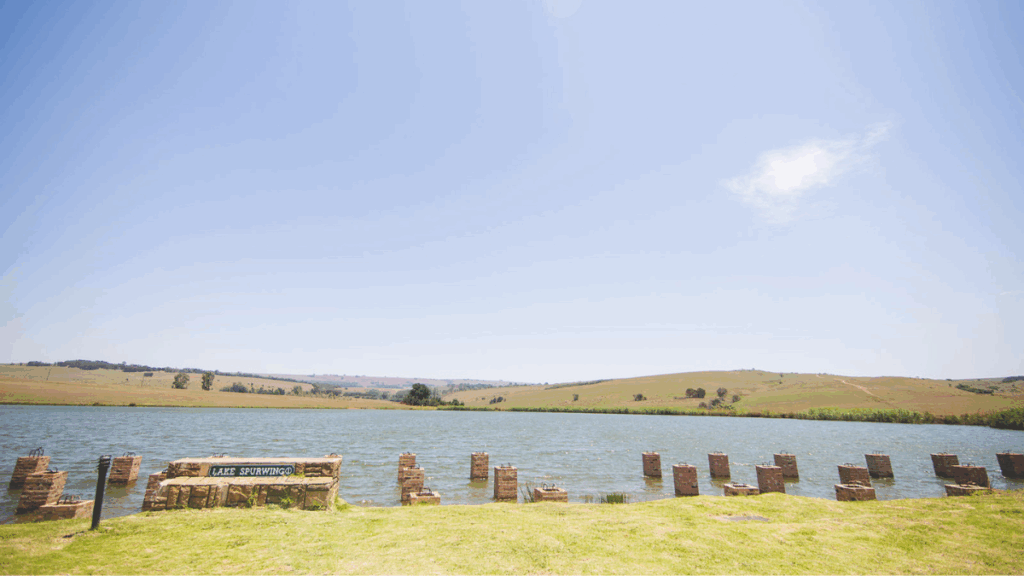
After the big dam was built in 1983, the family applied for stopover rights that included a filling station, resort and restaurant. These were granted in 1986.
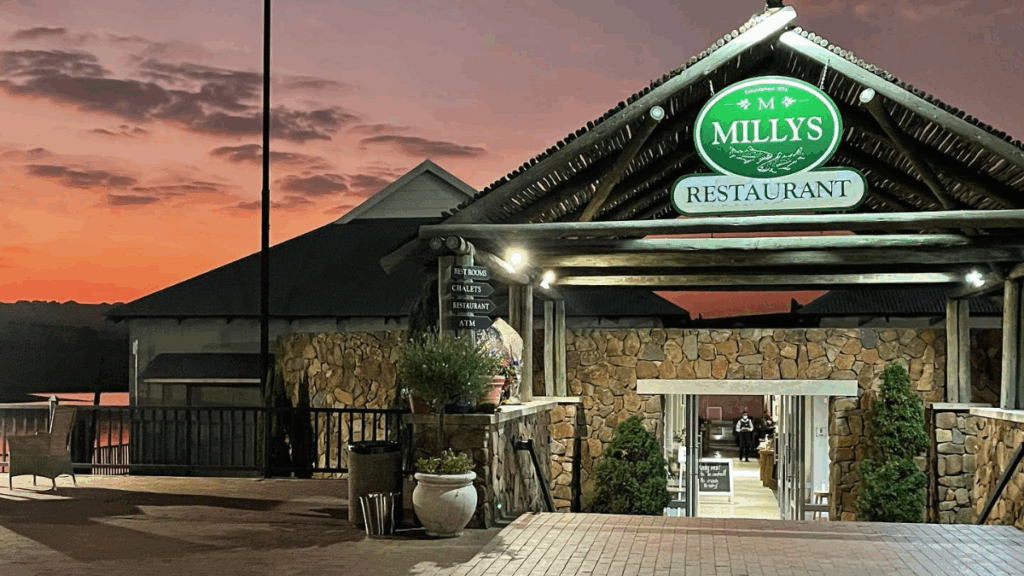
After many years of extensive negotiations and perseverance by Wimcar, Millys became a reality in 1997, and was opened by the then Premier of Mpumalanga, Matthews Phosa.
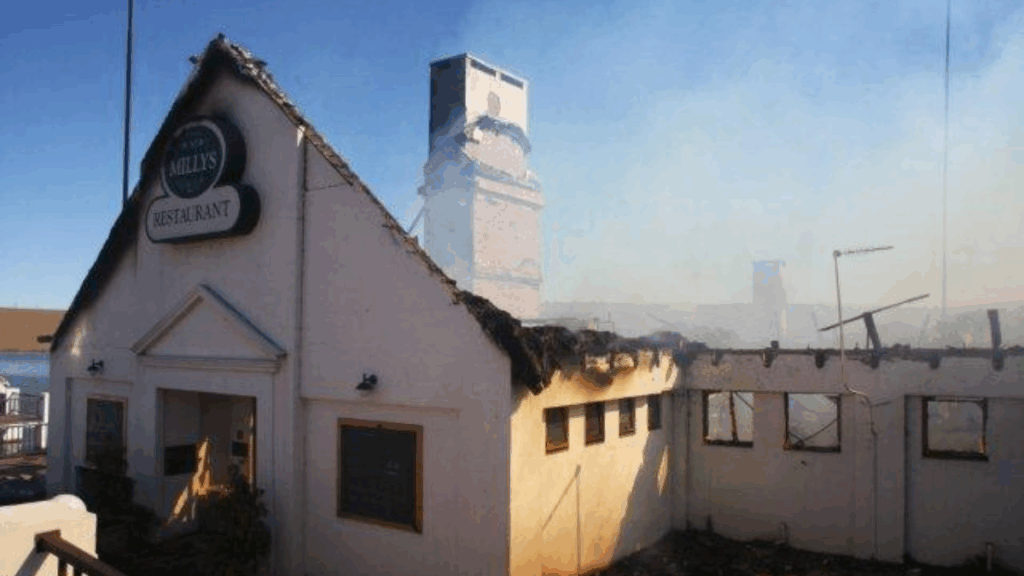
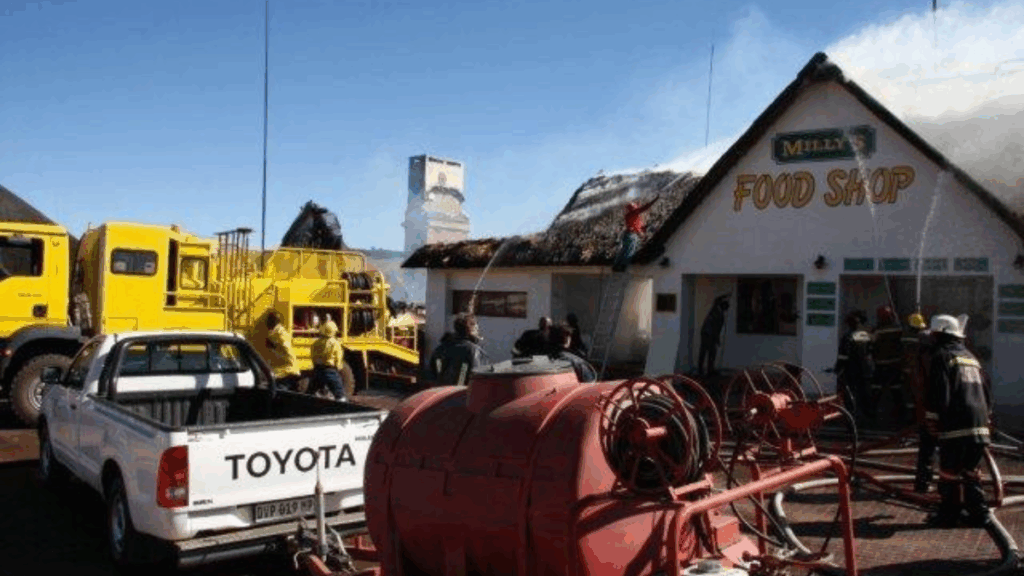
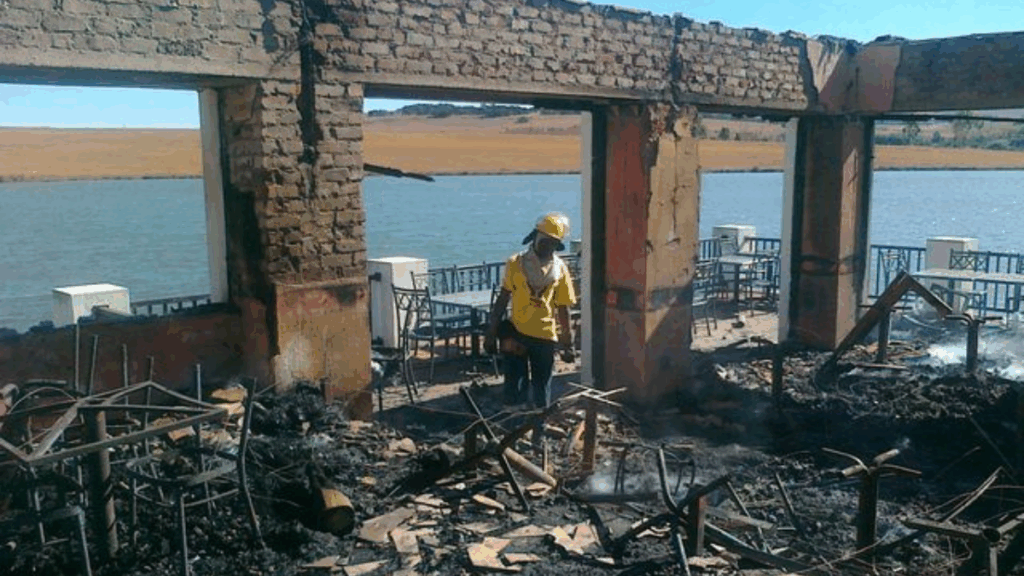
Unfortunately, the business fell on hard times in 2011, when a fire started in the restaurant, completely destroying it and the adjacent building. Fortunately, the Country Trout Stall, the Express eatery and petrol station were all untouched by the fire.
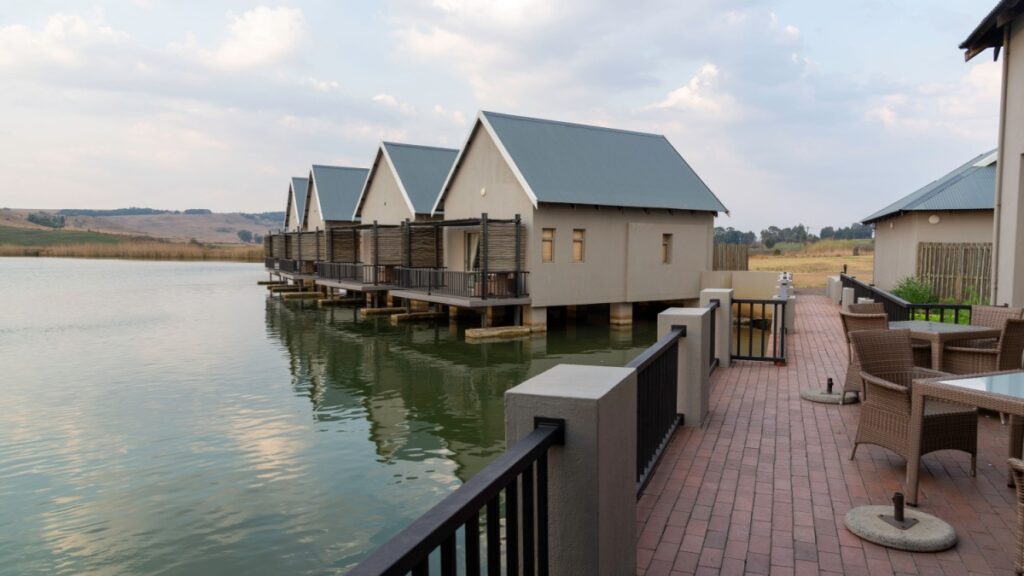
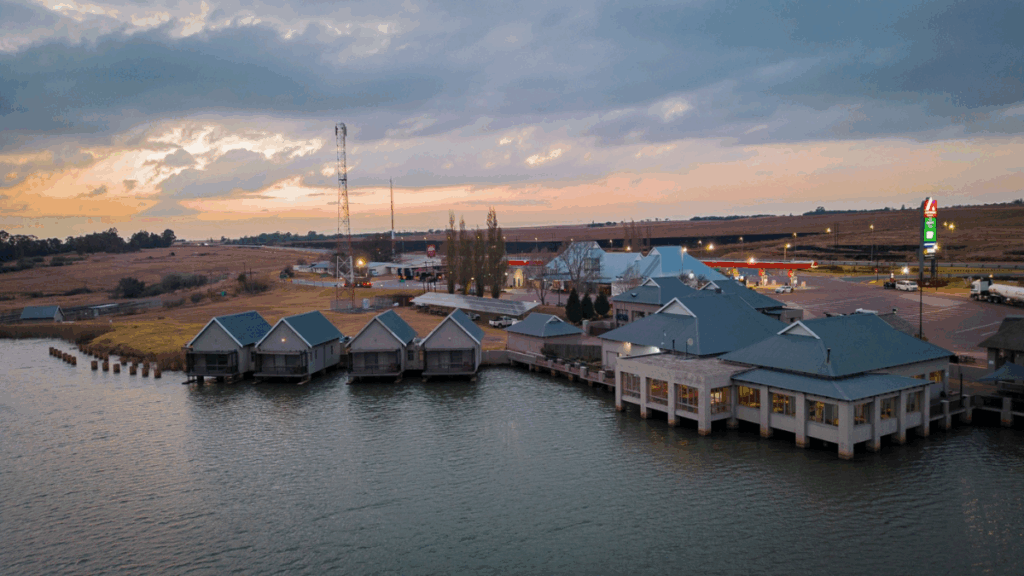
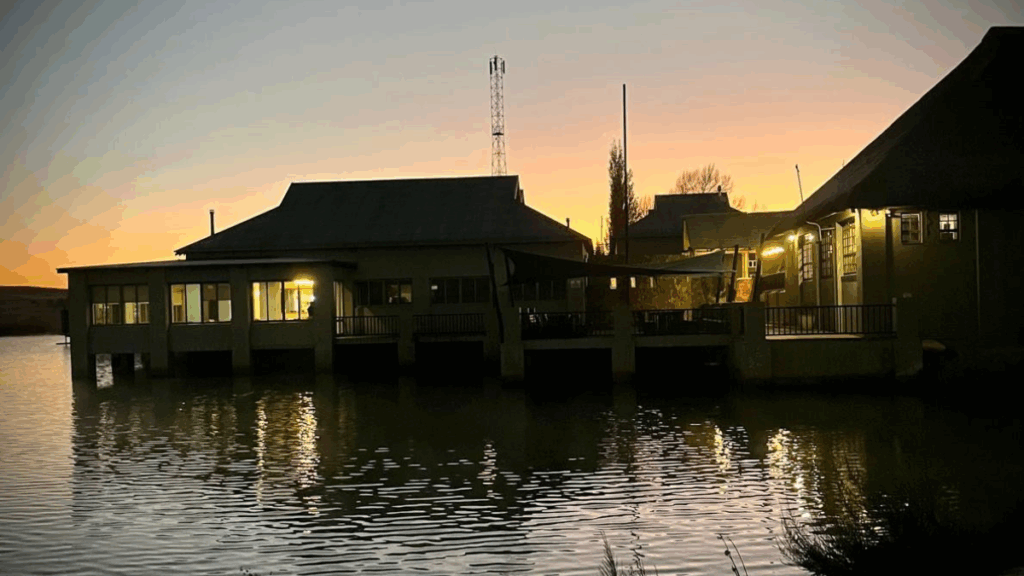
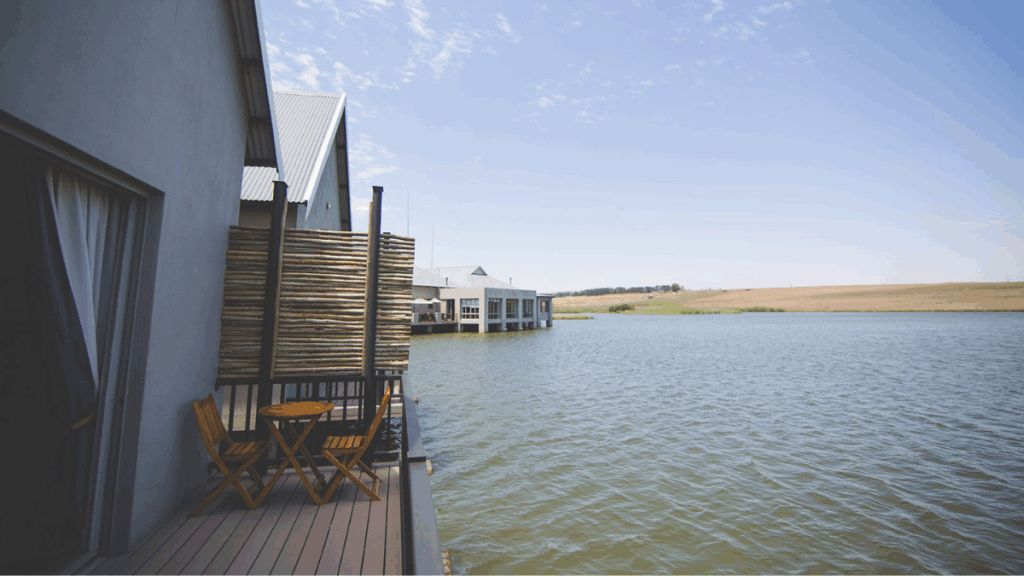
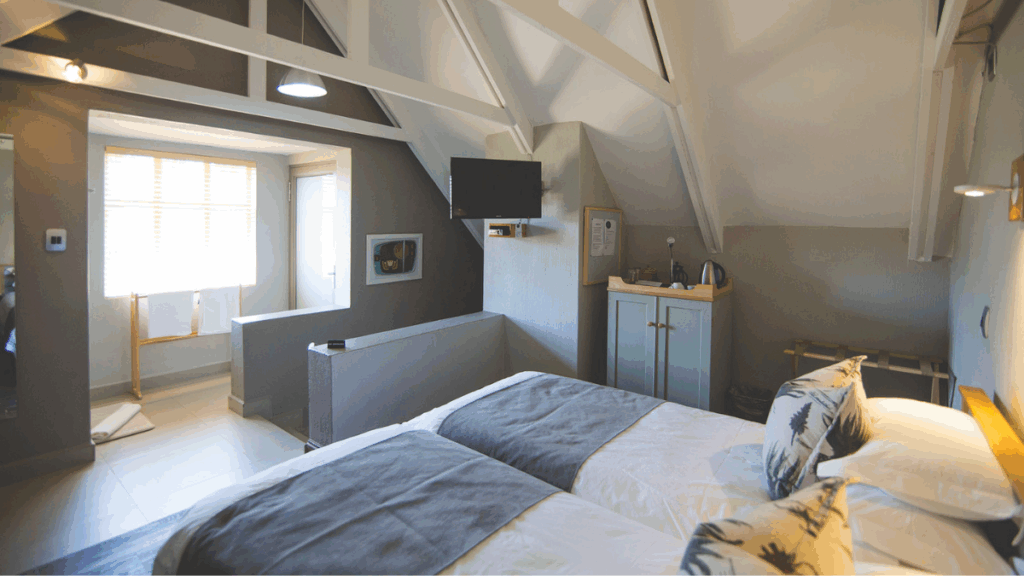
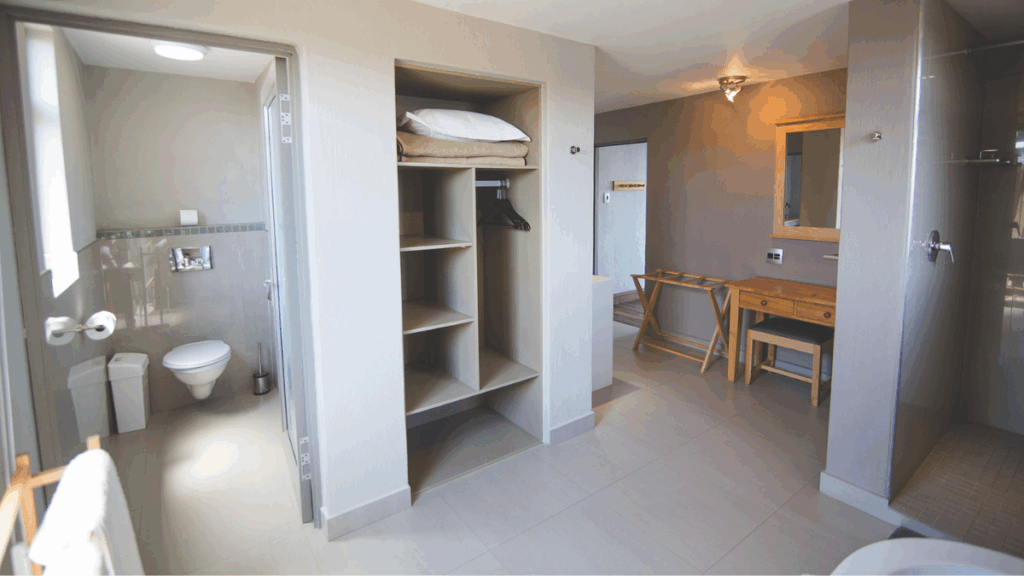
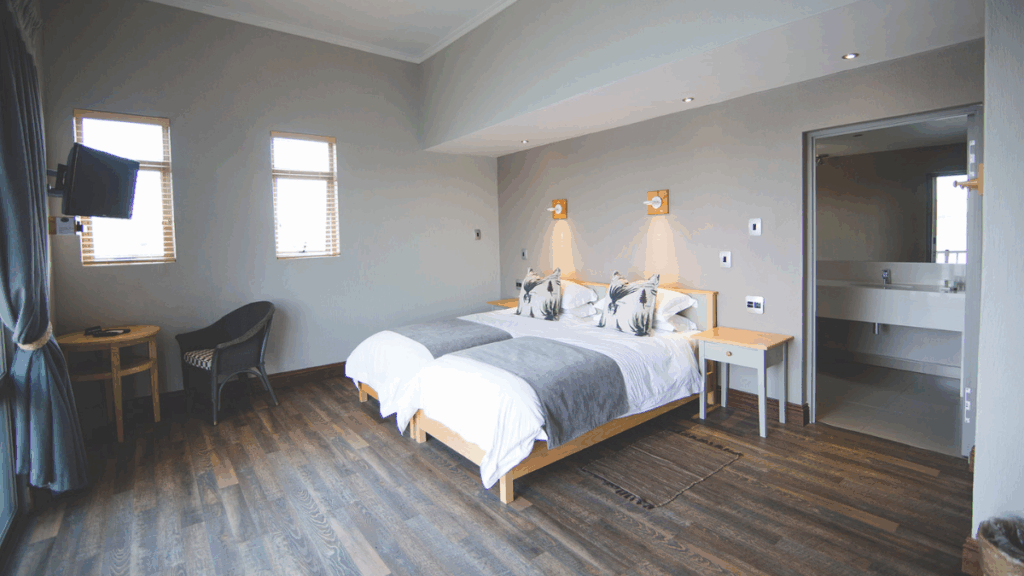
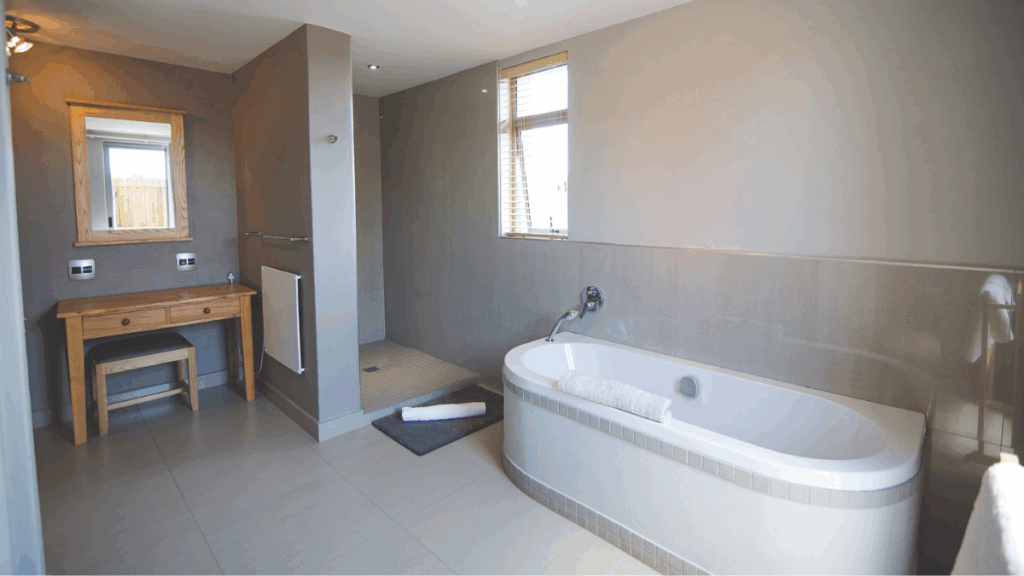
After months of rebuilding, Millys officially reopened for business in June 2012. The revamped Milly’s also featured a conference centre and overnight accommodation. Sadly, Milly passed away only two weeks after the reopening.
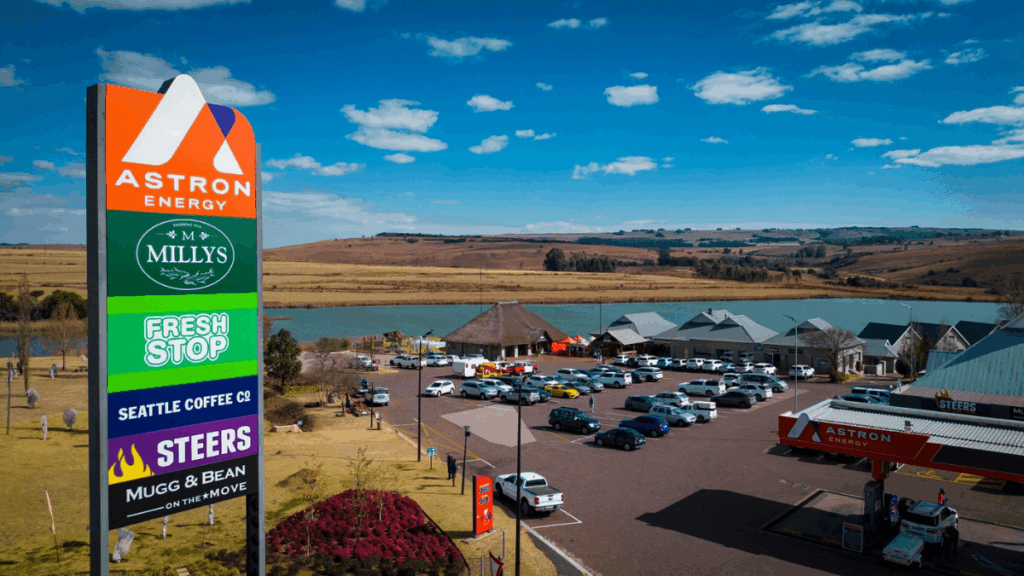
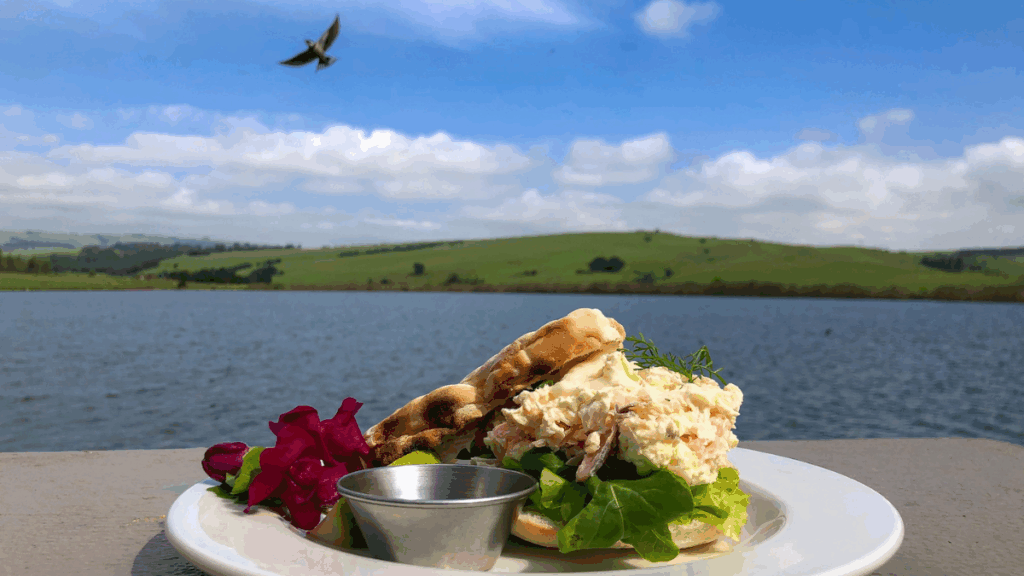
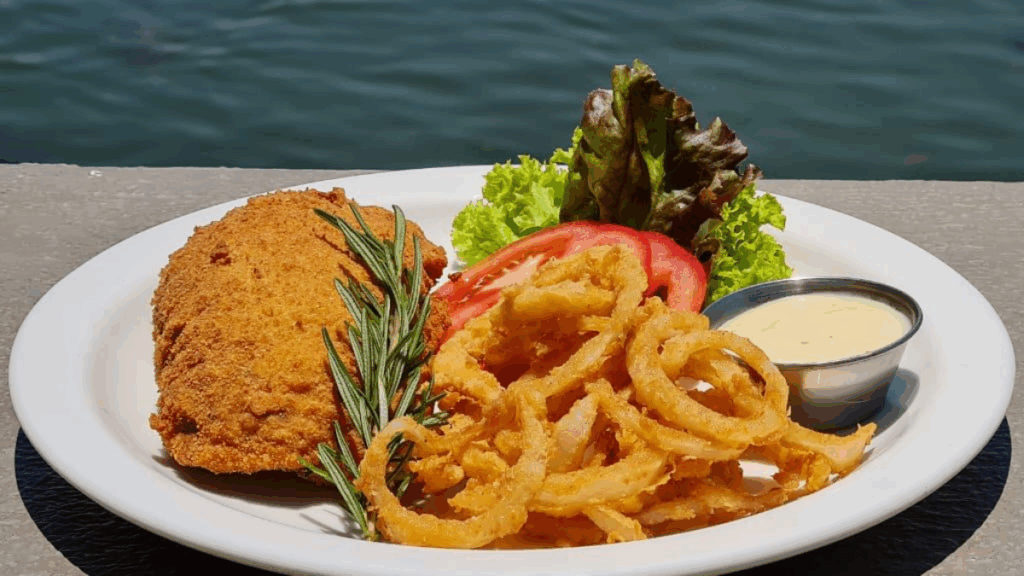
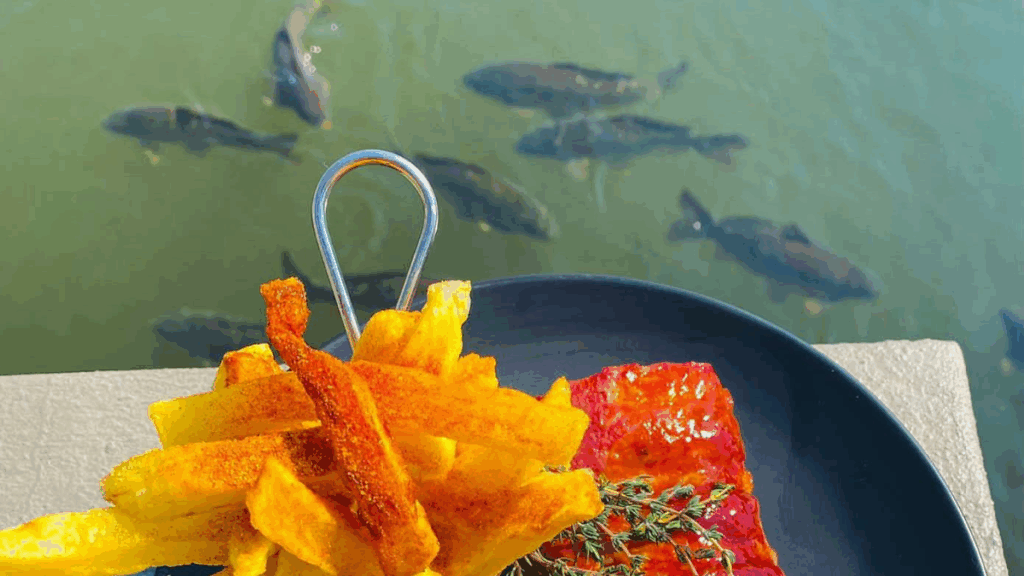
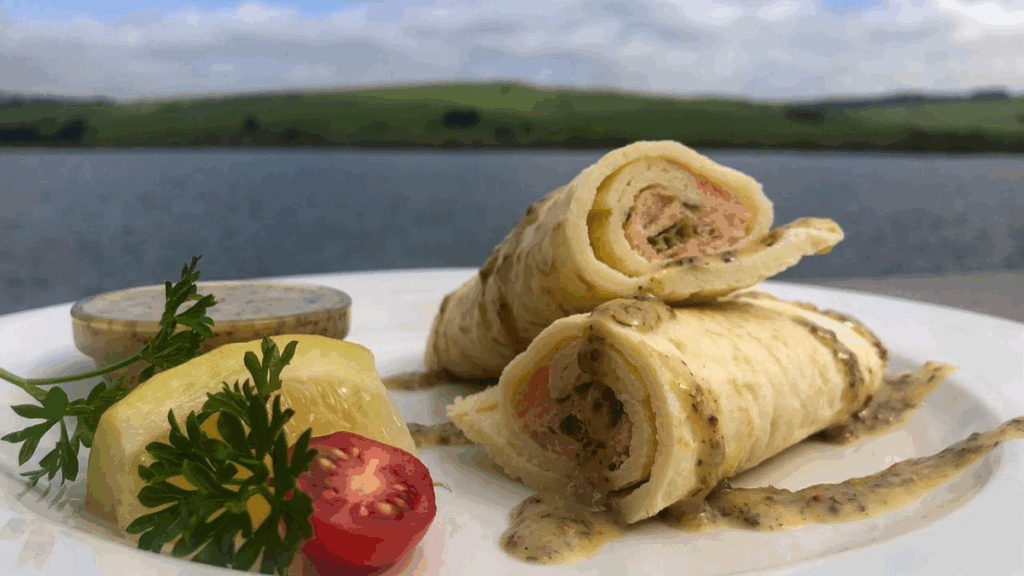
The Cilliers family remained in control of the business for years, until finally selling it in 2023, The Lowvelder reported. Today, Milly’s is still a key feature of the N4, famous for its trout pies, luxury accommodation, dam views and pastries.
Milly’s Country Trout Stall





Comments