South African industry worth over R200 billion


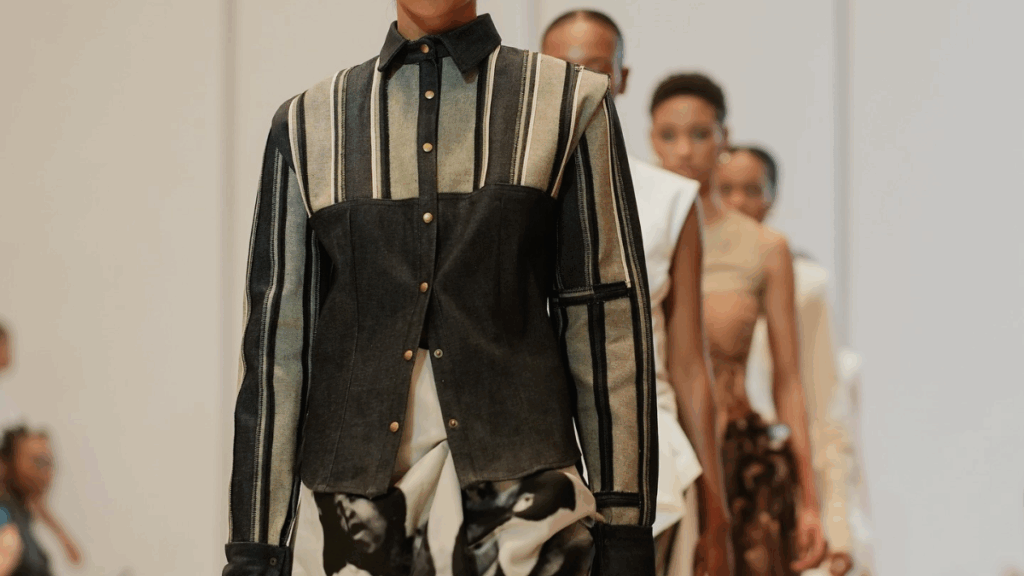
South Africa’s fashion industry is growing every year, anchored by the success of events like Fashion Week. However, local designers face challenges, especially as cheap imports are popular.
According to Euromonitor International research, South Africa has the leading apparel and footwear industry in sub-Saharan Africa (SSA).
The country’s industry was worth over $11 billion (R200.31 billion) in 2023 and recorded the highest growth rate in the region at 6%.
One of the most significant events on the local fashion calendar is Fashion Week, which is held twice a year in cities worldwide, including Paris, New York, and London.
South African Fashion Week (SAFW) hosted its spring/summer 2025 collection from 24 to 26 April in Hyde Park, Johannesburg.
“Fashion Week is a structured, seasonal marketing platform where designers present their upcoming collections to media, buyers, industry leaders, and the public,” Lucilla Booyzen, the Director of SA Fashion Week, told Daily Investor.
“It serves as a platform to debut trends, forecast market directions, and bridge the gap between creativity and commerce. It is both a cultural and economic driver for the fashion industry.”
SAFW was established in 1997 as the first and only business-to-business fashion platform on the continent, Booyzen explained.
The event was founded to support and elevate designer-led fashion and has consistently provided emerging and established designers with a professional platform to showcase their collections.
It also allows designers to grow their brands locally and internationally and connect with retailers, the media, and clients.
“SAFW has evolved from an annual event to a comprehensive fashion ecosystem that includes designer development programmes, retail partnerships, international collaborations, trade shows, and pop-up shops.”
“Over 500 designers have shown their bi-annual collections through 47 professionally produced seasons. SAFW is now recognised as Africa’s premier fashion event with global reach.”
Planning an event of this magnitude is no easy feat. According to Booyzen, it requires year-round coordination of designers, venues, show production, sponsorship, media, guest management, trade buyer engagement, and logistics.
Beyond the runway, SAFW curates competitions, workshops, pop-up stores, and a modelling contest called “The Face of Fashion.” They also organise showrooms to promote sustainability, skills development, and commercial readiness.
“The entire process is highly curated and strategically aligned with the broader goals of growing the creative fashion design industry, which was initiated by the SA Fashion Week.”
“Our byline has always been ‘The Business of Fashion’ – a reflection of our commitment to positioning creativity within a commercially sustainable and professionally structured industry.”
The local fashion industry
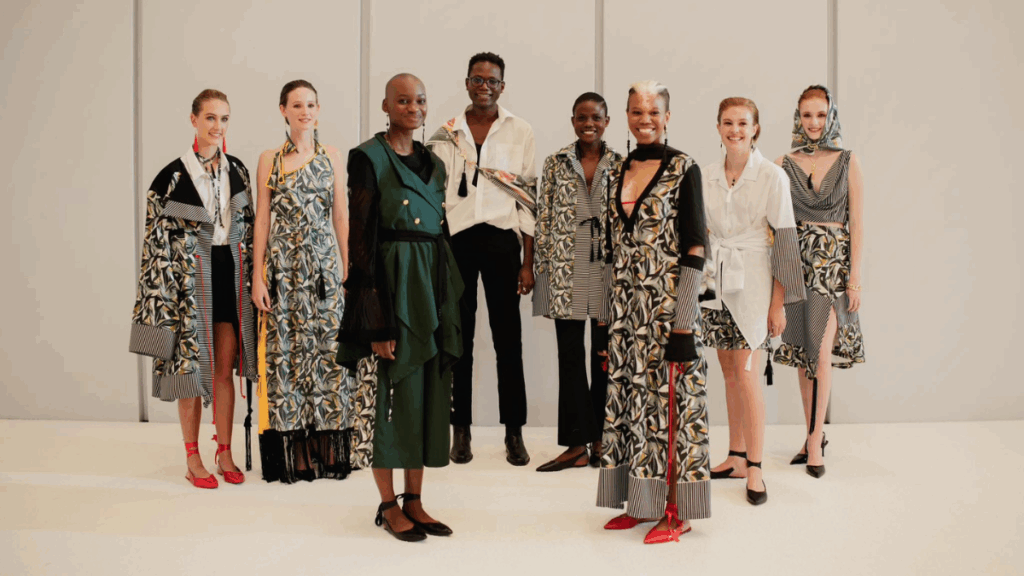
Booyzen explained that although the growth of SA Fashion Week and the industry is positive, it still faces obstacles. “The South African fashion industry is rich in creativity and cultural narrative but faces structural challenges.”
This includes limited manufacturing capacity, market fragmentation, and inconsistent retail support. Collectively, this constrains the ability of designers and fashion businesses to scale and thrive sustainably.
“However, there is a strong movement toward sustainable design, localisation, and digital innovation, which holds promise for future growth.”
Over recent years, there’s been a marked shift towards conscious fashion, ethical sourcing, and storytelling rooted in local identity.
“Designers are also more business-savvy, with a focus on building sustainable brands, not just seasonal collections,” Booyzen said.
“The impact of e-commerce, social media, and global competition has forced rapid adaptation, particularly among emerging designers.”
However, local designers still face a difficult environment. Key challenges include limited access to production facilities, fabrication, skillset of the value chain, lack of retail shelf space, rising input costs, and minimal government support.
“Additionally, navigating marketing, brand building, and consumer education on the value of local fashion remains an uphill battle for many.”
Fast fashion imports, such as those offered by Temu and Shein, have also significantly impacted local designers. They undercut local prices, dilute consumer awareness, and undermine sustainability efforts.
“These platforms promote overconsumption and place immense pressure on emerging designers who cannot compete on price alone.”
The road ahead
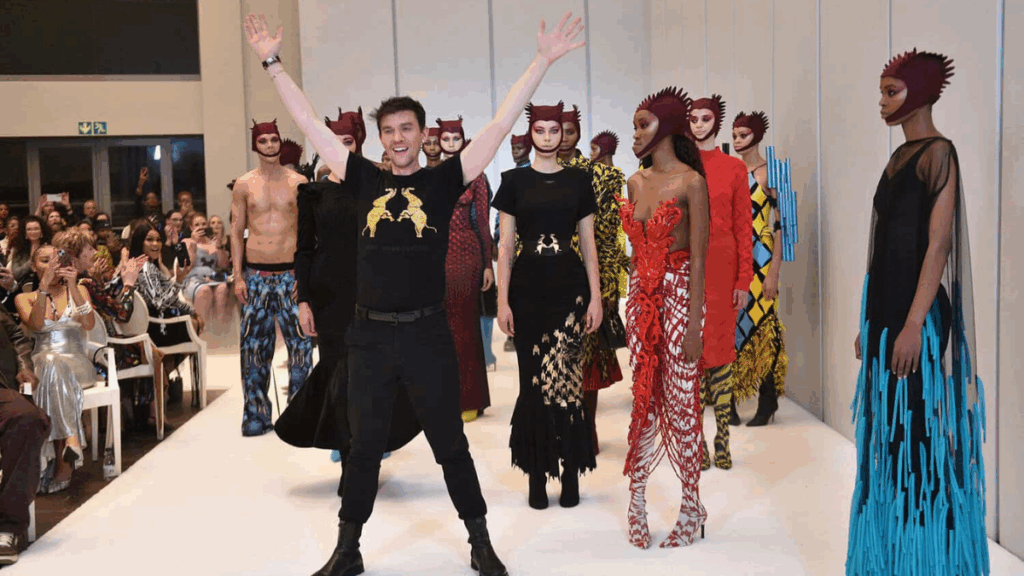
Booyzen urged consumers to look beyond cheap, imported clothing and recognise the broader impact of their purchasing decisions. She encouraged the public to actively support the local fashion industry.
“When you buy from a South African designer, you’re not just purchasing a garment; you are investing in a story that spans the past, present, and future.”
“You are backing a dream, job creation, nurturing creativity, and contributing to a more sustainable fashion future. Look beyond the price tag and recognise the true value of originality, craftsmanship, cultural significance and longevity.”
The state of the industry isn’t only dependent on consumer behaviour. South African businesses also need to come to the table.
“Supporting South African Fashion Week and its designers positions your brand at the forefront of innovation, sustainability, and cultural relevance.”
“It connects you with a discerning, style-conscious audience and aligns you with Africa’s leading fashion platform.” This partnership shows that a business is committed to local talent, social impact, and responsible company, she added.
It also offers high-impact content, exclusive brand activations, and powerful media exposure that drives long-term value and brand equity.
Going forward, she said she would like to see greater investment in local manufacturing and curriculum reform in fashion education to include business acumen.
The SA Fashion Week team also hopes there will be more substantial support for independent designers through public-private partnerships.
Booyzen said a more connected value chain, from design to retail, is critical for long-term sustainability and job creation.
“Fashion is a reflection of who we are as a society. In South Africa, it is a powerful vehicle for storytelling, healing, innovation, and change.”
“South African Fashion Week is committed to nurturing this narrative, preserving its authenticity while pushing it onto the global stage with pride.”







Comments