One South African left R3 million and a mansion for their dogs in their will


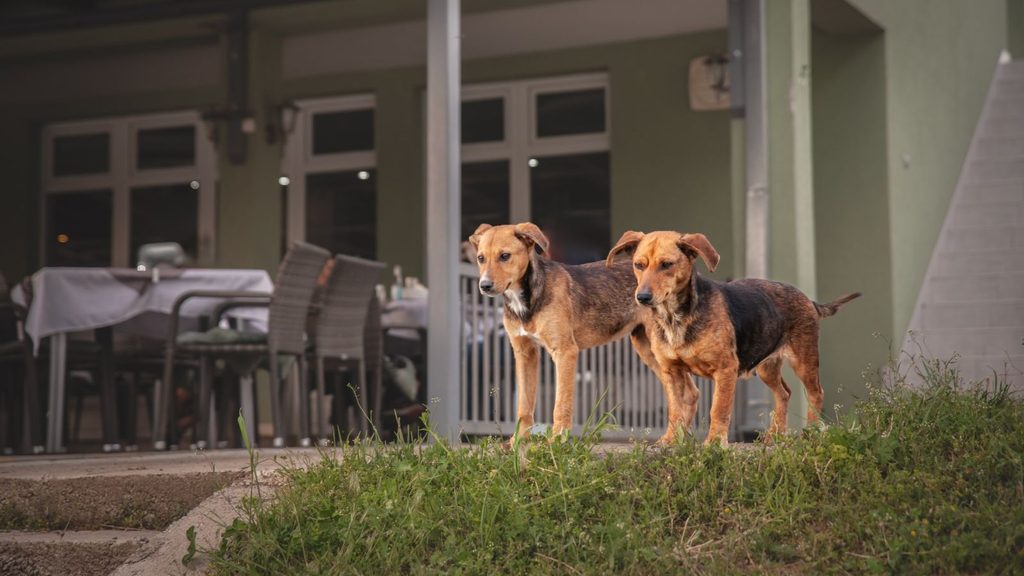
One South African left R3 million and a mansion in their will for the ongoing care of their dogs after they passed away.
This was revealed by Discovery Life in a report detailing what some of its clients leave in their wills, with particular focus on special clauses.
Discovery Wills and Trust Services’ data shows that one in nine South Africans who have a special clause in their will do so for their pet.
This goes beyond who gets a dog, cat, or horse to provisions for their future care, which indicates that people are increasingly viewing pets as dependants and not just companions.
Discovery Life head of legal services Harry Joffe explained that this creates a challenge for companies providing will services.
“You can’t leave money or property directly to a pet because an animal doesn’t have a legal personality when it comes to owning property or assets,” Joffe explained.
“Instead, you need to provide for their care through a person or ideally through an appropriate structure, such as a trust.”
In its most basic form, a will can be quite a simple document that ensures your wishes are respected after you die.
While it is simple, a will is a crucial document to ensure that your assets pass on to your family and, if you are a breadwinner, they can maintain their current lifestyles.
BDO South Africa warned that not having a will can create significant problems for a family, with many being torn apart over disputes regarding the assets being passed on.
Another problem the lack of a will creates is access to these assets or the cash generated by them for a family to sustain their livelihood after a breadwinner dies.
Increasingly in South Africa, a will is being seen as one element of estate planning, where provisions are made for everything an individual owns.
This goes beyond physical assets typically included in a will, such as a house, car, or personal property, to anything of value.
It also includes planning to cover personal debt in the case of death and create sufficient liquidity for family members to live without having to sell personal effects.
R3 million and a mansion for dogs

Discovery’s data showed that pets are becoming more common parts of wills, with people wanting to dictate how their animals are cared for after they pass on.
Some of the substantial requests include R3 million and a property for the ongoing care of dogs left behind after their owners die. Another South African left R1 million for the care of a horse.
Discovery noted that some of the requests were random in that they were not given to a specific person. For example, one individual left R200,000 to whoever adopts their dogs from the SPCA.
“The rand value does not tell you the full story of the thinking of those individuals, including pets, in their estate planning,” Joffe said.
“What is eye-opening is the thought behind these clauses, such as people naming caregivers, appointing backups, and specifying exactly how they want their animals to be looked after.”
This can make requests difficult to execute, with people specifying that their pets can only go to certain organisations if no family member wants to take care of them.
As with any will, the main problem is personal. Money and property cannot be given to a pet as they are not considered legal persons.
Thus, one or more people need to be named as caregivers beforehand. The money and property will then flow to them to take care of the pets.
This creates another issue in that the person may use the money or property however they want. To avoid misuse, those writing the will have to be specific about the costs the money should cover.
In such circumstances, Joffe said a trust is the best option to ensure the money is used responsibly and a backup beneficiary can be identified.
Joffe expects wills involving pets to become more common in South Africa and increasingly complex as people give thought to their provisions for animals.
South African households own 7.4 million dogs and 2 million cats, with a quarter of all families in the country owning at least one.
Log in or register for free access to all articles.