The South African company that built the highest bridge in Africa is now in business rescue


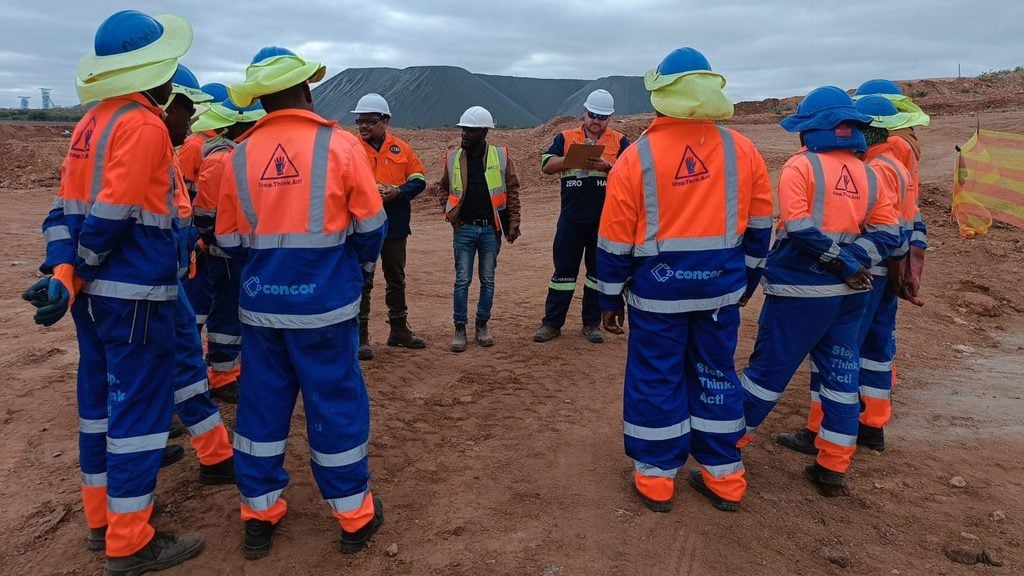
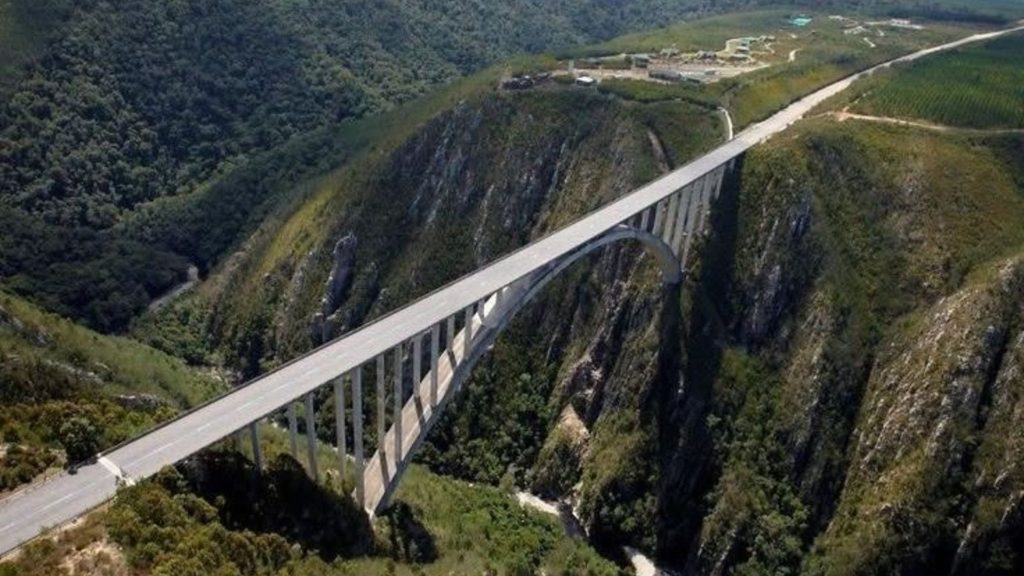
Concor, the company that built the Bloukrans Bridge on the border of the Eastern and Western Cape, now finds itself in business rescue.
Founded in 1948, Concor has built some of South Africa’s largest projects spanning infrastructure, buildings, mining, and residential precincts.
Concor’s origins date back to the 1900s in the Western Cape, when Italian businessman Dr F Paccini founded the Construction Corporation.
Paccini was the chairman of Ferrocemento at that time and wanted to expand into the construction industry.
The company originally specialised in concrete construction, and its first major contract was the Rand Sports Stadium in Johannesburg in 1951.
After the stadium’s successful completion, Concor obtained contracts to build power stations in Pretoria and Johannesburg.
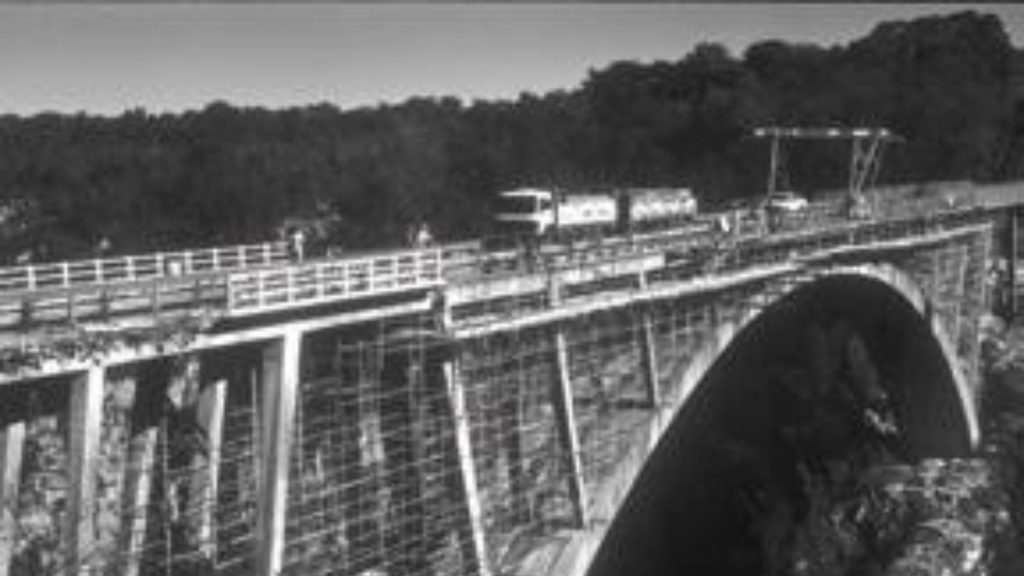
Another major project came along in 1956, when Concor was chosen to build the Storms River Bridge in the Eastern Cape.
Designed by Italian designer Dr Riccardo Morandi, this bridge was the highest and longest single-span bridge in South Africa for years.
From there, Concor would go on to complete some of South Africa’s biggest construction projects between 1961 and 2005.
At this point, Concor had expanded from specialised concrete work into civil engineering, mining services, and other major building projects.
Some of its contracts included the Matimba Power Station, the Standard Bank Centre, the Pavilion Mall, the rebuild of the Wanderers Cricket Stadium, and the Reserve Bank’s Pretoria office.
One of its biggest projects during this period was the Bloukrans Bridge. At 216 meters above the Bloukrans River Gorge, this is the highest operating bridge in Africa.
This bridge was a joint venture between Concor and Murray & Roberts, with construction running from 1980 to 1983, officially opening on 10 June of that year.
In 2005, Concor was listed on the Johannesburg Stock Exchange. However, its listing was short-lived, as a year later it was acquired by Murray & Roberts.
The merger of these two companies created a true construction giant in South Africa, and Concor, now known as Murray & Roberts Construction, took on even bigger projects.
For example, in 2010, Concor built the tallest tank in the Southern Hemisphere for Sasol at its Benzene Reduction Project in Secunda. This tank stood 47.54 m tall.
In 2016, a consortium led by the Southern Palace Group, alongside the Public Investment Corporation (PIC), acquired Murray & Roberts Construction.
This deal created a newly independent business, and Concor returned to its original name in 2017.
From bridges to business rescue
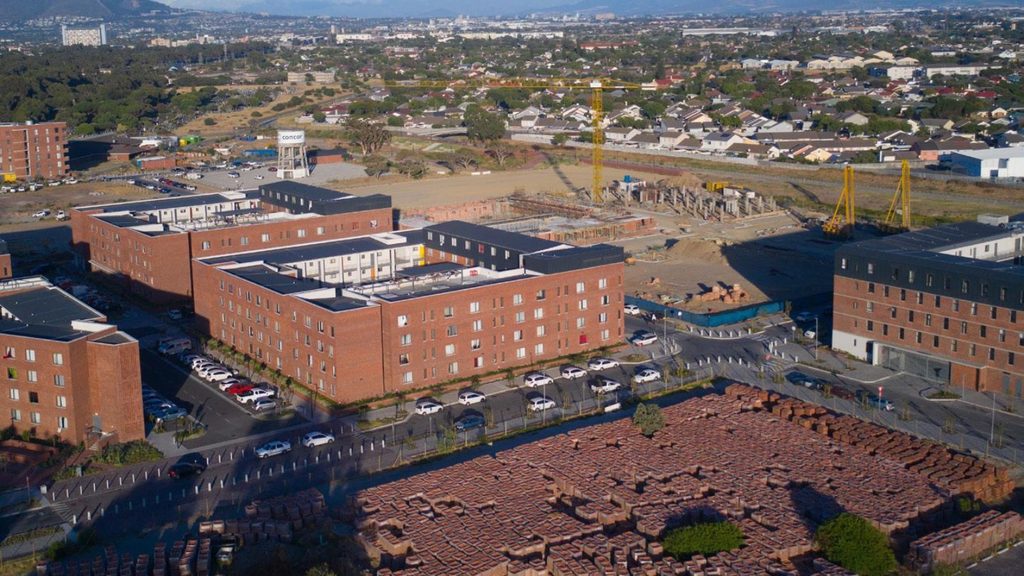
Concor entered voluntary business rescue on 6 October 2026 after it faced severe liquidity and working capital constraints.
According to Property Flash, Concor had R1.6 billion in contingent liabilities related to current projects. It had only R4,000 in cash and cash equivalents.
Much of this financial distress was linked to its former parent, Murray & Roberts, having entered business rescue in 2025.
In its business rescue plan, the company reported that Concor faced R218 million in litigation liabilities involving OptiPower and Murray & Roberts.
Concor’s business rescue proceedings are set to put 2,000 jobs at risk, though its business rescue practitioners are hopeful about the company’s project pipeline, valued at R5 billion.
Engineering News reported in November 2026 that the PIC will support the preservation of value and a sustainable outcome for Concor’s business rescue proceedings.
This comes after R1.18 billion worth of shareholder debt was converted into preference equity in 2025.
This resulted in the PIC’s Government Employees Pension Fund and the Unemployment Insurance Fund becoming Concor’s effective shareholders.
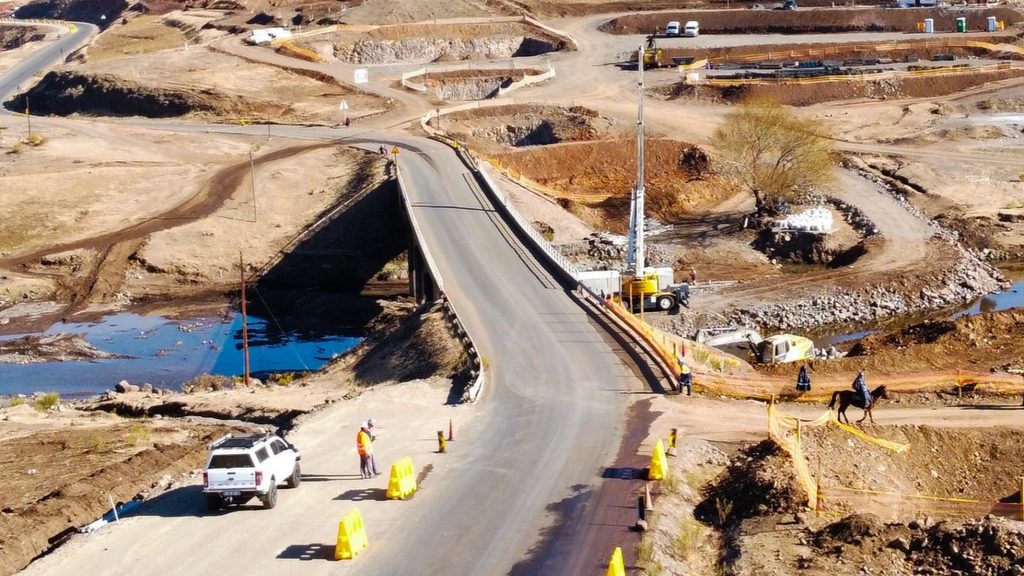
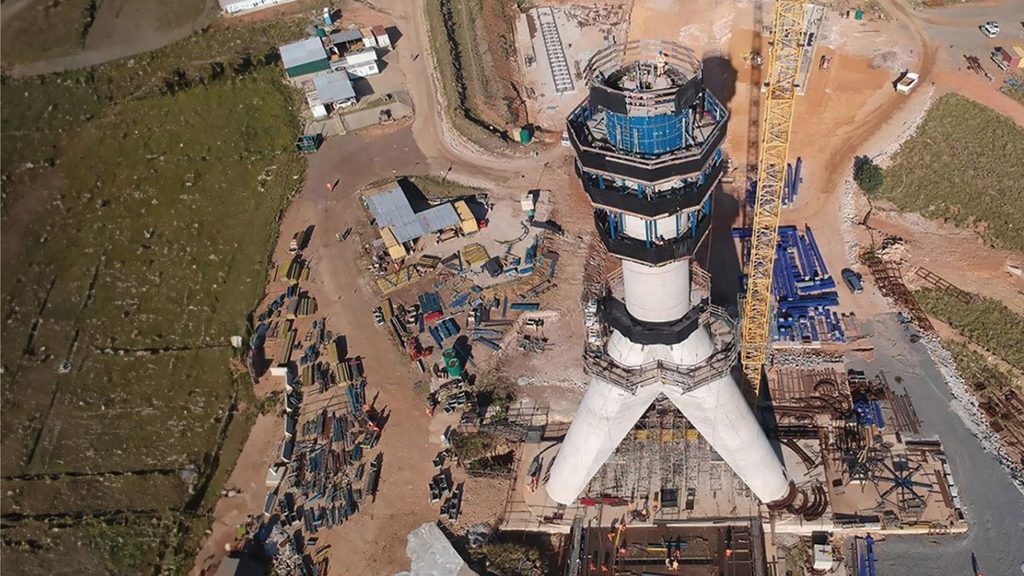
Concor entered business rescue shortly after completing its latest project, the Mabunyaneng and Khubelu bridges in Lesotho, on 31 July 2026.
These bridges provide permanent access along Lesotho’s national A1 highway, replacing its existing low-level river crossings.
The contract encompassed the construction of the 270-meter-long Khubelu Bridge and the 120-meter-long Mabunyaneng Bridge, as well as two kilometres of A1 Road realignment.
“Both structures stand more than 2,100 metres above sea level in steep, highly variable mountain terrain,” Concor said on its website.
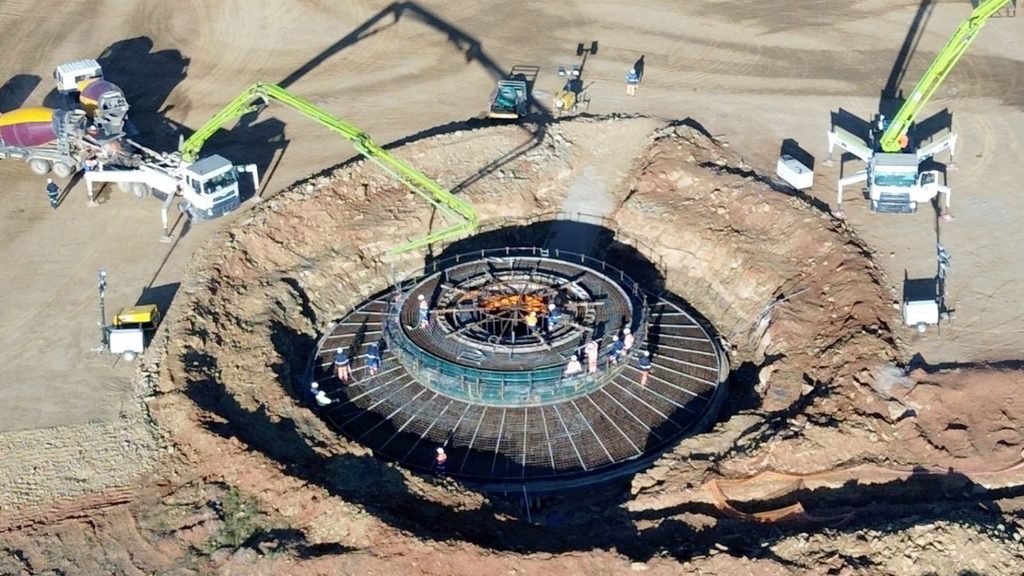
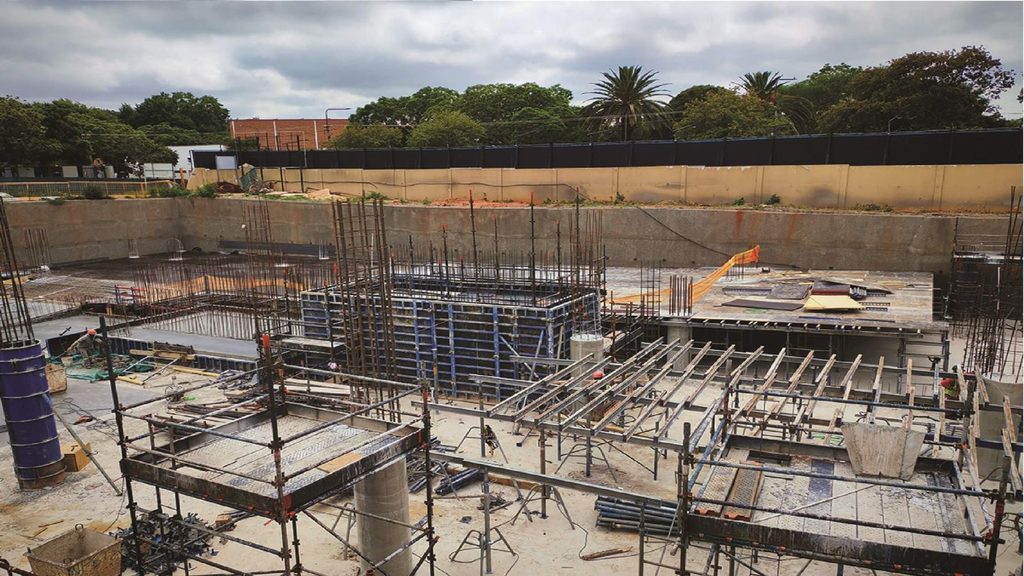
Photos of Concor
Login or register for unlimited free access.