One Northern Cape city spends more on infrastructure and fixed assets per person than Cape Town and Johannesburg


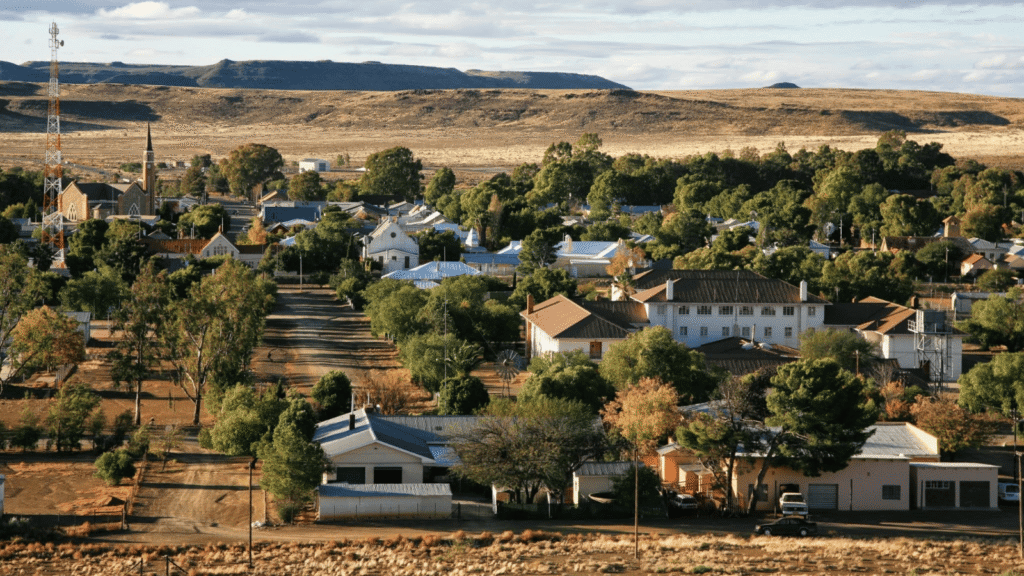
Kareeberg Local Municipality in the Northern Cape recorded higher capital expenditure per resident than major South African cities, including Johannesburg and Cape Town.
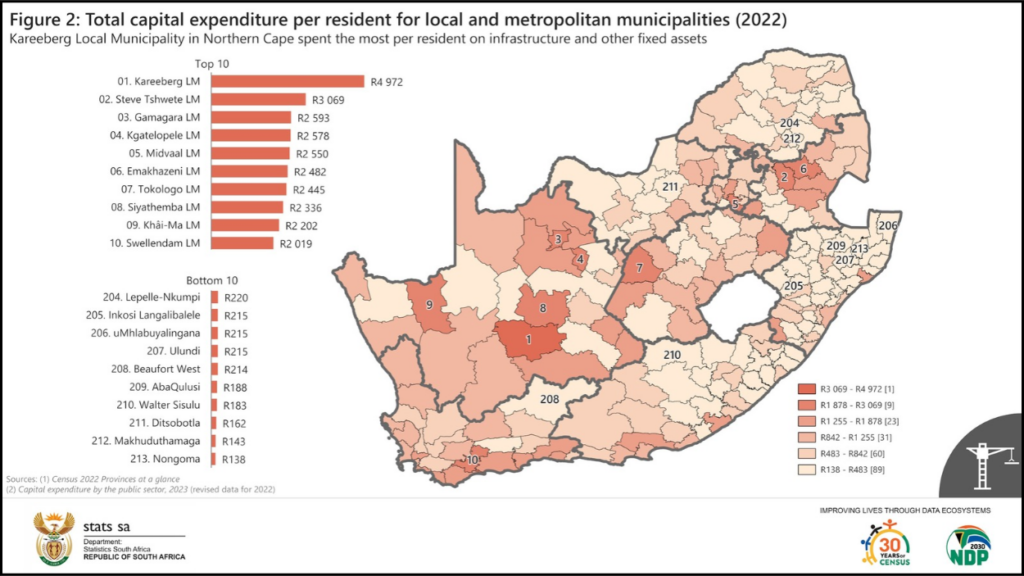
The municipality spent R4,972 per resident on infrastructure and other fixed assets in 2022, according to Stats SA.
This was the highest figure among metropolitan and local municipalities analysed by Stats SA, followed by Steve Tshwete Local Municipality in Mpumalanga.
Kareeberg Local Municipality is located in the Northern Cape and includes three towns – Carnarvon, Vanwyksvlei and Vosburg.
The municipality was established in December 2000 through the amalgamation of the three towns’ municipalities. Carnarvon was selected as its administrative centre.
Kareeberg covers 17,689 km², and its economy is largely dependent on agriculture, with farming and church activities historically playing an important role in the three towns.
Carnarvon was established in 1839 and is the municipality’s main administrative centre. Vanwyksvlei dates back to 1880 and is home to South Africa’s oldest state-built dam.
Vosburg was established in 1895 on the farm Processfontein and was named after the Vos families. It is situated along the Namakwaland West Coast route between Britstown and Carnarvon.
According to the 2022 census, Kareeberg had a population of 10,961 people. The municipality’s history records an earlier population of approximately 9,482, with 2,740 households.
Kareeberg’s infrastructure spending
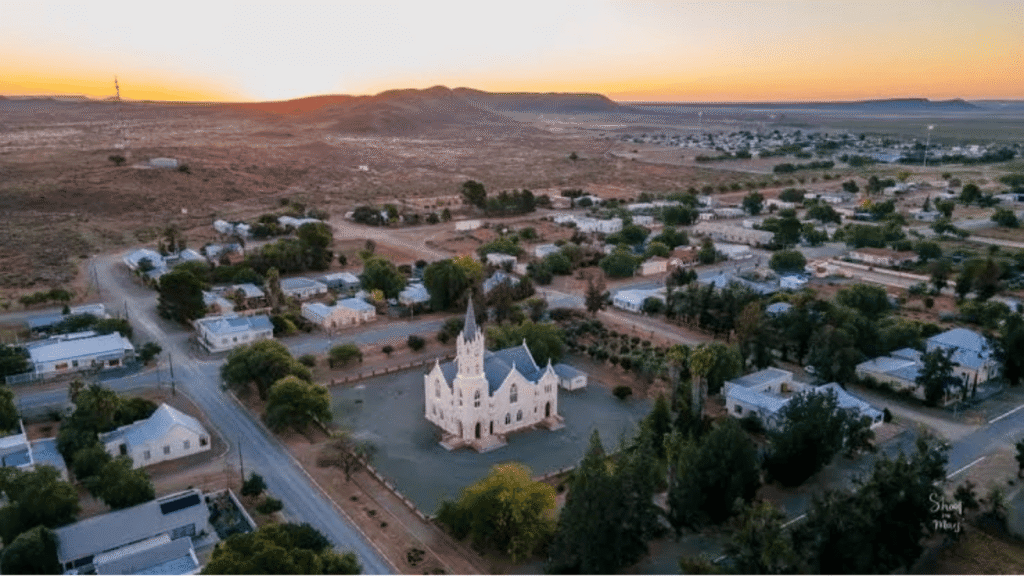
Stats SA’s capital expenditure data for 2023, which includes revised figures for 2022, show that Kareeberg spent R54.5 million on capital expenditure during that year. Divided by its population of 10,961, this equates to R4,972 per resident.
This was significantly higher than the national average of R910 per person. Across local government, total capital expenditure reached R56.5 billion in 2022.
The figure is also unusually high compared with Kareeberg’s spending in other years. The municipality recorded capital expenditure of R28.8 million in 2019, R6 million in 2020 and R16.3 million in 2021.
After reaching R54.5 million in 2022, spending dropped significantly to R13.6 million in 2023.
Kareeberg’s 2021/22 annual report points to increased spending on water infrastructure as a possible explanation for the 2022 spike.
The municipality’s per capita figure also stands out when compared with other local municipalities. Steve Tshwete in Mpumalanga ranked second, while Nongoma in KwaZulu-Natal recorded R138 per resident.
Makhuduthamaga in Limpopo recorded R143 per resident, while Ditsobotla in the North West recorded R162 per resident.
Stats SA’s analysis also found that municipalities in the Western Cape had the highest overall capital expenditure per resident at provincial level, followed by the Eastern Cape and Northern Cape.
However, the results varied considerably between individual municipalities. The comparison is particularly notable when looking at South Africa’s metropolitan municipalities.
In 2022, Buffalo City recorded the highest capital expenditure per resident among the metros, followed by the City of Johannesburg and the City of Cape Town.
More recent data indicate that this ranking has changed. Stats SA’s 2024 capital expenditure figures, combined with its population estimates, show that Johannesburg now trails Cape Town and eThekwini in capital spending per person.
The same data show that Tshwane recorded the lowest capital expenditure per resident among metropolitan municipalities in 2024, followed by Ekurhuleni.
The differences between municipalities are partly linked to their levels of urbanisation and financial capacity.
Stats SA’s analysis, which used the Municipal Infrastructure Investment Framework classifications, found that metropolitan municipalities spent the most per resident on infrastructure and other fixed assets in 2022.
This was followed by secondary cities and other local municipalities, with predominantly rural municipalities generally recording lower per capita expenditure.
Stats SA noted that less urbanised municipalities often have limited capacity to generate revenue and may struggle to borrow from commercial banks.
This means that government grants play an important role in funding their infrastructure investment.
The analysis excludes district municipalities, which also spend on fixed assets in some areas. This means the figures may underestimate total infrastructure spending per resident in rural municipalities.
Login or register for unlimited free access.