The time is right for South Africa’s rand


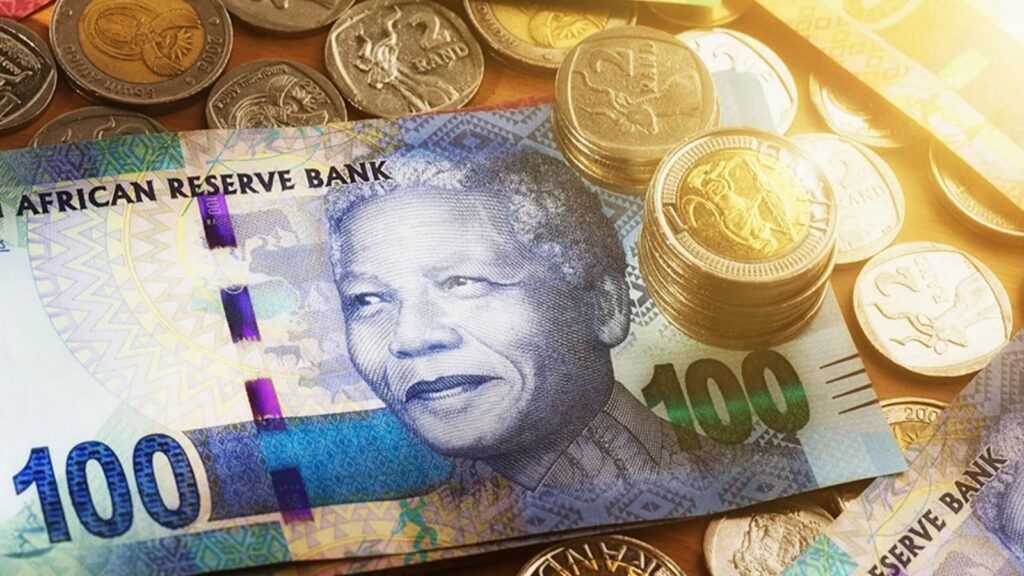
South Africa’s rand has seen some strong tailwinds over the past week and is expected to strengthen further later in the year.
It is typical for South Africa’s currency to strengthen into the year-end, as investors in the northern hemisphere tend to see more risk-taking appetite.
At the same time, experienced market players tend to stay and trade in the main near the end of the year.
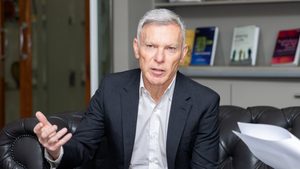
This is according to Investec chief economist Annabel Bishop, who said the rand has shifted stronger over the past week.
The rand was trading at R16.60 a week ago, and has strengthened to R16.43 at market close on Monday, 9 November.
This marks an improvement from October, which saw a stronger US dollar and, therefore, a depreciation of the South African rand.
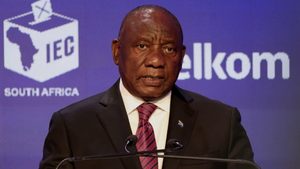
Bishop attributed the rand’s strengthening in the first week of November, in part, to the successful and peaceful conclusion of South Africa’s local municipal elections on 4 November.
“South Africa’s solid democratic base and GNU’s strength aided the rand, but most of the rand’s direction is from the international environment,” she said.
While the local elections played a role, Bishop said the US Mid-Term Elections played a larger part in the rand’s strengthening over the past week.
Americans went to the polls a day before South Africans, on 3 November 2026. The result of the US elections was the Democratic Party winning majority control of both chambers of the US Congress.
Bishop explained that this outcome will limit the powers of the Republican Party, which retains power in the interim, particularly on military operations and foreign policy.
“With the Democrats to control both Chambers of the US Congress from the start of next year, markets have been hopeful on a winding up of the Middle East war in the short term,” she said.
An end to the Iran war will, in turn, benefit oil prices and see safe haven flows into the US dollar waning. These expectations led to the US dollar weakening over the past week.
This is why the rand has gained from the United States’ “Blue Wave” over the past week, benefiting somewhat from a weaker greenback.
The rand’s road to year-end
While the rand benefited from expectations of an end to the war in Iran, Bishop emphasised that uncertainty persists.
For now, she said the rand is likely to make further progress in the months to come as expectations of further US interest rate hikes wane.
“Although this is not certain for this year, next year is expected to see further moderations in the oil price, and US inflation, and so inflation expectations,” she said.
This will be good for the rand, as fears of a narrowing interest-rate differential between South Africa and the United States subside.
Aside from interest rates, Bishop explained that there are several other factors also leaning in the rand’s favour, including the time of year.
She explained that the rand typically strengthens into year-end as the northern hemisphere winter tends to see more risk-taking appetite.
At the same time, experienced market players tend to stay and trade in the main over the period, vacationing in the summer months instead.
This sets the rand up well for the end of the year, and Bishop believes there may also be tailwinds for the local currency heading into the new year.
“While there is still uncertainty in the near term, 2027 is expected to see lower global risk and financial market risk aversion on a less volatile US policy environment,” Bishop said.
This, she explained, would lead to an improved environment for emerging markets and their currencies, including South Africa and the rand.
Login or register for unlimited free access.