South African pharma giant’s R4.4 billion gift to shareholders


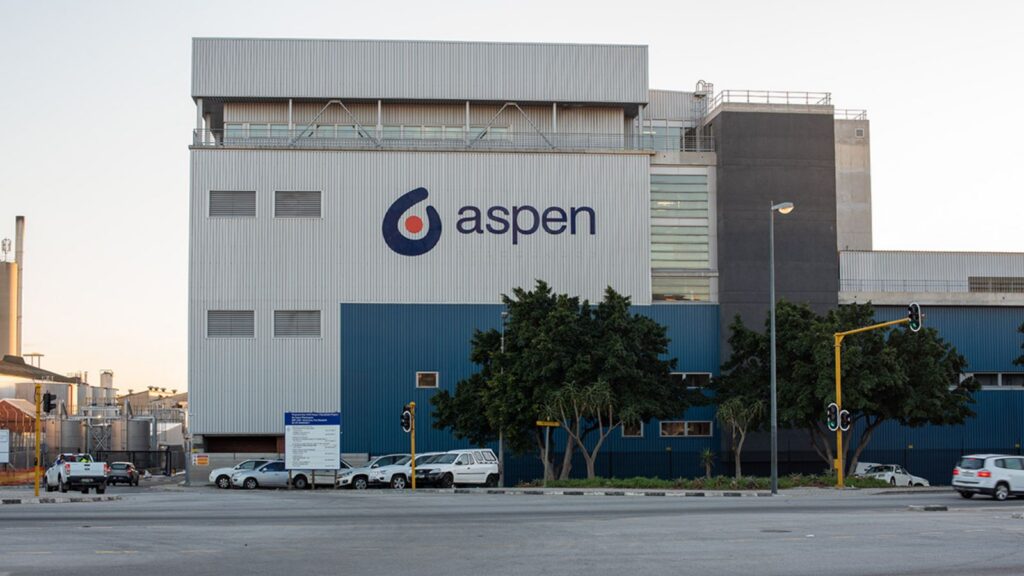
Aspen Pharmacare is returning billions of rand to shareholders through an aggressive share buyback programme as the pharmaceutical group reshapes its business.
The Durban-based company has now repurchased 28.3 million shares, representing 6.3% of its issued share capital, following shareholders’ approval of the general buyback authority in December 2025.
In a SENS announcement on 5 November 2026, Aspen said it had bought back a further 14.99 million shares for R2.43 billion. These shares were purchased between 2 and 3 November at an average price of R162.01.
This follows an earlier repurchase of 13.33 million shares for R1.98 billion between May and August 2026. The two transactions bring the total value of the buybacks to approximately R4.41 billion.
Aspen has authority to repurchase a further 60.9 million shares, representing 13.7% of its issued share capital at the date the authority was granted.
The buyback programme indicates a change in Aspen’s capital allocation strategy, following the group’s efforts to reduce debt and simplify its operations.
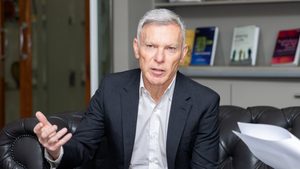
Speaking on BusinessDayTV, Allweather Capital’s Nick van Rensburg said the company is focused on returning capital to shareholders.
“It seems very much like returning capital to shareholders is the number one focus now,” he explained.
Van Rensburg noted that Aspen had sold a significant business, reduced its gearing and is now aggressively buying back its own shares.
Even so, the company still has considerable room under its 20% repurchase authority, which could provide support for the share price. “I think it’s a stock that I believe has got limited downside,” he said.
Van Rensburg added that Aspen appears to be moving away from the acquisition-led strategy that had characterised its earlier years.
Instead, management seemed focused on rationalising the business, improving its operations and unlocking value for shareholders.
PSG Hole In One Ruimsig’s Ricus Reeders also noted a change in the company’s approach.
“Aspen has had many false dawns over the past number of years, and you can see it in the share price.”
However, Reeders explained that he saw less promising and more concrete action from the company.
Globally, the pharmaceutical industry is experiencing excellent growth, and Aspen offers South African investors exposure to the sector through the local market.
Van Rensburg also noted that the group was selling businesses at valuations above their own market value, thereby unlocking value.
Large buybacks could change the composition of a company’s shareholder base, as investors who no longer wanted to hold the stock sold their shares back to the company.
“The people that are left are the believers, which means the company rerates over time,” he said.
Aspen’s restructuring
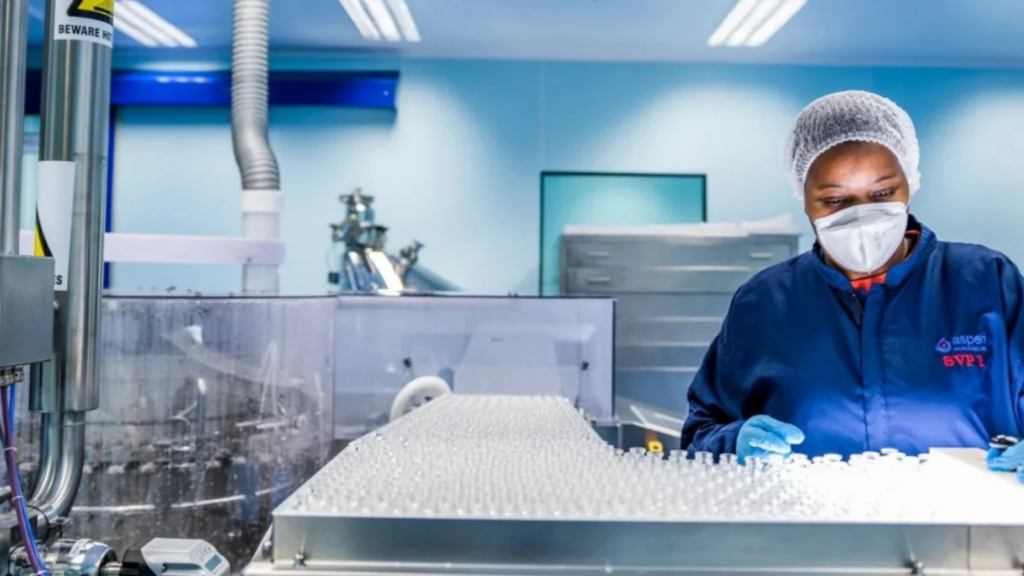
Aspen’s buyback programme forms part of a broader restructuring strategy that includes selling assets outside its core focus.
On 2 November 2026, Reuters reported that Aspen had agreed to sell the European commercialisation rights and related intellectual property for its women’s health product Ovestin to Ennogen Healthcare International.
The transaction is valued at €197 million, or R3.7 billion, excluding related inventory worth around €4 million.
Aspen will continue to manufacture and supply Ovestin’s active pharmaceutical ingredient and cream formulation under long-term agreements lasting at least 10 years.
It will also provide strategic support services to Ennogen for five years at a monthly fee of €1 million, along with transitional services for up to three years.
Ovestin generated revenue of approximately R756 million and profit after tax of R238 million in Aspen’s 2026 financial year.
The company said the proceeds would be allocated in line with its capital allocation strategy, with share buybacks remaining its preferred method for returning capital to shareholders.
This restructuring comes after a difficult period for Aspen’s manufacturing operations.
During the first half of its 2026 financial year, the group incurred R700 million in once-off restructuring costs as it reshaped its sterile finished dose manufacturing facilities in South Africa and France.
These costs weighed on interim earnings. However, the company said the operational improvements were progressing.
The manufacturing business recorded positive EBITDA during the first half, while its Commercial Pharmaceuticals division delivered 4% revenue growth and double-digit normalised EBITDA growth.
Aspen attributed much of this performance to demand for Eli Lilly’s weight-loss drug Mounjaro in South Africa and improved profit contributions from its restructuring in China.
For the full financial year ended June 2026, normalised earnings from continuing operations increased by 28% at constant exchange rates.
Now, Aspen is positioning itself to benefit from growing global demand for weight-loss medicines.
The group already distributes Mounjaro in South Africa. The drug was launched locally for diabetes in December 2024 and has since been approved for chronic weight management.
Aspen is also expanding its presence in the semaglutide market. In July 2026, it received Canadian regulatory approval for its generic injectable semaglutide for treating type 2 diabetes.
However, commercialisation depends on supplies of the active pharmaceutical ingredient from India’s Dr Reddy’s Laboratories, which has experienced temporary supply constraints.
The company said it expects the global rollout of its broader weight-loss medicine portfolio to begin in its 2027 financial year.
In September 2026, Bloomberg reported that Aspen’s expansion into this market was contributing to its growth prospects, as pharmaceutical companies compete to capture demand for medicines that mimic the GLP-1 gut hormone.
Login or register for unlimited free access.