Popular Cape Town beach gets a R86.5 million makeover


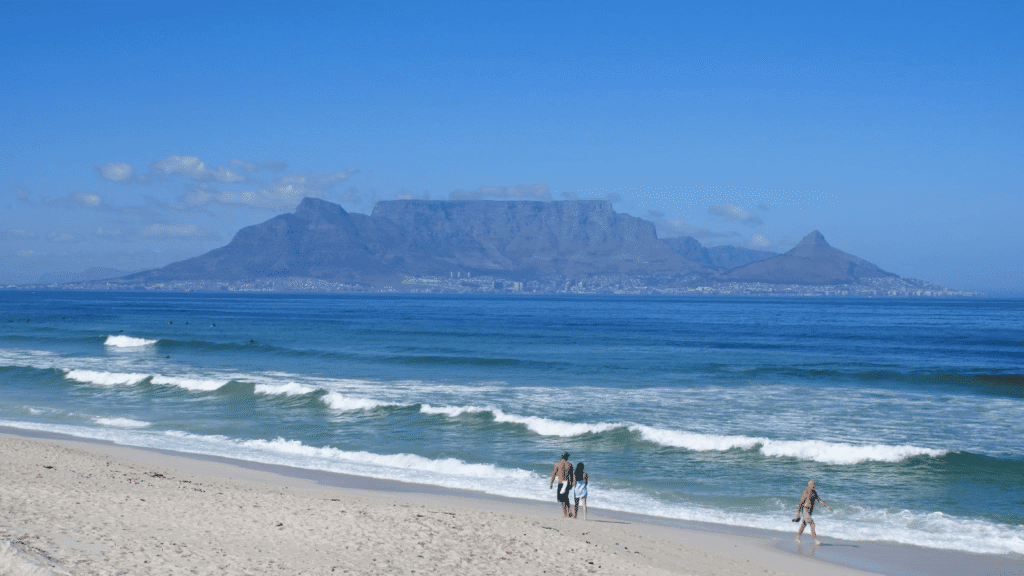
The City of Cape Town is nearing completion of an R86.5 million upgrade of the Table View beachfront, with the project expected to be finished by mid-December 2026.
Table View beachfront is known for its views of Table Mountain and its popularity among beachgoers and water sports enthusiasts.
It is also a popular kite-surfing destination during the summer months, attracting both local residents and visitors.
City of Cape Town Deputy Mayor and Mayoral Committee Member for Spatial Planning and Environment, Alderman Eddie Andrews, said the area remained an important public attraction for people from across Cape Town.
“Table View beach gives us an iconic view of Table Mountain in the distance, it is a favourite kite-surfing spot in summer months, and extremely popular among locals and visitors from all walks of life.”
The upgrade is part of the city’s effort to improve the beachfront’s facilities while protecting the natural coastal environment.
The project began in July 2022 and covers a 3km stretch of coastline between Dolphin Beach and Bokkombaai.
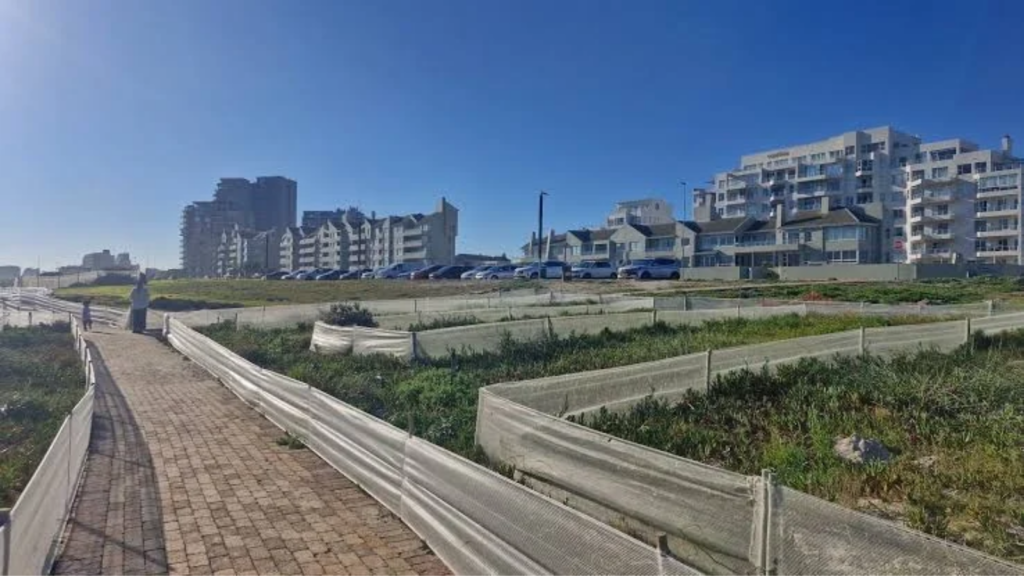
It includes dune rehabilitation, improved beach access, upgraded parking areas and a new coastal walkway extending from Marine Circle to Bokkombaai.
The project is intended to revitalise one of Cape Town’s popular Atlantic coastline attractions and improve its resilience to coastal erosion and severe weather.
Andrews, who recently visited the beachfront to assess progress, explained that the upgrades would improve the experience for people visiting the area to swim, spend time on the beach or walk along the coastline.
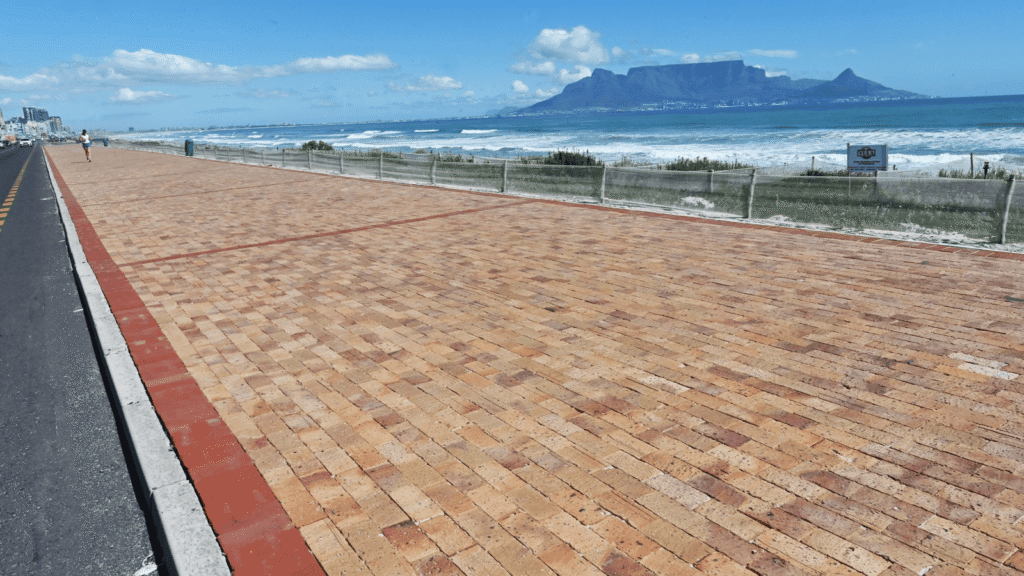
“The new 3km long coastal walkway now extends from Marine Circle to Bokkombaai,” Andrews said.
“We have restored the existing walkway, as well as the parking areas, and created new beach access paths between Marine Circle and Dolphin Beach.”
The upgrades
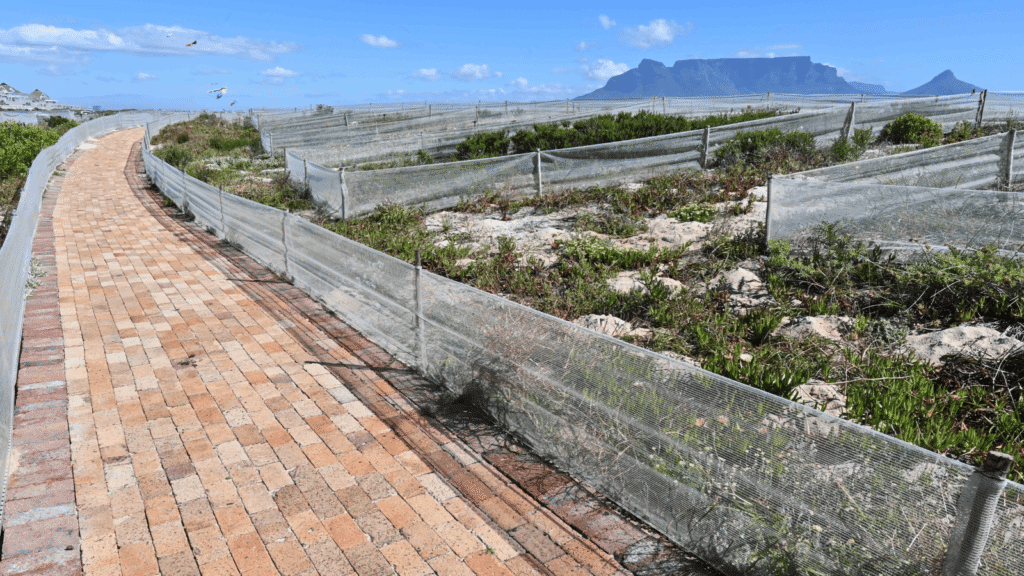
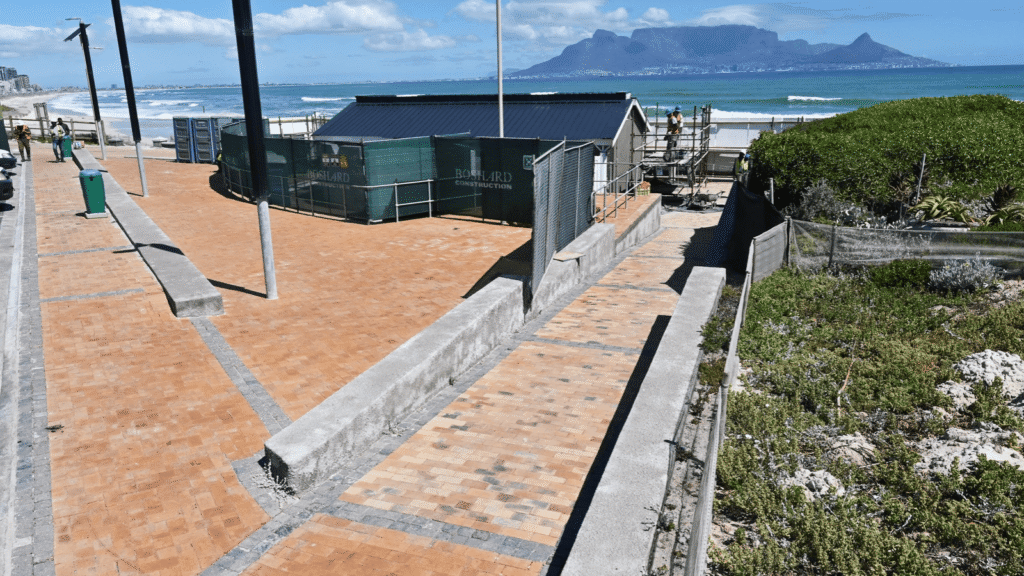
Several major parts of the project have already been completed. The new 3km coastal walkway runs from Marine Circle to Bokkombaai, and the existing walkway has also been restored.
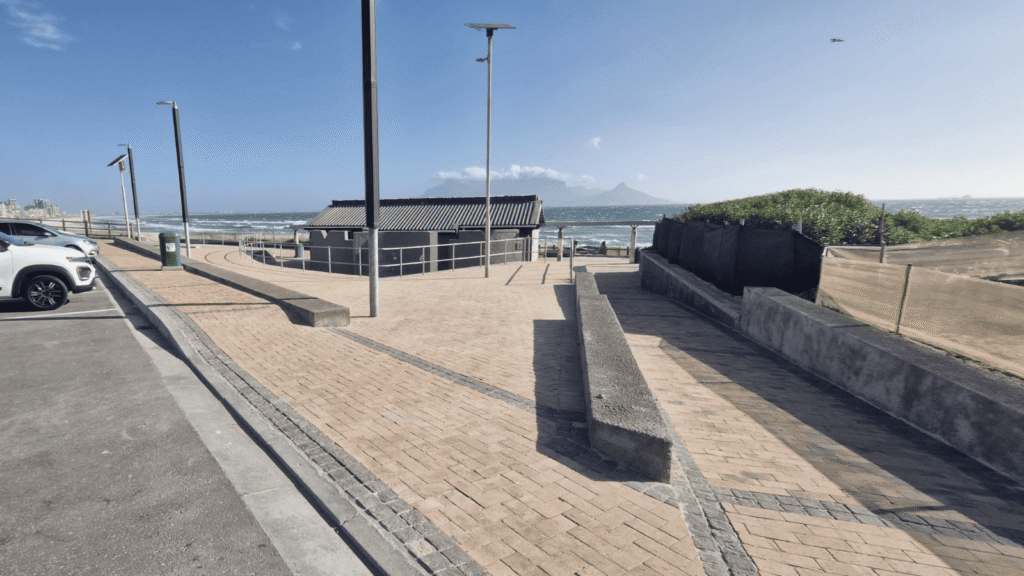
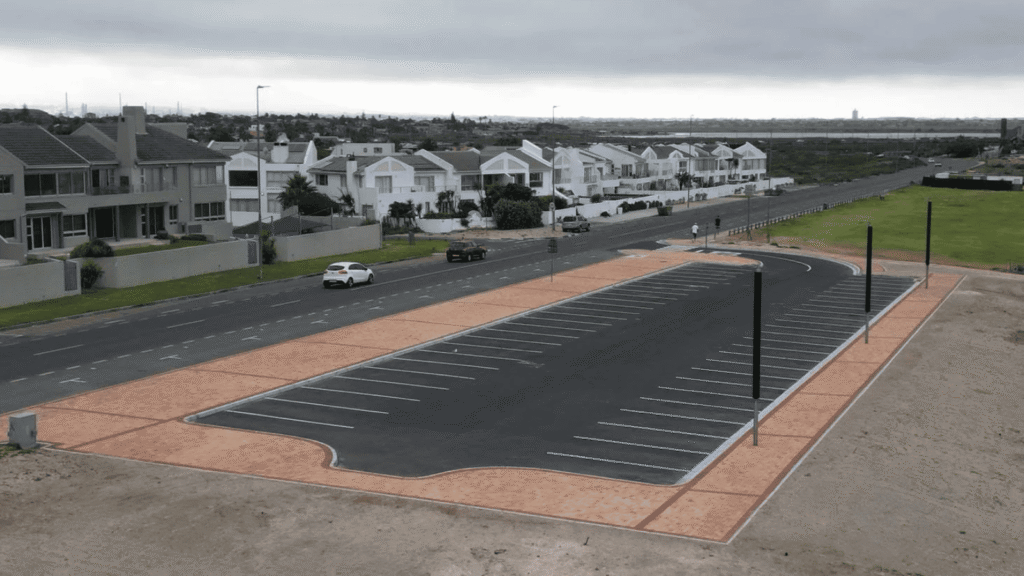
New beach access paths have been created between Marine Circle and Dolphin Beach, making it easier for visitors to reach the coastline. The city has also completed the new parking area opposite Visagie Street.
Existing parking areas along Beach Boulevard and Otto du Plessis Drive, between Marine Circle and Perlemoen Street, have been refurbished and upgraded.
At Bokkombaai, improvements to beach access, stormwater infrastructure and parking have also been completed.
This included upgrading stormwater outlets and retaining structures, as well as improvements to the White Waters parking area.
The remaining work is focused on the ablution facilities at Dolphin Beach and Bokkombaai.
The contractor is currently refurbishing these facilities and connecting them to the city’s sewer network. Temporary ablution facilities are available while the work continues.
A post-and-rail fence will also be installed between the Bokkombaai parking area and Foam Street. The city expects all remaining work to be completed by mid-December, ahead of the festive season.
Half of the project’s R86.5 million budget has been allocated to protecting the coastline and improving its resilience.
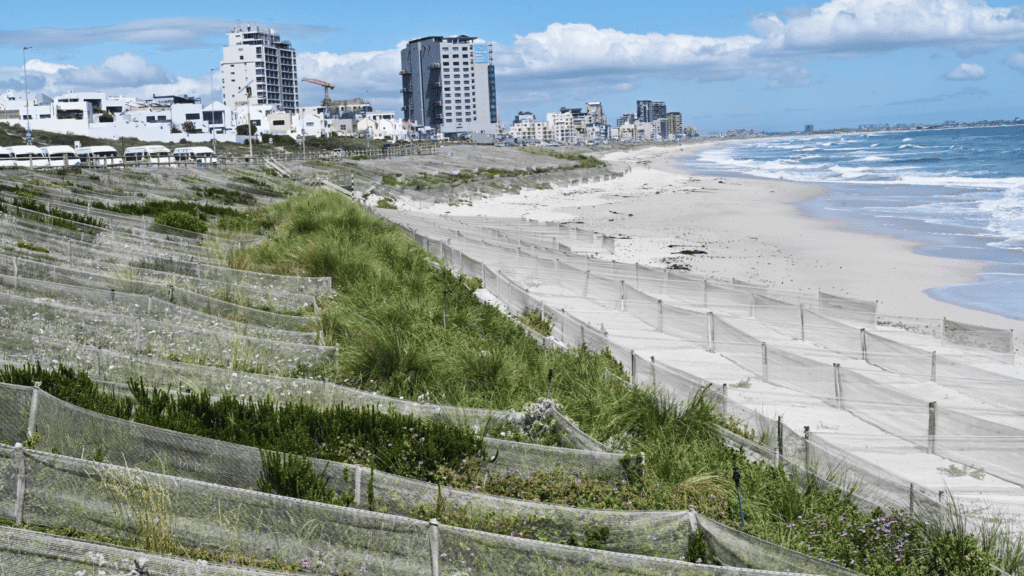
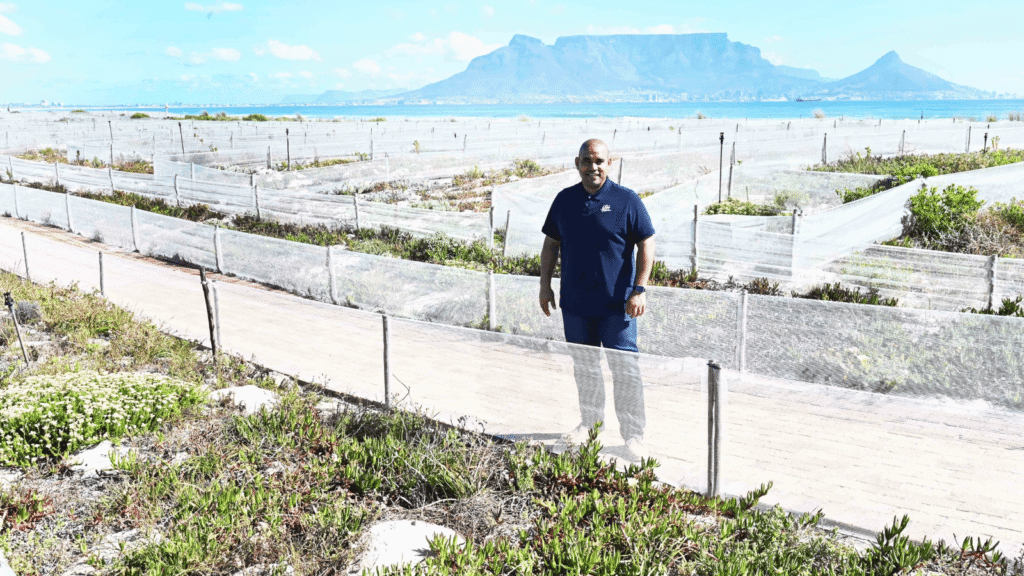
A major part of this work involved rehabilitating and stabilising the dune system between Dolphin Beach and Bokkombaai. The dunes were reprofiled and replanted with species suited to the coastal environment.
The city is now monitoring and maintaining the vegetated dune corridor, including the vegetation and wind-net infrastructure used to stabilise the sand.
This work is intended to reduce wind-blown sand and provide a natural buffer against storm surges.
It is also designed to improve the beachfront’s ability to withstand coastal erosion, storms and rising sea levels linked to climate change.
Andrews said investing in coastal resilience was more cost-effective than carrying out emergency repairs or restoring infrastructure after storms.
The dune system is now in an adaptive management phase, during which the city will continue monitoring the effectiveness of the stabilisation measures.
Once established, the vegetation is expected to strengthen the natural protection provided by the dune corridor.
Photos of the Table View beachfront upgrades