The man who took R11.5 trillion from South Africans and gave it to leaders who lie to people and serve themselves


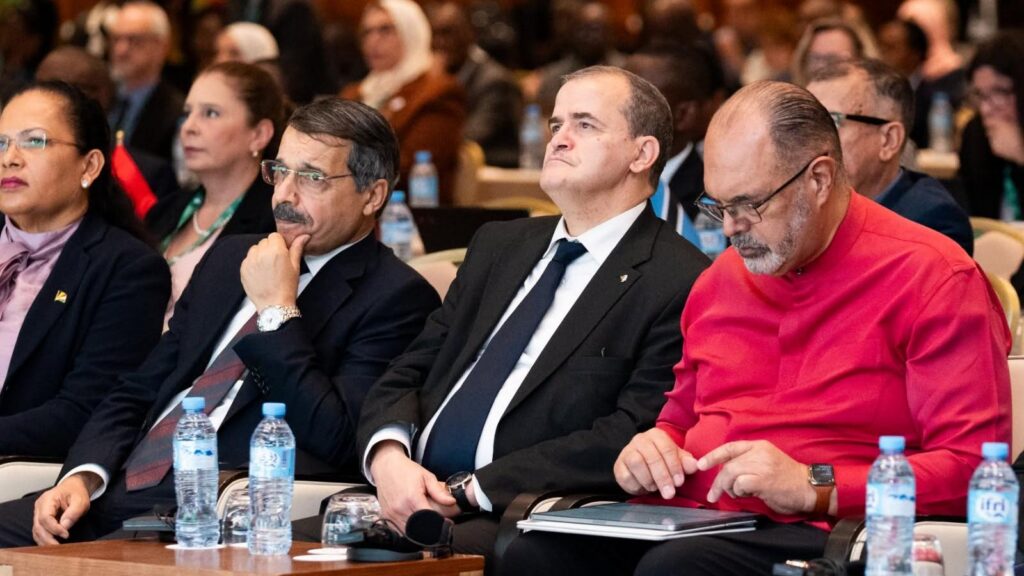
Former South African Revenue Service (SARS) Commissioner Edward Kieswetter said that the country’s leaders lie about serving the people and instead serve themselves.
He shared this view about South Africa during his keynote address at the 4th USAf Higher Education Conference.
Kieswetter is one of South Africa’s most respected business leaders, who served as SARS Commissioner from 2019 to 2026.
Today, he is the CEO of vEKtor Solutions Laboratory and President of the Da Vinci Institute of Technology and Innovation Management.
In his speech at the USAf Higher Education Conference, Kieswetter spoke about the lack of ethical leadership across South Africa.
“Our country is where it is because leaders take themselves too seriously instead of taking their work seriously,” he said.
“They lie. They lie about serving people and instead serve themselves. It is a disgusting reality we must face up to.”
He added that the system in South Africa lacks the integrity to build trust between the leaders and the citizens.
“People do not expect leaders to be perfect, but they do expect them to be authentic, honest when they don’t know something, and incorruptible,” he said.
However, in South Africa, he said, many leaders have intellectual dishonesty, where they smooth over unvarnished truths and avoid hard realities in glossy reports.
This, in turn, prevents institutions from addressing their real operational failures and prevents them from serving South African citizens.
Another problem, he said, is that South Africa frequently appoints individuals based on political, ethnic, cultural, or social affiliations.
To build good institutions, people must be appointed on the basis of merit, competence, and a proven track record.
Edward Kieswetter oversaw the biggest tax intake in South African history

During his tenure as SARS Commissioner, Edward Kieswetter oversaw revenue collection of R11.5 trillion.
In the 2026 financial year alone, the South African Revenue Service surpassed R2 trillion in net revenue collections.
Kieswetter was very good at his job of fixing the revenue service and generating revenue for the state.
He successfully shifted the internal culture back to the belief that SARS funds democracy and provides healthcare and education for the poor.
Through these actions, he improved tax collections. “I did this for poor South Africans who cannot get private healthcare or education,” he said.
“We are transforming the lives of people. Poor people cannot get private services. They have nowhere to go. Those are the people I work for.”
“I am filled with immense pride that, together with the help of the people at SARS, we have given our best to the nation.”
Kieswetter stepped down as SARS Commissioner on 30 April 2026 and was replaced by Ngobani Johnstone Makhubu.
Under Makhubu, SARS’s strong performance continued, and the South African Revenue Service has reached the highest tax-to-GDP rate in the country’s history.
Finance Minister Enoch Godongwana’s latest Medium-Term Budget Policy Statement revealed that the government now expects to collect R2.14 trillion in tax revenue.
This is R17.1 billion more than the budgeted tax revenue estimate presented in the February 2026 National Budget.
South Africa’s tax revenue-to-GDP ratio is expected to rise from 26.0% to 26.4%, which is high by international standards.
Not everyone is happy about the high tax collections
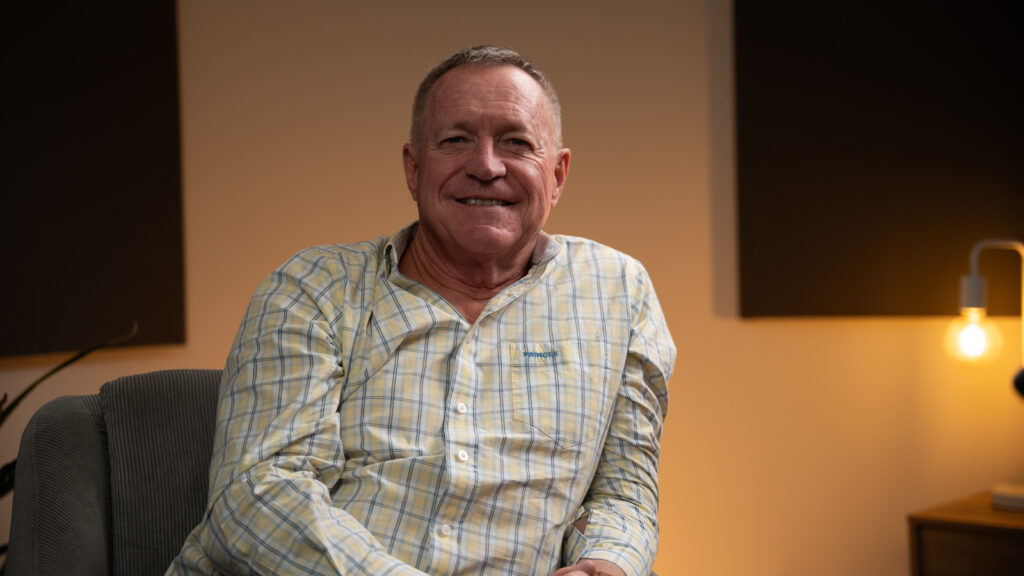
Edward Kieswetter has done a fantastic job of fixing the South African Revenue Service and improving tax collections.
However, many people argue that higher tax collections are not positive, as they take money away from hardworking people and give it to an inefficient state.
Simply put, Kieswetter collected R11.5 trillion during his tenure as SARS Commissioner and gave it to the leaders whom he said lie to citizens and serve themselves.
Nobel Prize-winning economist Milton Friedman argued that higher taxes are a drag on the economy by distorting incentives and diverting capital away from productive use.
He explained that by taxing income and investment, the government is essentially taxing the desire to work and innovate. “If you tax something, you get less of it,” he said.
He added that high taxes drive away entrepreneurs, doctors, and engineers to countries where their labour is better rewarded.
“I am in favour of reducing taxes under any circumstances, for any excuse, for any reason whatsoever,” he said.
Renowned economist Thomas Sowell agreed, saying high taxes keep money out of the hands of those who actually create things.
Therefore, taxes take money from highly productive people, like business owners, and give it to highly unproductive people, politicians.
This impact is evident in South Africa, where the economy suffered even as tax revenue increased.
In 2018, there were approximately 984,000 domestic servants and 260,000 domestic gardeners. In 2025, they declined to 850,000 and 215,000, respectively.
Higher unemployment means far more people rely on social grants to put food on the table. In fact, there are now far more grant recipients than income taxpayers.
In 2018, 17.8 million people received social grants. It ballooned to 28 million in 2025, including 19.2 million standard grant recipients and 8.7 million SRD grant recipients.
Efficient Group Chief Economist, Dawie Roodt, also argued that while high taxes target the rich, they ultimately hurt the poor.
For this reason, he advised South Africans to do whatever they can, within the law, to pay as little tax as possible.
“One rand in your pocket is worth much more than one rand in the pocket of the civil servants and the government,” he said.




Conversation
1 commentsGreat headline – this is exactly what Kieswetter did. There is nothing noble about taking money from hard working taxpayers and giving it to thieves and connected cadres who contribute nothing to society.