Finance Minister Enoch Godongwana’s R50 billion surprise comes with a warning


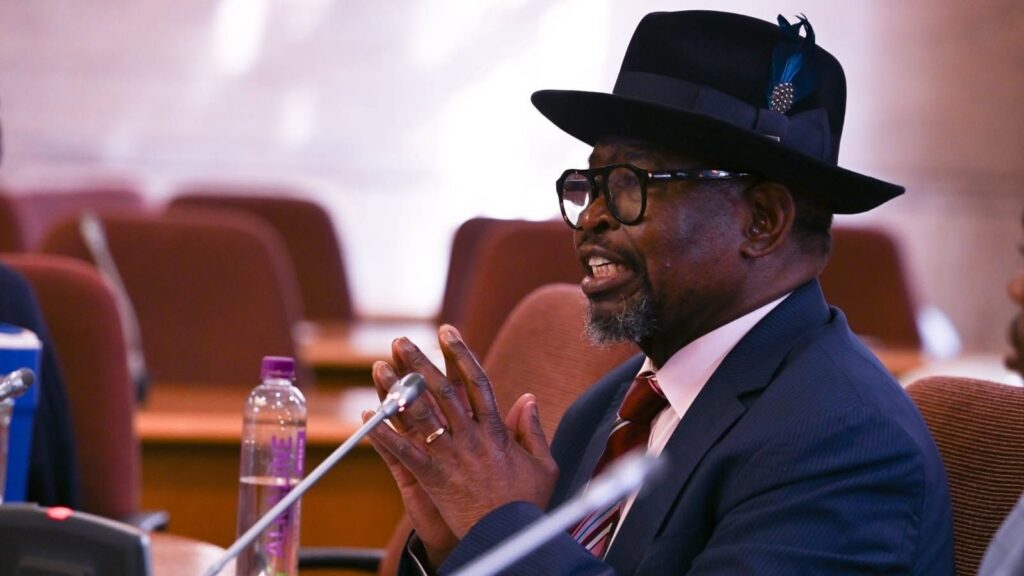
South Africa’s tax overrun for the 2026/27 fiscal year so far could reach R50 billion, thanks in large part to a windfall from local mining companies.
The higher prices of precious metals, particularly platinum group metals and gold, benefitted local miners and, therefore, the state’s corporate income tax revenue.
However, this also means the revenue windfall is cyclical and will not last forever, with the economic backdrop still proving difficult.
PSG Financial Services chief economist Johann Els said the state’s tax revenue is running well ahead of expectations.
His comment comes ahead of Finance Minister Enoch Godongwana delivering the Medium-Term Budget Policy Statement (MTBPS) on 21 October.
The MTBPS, sometimes called the ‘mini-budget’, serves as a “check-in” for how the state’s February Budget projections are progressing.
Els expects Godongwana to announce a tax overrun, and said this will not be solely due to mining taxes benefiting from higher precious metals prices.
He expects the improvement to be broad-based, with personal income and value-added tax also holding up well.
“The tax overrun could reach R50 billion or more, which is a significant improvement on the numbers in the February Budget,” Els said.
This overrun could see the state’s budget deficit narrow to 3.5% of GDP in 2026/27, slimmer than the 4% projected in February.
Els said the primary budget surplus could also be larger than expected, reaching 1.9%, compared to 1.4% in the February budget.
A primary budget surplus excludes the interest the state pays to service its debt, which stood at R1.2 billion a day at the start of 2026.
A higher primary budget surplus will allow the government to start chipping away at this debt burden, putting government debt on a “more sustainable path”, Els said.
However, Els emphasised that this does not mean South Africa’s fiscal health is in the clear, as the economic backdrop the country finds itself in remains difficult.
Els’ warning
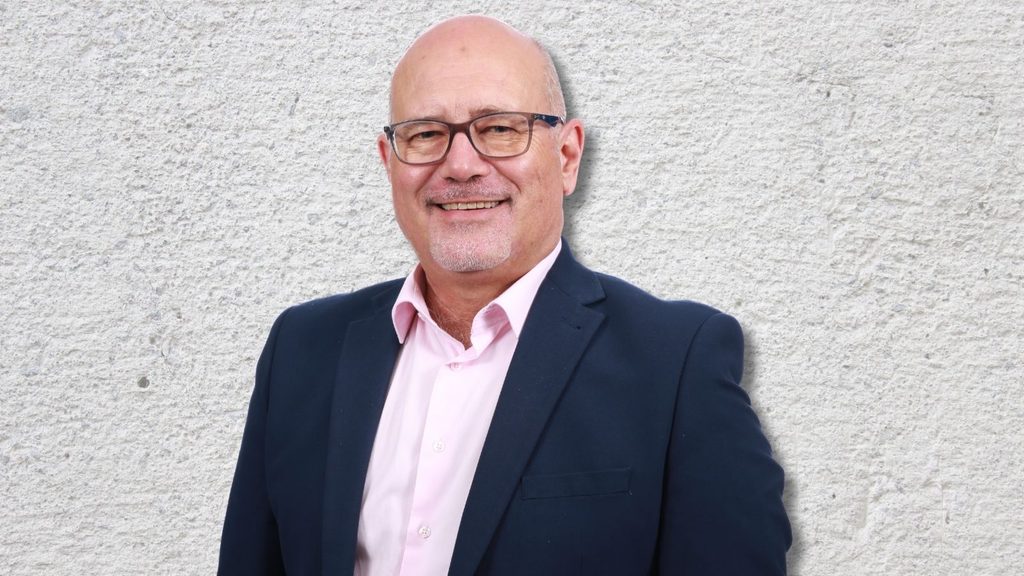
Els warned that the government’s improved fiscal numbers are unlikely to be fully sustained.
“The economic backdrop remains difficult, growth is weak, and some of the revenue boost reflects higher commodity prices,” he said.
South Africa’s economy contracted in the second quarter of 2026, with GDP shrinking by 0.2% from May to June.
The country did not fare much better in the first quarter of the year, as GDP expanded by a meagre 0.4% between January and March.
Against this backdrop, Els said the National Treasury is unlikely to build the full revenue overrun into its forward projections.
“We should not expect Treasury to show all the good news. It will probably remain cautious about how much of the current improvement it carries into future years,” he said.
“This is understandable, given the uncertain economic outlook and pressure for more government spending.”
He added that there is also uncertainty around potential further fuel levy relief, as the April to June relief already cost R17 billion.
“The bigger picture is nevertheless encouraging. South Africa is making slow but steady progress on policy and structural reforms,” Els said.
“Combined with improving fiscal discipline, this is helping to cement the path towards a lower debt-to-GDP ratio.”
Els added that ratings agencies should also welcome this progress, setting South Africa up for a future credit rating upgrade.
“The better fiscal numbers help, but so does the evidence that the improvement is not only about higher commodity prices,” he said.
“The expected proposals around a fiscal anchor should also be positive for confidence in the medium-term fiscal outlook.”
Based on this, Els said further ratings upgrades are likely to occur. However, the question is whether this happens after the MTBPS.
He said rating agencies may want to wait for confirmation in the February 2027 Budget.
“South Africa could be back in investment-grade territory within two to three years, with at least one or two of the three major ratings agencies potentially upgrading the country back to investment grade,” he said.




Comments