One couple makes R1,000 a day tax-free by selling vetkoek for R1.50 in Johannesburg CBD


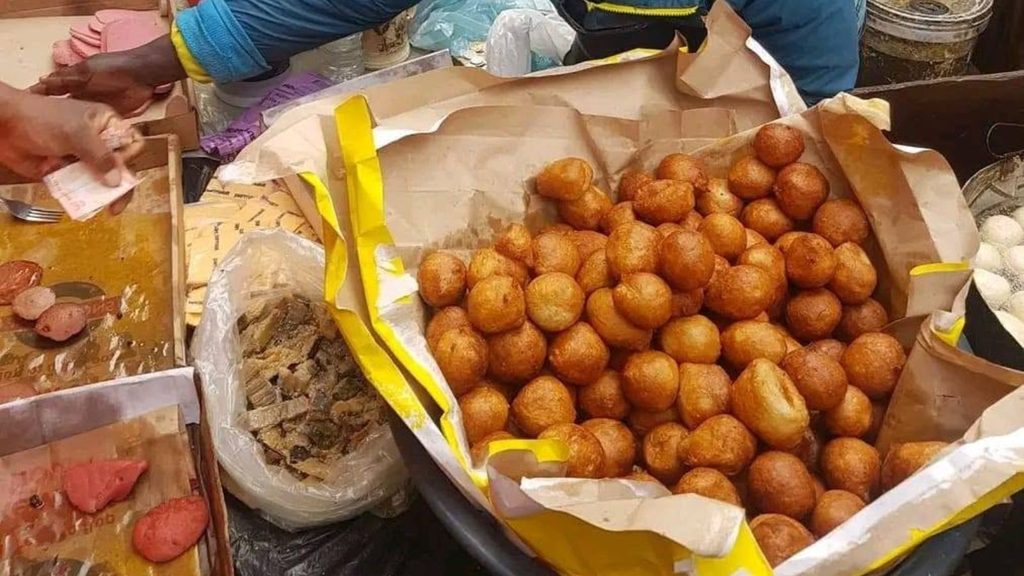
An elderly woman and her husband sell 3,000 amagwinya (vetkoek) for R1.50 just outside of the iconic Carlton Centre in downtown Johannesburg.
The couple make a profit of R1,000 per day selling the amagwinya to the thousands of people who walk by on their way to work or to get transport to Sandton and Rosebank.
However, informal economy expert GG Alcock explained that South Africa’s government currently does not view this as work.
Alcock told the Pat on Brands podcast that, despite the couple having a thriving business, the lack of formal registration or a payslip leaves them excluded from formal economic statistics.
This is through no fault of their own, but rather due to the government’s unwillingness to extend service delivery to the inner city and townships.
Informality limits their growth potential by preventing access to bank financing, modern payment methods, and industrial facilities to produce goods.
“To work is to have a payslip in South Africa. We have built a society that thinks that way and leaves these people out,” Alcock said.
“We have a society where banks and financial institutions do not recognise an income unless you have a monthly pay slip.”
Alcock said this is a tragedy as it ignores a vast proportion of South African society. It also makes South Africa’s unemployment figures look worse than they really are.
In some cases, this is also exploited by individuals to claim social grants and other assistance from the state despite being employed or business owners.
Alcock used the example of the couple to demonstrate this point, as they run a highly successful business yet are considered unemployed.
“I met a gogo and her husband in downtown Joburg on Von Wielligh Street who sell 3,000 amagwinya every day for R1.50,” Alcock said.
Von Wielligh Street is just outside of the iconic Carlton Centre, which retains its shopping mall and office tower. The Carlton Hotel is empty and abandoned.
“They do very well and make a profit of about R1,000 plus per day. They are using this to build a double-storey house in Meadowlands in cash,” Alcock said.
Alcock asked the couple if they have work and whether they are formally registered as a business.
“She answered me with a play of words. She said she works but does not have a job. She considers having work as having a payslip,” Alcock said.
“We have to change that. This is part of my work in Kasinomics Unleashed. How do we recognise jobs in this informal economy?”
Alcock said startups are seen as a potential solution to the country’s unemployment problem, and not the millions of small businesses already operating in townships.
“We have millions of businesses and entrepreneurs in this space. It is about scaling these businesses and growing them,” he said.





Comments