South African agency with R292.8 billion budget is operating at 44% capacity


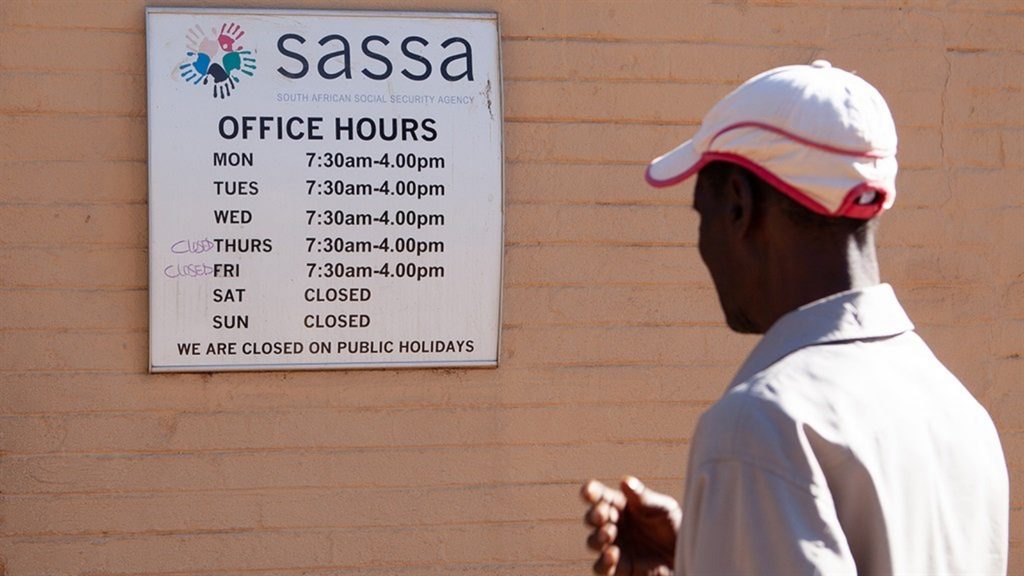
The South African Social Security Agency (SASSA) is experiencing staffing shortages, currently operating at just 44% of its required frontline capacity.
This was recently revealed by the Minister of Social Development, Dina Pule, in response to a parliamentary question from National Assembly member Bridget Masango.
Masango asked the Minister to disclose the current staff complement across SASSA’s offices, the current number of vacancies, and the ideal frontline staff numbers required.
Pule revealed that SASSA had a total staff complement of 7,748 employees at the time of her reply. Of these, 6,846 were permanent staff, with the remaining 902 being contracted.
According to the Minister, SASSA’s frontline staff across all 275 of its local offices totalled 4,499 filled positions, against a total number of 10,328 approved posts.
This leaves the agency with 5,829 vacant frontline positions, indicating a current frontline capacity of 44%, below the minimum required staffing threshold of 50%.
“It must be recorded that the number of vacancies is informed by the organisational structure, which was created in 2005/2006 with 18,604 posts,” Pule said.
“The latter posts have never been funded and or filled at 100% due to financial constraints and changes of SASSA’s business processes in the past 20 years.”
These changes included the implementation of automation and digitisation processes across SASSA’s systems, which Pule said had reduced the number of posts required.
She said the agency planned to fill 261 funded vacant posts before 1 November 2026, with 93 of these being across its Head and regional offices, and 168 across its District and Local offices.
Last week, SASSA CEO Themba Matlou said during a press briefing on the agency’s 20th anniversary that it was in the process of hiring new staff to address nationwide shortages.
Matlou said a recent policy pronouncement from the Department of Public Service and Administration had contributed to the shortfall.
“A number of our officials have left the system, and some are leaving the system,” Matlou said. “We have developed an intervention plan to replace all those officials that have left.”
“We have agreed with executives that within 16 days, we need to have filled most of those positions that our officials have left. In the meantime, we have worked on the contract capacitation of offices.”
According to Matlou, around 1,000 contract workers had been appointed across SASSA’s offices nationwide to date to augment the capacity gap.
Millions dependent on SASSA grants
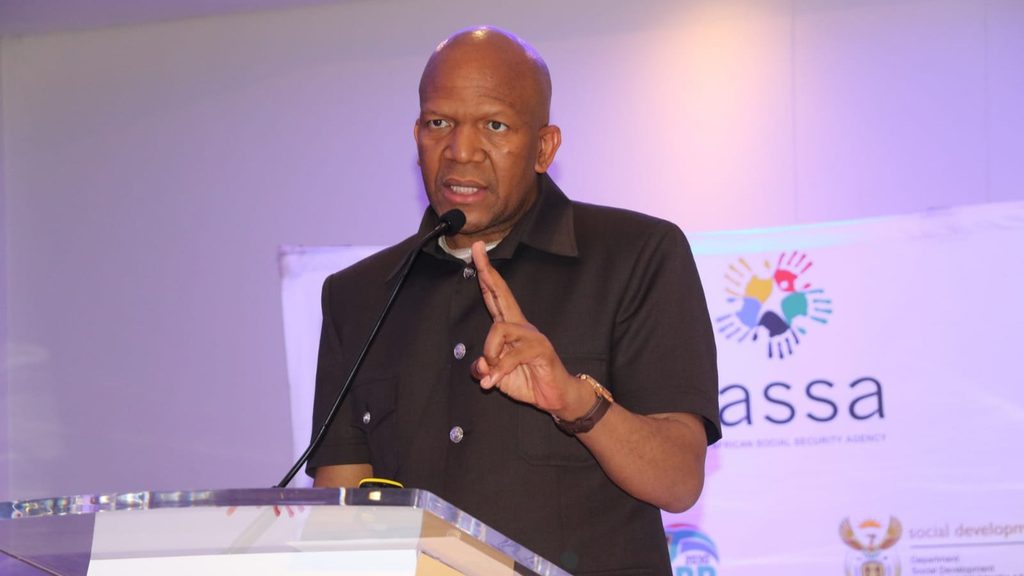
An estimated 26.5 million beneficiaries rely on social grants administered by SASSA as of 2026, representing around 40% of South Africa’s total population.
For the 2026/27 financial year, the South African government allocated SASSA a R292.8 billion budget to spend on social grants, enabling increases for certain grants.
This included an R80 increase in the old age, disability, and care dependency grants up to R2,400, coming into effect from April 2026. The war veterans grant also rose by R80 to R2,420.
The foster care grant increased by R40 to R1,290 in April, followed by a R10 increase up to R1,300 which came into effect this month.
The child support and grant-in-aid grants increased by R20 up to R580, while the R370 social relief of distress (SRD) grant was extended until 31 March 2027.
Sometimes referred to as the Covid grant, the SRD was introduced in 2020 at R350 per month to assist working-age adults who had been negatively affected by the Covid-19 pandemic.
Initially intended to be a temporary six-month relief measure, the grant has been extended multiple times and received a R20 increase in 2024.
Today, around 8.2 million beneficiaries receive the SRD grant every month, with the cost of the latest extension earmarked at an additional R36.4 billion.
SASSA’s social grant budget forms part of South Africa’s larger social wage bill, which accounts for more than 60% of the government’s medium-term non-interest spending.
According to Finance Minister Enoch Godongwana, 70.3% of the country’s social wage in 2026/27 had been allocated towards basic education, health services, and social protection.
This, he said, would provide support to 13.6 million schoolchildren and healthcare services to 84% of the population, in addition to the 26.5 million social grant beneficiaries.
While millions of South Africans are reliant on receiving grants from SASSA, the agency’s current staffing crisis is hindering these people from receiving their funds.
According to Minister Pule, the average customer waiting time across SASSA’s offices for the first quarter of 2026 was 160.9 minutes, above its performance target of 90 minutes.
The Northern Cape recorded the lowest average waiting time per province at 124.7 minutes, while KwaZulu-Natal recorded the highest average time at 180.1 minutes.
Aside from hiring more staff, Pule said SASSA would implement targeted interventions to improve customer flow and service efficiency in order to reduce high queueing times.




Comments