End of a 30-year era for critical South African company


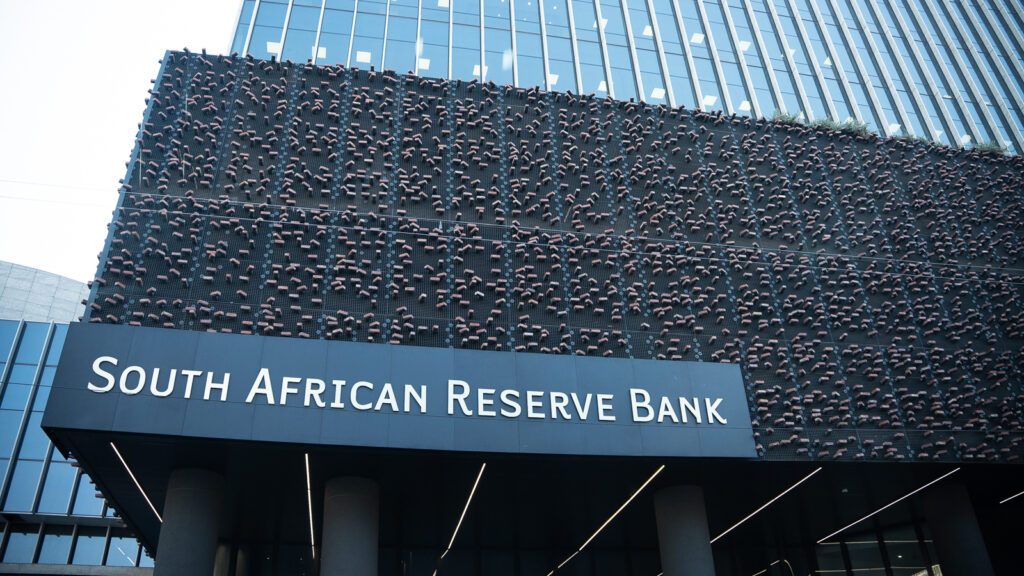
On 2 September 2026, the Reserve Bank concluded the withdrawal of the Payments Association of South Africa’s (PASA) recognition as a payment system management body.
Founded in 1996, PASA has served South Africa’s national payment system (NPS) for three decades, with many of its functions now transferred to the Reserve Bank.
This forms part of the central bank’s ongoing work to strengthen the regulatory, supervisory, oversight, and operational architecture of the NPS.
To this end, responsibility for certain payment clearing houses (PCHs) and rule-related functions was transferred from PASA to the Reserve Bank, effective 11 August 2026.
This included the licensing, authorisation, and registration of NPS payment institutions.
Effective 2 September 2026, the remaining functions and personnel were transferred to PayInc.
PayInc is an automated payment clearing house (PCH) founded in 1972 that serves national and pan-African transactions.
The Reserve Bank acquired a 50% stake in the company in November 2025, forming a public-private partnership to modernise, regulate, and secure the NPS and interbank clearing infrastructure.
PASA responsibilities that have moved to PayInc include managing credit and debit electronic funds transfers, authenticated collections, rapid payments and real-time clearing arrangements.
The Reserve Bank, in turn, has taken over regulatory and authorisation-related activities, certain PCH arrangements, card interoperability, and high-value PCH activities.
With all of PASA’s functions now transferred to PayInc and the Reserve Bank, this marks one of the biggest changes for how payments have been managed in South Africa in the past 30 years.
PASA is a self-regulatory body that has organised, managed, and regulated its members’ activities within the NPS since its establishment in 1996.
Now, this self-regulatory model will fall away, with the hope of strengthening the regulatory, oversight, and operational architecture that underpins payments in South Africa.
Historically, the SARB issued high-level directives and policy frameworks, while day-to-day scheme operations, rule-making, and ecosystem coordination were handled by industry bodies.
“While this structure served a stable, bank-centric environment, it is no longer suited to an era where digital payments must reach all South Africans,” PASA said in its 2025 Annual Report.
“This is not about eliminating cash. SARB’s vision is a cash-smart society, where cash remains available but is no longer the primary instrument for daily transactions.”
“Heavy cash usage is costly, inefficient and limits inclusion. Widespread digital adoption has the potential to increase GDP by 0.5%, a material impact in a low-growth economy.”
“This is why the Governor has placed payment system modernisation on SARB’s strategic map, alongside inflation targeting and the stability of financial market infrastructure.”
Reserve Bank overhauling payments in South Africa

The withdrawal of PASA’s recognition as a payment system management body is one of several initiatives the Reserve Bank has undertaken to modernise South Africa’s NPS.
In the central bank’s NPS Regulatory and Oversight Report for 2025/26, NPS department head Dr Arif Ismail said South Africa’s national payment system is at a pivotal juncture.
“More than simply evolving, the payments landscape is undergoing a profound metamorphosis, shaped by vision, collaboration, and the relentless pursuit of excellence,” he said.
This transition is, in part, guided by the Payments Ecosystem Modernisation (PEM) Programme, which aims to accelerate the integration of digital solutions into the NPS.
The PEM Programme is the Reserve Bank’s strategic initiative to modernise the national payments landscape by enabling fast, simple, inclusive, affordable, and secure digital payments across the economy.
The central bank has made significant progress in implementing this programme, including its acquisition of a stake in PayInc.
The Reserve Bank said this acquisition marked a major step in establishing the national payments utility as a strategic intervention to rapidly modernise the South African payments ecosystem.
“Although South Africa’s payment systems are technologically comparable to G20 peers, digital adoption remains low, and cash continues to dominate retail transactions,” PASA’s Annual Report said.
“To achieve Vision 2025 and PEM goals, SARB should be more directly involved in digital payment infrastructure and product development.”






Comments