South Africa spent R16 billion on new infantry vehicles and did not receive a single one in 19 years


Denel began developing the Badger infantry fighting vehicle (IFV) in 2007, at an initial cost of R1 billion under the name Project Hoefyster.
19 years later, the company has spent R16 billion on the project and has failed to deliver a single vehicle to the South African National Defence Force (SANDF).
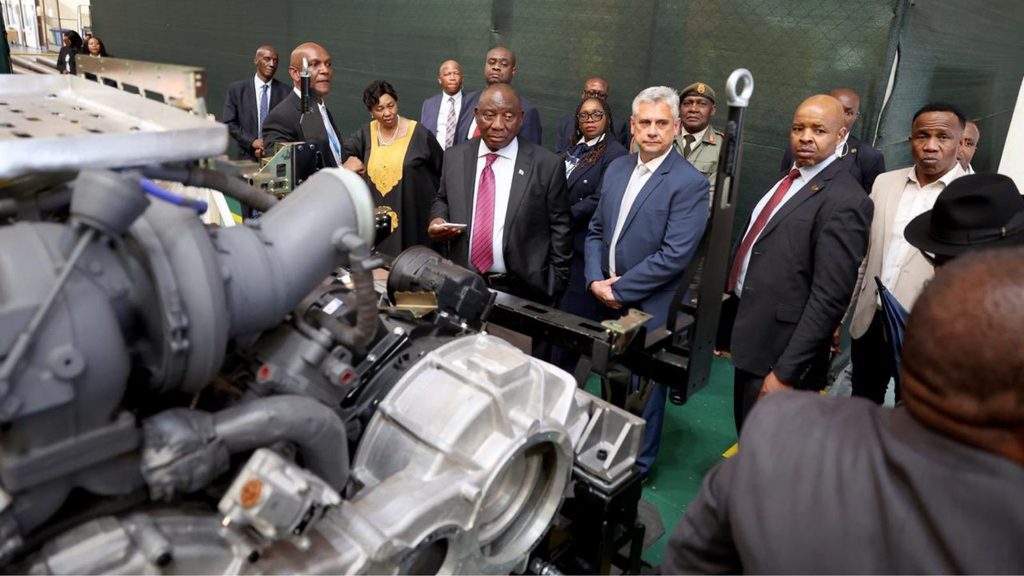
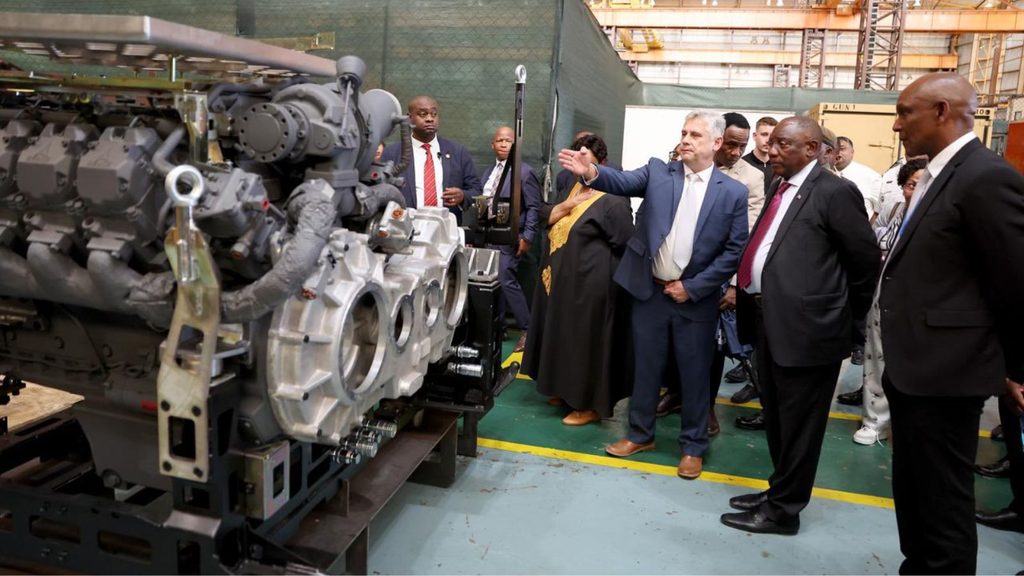
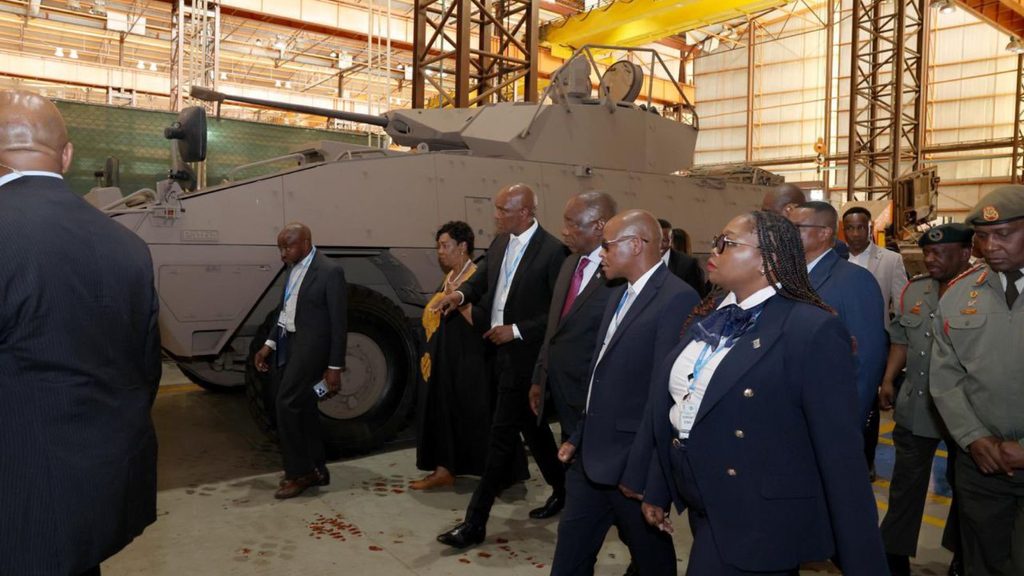
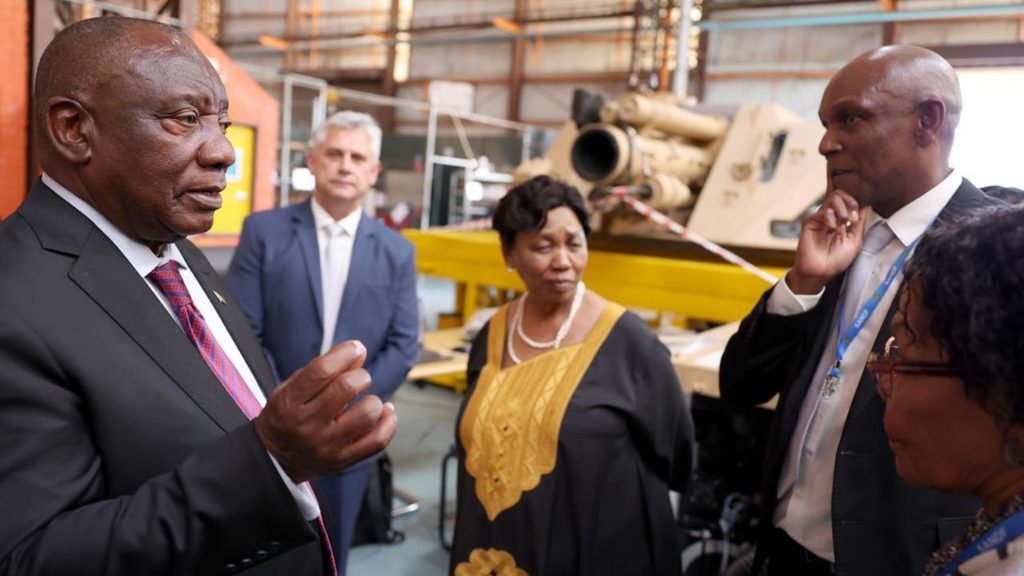
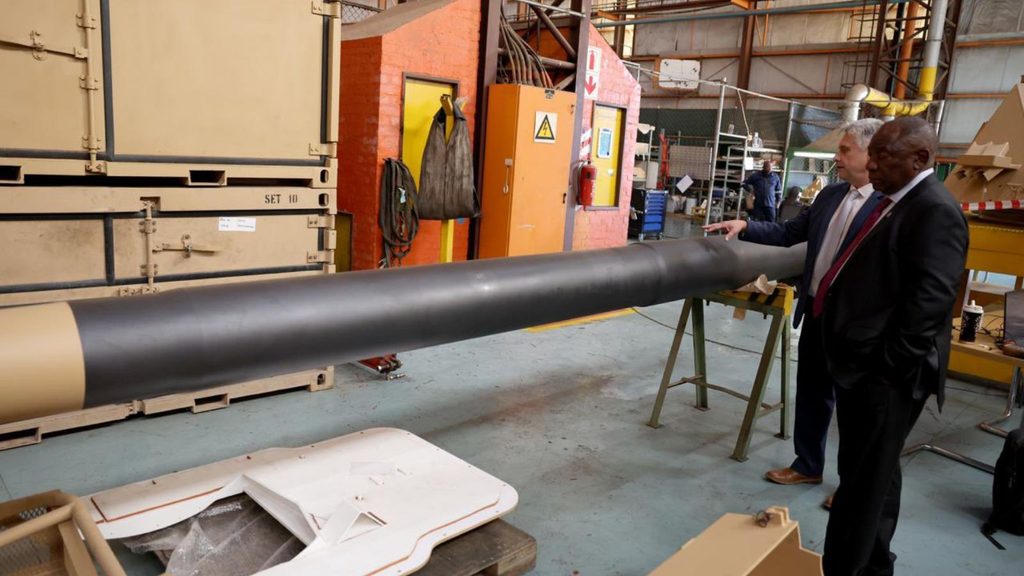
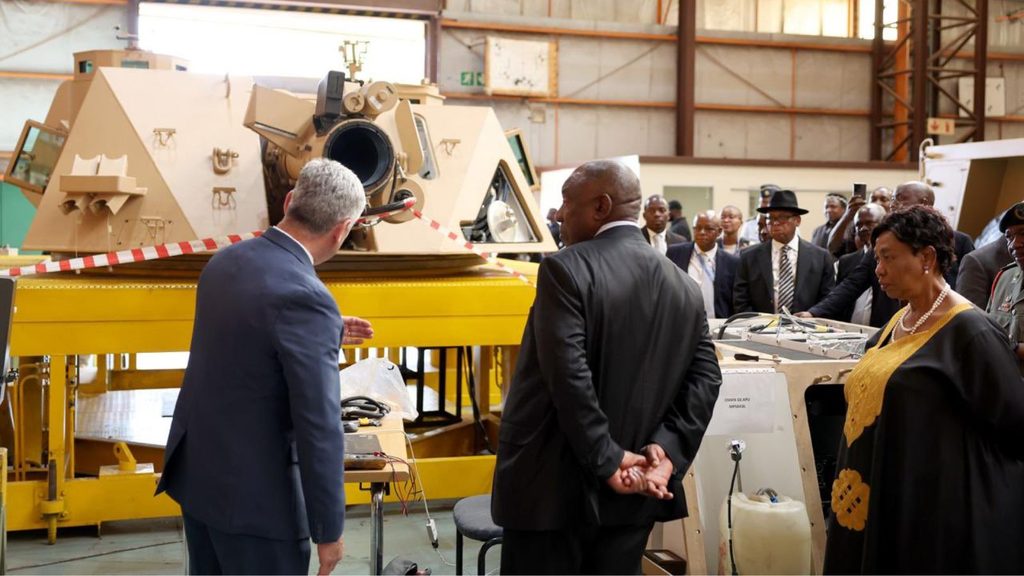
On 2 September 2026, President Cyril Ramaphosa toured Denel Land Systems in Centurion, where he was updated on the progress of the Badger project.
Ramaphosa was shown a mockup of the Badger vehicle, one of its engine units, and its stock and simulator stations.
Institute of Race Relations defence analyst Ricardo Teixeira pointed out that not a single one of these vehicles has been delivered to date.
This is despite the project first being unveiled in 2007, with Denel outlining plans to produce 264 vehicles across five variants.
The project was developed in response to the Ratel IFV’s obsolescence in the early 2000s. While iconic and revolutionary, the Ratel first entered service in 1976 and was no longer up to scratch.
Maintaining the army’s fleet of Ratels became an operational headache and was increasingly expensive, taking up a growing chunk of the defence budget.
Designed for highly mobile, long-range conventional and counter-insurgency warfare, the Ratel’s armour was also seen to be inadequate.
The Ratel also lacked modern optics, thermal imaging, advanced night-vision tracking, and the firepower of its modern peers.
This pushed the Defence Department and the SANDF to develop a new IFV programme, which would be managed by Armscor and Denel.
Planned to replace the Ratel fleet, the programme would develop 264 IFVs across five variants for different army uses.
Initially, the project seemed promising, as it was based on a derivative of the Finnish Patria 8×8 platform that would be modified with locally made turrets and technology.
The project was designed to be highly efficient and was initially allocated a budget of R1 billion to develop the first few iterations.
However, over the next two decades, the project would be beset by delays, corruption, and poor workmanship, resulting in no vehicles being delivered.
From flagship to failure
In 2007, Armscor selected Denel Land Systems as the prime contractor to develop the new fleet of IFVs, which would be the state-owned entity’s flagship project.
Denel has a history of being one of the best defence contractors in emerging markets, exporting its technology and equipment worldwide.
In the early 2000s, this reputation was intact, and the initial R1 billion contract would see it produce a prototype, after which it would be awarded a follow-up contract to industrialise the project.
By 2010, Denel had produced a lead variant within budget and showed it to Armscor. However, the customer requested a six-month hold due to liquidity issues.
In the meantime, Denel used what it had learnt to export 8×8 turrets to Malaysia for its AV8 programme and bought up LMT Holdings, which produced key components for the programme.
Three years after approving the lead variant, Armscor officially placed a Phase 2 production order for 238-242 Badger vehicles.
This was budgeted at R9.4 billion, and the vehicles were intended to be delivered over the next ten years.
Denel’s industrialisation process began immediately, and the company promised the first vehicle would roll off the production line in 2015. The fleet would be completed by 2022.
However, after the Phase 2 contract was signed, it was revealed that Denel had not achieved the required Phase 1 development milestones.
This created what Denel refers to as cascading execution failures in its annual reports, which occurred throughout the programme’s development.
The company’s inability to establish technical baseline specifications due to incomplete Phase 1 repeatedly stalled production.
In the meantime, Armscor gave Denel a 10% advance payment to add extra vehicle variants, increasing the burden on the contractor.
Denel’s challenges were exacerbated by its becoming a victim of state capture, with vital resources looted. Crucially, it lost skilled technicians who were chased out.
Unpaid salaries led to an exodus of engineers, designers, and project managers. These gaps were filled by people without formal training.
Ultimately, the project was completely halted by technical failures, state capture, and Denel’s liquidity crisis.
In its most recent annual report, Denel revealed that the project has been reviewed and remains critical to the SANDF.
Armscor and Denel entered into a revised agreement, reducing the number of vehicles and variations to ease the burden on the contractor.
Armscor values the total cost of completion at R16 billion, factoring in escalation, asset write-downs, and long-term logistics.
To date, not a single vehicle has been delivered.
Badger development photos
Comments