Eskom increased prices so much that revenue rose 118% despite it selling less electricity


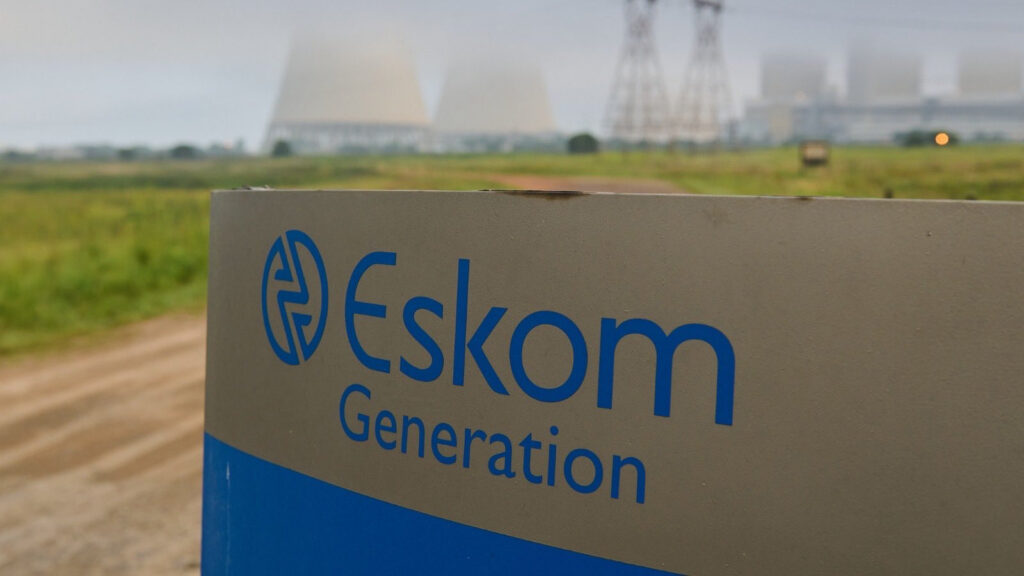
Eskom sold less electricity in 2026 than it did a decade ago. However, its revenue from electricity sales rose 118% thanks to above-inflation tariff increases.
During its 2025/26 financial year, Eskom recorded electricity sales volumes of 178 TWh, a 6.2% decline from the prior year and its lowest annual sales volume since 2000.
This continued a trend of declining electricity sales, which has seen the utility’s sales volumes dropping by 17% over the past decade, totalling 214.49 TWh in 2015/16.
Despite this, Eskom’s electricity revenue has surged by 118% over the same period, from R161.69 billion in FY2015/16 to over R353 billion during FY2025/26.
The primary driver of this revenue growth has been the rise in the average price per unit of electricity sold, which has more than tripled over the last ten years.
While Eskom’s average electricity tariff in 2015/16 was 76.24 cents/kWh, by 2025/26 it had reached 241.64 cents/kWh, offsetting much of the loss in sales volumes.
The steep rise in tariffs has been attributed to Eskom’s ongoing efforts to implement a cost-reflective tariff structure that generates sufficient revenue to cover production costs.
This has been an ongoing struggle since 2006, with tariffs approved by the National Energy Regulator of South Africa (Nersa) historically lagging behind Eskom’s actual cost of supply.
According to Eskom, this led to an increased reliance on state-guaranteed debt to cover the revenue shortfall, which stood at R328 billion as of the latest financial year.
To reduce its dependence on state guarantees and rehabilitate its income statement, Eskom previously launched review applications to challenge Nersa’s tariff decisions.
Favourable court rulings subsequently forced Nersa to apply the correct regulatory methodology, enabling Eskom to recover billions of rands in lost revenue through higher tariffs.
This reached a peak in 2023, when Nersa allowed the power utility to raise electricity prices by 18% during a single year.
Future tariff hikes unsustainable
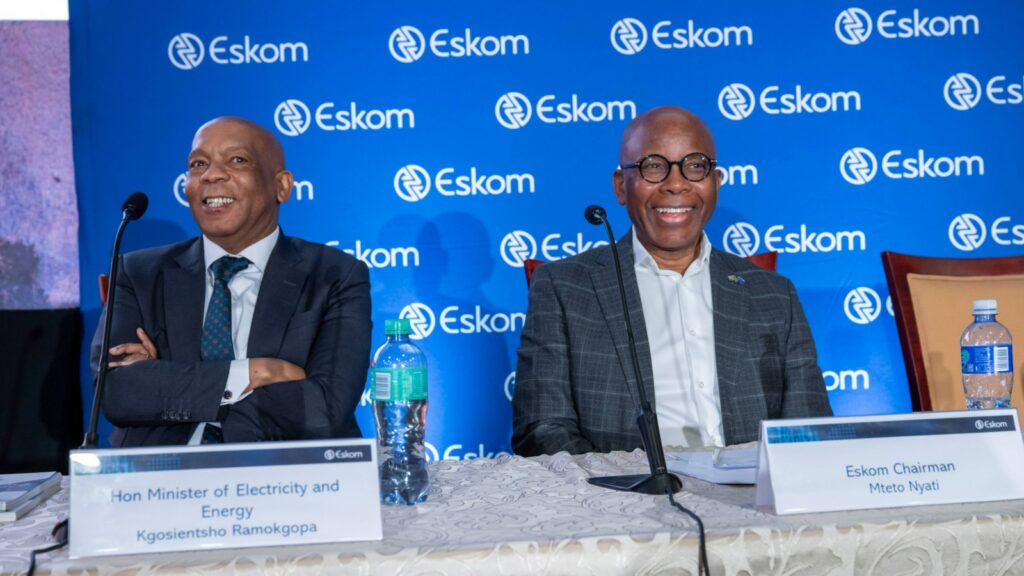
While the rise in electricity tariffs has enabled Eskom to offset much of the revenue lost from declining sales, this is not sustainable.
As Eskom’s prices continue to climb, energy becomes unaffordable for more households and businesses across South Africa, with many moving towards alternative energy sources.
This has been prevalent in South Africa’s industrial sector, which saw a 22.5% drop in sales in 2025 as some of Eskom’s largest customers could no longer afford its electricity.
Eskom acknowledged that previous double-digit tariff increases were unaffordable, with its sixth multi-year price determination (MYPD) keeping tariffs in the single digits for the next few years.
While Eskom said it was acutely aware of the affordability concerns, it noted that its current tariffs are below the level required to fully fund its operations.
“On affordability, tariffs remain a critical concern given rising unemployment, poverty, and pressure on the cost of doing business,” Eskom said.
“We have introduced tailored pricing arrangements to retain large industrial customers such as ferrochrome smelters, which otherwise faced closure due to economic hardship.”
Eskom said the closure of these businesses would have left the utility with underutilised assets and penalties under take-or-pay coal supply agreements.
Eskom is now preparing to submit its seventh MYPD to Nersa for approval, which will determine its allowable revenue from FY2029 onwards.
The power utility said it would appeal to Nersa to restructure the current retail tariff to be more cost-reflective for Eskom and more affordable for South African households and businesses.
“The board recognises that tariff increases alone are not sustainable or affordable for customers,” Eskom said.
“Enhancing revenue outcomes will depend on diversifying revenue streams in a reformed electricity market, retaining and growing sales while strengthening collection efforts, and improving tariff structures.”


Comments