South Africa’s financial watchdog launches market abuse investigation


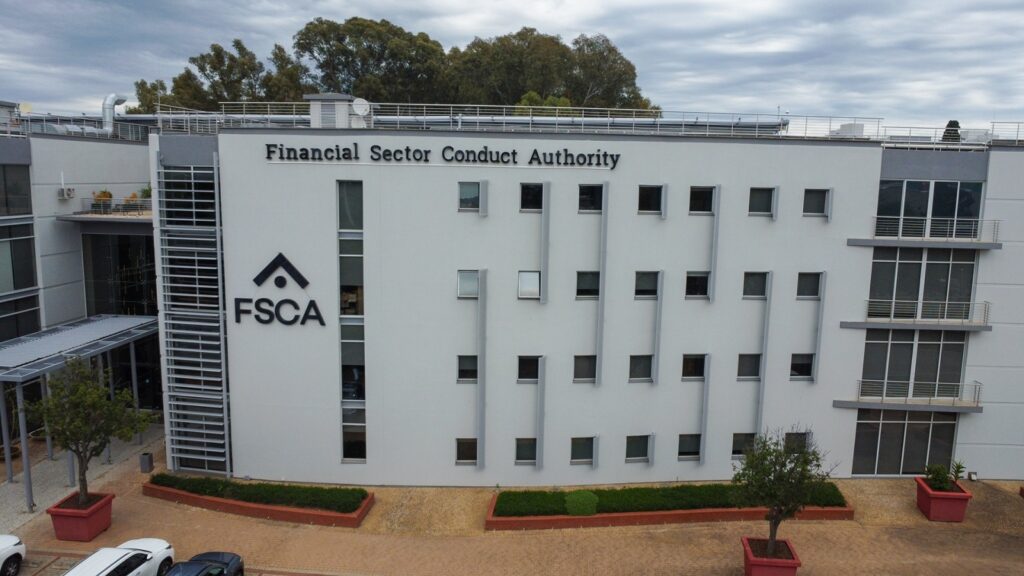
The Financial Sector Conduct Authority (FSCA) has launched a market probe into an alleged market manipulation tactic in South Africa’s contracts for difference (CFD) trade.
CFD trading allows investors to speculate on the price fluctuations of an underlying asset, such as a share, without actually owning said asset.
The buyer of a CFD agrees to pay the seller the difference between the asset’s current value and its value at the time the CFD arrangement was initiated.
If the asset’s value increased during that time, the seller would have to compensate the buyer for the price increase, and vice versa if the value decreased.
CFD trading for retail investors is heavily regulated and even prohibited in some countries, particularly in the United States, due to the high levels of leverage and risk involved.
Capital.com estimates that around 80% of retail investor accounts lose money when trading CFDs on its platform, recommending the practice for experienced investors only.
The practice is allowed in South Africa. However, only FSCA-approved platforms such as Sharenet allow South Africans to trade CFDs.
FSCA Departmental Head of Market Abuse, Alex Pascoe, told 702 that the regulator had picked up on a growing trend of potential market abuse in its last financial year.
“Participants seek to exploit the weaknesses within these pricing mechanisms across these interconnected markets,” Pascoe said. “What they would do is target the underlying prices of shares or indexes.”
“They would then take positions within the best bids and offers in the underlying equity market, and take the derivative positions in the CFDs.”
By placing small equity trades to artificially shift share prices, these traders are able to profit from much larger, highly leveraged bets on the same assets.
This, Pascoe explained, allowed them to take advantage of highly geared CFD positions on other markets, such as the Johannesburg Stock Exchange (JSE).
The FSCA’s investigation
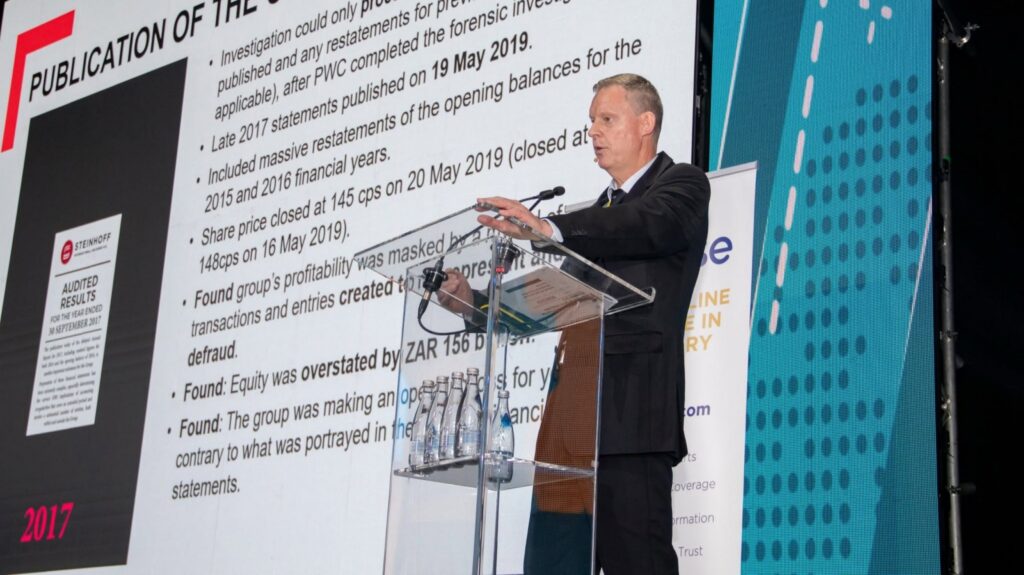
According to the FSCA’s Regulatory Actions Report 2026, the regulator is currently running three separate investigations into the manipulation of underlying equity prices.
With regard to the CFD investigation specifically, the FSCA said that similar behaviour had been identified by regulators in other major jurisdictions.
“Particularly, the UK Financial Conduct Authority has highlighted the risk of market participants using orders in the underlying market to ‘narrow the spread’,” the FSCA said.
“They would thereby obtain advantageous pricing in related CFD and spread-betting products, demonstrating that this is an emerging international market abuse trend.”
As part of its own investigation, Pascoe explained that the FSCA would use suspicious-looking trading information provided by the JSE.
This will assist the FSCA in determining who these market players are, as well as the motives and intentions behind their trades.
It will also help the regulator to determine whether these trades have been consolidated amongst select groups or individuals.
“We would replay those markets,” Pascoe said. “We will identify exactly who the players are and what their intentions were.”
“We will then follow that through with interviews and interrogations, and establish other markets that they’ve got positions in.”
Pascoe explained that the timing of these trades would be closely monitored, along with their pricing and how these positions were acquired.
Following this, if the FSCA determines that the motive of these traders is tied to their derivative positions, the regulator would present this as a case of market manipulation and abuse.
According to Pascoe, the investigation arose from complaints which the FSCA had received from the CFD trading platforms themselves over suspicious-looking trades.
He said similar behaviour had been identified by the FSCA during the 2008 financial crisis, where participants manipulated share prices in closing markets to avoid variable margin calls.





Comments