The tiny South African town where every house has to be painted white


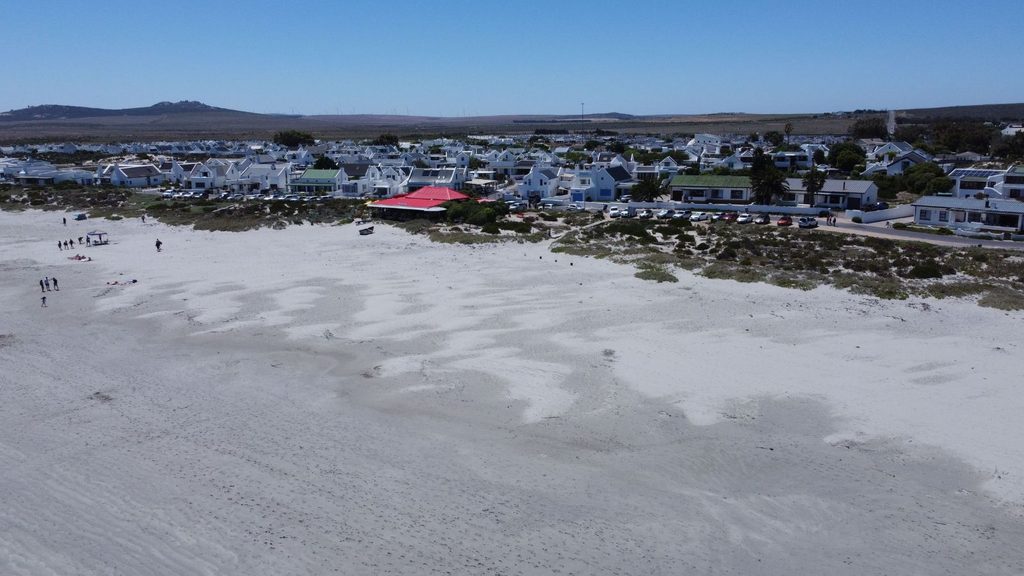
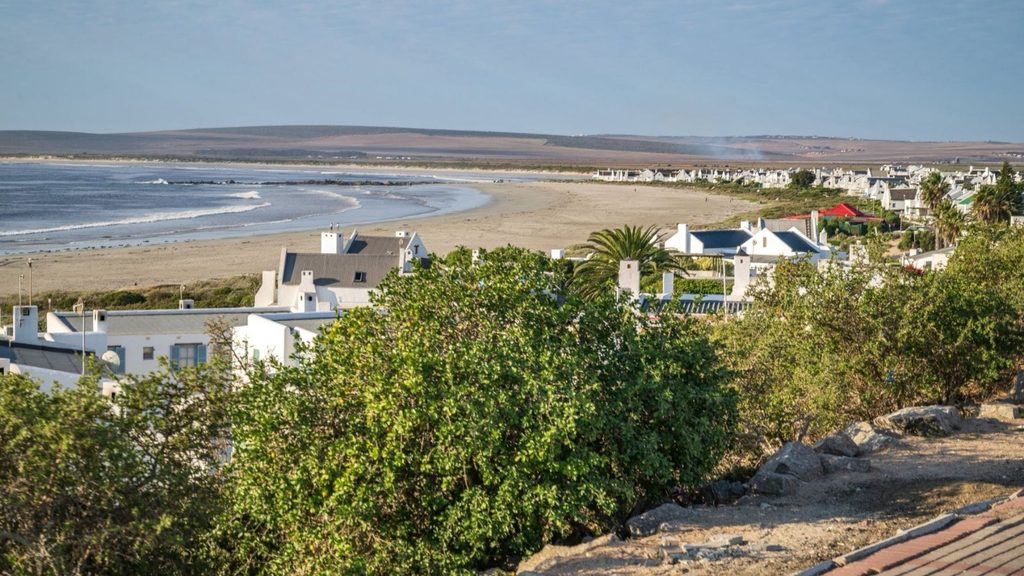
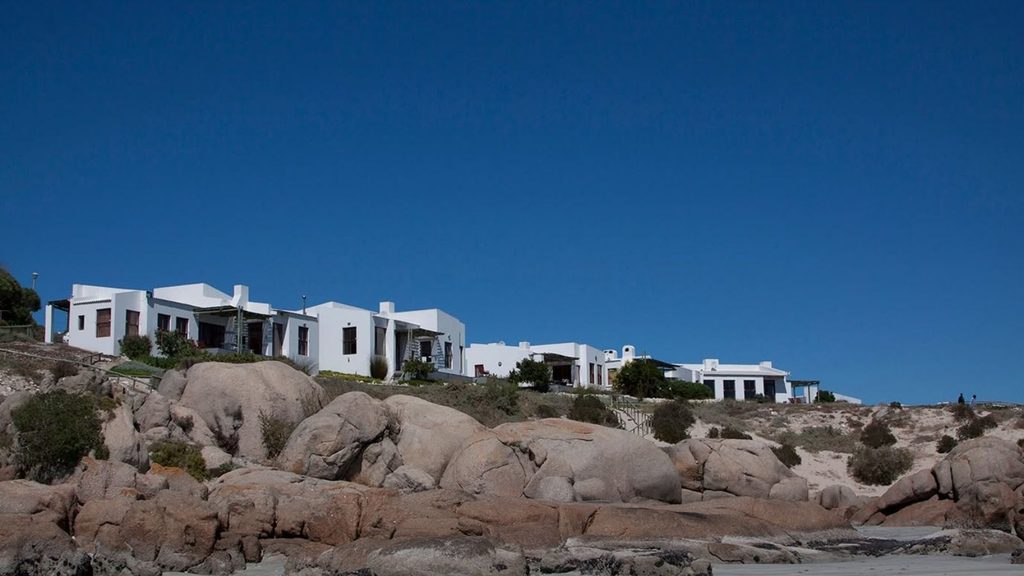
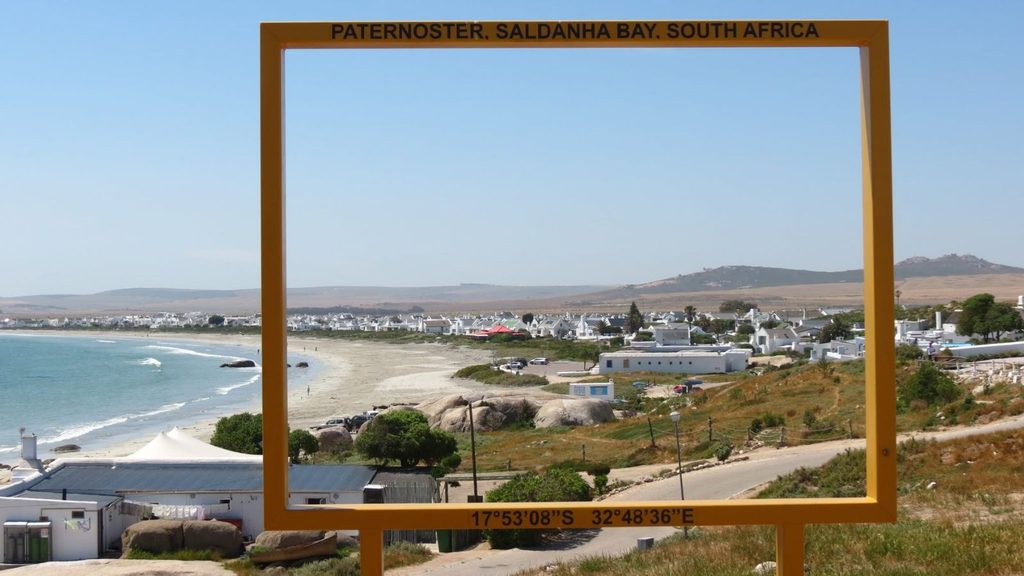
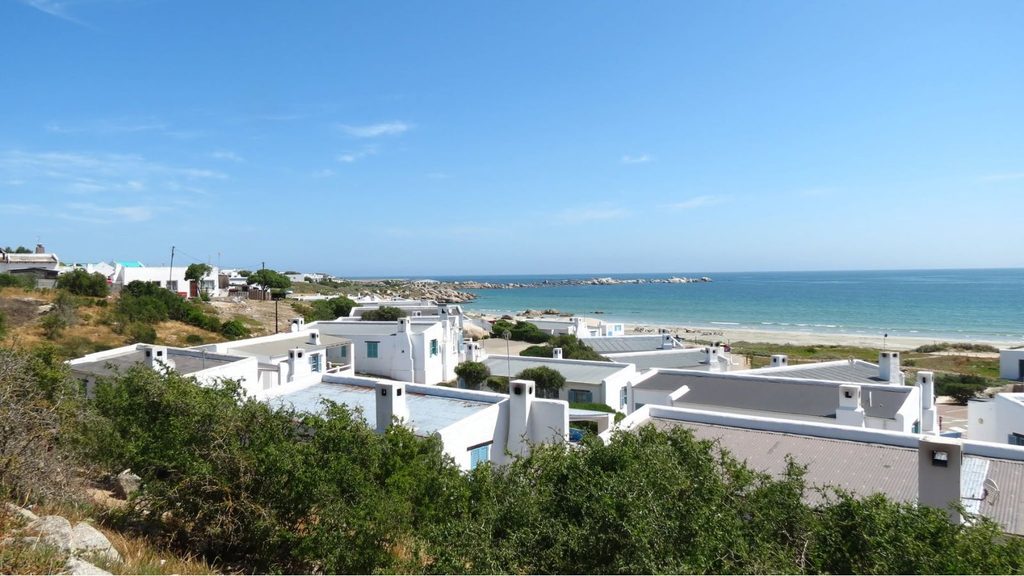
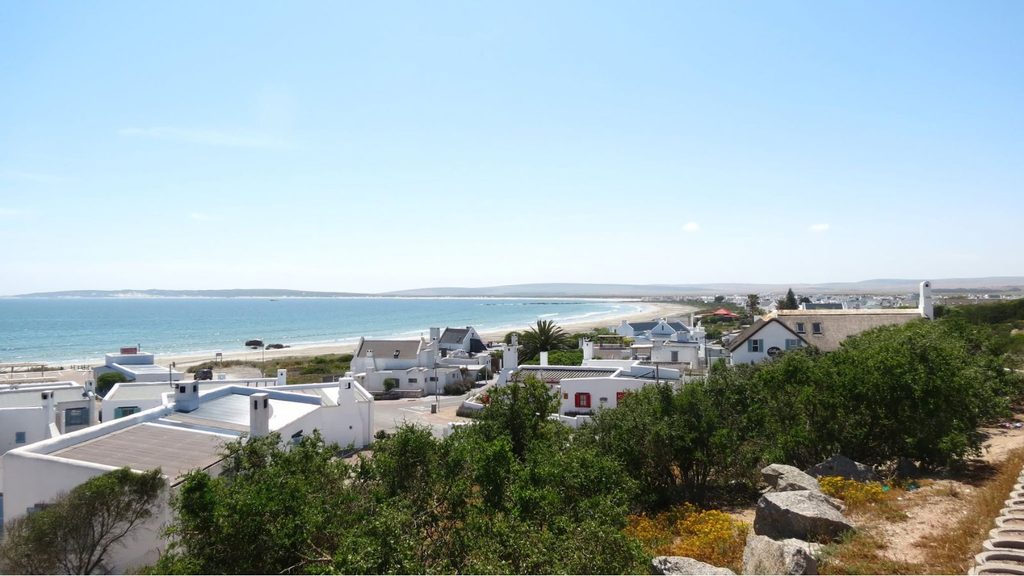
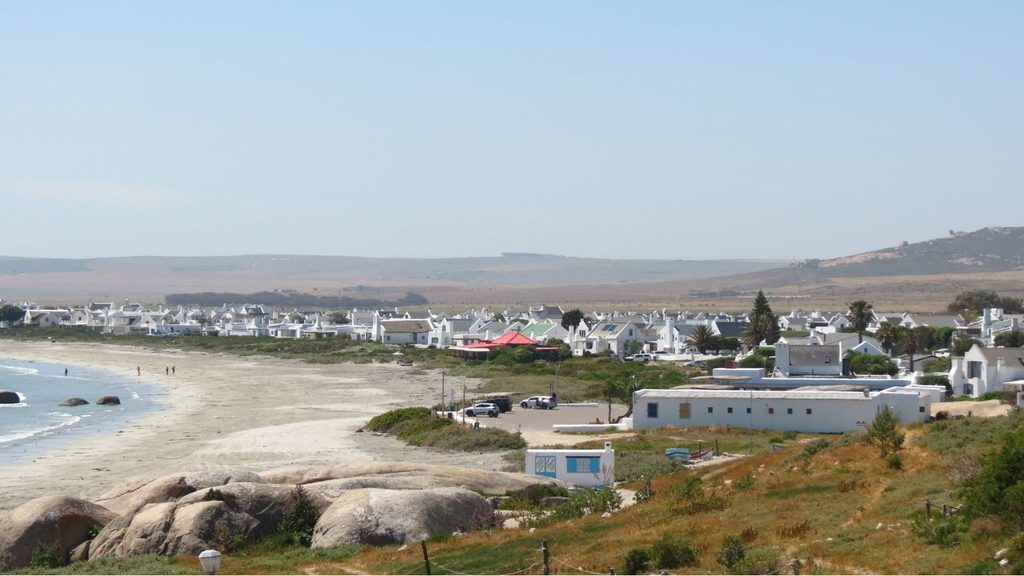
Paternoster’s local building regulations and architectural guidelines ensure that every house in the town has white-washed or white-painted exterior walls.
This gives the town a unique feel and atmosphere reminiscent of Santorini, Greece, where prominent buildings are white and blue.
The colour in Paternoster is also a nod to the town’s name, which means “Our Father” in Latin and is commonly associated with Catholic Portuguese sailors.
These sailors supposedly said the Lord’s Prayer in thanks to God after surviving storms off of South Africa’s notoriously brutal coastline.
However, other potential explanations for the name include the prayer beads worn by local indigenous inhabitants.
These inhabitants were in the area long before the Portuguese arrived, with shell middens along the coast pointing to thousands of years’ worth of human settlement.
One thing has remained constant throughout Paternoster’s history – its reliance on the sea for food and commerce.
As with most towns along South Africa’s west coast, Paternoster grew rapidly in the 19th and 20th centuries thanks to commercial fishing.
The town is renowned for its production of crayfish, particularly West Coast rock lobster, pilchards, and fish paste.
Other towns along the west coast eventually shifted toward importing industrial goods and exporting raw materials from inland mines.
In contrast, Paternoster has remained largely unchanged since the 19th and early 20th centuries, despite significant industrial investment.
The iconic Redro factory was opened in the 1930s to produce fishpaste to compete with the British Peck’s Anchovette. The paste proved immensely popular.
Redro enjoyed decades of effective monopoly in the fish paste market and is now owned by the Pioneer Food Group.
Paternoster did not experience the boom-and-bust cycles of many towns linked to South Africa’s mining industry, with its population growing steadily towards 3,000 residents today.
Historically, the nearby towns of Langebaan and Saldanha Bay have attracted workers, retirees, and holidaygoers.
As semigration from South Africa’s inland provinces to the coast picked up steam, Paternoster experienced an influx of remote workers and retirees.
This created a challenge for the town: embrace the growth and change, or protect its unique feel as a fishing village. Thankfully, this was a challenge Paternoster was prepared for.
Every house must be white
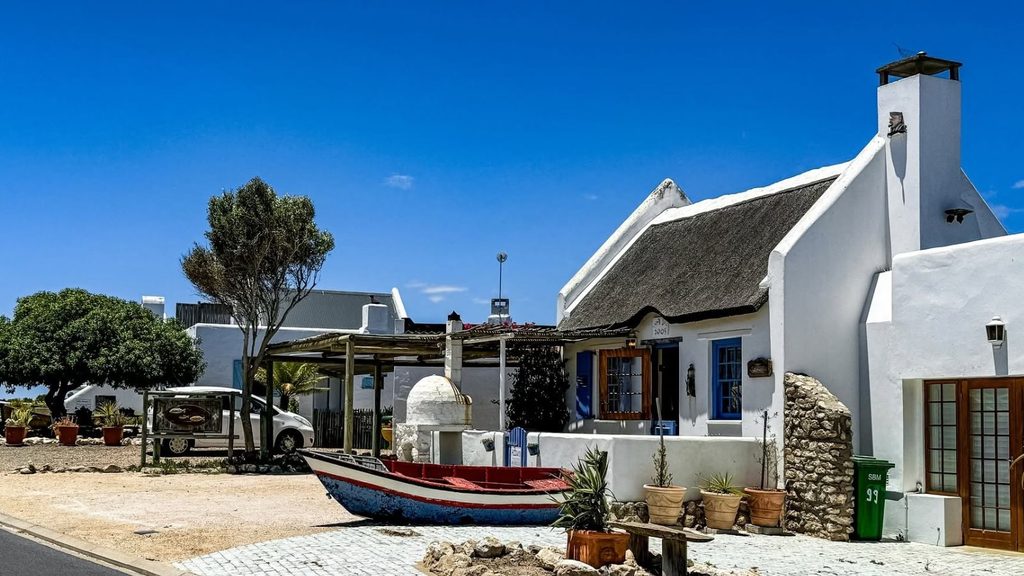
For Paternoster, the rise in semigration to the town was not a challenge, as municipal regulations and historical precedent had addressed the issue years earlier.
To maintain its unique identity, Paternoster avoided urban sprawl and the mixing of architectural styles by implementing specific building guidelines for new construction and renovations.
All plans submitted to the Saldanha Bay Municipality must comply with local heritage guidelines rooted in traditional Western Cape architecture.
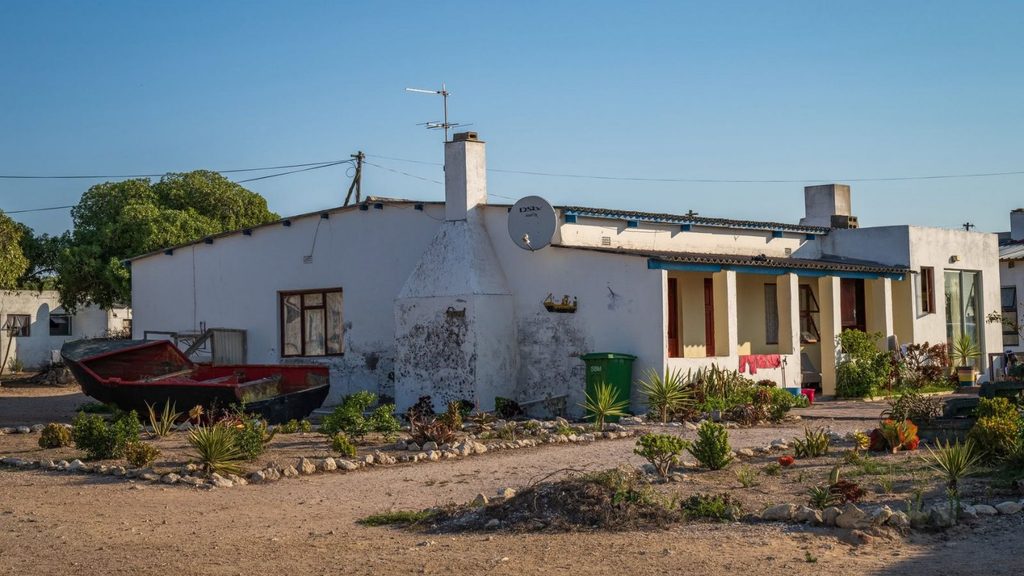
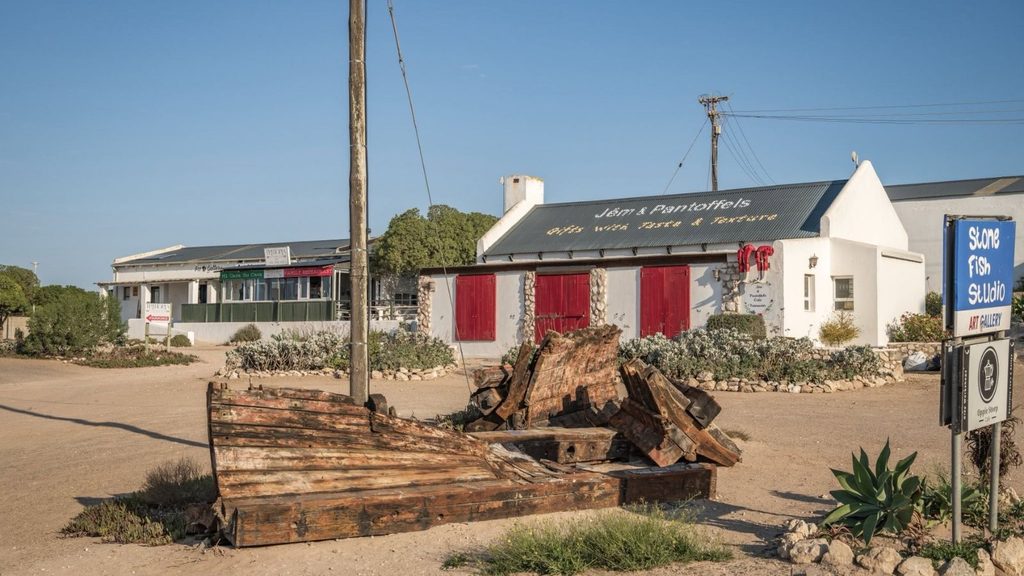
This architecture was modelled on 19th-century fishermen’s cottages, which still dominate the town today.
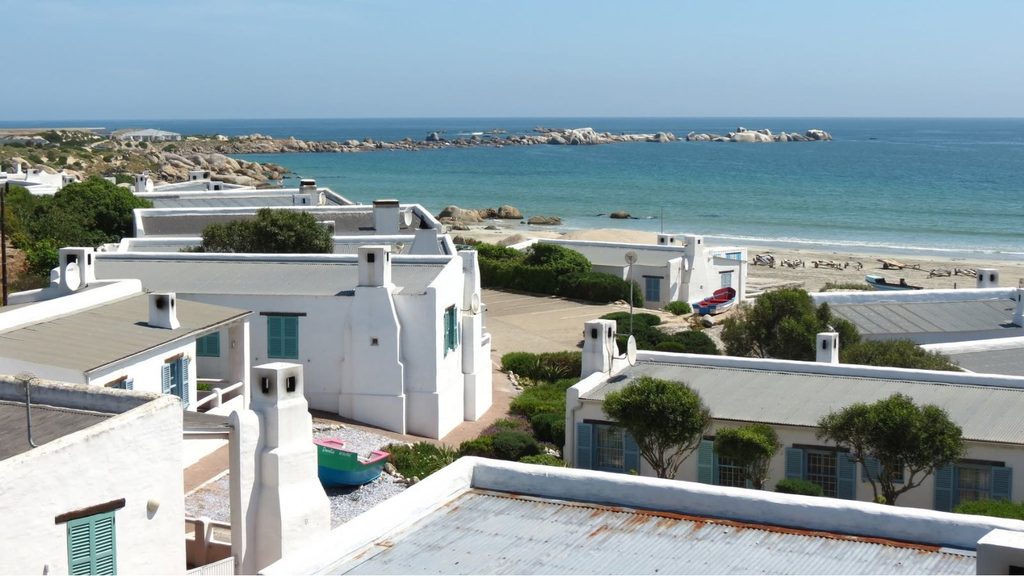
As a result, all exterior walls must be painted brilliant white or off-white, and accent colours are limited to low-contrast tones and primary blue.
While there are a few examples of double-storey guest houses, new buildings are limited to a single storey to preserve open sea views.
Houses must also mimic traditional cottage proportions, with thick walls, simple rectangular floor plans, small sash windows, and external chimneys.
New construction is tightly regulated, and South Africa’s heritage laws also protect all structures older than 60 years.
Alterations to these structures require approval from Heritage Western Cape to prevent demolition or the construction of modern additions.
While these tight regulations limit Paternoster’s growth, they ensure that the town enjoys a thriving tourism industry.
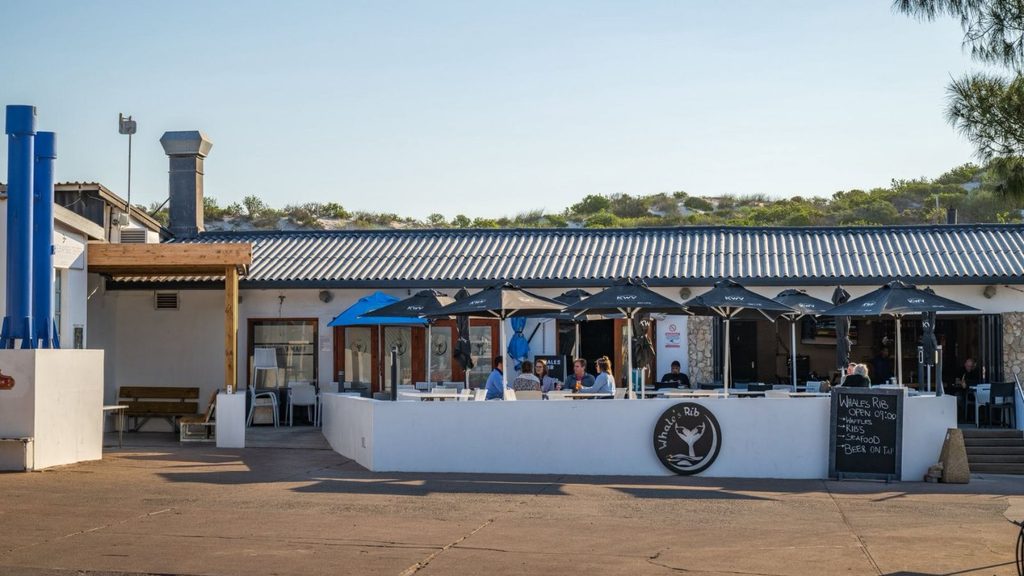
The town’s historic fishing industry has also proven to be the bedrock for its flourishing culinary scene, which ranges from traditional bokkoms to high-end restaurants.
Most famously, the town is home to Wolfgat, which was named the World’s Number 1 Off-Map Destination by the World Restaurant Awards in 2019.
Wolfgat offers a unique dining experience featuring hyper-local ingredients from the Western Cape, curated by chef Kobus van der Merwe.
Paternoster photos




Comments