From R20,000 to R1.88 billion by selling tekkies


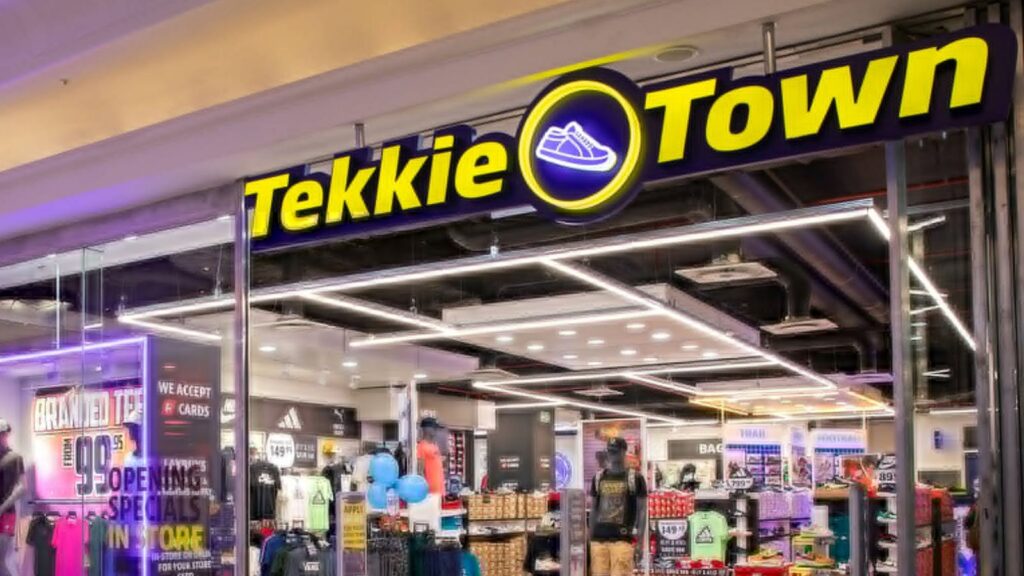
Tekkie Town has its origins in a small tekkie store that Braam van Huyssteen opened in 1989 with R20,000 in cash.
The company did not borrow a single cent outside of that R20,000 before it received its first private equity investment in 2014 at a valuation of R1.88 billion.
This equates to a return on investment of 90,000 times, putting it among the best investments in South African business history.
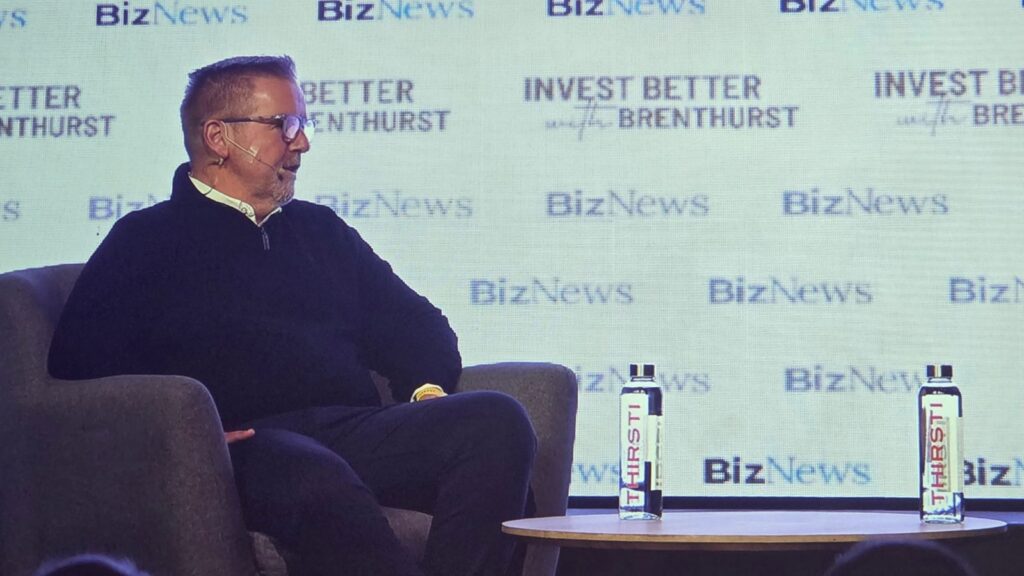
Van Huyssteen’s close partner throughout this journey, Bernard Mostert, shared the story of Tekkie Town at the 9th BizNews Conference.
Mostert joked that he had to correct the record on who founded Tekkie Town, with many attributing its creation to him, as its longtime CEO.
“I wasn’t there at the beginning. Braam did it as a solo entrepreneur in 1989 with R20,000 in cash. I joined a bit later,” Mostert recalled.
“If we jump to the first external valuation, the Actis deal in 2014, the value of the company then was R1.88 billion. That R20,000 turned into R1.88 billion, a 90,000 times return on investment.”
Mostert explained that building such a business was extremely difficult, with Tekkie Town opening its doors amid significant political instability and economic uncertainty.
In a similar vein to its eventual parent company, Pep, Tekkie Town saw the huge opportunity of selling products to South Africa’s large black population.
This was not allowed under the apartheid government, but as legislation relaxed and South Africa became a democracy, the market opened up.
Van Huyssteen used his experience of running sports shops to capitalise on the gap in the market for affordable, branded shoes.
The first Tekkie Town that would be recognisable today was opened in 2001, just outside of Cape Town. Mostert said building the business was brutal, but rewarding.
“Braam grew this business, and he did that by schooling us as a mentor in an incredibly hard way, through his example,” Mostert said.
“To this day, it feels like he can flick a switch, and when he wants to work, nobody can work harder than him. It is increasingly less common than in the past, but he can do it whenever he wants.”
Mostert explained that he was fortunate to join Van Huyssteen when he did. “I had a great mentor, and that is what started this story for me.”
Turning R20,000 into R1.88 billion
As Mostert explained, Tekkie Town grew without taking on any debt, with its growth funded entirely by cash generated by the business.
Business boomed throughout the 2000s, with the decision not to raise debt giving Tekkie Town significant freedom in pursuing opportunities.
The company was not answerable to anyone, as it was led by Mostert, Van Huyssteen, and a close-knit group of friends.
Crucially, Tekkie Town had latched onto a revolutionary trend in South Africa. The country’s consumers were becoming increasingly brand-conscious across all income segments.
Historically, branded clothing and merchandise were the preserve of the wealthy and middle class who could afford it.
As South Africa emerged from apartheid and its economy opened up to foreign investment, disposable income surged, and lower-income South Africans wanted name brands.
Tekkie Town focused on stocking major global sports and lifestyle brands, such as Adidas, Nike, Puma, Reebok, and Vans.
It stocked all these brands under one roof and operated its stores on a no-frills basis. The company viewed its stores as forward warehouses, similar to Makro but more accessible.
Mostert said the crucial part of the business’ success was Van Huyssteen’s discipline in refusing to take on debt to try to accelerate growth and not to veer away from what made Tekkie Town unique.
The company’s rapid growth resulted in private equity investors knocking on its door, wanting a piece of the action.
First up was Old Mutual Private Equity, which conducted due diligence on the business for a couple of months.
“We ended up not doing the deal because in that year we had missed out earnings target, resulting in them marking down the valuation,” Mostert explained.
Next up was Actis, an American-led private equity firm with significant investments in retail real estate across Africa.
This made it a better fit for Tekkie Town, and a deal was struck valuing the company at R1.88 billion. However, this was not the end of the story for the company.
In late 2016, Steinhoff came knocking and bought Tekkie Town for R3.2 billion from Actis and the management team, which switched their Tekkie Town shares for Steinhoff shares.
Today, Tekkie Town is owned and operated by Pepkor, to which it was moved under in the Steinhoff deal. Van Huyssteen and the former owners agreed to a R1.2 billion settlement with Steinhoff in 2021.


Comments