The small South African town that is now at the centre of water rights and an important factory closing down


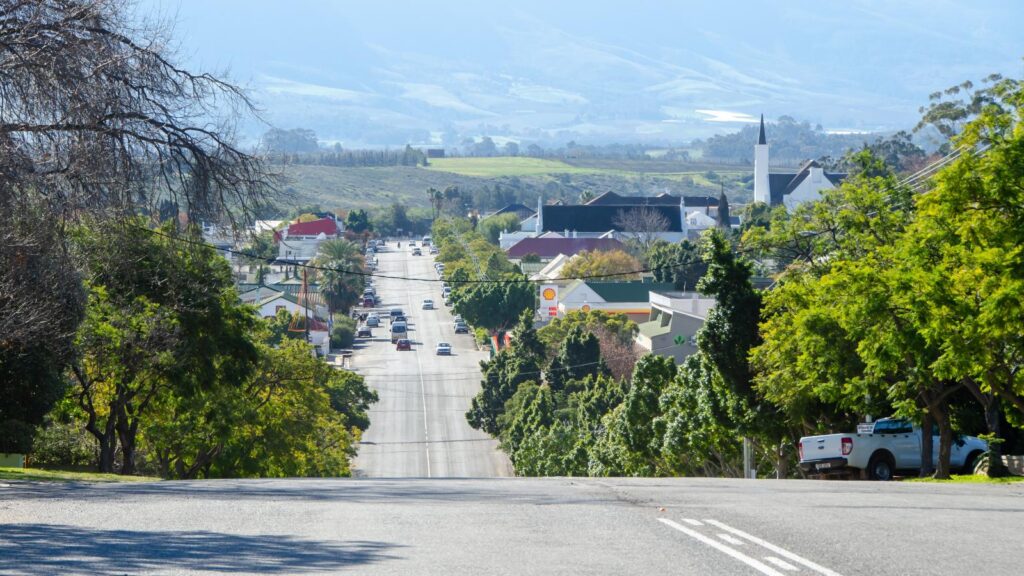
Tulbagh, a historic town in the Cape Winelands of the Western Cape, is making headlines for water-rights battles, land reform, and the closure of a large plant.
Tulbagh is one of the oldest towns in South Africa. It was proclaimed a town in 1804 and named after the Governor of the Cape of Good Hope, Ryk Tulbagh.
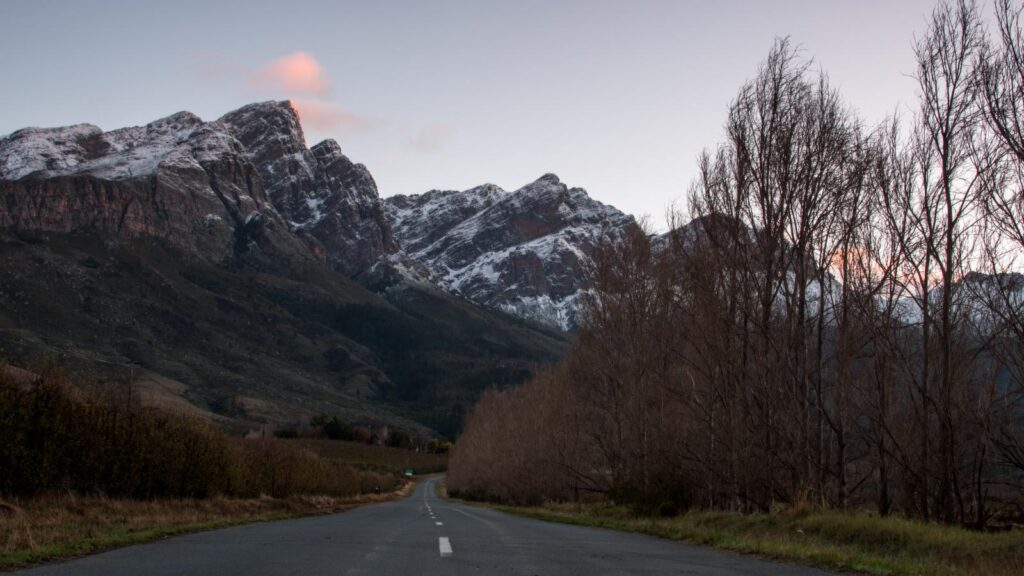
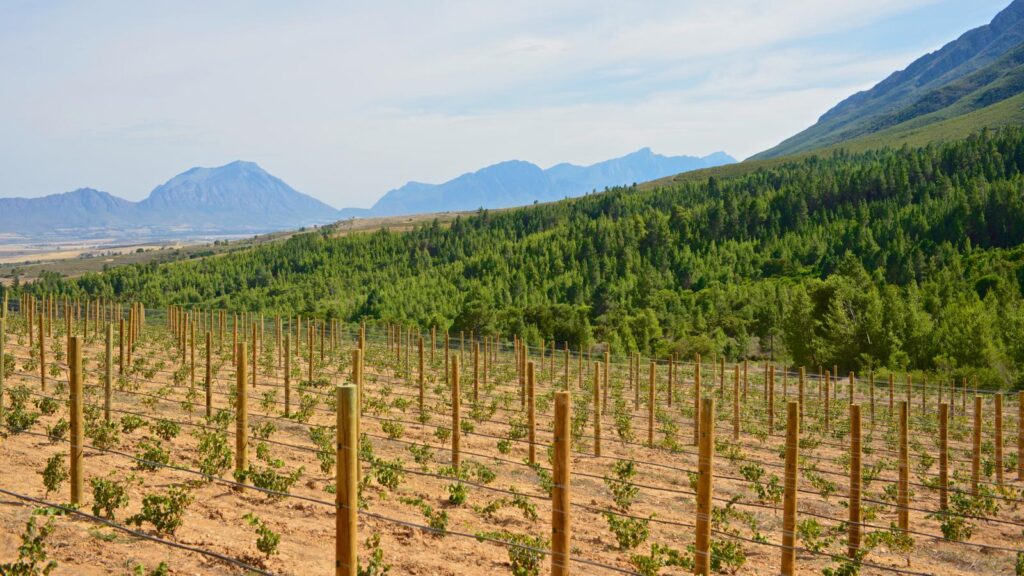
It is located in the Land van Waveren mountain basin, fringed on three sides by mountains and drained by the Klein Berg River and its tributaries.
The surrounding horseshoe of mountains creates a natural cold trap, where cold nocturnal air settles on the valley floor during hot summer days.
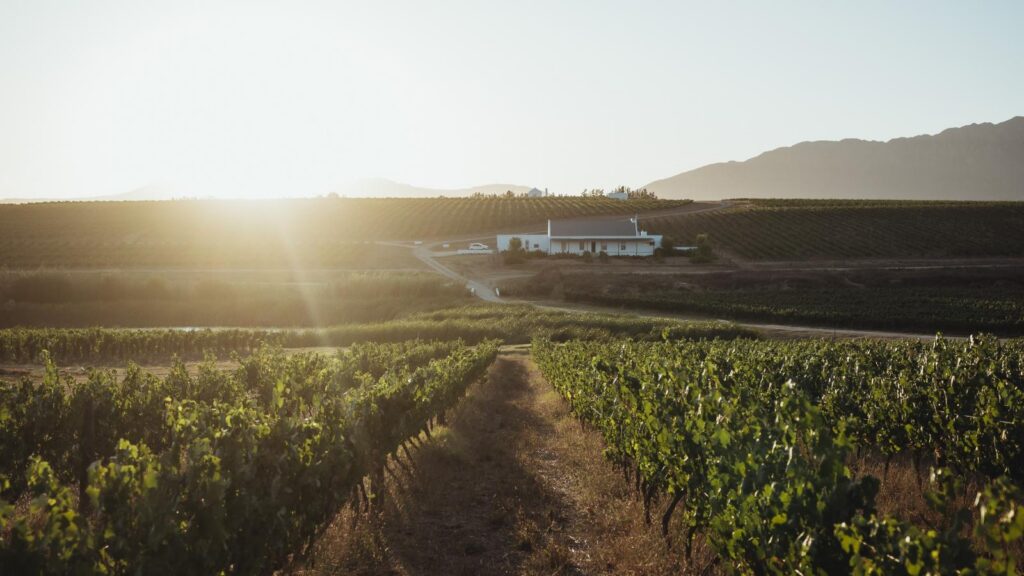
This unique climate means that the area enjoys some of the most diverse and attractive conditions for growing grapevines in the Cape.
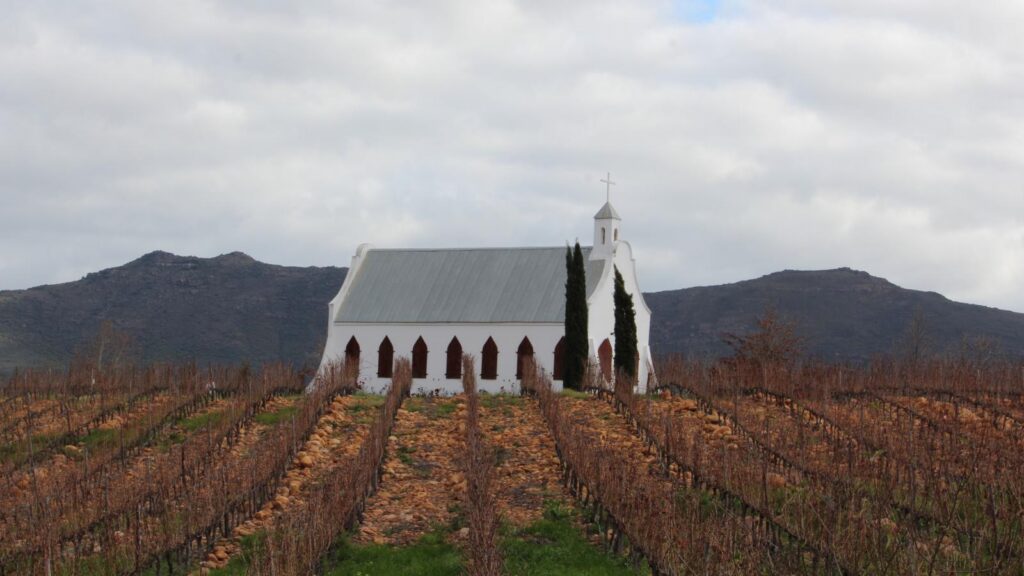
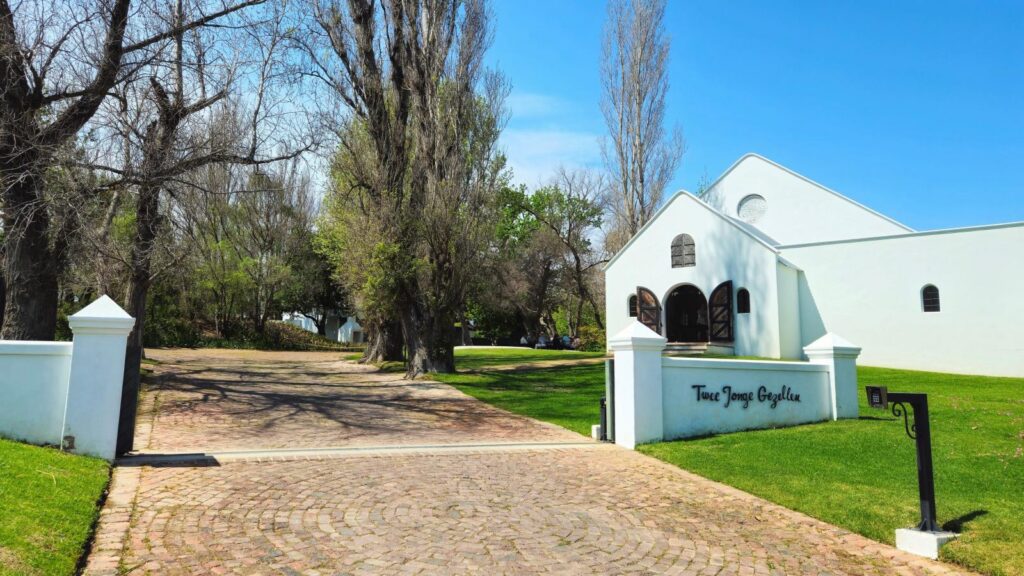
Tulbagh is known for its wine estates in and around the town, including Saronsberg Cellar, Rijk’s Wine Estate, and Krone at Twee Jonge Gezellen.
Beyond grapes, the valley is an important exporter of stone fruit, including plums, peaches, and pears, and has historical ties to early commercial rooibos farming.
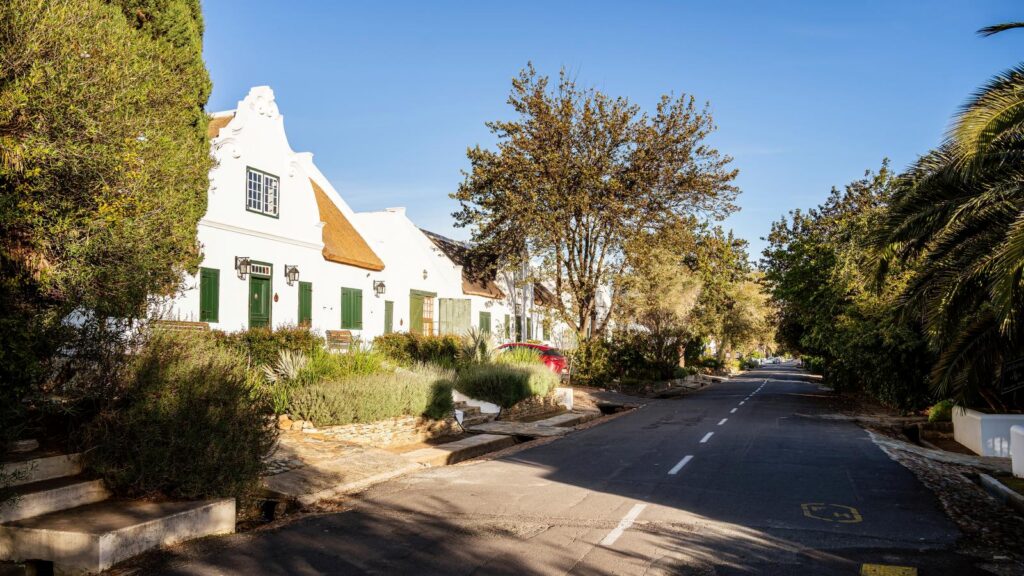
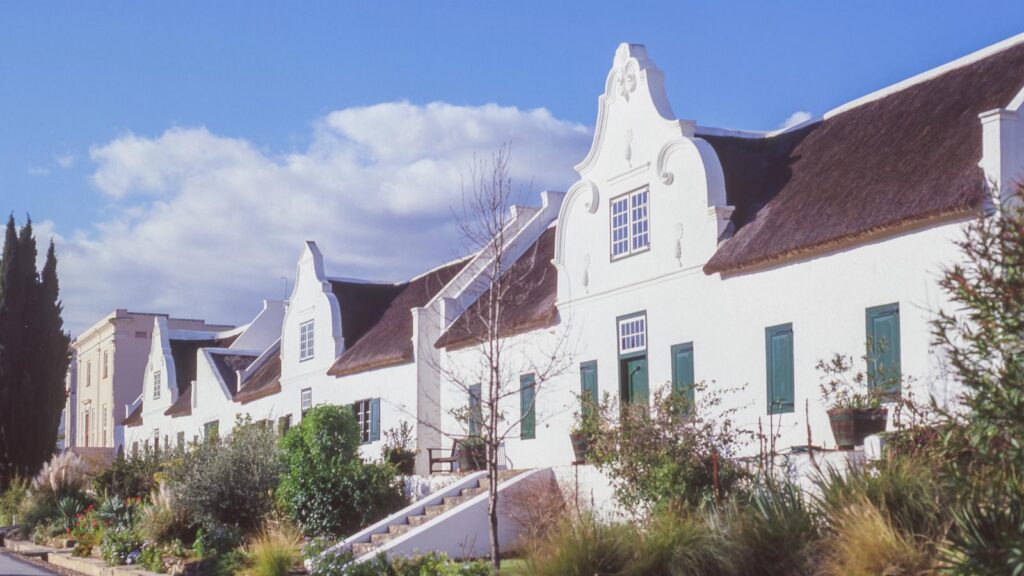
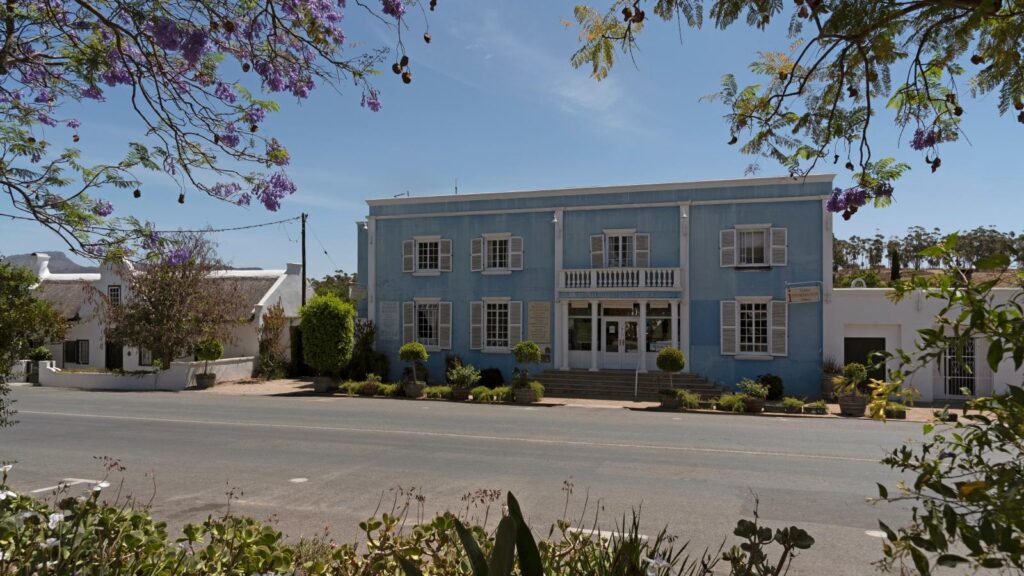
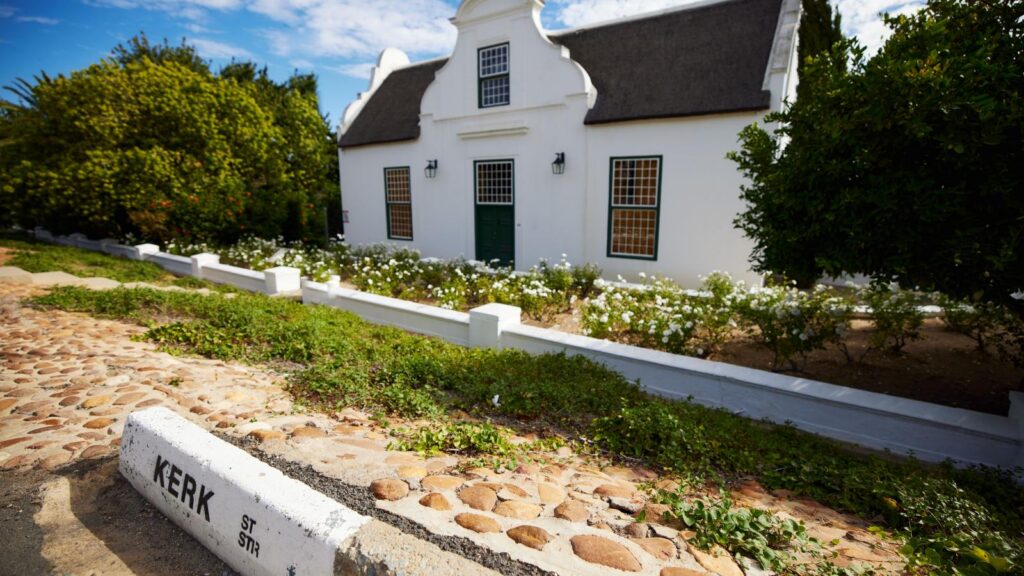
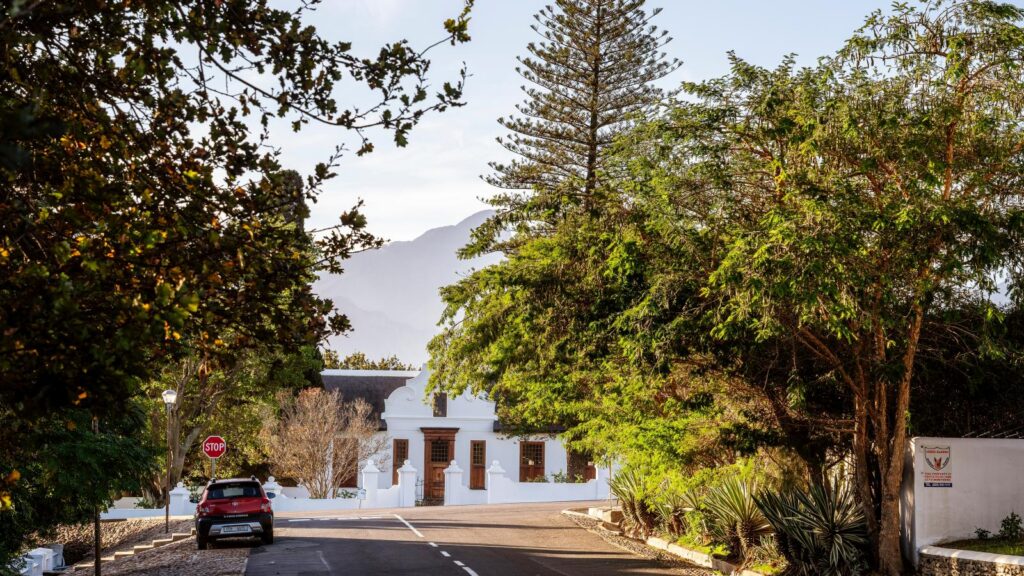
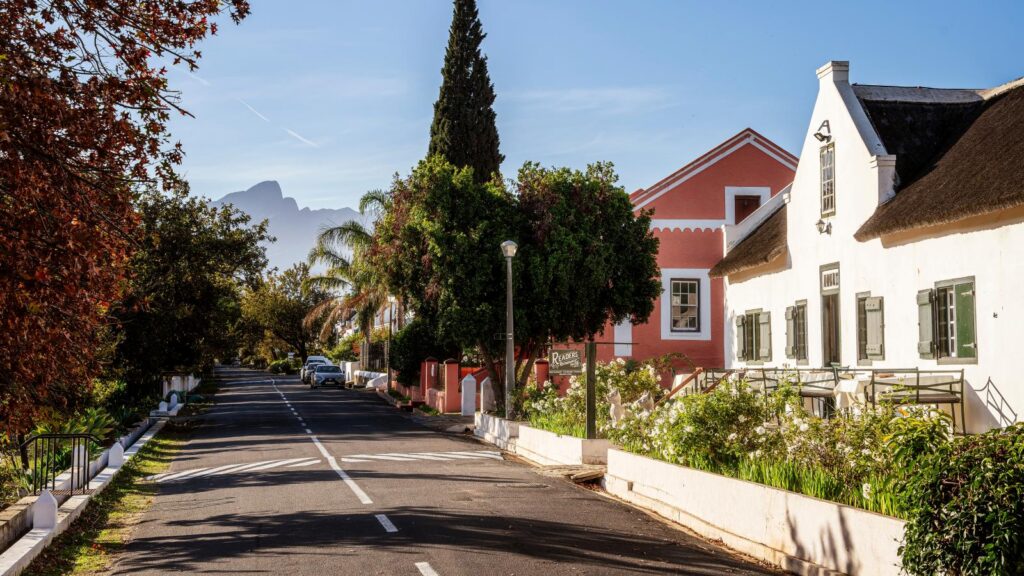
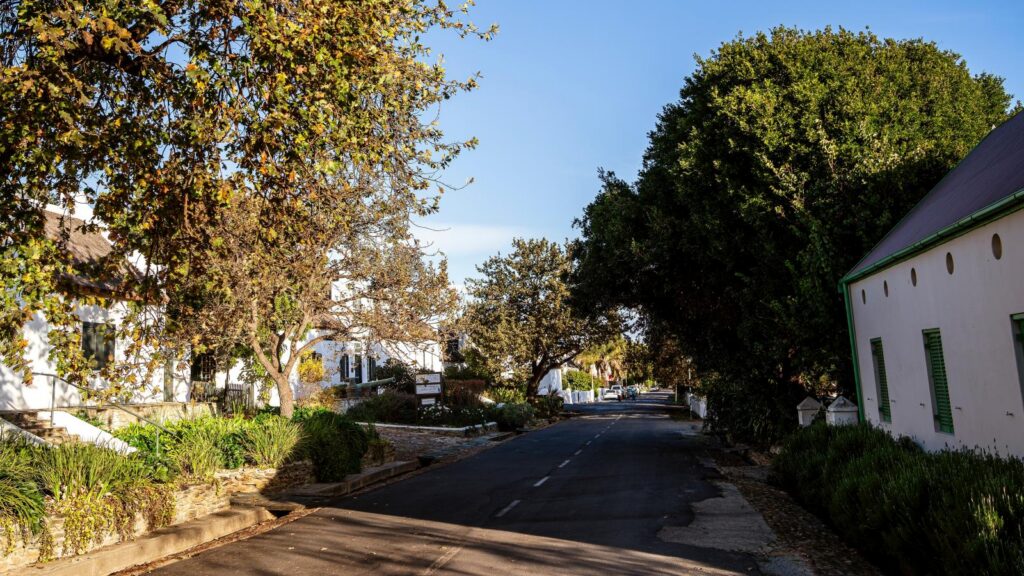
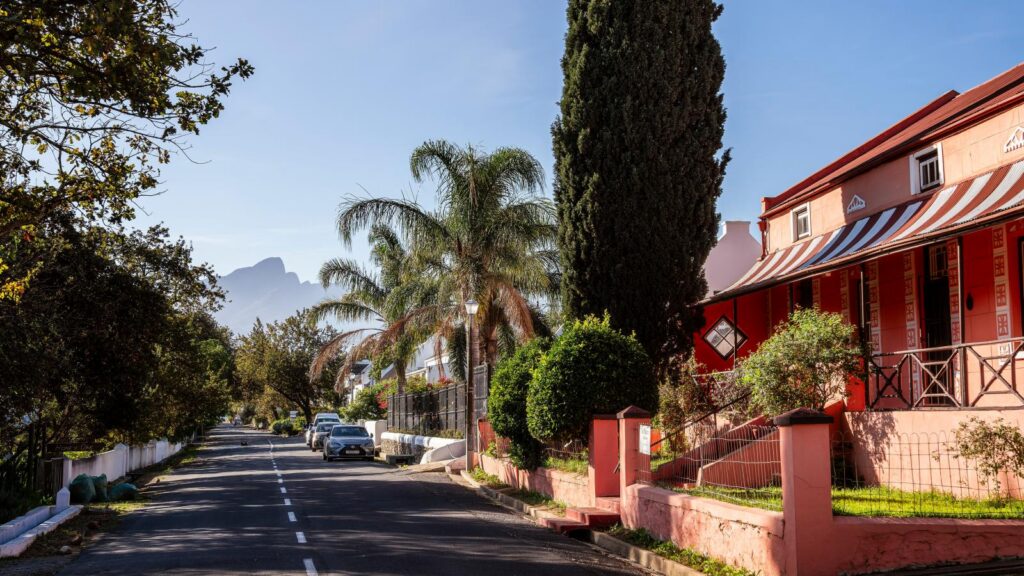
The town also features a rich concentration of Cape Dutch, Edwardian, and Victorian buildings, making it a popular tourist destination.
Tulbagh’s Church Street holds the highest density of provincial heritage sites on a single street in South Africa.
It is famous for its annual Christmas in Winter festival, held in June, where the town is decorated for a winter celebration.
It also hosts the Tulbagh Spring Arts Festival, which showcases visual and performing arts, as well as the annual Tulbagh Horse & Wildflower Show.
The area is also popular among nature lovers. Many animals, such as baboons, bat-eared foxes, lynxes, and smaller antelope species, live in parts of the valley.
The mountainous terrain offers hiking trails, mountain biking, horseback riding, and birdwatching for visitors.
Premier Foods’ Fruits Products Western Cape plant in Tulbagh making headlines

Premier Foods’ Fruits Products Western Cape (FPWC) plant in Tulbagh placed the town in the spotlight in recent weeks. It processes apricots, peaches and pears.
Last week, Premier Foods confirmed that it was planning to shut down the Fruit Products Western Cape business.
The company cited declining global demand, pricing pressure, and rising input costs as reasons for the decision.
Premier Foods added that tariffs imposed by the United States on South African exports were a contributing factor.
The Tulbagh factory was established in the 1940s as SA Preserving to process the Western Cape’s abundant peach, pear, and apricot harvests for export.
Over the decades, it expanded under Del Monte Fruits South Africa into a major export hub supplying markets in Europe and North America.
In 2010, Rhodes Food Group (RFG) bought the business, renamed it Fruit Products Western Cape, and invested hundreds of millions of rands in modernising the site.
The facility became part of Premier Foods earlier this year when the consumer goods group completed its R6.5 billion acquisition and delisting of RFG Holdings.
Last week, the company confirmed that it has begun a Section 189 consultation process with affected employees regarding the proposed closure of the facility.
The importance of the Fruits Products Western Cape plant to the Tulbagh region has led some stakeholders to try to save the facility.
The Freedom Front Plus said that talks are underway to save the plant, which supports 3,000 permanent and seasonal workers.
“This closure will not only have a substantial impact on the region’s local economy, but also on the broader agricultural sector in the Western Cape,” the FF Plus said.
Problems with land reform and water rights in the area

Former Shoprite CEO, Whitey Basson, who owns a hunting farm in Tulbagh, highlighted governance issues related to water on farms in the area.
“The current operational model does not work. I’m having a massive fight over water rights at the moment,” he said in an interview on Conversations with Lelethu.
“I looked at how water is being distributed on my farms and questioned who is making these decisions. I was told it was someone based in Gqeberha.”
“How on earth does an operational water decision for Tulbagh get routed to an official in Gqeberha?”
He sarcastically asked why they don’t just assign someone from the Limpopo Province, since it doesn’t rain much there, and they’d know even less.
“I sent formal correspondence detailing these water infrastructure problems to the Minister of Water Affairs and never received a reply,” he said.
“Premier Alan Winde acknowledged receipt of my letter and promised that the minister would call me. That was two and a half years ago, and the phone hasn’t rung once.”
Tulbagh photos






Comments