Billionaire Whitey Basson reveals pricing secret and why Shoprite used red and yellow


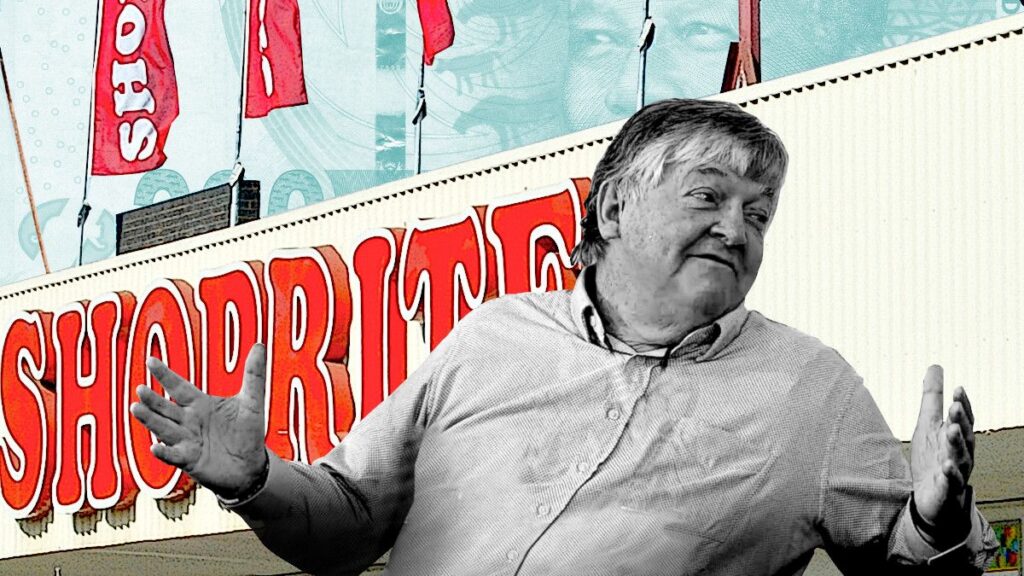
Former Shoprite chief executive Whitey Basson revealed that retail pricing is based on perception rather than reality, and that colours play a role in this perception.
He shared this information during an interview on the Conversations with Lelethu podcast, where he discussed his time in the retail sector.
Basson is widely considered South Africa’s best-ever retail chief executive for his exceptional achievements at Shoprite.
In the seventies, while working at Pep Stores, he convinced the board to identify acquisition opportunities in the food retailing business.
In 1979, with the backing of Pep Stores, he acquired a small 8-store grocer in the Western Cape named Shoprite. He ran the company from the start.
Over the next two decades, he acquired six old Ackermans food stores, Grand Bazaars, Checkers, and OK Bazaars.
Through these acquisitions and organic growth, Shoprite became the largest retailer in Africa and dominated the local market.
When Basson retired in 2016, at 70, Shoprite was a global powerhouse with a market capitalisation of R114 billion.
This exceptional growth was not by accident. He explained that they planned every part of their strategy, down to the colours of their logos and other branding.
He said that when a woman enters the store, she looks at the visual cues and colours. It is therefore important to ensure that you use the right colours.
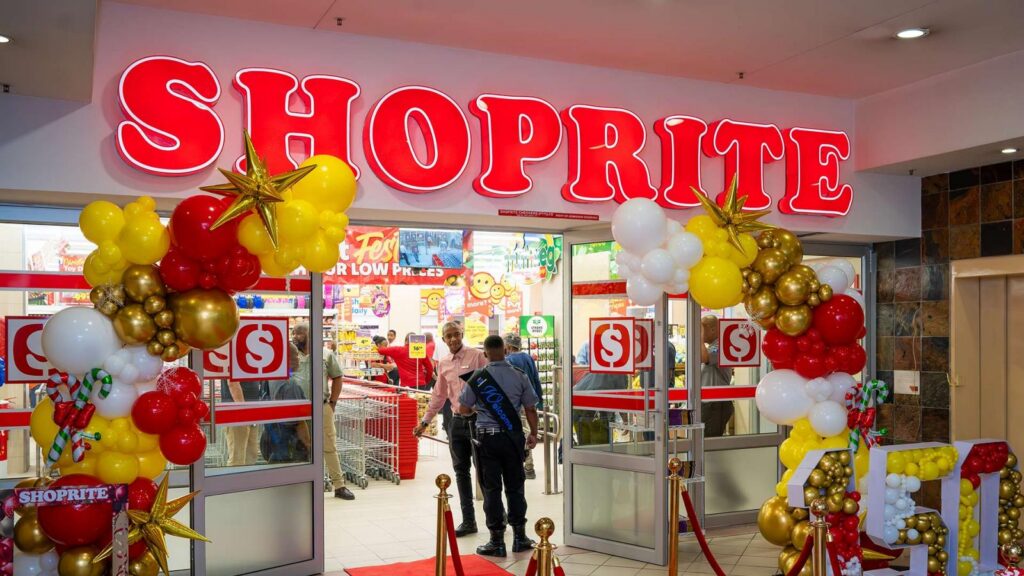
“We studied all of that. Red is the strongest colour in retail, and yellow signifies cheap and good value,” Basson said. Shoprite, therefore, picked red and yellow.
He also avoided making Shoprite stores too fancy, as it did not align with the brand’s strategy of portraying affordability.
“I told the management team not to make the floors look too smart or to put so much wood in the store, because that belongs in the upper end of the market,” he said.
“Do that if you want a premium store, but don’t do it in a Pep, Shoprite, or a mass-market environment.”
He explained that this aligns with the fact that pricing is based on perception, as people do not really know what a basket of goods costs.
“Price is purely perceived, because nobody, not even I, as the boss of a massive retail company, could recite more than 30 prices that were important to me,” he said.
“I knew a few prices. However, when a shopper walks into a store, she looks at the visual cues and the colours and not prices,” he said.
He explained that there are many informal traders with lower prices than Shoprite, which attract true bargain hunters.
However, for most of the population, pricing is based on perception. This perception is why they select one retailer over another.
Shoprite branding images showing the red and yellow strategy










Comments