R10 for a pack of cigarettes in South Africa


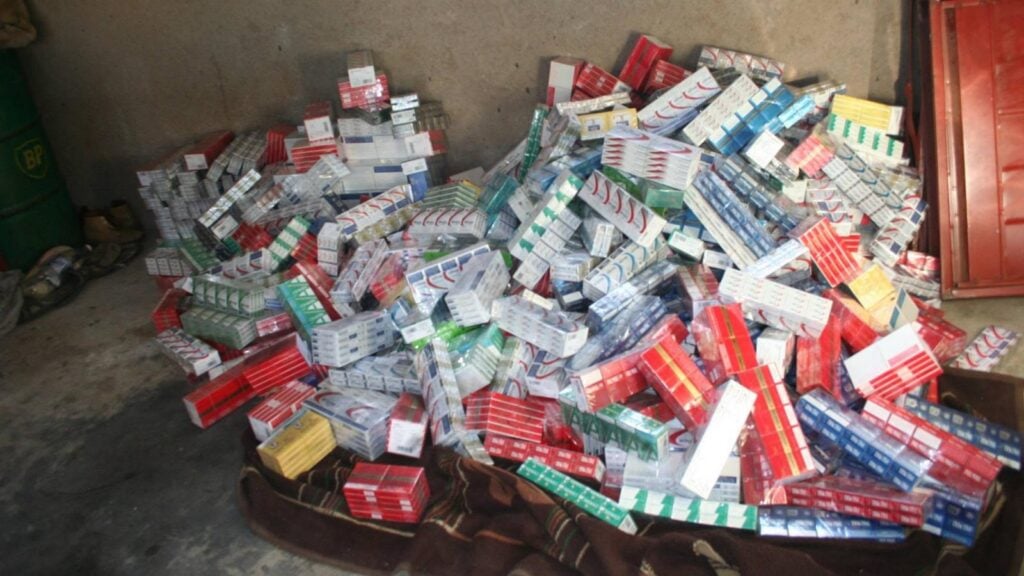
A pack of legal cigarettes in South Africa retails for between R40 and R70, depending on the brand. However, illicit cigarettes are available for R10 per pack.
This was revealed in a field test conducted by Daily Investor to assess the extent of the illicit economy in South Africa.
A Daily Investor journalist visited numerous stores in and around Diepsloot, Johannesburg, to determine the average cost of cigarettes.
He found that cigarettes at many Spaza shops and street vendors were available at between R10 and R20 per pack.
This aligns with the investigation by Member of Parliament, Alan Beesley, who found that illicit cigarettes retail for as low as R10.
In April 2026, Beesley visited stores in Nottingham Road, north of Pietermaritzburg, where he could buy illicit cigarettes for between R10 and R12 per pack.
“I went into three stores. The first two stores only sold legal cigarettes. However, the other store only sold illicit cigarettes,” he said.
“I was able to get one pack of cigarettes for R10, and another pack for R12. They are so cheap that it is clearly illicit.”
A month earlier, he visited the affluent Umhlanga area in KwaZulu-Natal, where he could buy illicit cigarettes for R15 per pack.
“Illicit cigarettes were openly for sale in the one shop I tried in Umhlanga Village. It is scary how widespread and harmful the illicit market is,” he said.
He also purchased a pack of cigarettes from a spaza shop near South Africa’s Parliament complex in Cape Town for R10.
The excise duty, often referred to as the sin tax, on a 20-pack of cigarettes in South Africa is R23.58.
This means that it is impossible for a retailer to see a pack of cigarettes for R10 or even R20 legitimately. It is always illicit cigarettes.
Beesley added that there was also a health hazard in smoking these cigarettes, as it is an unregulated market. “They contain a huge amount of lead and other toxic materials,” he said.
“These illicit cigarettes are destroying jobs in South Africa. The guys behind these cigarettes are not employing South Africans,” he said.
The government created a vibrant illicit market
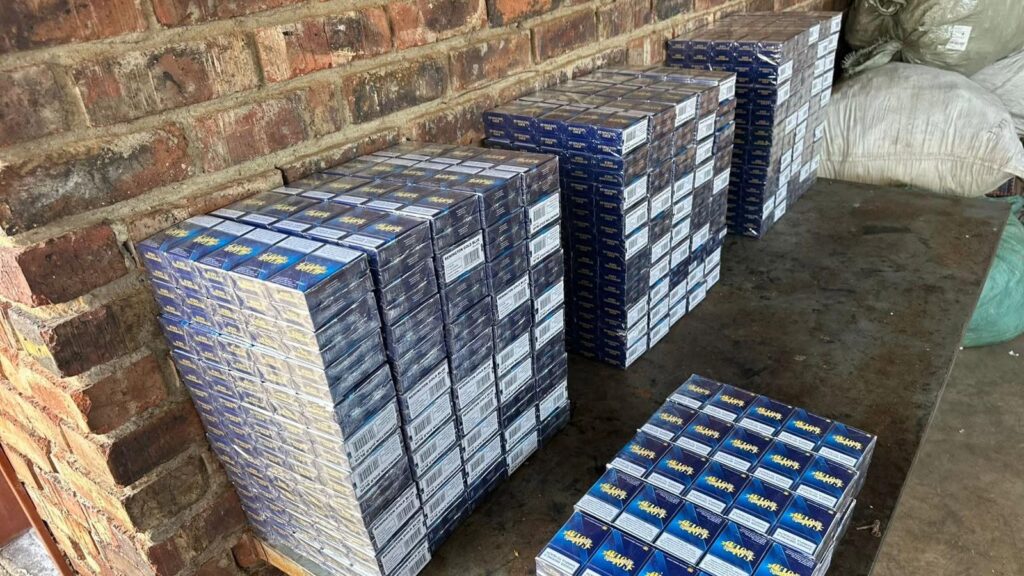
The pervasive illicit cigarette market, Business Leadership South Africa CEO Busi Mavuso said, was caused by two factors.
The first was banning cigarettes and alcohol during the pandemic, and the second is repeated increases in the excise tax levied on these products.
Mavuso said repeated increases in the excise tax levied on cigarettes have made legitimate options increasingly expensive relative to their illicit peers.
“You are sitting in a situation now where illegal boxes of cigarettes sell for about R15 to R20, while the excise duty on a box of legal cigarettes is about R26,” she said.
“There is no way for the legal market to compete against illicit traders, as they pay more tax per box than illegal traders sell theirs for.”
“It is clear how that just kills the legal economy, especially when you are sitting with a South African consumer who is seriously under pressure.”
Beesley concurred with Mavuso, saying above-inflation excise duty increases have widened the price gap between legal and illegal products.
“It has reached a point where fair competition is impossible. A legal pack of cigarettes costs around R35 and an illicit pack costs R10,” he said.
“These price gaps exist in a country where household incomes are collapsing, and food inflation remains stubbornly high.”
“Under these conditions, punitive excise hikes simply push consumers into the arms of criminal networks.”
South Africa loses billions due to the illicit economy
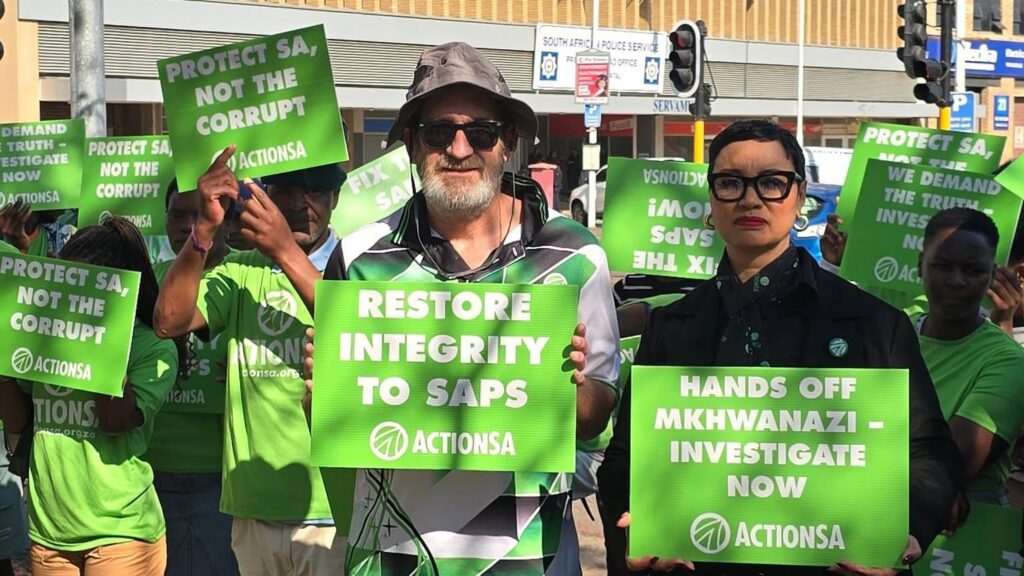
Beesley said that the losses to the South African fiscus due to the growing illicit economy are staggering.
“South Africa’s state loses more than R30 billion annually from alcohol and cigarettes alone, and close to R100 billion across the broader illicit economy,” he said.
He argued that the government is not listening. “The National Treasury repeatedly raises excise duties, only to watch total excise revenue fall,” he said.
Excise revenue from cigarettes declines from R14 billion in the 2020 financial year to R9 billion five years later.
“This is the Laffer curve in real life: tax policy so badly designed that higher rates produce lower revenue,” he said.
He added that above-inflation excise hikes also undermine investment in South Africa, which hurts the economy.
“No rational business will commit billions to new production when its biggest competitor, criminals, enjoy a growing price advantage,” he said.
A recent report titled The Shadow State Rising from Frans Cronje Private Clients shed further light on this problem.
The research found that the illicit economy costs South Africa approximately R84.6 billion every year, amounting to 1% of the country’s GDP.
Three sectors made up the majority of the country’s illegal operations: tobacco, alcohol, and illegal mining.
The report stated that illicit tobacco products have cost South Africa’s economy R33 billion, and illegal mining has caused losses of R23.5 billion.





Comments