The small South African town without water, toilets, and proper roads


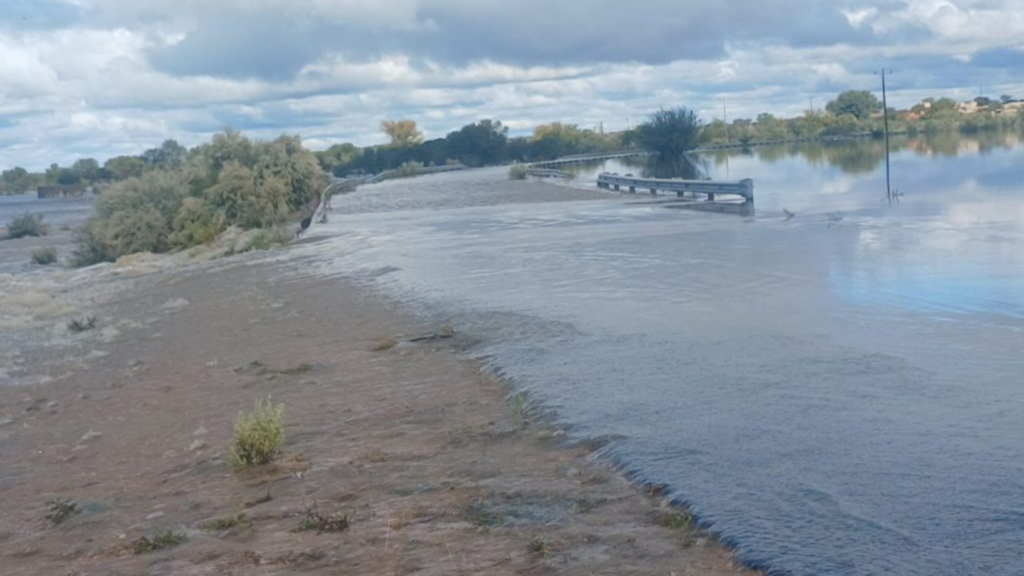
The town of Taung faces a growing crisis as residents in some of its villages lack reliable water, proper sanitation, and safe roads, and flooding has made it even harder to reach schools and healthcare facilities.
In the small North West town of Taung, which comprises 106 villages, communities have faced service delivery and infrastructure issues for years.
Residents in Tamasikwa, near Taung, told the SABC in February 2025 that they had been without a reliable water supply for almost four years. Some turned to a natural spring as an alternative source of drinking water.
One resident said the spring had been used by previous generations and was now serving the community again because residents had few other options.
“We are in poverty. I don’t want to lie, but you can also see for yourselves. A human being must not drink this kind of water, but because we don’t have any choice, we just have to drink it,” the resident said.
Residents also said temporary water solutions provided by authorities often lasted only a few days before the supply stopped again.
The water shortage has affected elderly residents in particular. For example, one resident told the SABC that they struggled to take medication because they did not have enough water.
The district municipality acknowledged the problem, saying it faced serious challenges with water provision and sanitation.
It said the borehole supplying Tamasikwa could not provide enough water for the entire village and that a second water source was being considered.
The mayor also urged residents to have their water tested before drinking it. Despite the municipality’s assurances, the situation in Taung remains a problem more than a year later.
Water woes persist
In July 2026, residents from more than 10 villages in the area, including Cokonyane, Lokaleng, and Ditshilong, marched to the Greater Taung Local Municipality over prolonged water shortages.
Some residents told SABC News that their taps had been dry for more than a decade. Others said they had been forced to buy water to meet their daily needs.
“We buy 2,500 litres of water, about R350, and we share water with the animals that we have in our local areas,” one local said.
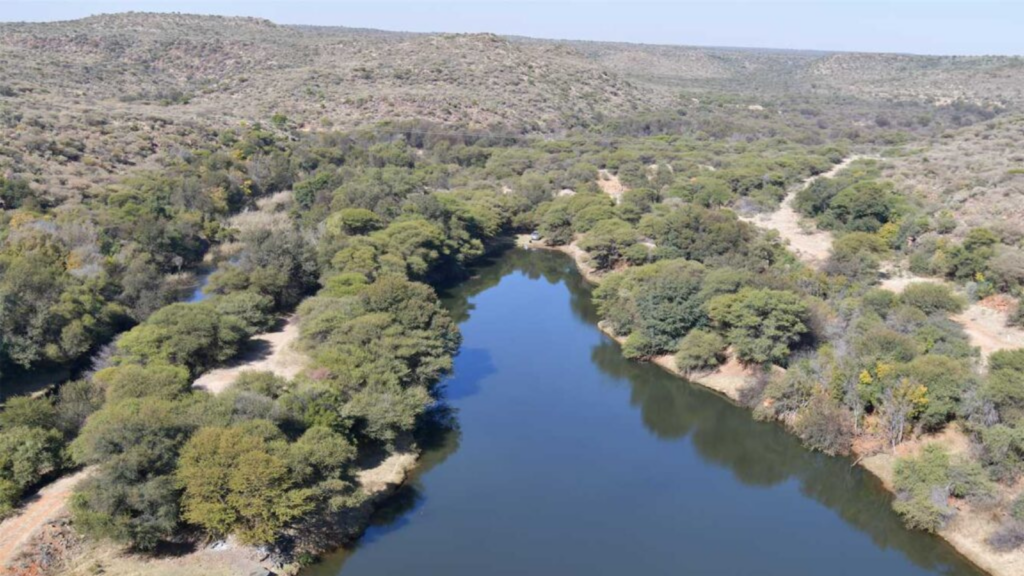
Another resident explained that some people have resorted to using rivers where animals also drink as their water source.
Local authorities have blamed some of the water shortage problems in the Taung region on contaminated boreholes.
Pitso Seepamere of the Dr Ruth Segomotsi Mompati District Municipality said the municipality could not risk using boreholes with unsafe water.
“The existing boreholes’ water is contaminated. So, we can’t risk energising boreholes that are actually contaminated,” Seepamere said.
However, community leader Keaobaka Segonyane said a water plant that was supposed to help solve the problem had not been completed as promised.
The municipality has since committed to providing water following the completion of a water augmentation project. However, water is not the only problem facing some communities in the wider area.
Poor infrastructure puts local lives at risk
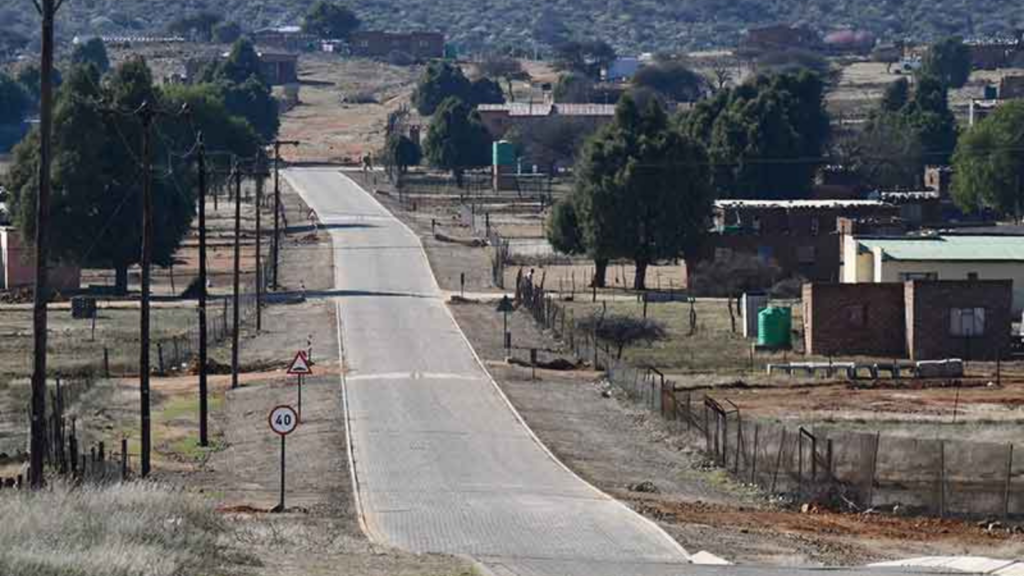
In a segment aired by Newzroom Afrika on 27 July 2026, residents of a village in the local municipality described living without water, toilets, and proper roads.
Ntshekeng Mokgatlhe, who has lived in the community since the 1980s, said residents had been left to survive with limited government support. “We don’t have water, toilets or proper roads. We are just people existing,” he said.
He said children also faced difficulties getting to school because they had to travel long distances and cross the Tubatse River, also known as the Steelpoort River.
When the river floods, residents can become trapped on the wrong side. Mokgatlhe explained that after a makeshift bridge was damaged, the community was forced to build another using logs, corrugated iron, and electric wires.
“It’s dangerous when the river overflows,” he said. “People die, but there’s no alternative.” Flooding in Taung earlier in 2026 revealed the true risk residents face.
An eNCA report from May 2026 said flooding had cut off several villages for more than a week, leaving residents stranded and preventing access to basic services.
Residents explained that elderly people were struggling to get food and medical care because roads were inaccessible.
Taxi operator Gaolatlhe Raito said overflowing bridges and flooded roads made it difficult to transport residents to nearby towns. The Takaneng area was particularly badly affected because there was no alternative route.
The flooding has exposed just how vulnerable communities can become when roads and bridges are already inadequate.
The lack of basic infrastructure and service delivery is also affecting young people who are trying to build a future in the area.
In the Newzroom Afrika report, a 28-year-old local farmer who grows crops including cabbage, tomatoes, potatoes, beetroot, and green peppers said that young people are not asking the government to rescue them.
Instead, he said they want support to develop their skills and create employment. “The government must come to our community and engage with us, especially the youth,” he said.
He suggested that agriculture could help address unemployment if young people are given the necessary support and opportunities.



Comments