The man who gave up farming to build Dis-Chem’s R34 billion backbone


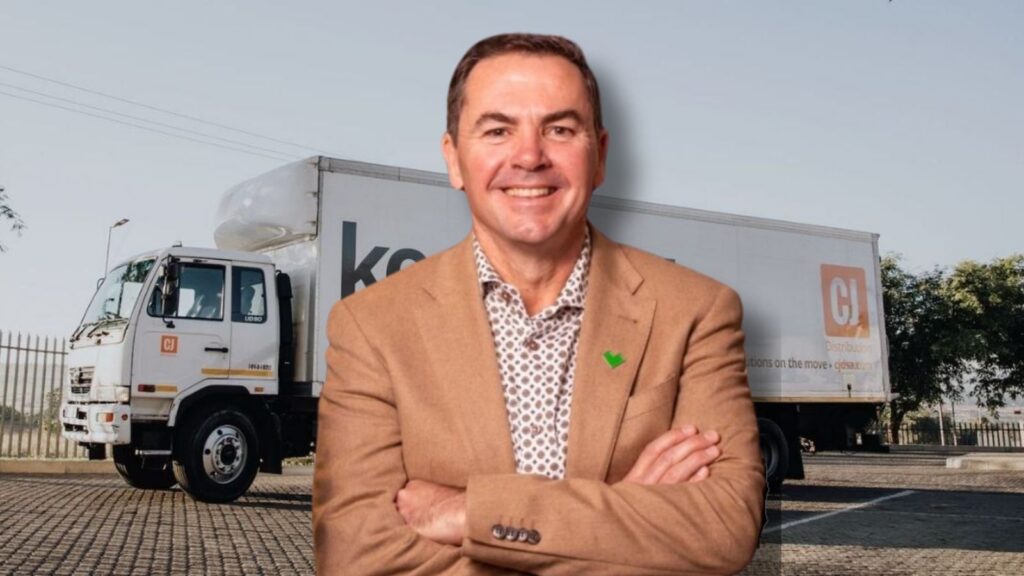
Despite his dream of becoming a farmer, Christopher Williams built CJ Distribution, the logistics powerhouse behind Dis-Chem’s successful wholesale business.
Today, Dis-Chem generates R34.04 billion in revenue through its wholesale business, which has been underpinned by CJ Logistics since 2013.
Williams’ roots are entrenched in the pharmacy business, with his father having been a farmer and retail pharmacist.
He told the LeadUP Podcast that he had always been more interested in farming than in pharmacy, having loved nature from a young age.
However, when it came time to pick a degree, Williams opted to study pharmaceuticals, joking that he had misunderstood the “Pharm” part in his BPharm qualification.
“Back then, your parents always told you you had to have something to fall back on. Should something go south in the industry, then at least there’s a degree that you could fall back on,” he explained.
Despite earning his BPharm degree from the University of Pretoria, Williams planned to pursue farming by joining his father’s business.
However, after he completed his degree, his father informed him that the farm had been struggling and that it was time to return to his roots as a retail pharmacist.
“By the time I got out, our farming business had gone south, and we had to exit it. So, I was kind of forced into the pharmacy game, which I came to love as well,” he said.
Williams was up for the challenge and helped his dad run his pharmacy business when, in 2003, a major legislative change was introduced.
Previously, only qualified pharmacists were allowed to be the legal owners of a pharmacy. In 2003, a legislative change opened up the industry to the private sector.
This led many corporate players to flood the market, putting existing pharmacies like Williams’ under pressure.
Only a year later, another legislative change came that completely turned the industry on its head.
In 2004, the government began regulating pharmaceutical prices, introducing a transparent pricing system with a single exit price.
Under this structure, prescription medicines sold in the private sector were subject to a fixed maximum price, with volume discounts, rebates, and hidden incentives banned.
This change threatened to erode pharmacies’ profit margins, further pressuring existing market players.
However, this change also prompted Williams to consider a different revenue channel: wholesale distribution.
Building a distribution giant
Williams explained that when the legislation changed, he saw the opportunity for backwards integration in his father’s pharmacy business.
If they no longer had direct control over certain medicine prices, they could access an alternative revenue stream by becoming distributors.
“I would lie if I said it was insight. I think it was a gut feel, to be honest,” Williams explained.
“I still remember walking into my parents’ bedroom – because I was still living at home at that stage – and I said to my dad, ‘Listen, I think there’s an opportunity’.”
“And my dad, being the person that he was and always backing me, said, ‘Well, if you think there’s an opportunity, let’s go for it.’”
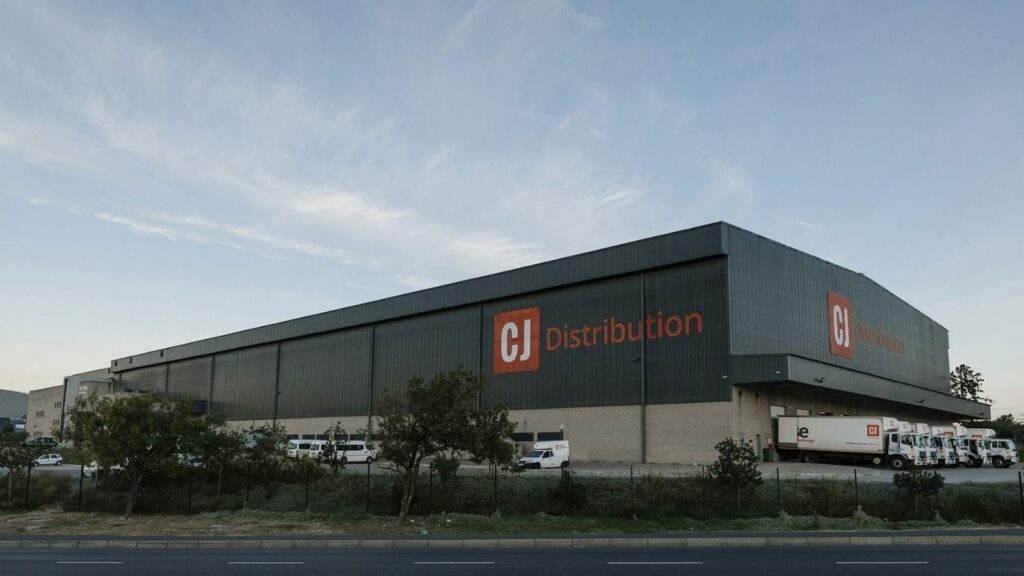
Thus, in 2004, CJ Distribution was born in Delmas, Mpumalanga. Williams said he faced a steep learning curve, and the business did not have much capital to start with.
“It was challenging because we didn’t have a lot of backend capital. It was family funded – it was basically my dad and I, and we didn’t have access to a lot of capital at that stage,” he said.
“We’d come through a difficult period in our business, so we went to the banks, and the banks weren’t really interested in financing it, and so it was very much family funded.”
However, this did not discourage Williams. Not knowing quite where to start, he turned to the Yellow Pages, which is where he found his first 10 customers.
“I contacted them from there over the phone, told them the concept, and all 10 of them said, ‘It’s a go. We’re happy. We’ll support you.’ And that was the start of the business,” he said.
In terms of funding, Williams came up with a clever idea to ensure that the business had enough capital to get off the ground.
CJ Distribution’s customers had a 30-day contract, meaning they had 30 days to pay. Williams then negotiated a 60-day contract with CJ Distribution’s suppliers.
“Basically, I was rolling the debtors that paid me on 30 days. That was funding my stock, which was being financed at 60 days,” he explained. “So, the early days were actually funded by my suppliers with those terms.”
Due to the volume-based model that underpins the wholesale business, this strategy allowed CJ Distribution to build a larger stock base and significantly more customers.
With about 100 customers secured, Williams returned to the banks and re-applied for financing.
This time, the bank agreed to provide him with the capital he needed to further grow the business, sustaining CJ Distribution’s initial growth spurt.
Partnering with Dis-Chem
As CJ Distribution continued to grow and make a name for itself in the pharmacy distribution business, it drew the attention of major corporates like Super Group and Dis-Chem.
“When we started the business, the intention was always to start a family business, which it was, and to be able to give it over to the next generation,” Williams said.
“So, 10 years into it, when Super Group approached us the first time, I mean, it’s intimidating.”
“You got this listed entity coming rocking up with all their CEOs and FDs, and half the terminology you didn’t even understand in those days.”
“They rock up in your boardroom and say, ‘Guys, we’re interested in your business.’ My dad and I looked at each and we kind of got butterflies.”
At that stage, Williams knew the business needed more capital to grow further, especially if it wanted to expand outside of Mpumalanga.
However, the Super Group transaction never materialised because Dis-Chem stepped in shortly before Williams was due to sign on the dotted line.
Williams said CJ Distribution was better aligned with Dis-Chem, as the company was already a big name in the pharmaceutical industry.
So, in 2013, Dis-Chem acquired a controlling majority stake in CJ Distribution, marking the company’s official entry into the wholesale pharmacy business.
This partnership proved highly successful, allowing CJ Distribution to expand nationally and for Dis-Chem to become a big player in the wholesale business.
Three years later, Dis-Chem was looking to list on the JSE and decided to acquire 100% of CJ Distribution and integrate it into its pre-existing internal distribution operations.
Since listing in 2016, Dis-Chem’s wholesale business, which consists of the CJ Distribution and Dis-Chem Distribution businesses, has taken off.
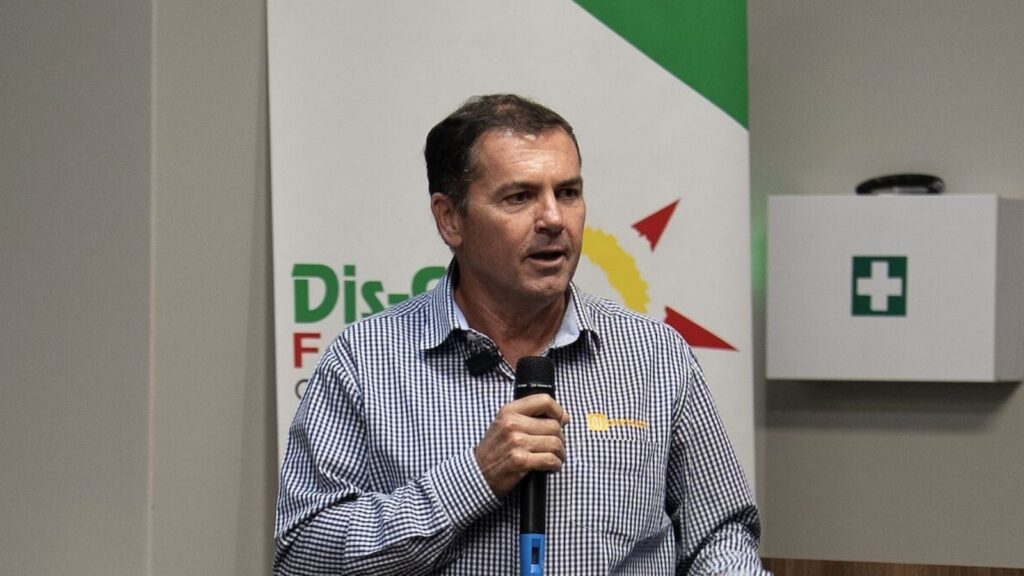
Williams also joined Dis-Chem as its supply chain director in 2016, a role he holds to this day.
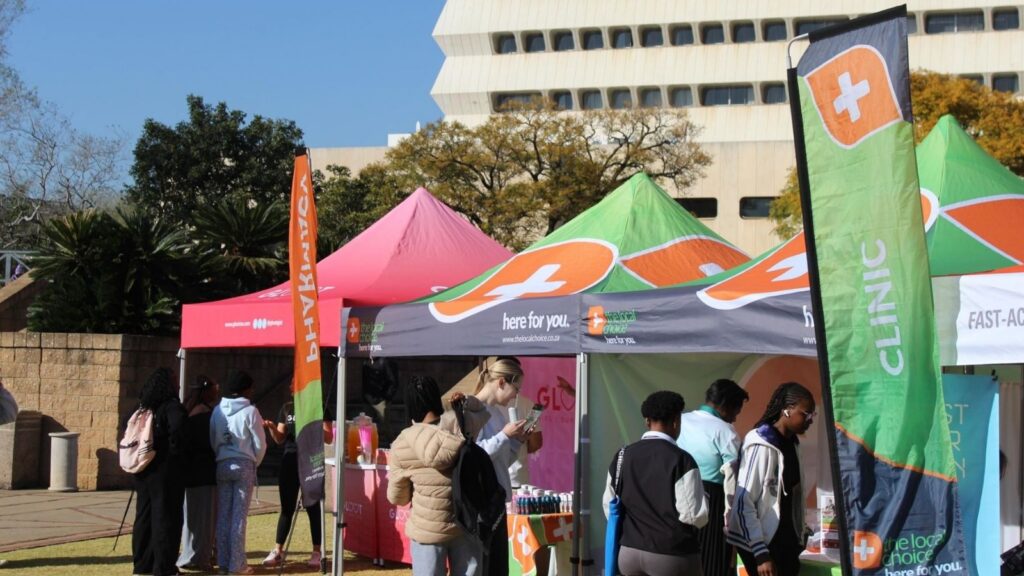
He played a key role in helping Dis-Chem build its The Local Choice pharmacy brand, which now supports 280 independent pharmacies across the country.
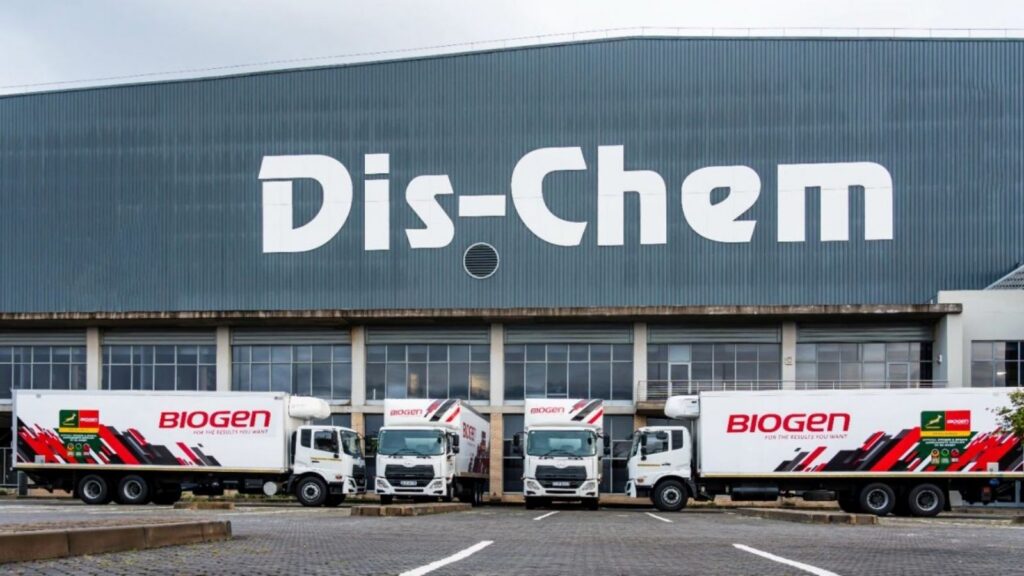
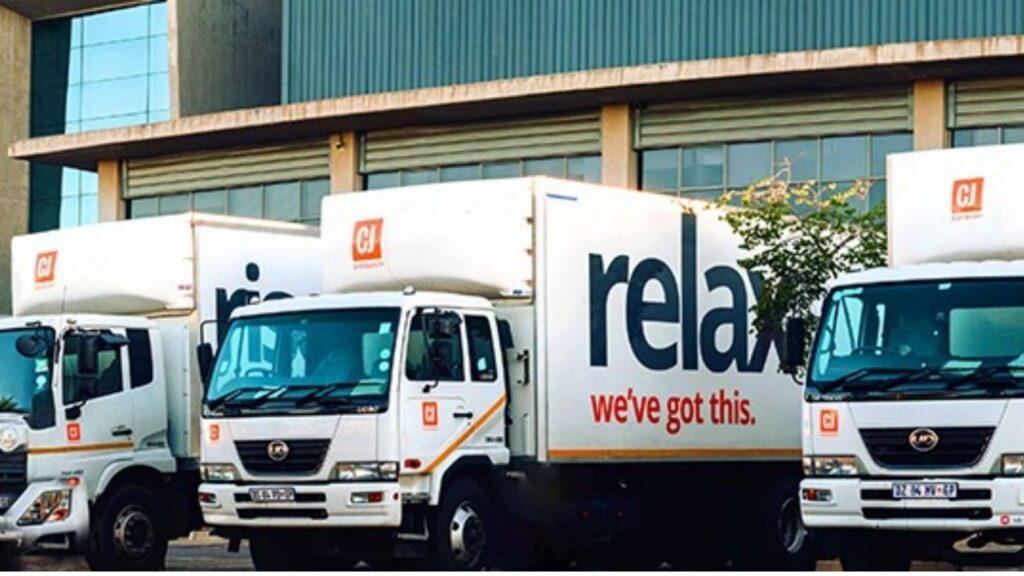
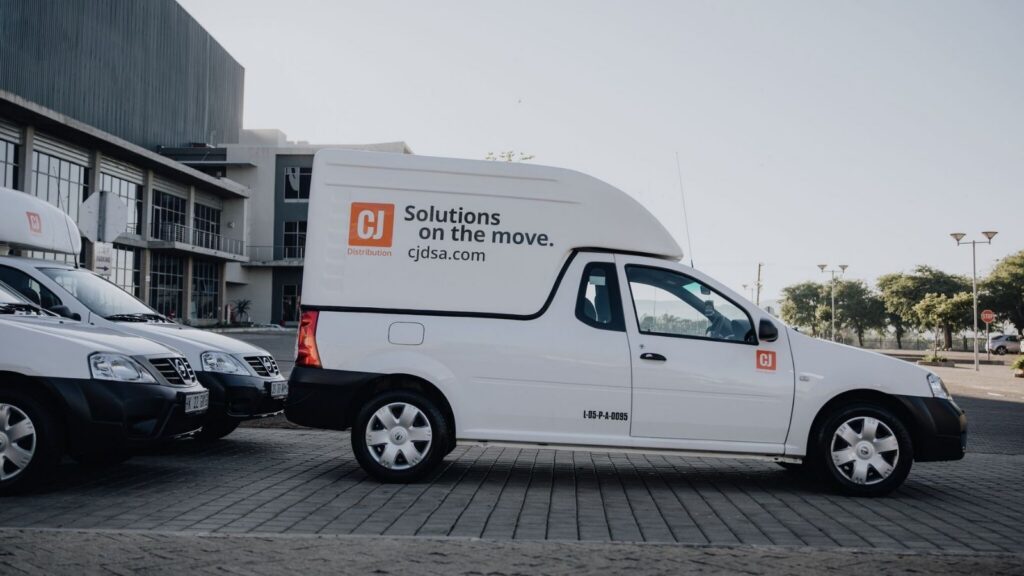
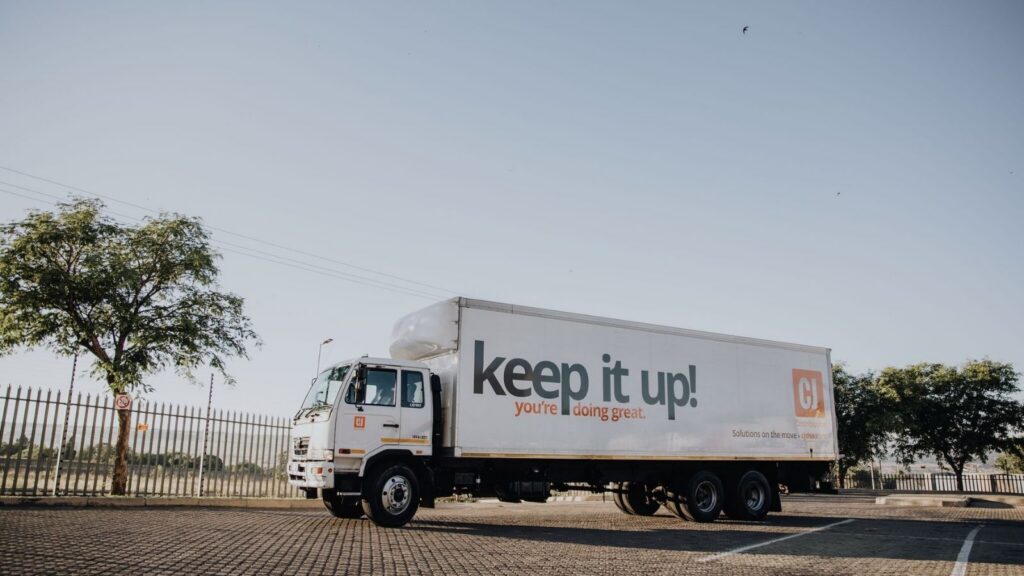
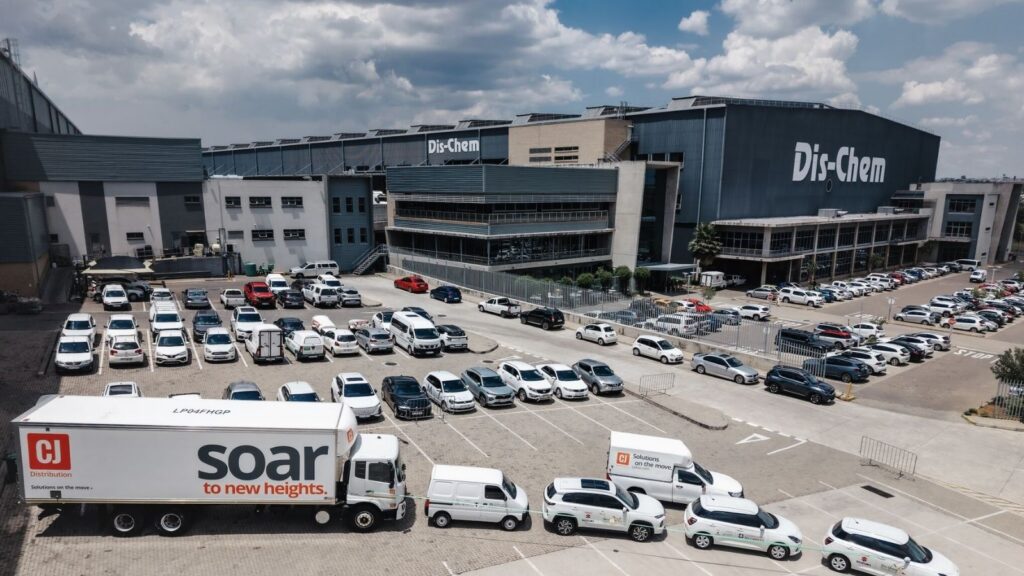
Today, CJ Distribution forms the backbone of Dis-Chem’s wholesale operations, providing procurement, warehousing, and logistics services to Dis-Chem stores and third-party customers.
In Dis-Chem’s results for the year ended 28 February 2026, its wholesale business made R34.04 billion in revenue from contracts with customers. It reported a before-tax profit of R247.64 million and EBITDA of R471.16 million.
The wholesale business boasts six distribution centres across the country, including the original centre in Delmas, where Williams and his father first started CJ Distribution.
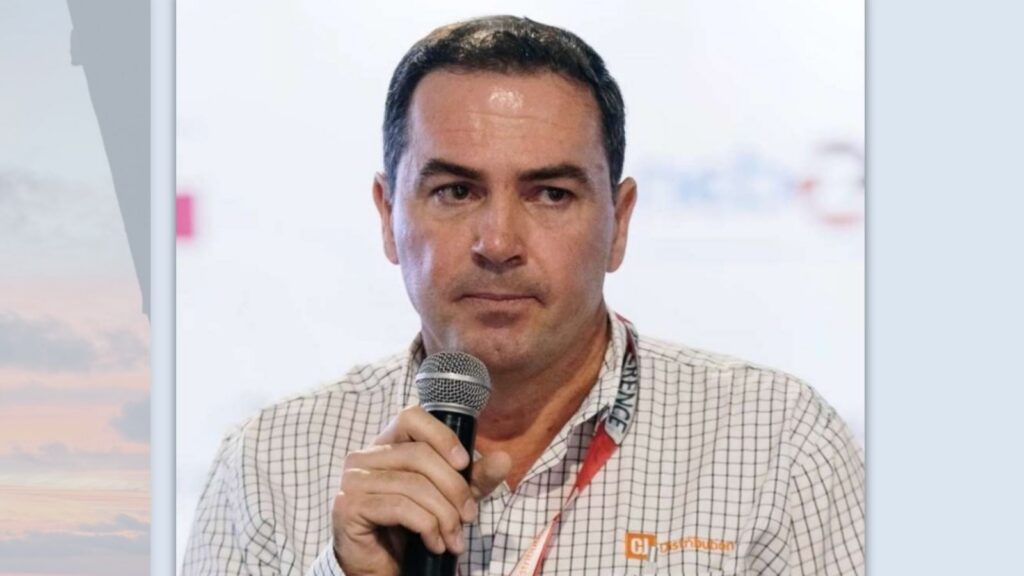
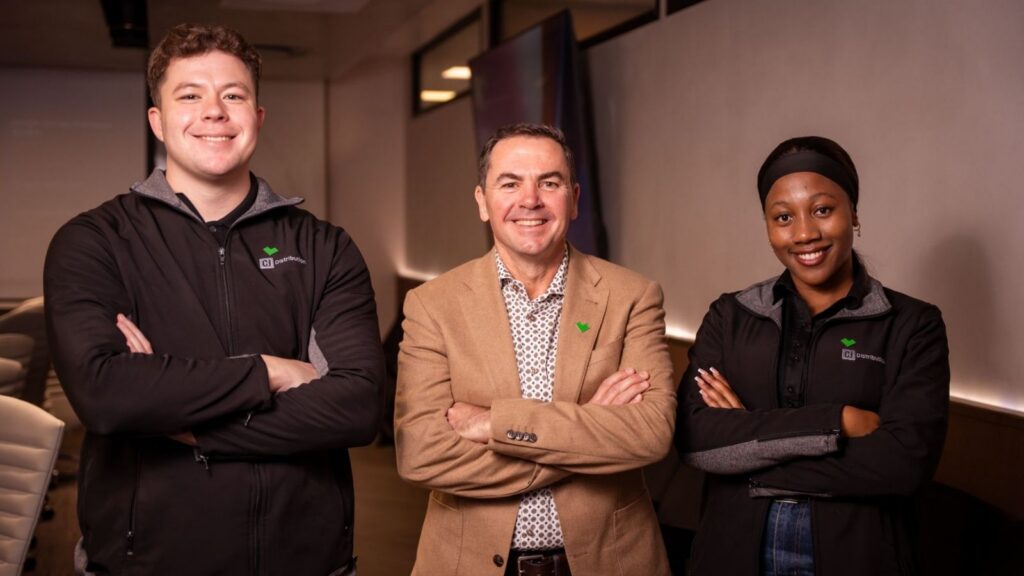
Christopher Williams and CJ Distribution








Comments