Say goodbye to South African security estates as you know them


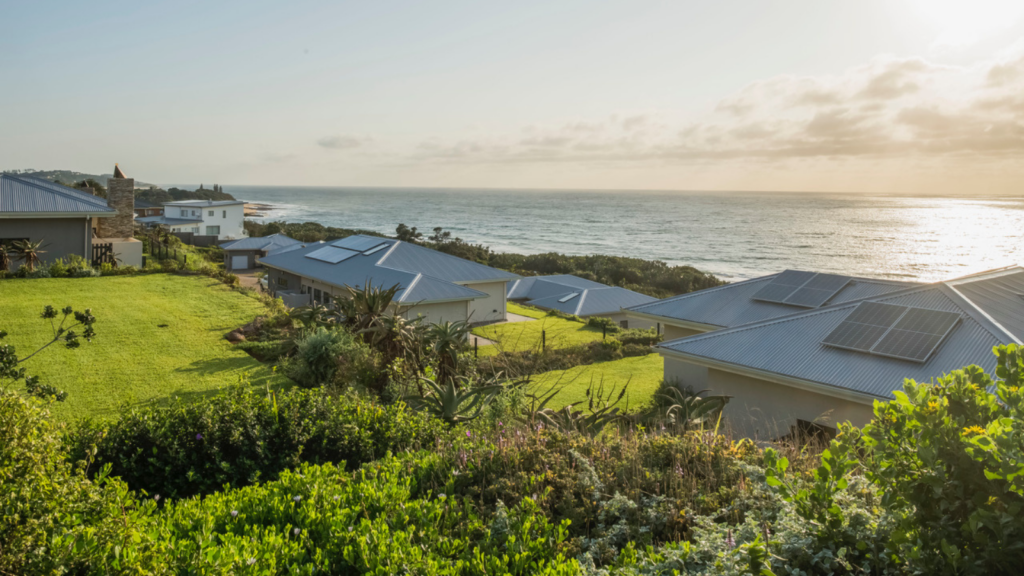
South African security estates are evolving beyond crime prevention to prioritise reliable water and electricity supply, infrastructure maintenance and overall quality of life.
For years, one of the biggest draws for South Africans moving to security estates was the promise of physical safety. This was something that many people were willing to pay a premium for.
However, while crime prevention still remains important to South African homebuyers, the meaning of secure living is evolving.
Today, buyers are increasingly looking for homes that also offer reliable water and electricity supplies, clean, well-managed surroundings, environmental responsibility, and long-term peace of mind.
This is shifting expectations around estate living, with buyers placing greater value on developments that combine physical security with utility resilience, maintenance, environmental care and lifestyle quality.
According to the latest Stats SA General Household Survey (GHS), released on 26 May 2026, alternative energy supply is still rare in South Africa.
Despite years of load shedding and an unstable supply, the GHS reported that only 3.4% of households in South Africa own solar panels.
Interestingly, Gauteng (7.6%) and KwaZulu-Natal (4.7%) are the two provinces with the highest use of alternative energy, including solar and generator power.
While energy backup remains an important part of modern estate planning, water security has become an even more immediate concern for many South African households.
The 2025 No Drop Progress Assessment Report, released by the Department of Water and Sanitation on 31 March 2026, placed South Africa’s national non-revenue water at 47.3%.
This means almost half of the treated water is either lost or unbilled. The figure is only marginally improved from 47.4% in the 2023 No Drop report and remains well above the international average of 30%.
Against this backdrop, water resilience has become an increasingly important part of buyers’ understanding of secure estate living.
According to the Stats SA GHS, 56.8% of households in South Africa experienced water interruptions in 2025, while 37.6% experienced interruptions lasting at least 2 days or more than 15 days in total.
The 2023/24 Consolidated Annual Local Government Performance Report revealed that national municipal maintenance also remains under pressure.
The report found that 235 municipalities allocated less than the National Treasury’s recommended 8% repairs-and-maintenance benchmark, with only 25 municipalities meeting the target.
Bearing this in mind, managed estate environments are increasingly valued for the day-to-day management of infrastructure, open spaces and essential services.
While these considerations are becoming increasingly important for South African property owners, security still remains one of their top priorities.
According to Stats SA’s Governance, Public Safety and Justice Survey / Victims of Crime Release 2024/25, housebreaking is the most common household crime, followed by robbery.
How modern estates are adapting
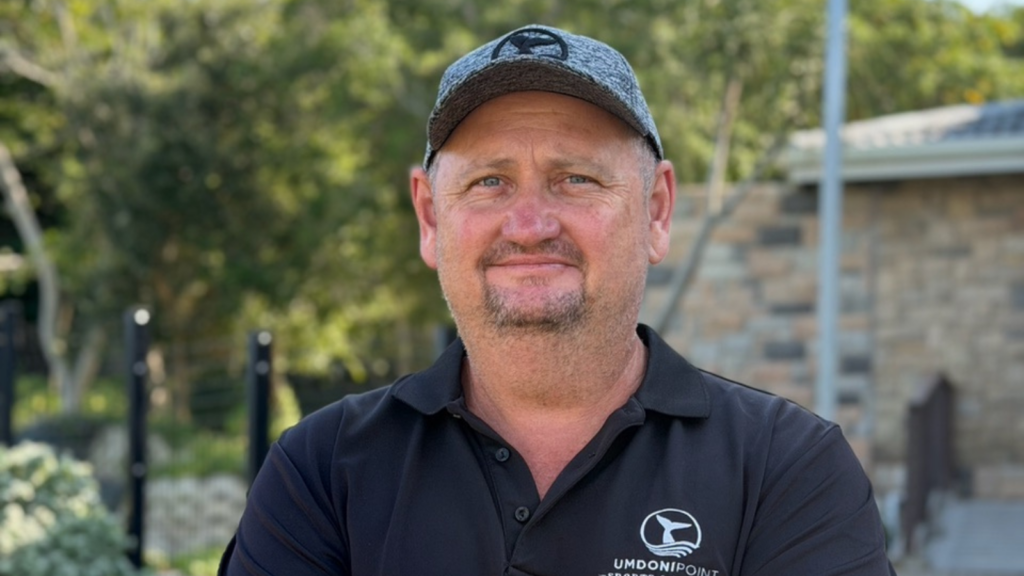
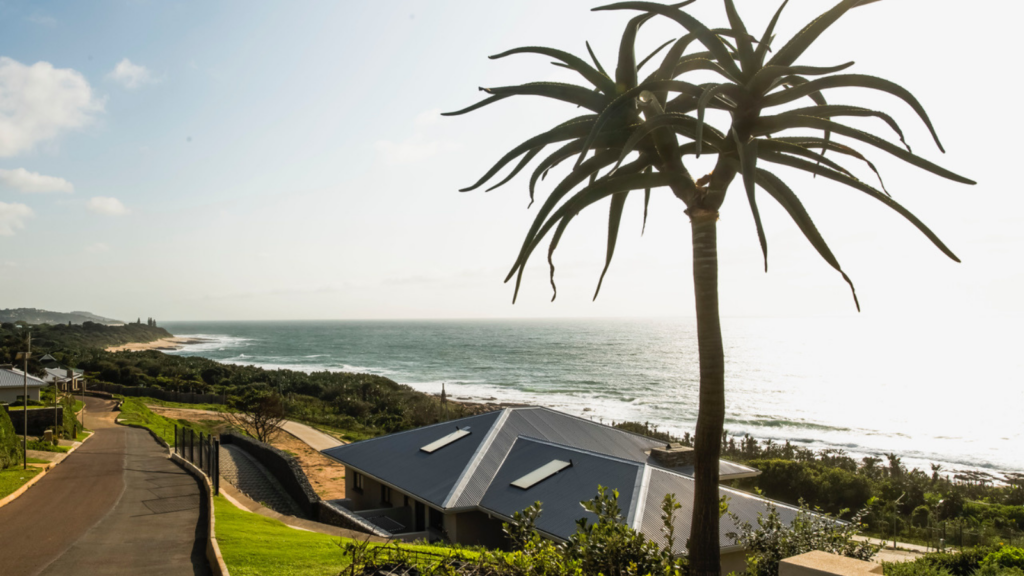
As households shift their priorities, modern security estates in South Africa are adapting as well. One recent example of this is Umdoni Forest Estate on the KZN south coast.
This development reflects a broader shift in estate living — one that prioritises utility planning, physical security, environmental protection and lifestyle quality.
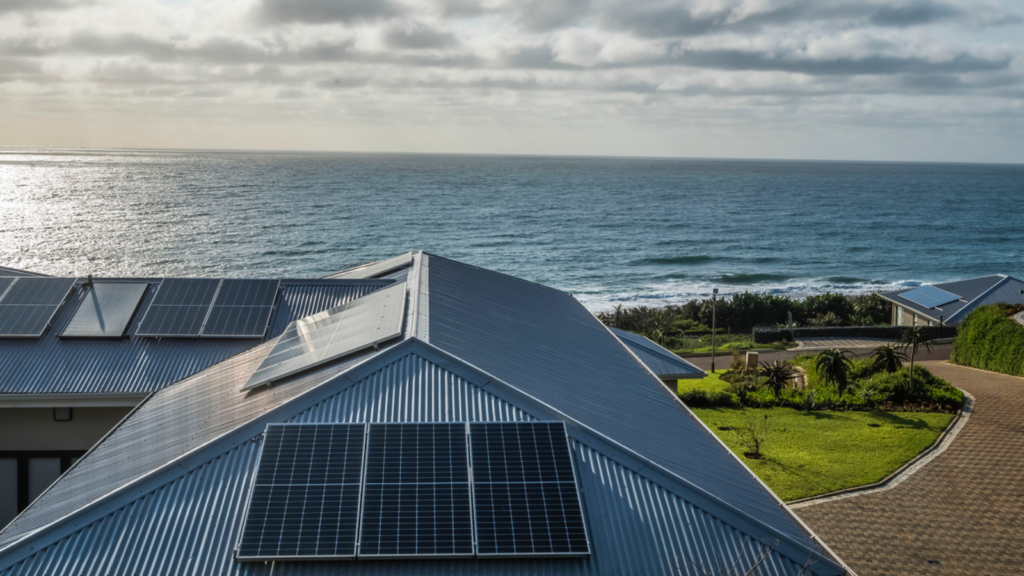
To combat electricity insecurity, the estate allows its residents to select a solar package suited to their needs, with only 5% choosing no power backup.
According to the developer and founder of Umdoni Point Coastal Forest Estate and P&G Construction, Paul Tedder, the estate has six boreholes that currently feed two 300,000-litre storage tanks.
He explained that plans are in place to expand to four tanks, providing 1.2 million litres of on-site water storage for Umdoni Forest Estate.
“We need to make ample provision for any water shortages, as this is all too commonplace at the moment,” Tedder said.
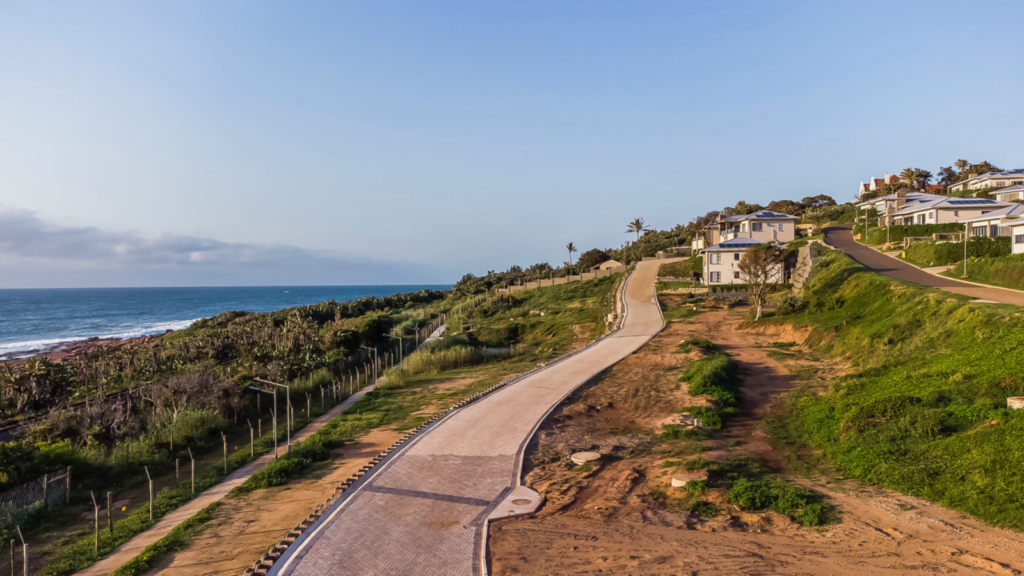
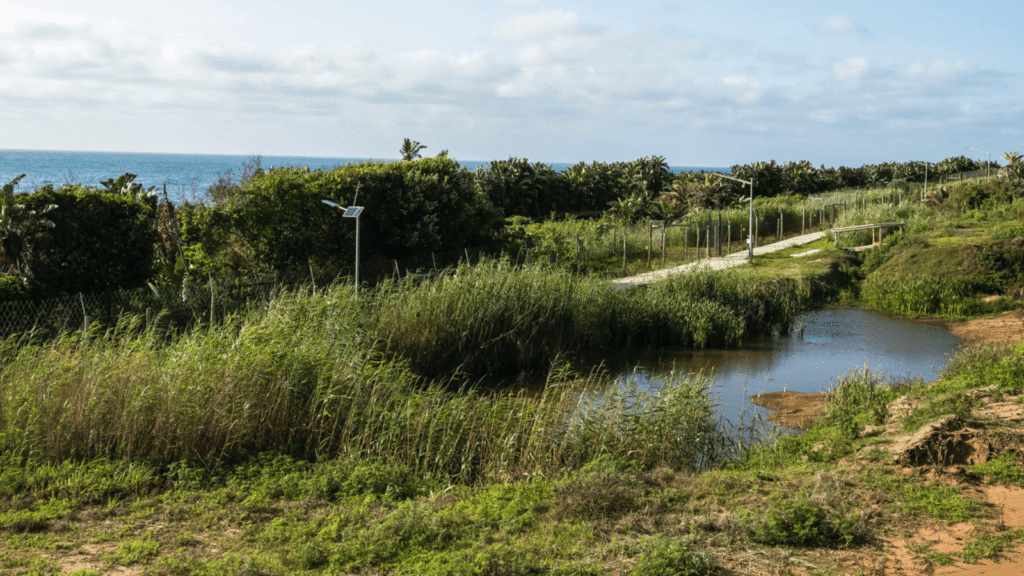
For this estate, maintaining the natural environment was another priority. Environmentally sensitive areas are cordoned off, and walkways are built to avoid them, allowing wildlife to thrive.
The Department of Forestry and Environmental Services also regularly audits the estate, and the estate employs a full-time environmental officer dedicated to overseeing protected areas.
“Umdoni Forest Estate maintains a pristine living space for residents whilst respecting the natural coastal forest in which it is built,” Tedder said.
In addition to making sure that utilities are supplied and estate upkeep is top-notch, he said, security was the estate’s number one priority.
The developers wanted to ensure that residents have the security to move around freely and enjoy hobbies without worrying about crime. He stressed that physical security remains a key driver of estate living in South Africa.
As such, Umdoni is supported by thermal imaging cameras, electric perimeter fencing, security personnel, and concrete walkways along the internal perimeter.
Tedder explained that, while buyers are still concerned about crime, security now means much more than access control.
“People want to know that their environment is professionally managed, that essential services have been considered, that they are living in a clean and protected natural setting.”
Umdoni Forest Estate



Comments