Big swing for pork prices in South Africa


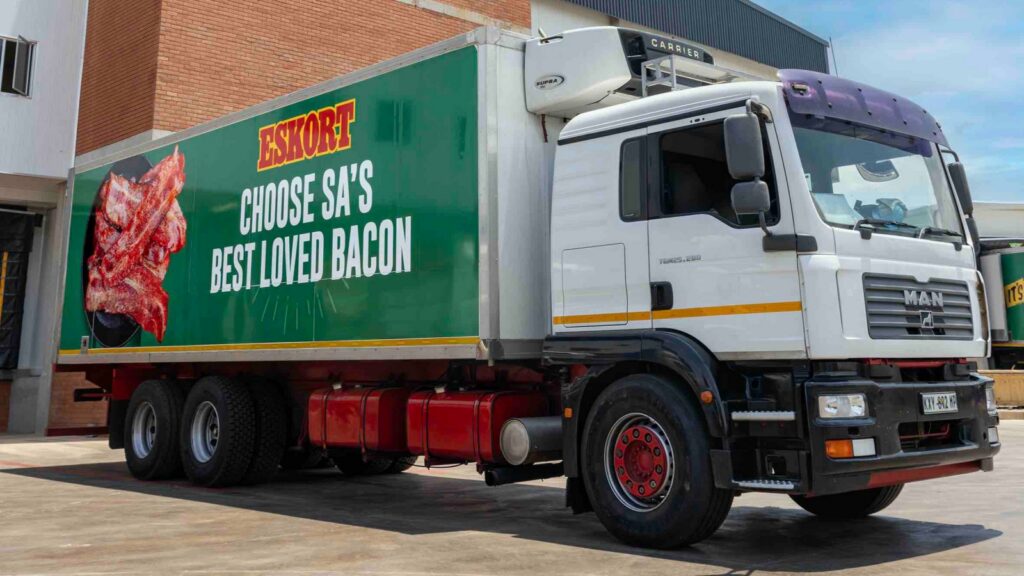
The price of pork in South Africa has dropped substantially from around R40 per kilogram a couple of months ago to now sitting at just R30 per kilogram.
The drop in price has been mainly attributed to a significant oversupply of pork meat products in the country, which has brought welcome relief to many households.
This is a dramatic reversal from where the country’s pork situation sat just a few months ago, when fears of potential shortages had pushed the prices up.
Outbreaks of both foot-and-mouth disease (FMD) and African swine fever threatened to disrupt the local pork supply earlier this year, triggering precautionary imports.
This initially caused local pork prices to rise as much as 25%, from R32/kg up to R40/kg, but now Eskort CEO Arnold Prinsloo said the situation had turned around.
“Instead of the shortages many anticipated, the market has swung in the opposite direction,” Prinsloo said. “Imports arrived at the same time as local supply recovered.”
According to Prinsloo, pork imports usually take between eight and ten weeks to reach the country, with the latest arriving as many local farms were allowed to resume operations.
These farms had been placed under restrictions for a minimum of 42 days after no new FMD symptoms were detected, in line with South Africa’s animal health regulations.
The temporary farm closures created a backlog of market-ready animals, which entered the market at the same time the latest batch of imports arrived, leading to a substantial surplus of pork in South Africa.
This placed significant downward pressure on the price of pork, exacerbated further by a softening of consumer demand following the price increases earlier in the year.
Prinsloo said he expected pork prices would stabilise around their historical average of R32/kg once supply and demand had rebalanced.
“The current market conditions are good news for consumers,” Prinsloo said. “We have ample supply, lower prices and, importantly, no food safety risk to consumers.”
Swine fever still a threat to pork prices
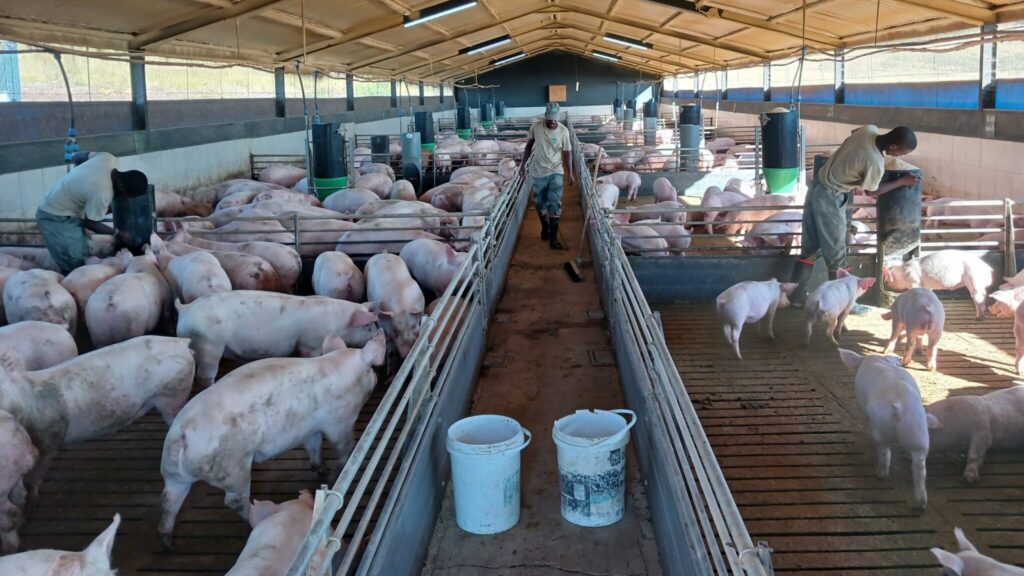
While an oversupply of pork has led to the price dropping for the time being, the looming presence of diseases could see pork prices spike once again.
The latest outbreaks of African swine fever, which began in Tshwane in November 2025, have been estimated to have cost the local pork industry more than R10 million.
This figure covers only the costs of culling, disposal, and labour incurred by the South African Pork Producers Organisation (SAPPO) and does not include the direct financial losses of affected farmers.
While the disease presents no health risks to humans, SAPPO warned that it carries devastating economic implications for South Africa’s pork industry.
More than 69,000 pigs have reportedly been affected by the disease, with as many as 60,000 of these having to be culled to contain the spread of the disease.
If it hadn’t been for the large influx of imports that led to an oversupply, this outbreak could have led to even higher pork prices beyond the initial increases recorded earlier this year.
This is because South Africa’s pork industry is very sensitive to supply shortages, with even a 2% drop in supply reportedly pushing prices up by as much as 10%.
Prinsloo said the recent outbreaks should reinforce the importance of investment in biosecurity, disease surveillance, and veterinary services to protect local livestock and strengthen long-term food security.
The DA has called for urgent action from the Gauteng MEC for Agriculture and Rural Development, Vuyiswa Ramokgopa, to prevent the disease from spreading any further.
DA Shadow MEC for Agriculture and Rural Development in Gauteng, Bronwynn Engelbrecht, said Ramokgopa had so far not offered enough assistance to affected farmers.
“This is not just an animal health crisis,” the DA said. “It is a direct blow to farmers, farm workers, food security, and the already battered meat industry in Gauteng.”
“The province is still grappling with the devastating impact of foot-and-mouth disease, and now pig farmers in Tshwane are being forced to absorb yet another biological and financial disaster.”






Comments