New SARS rules for South Africans travelling overseas


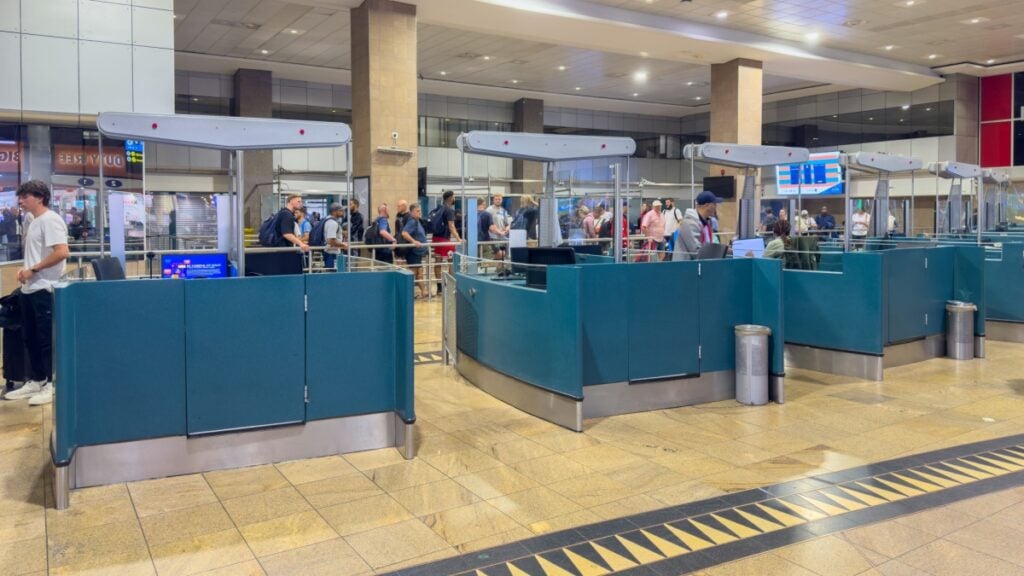
South Africa’s new mandatory SARS Traveller Declaration requires travellers to complete customs declarations online before departure, or risk having goods detained, facing penalties, or missing their flights.
Border and customs compliance has always been something travellers dealt with at the airport. However, this is no longer the case, said Corporate Traveller South Africa General Manager Herman Heunes.
South Africa’s new mandatory online Traveller Declaration, which came into effect on 1 July 2026, is the latest signal in a global shift that has been building for years.
Governments now want travellers’ information before they even board their flight, and for business travellers running on tight itineraries and even tighter margins, that shift has consequences.
“The SARS Traveller Declaration is a fundamental change in when compliance happens,” Heunes explained.
“The border has moved, and it’s moved to 24 hours before departure. Business travellers who don’t adjust their pre-trip habits and routine are going to feel it.”
South Africa is joining a growing cohort of governments that have decided the old model of processing travellers at the point of entry is too slow, too manual, and too reactive.
The UK’s Electronic Travel Authorisation, now required for millions of previously visa-exempt visitors, must also be secured before boarding.
The EU’s ETIAS system, expected to launch in late 2026, adds a pre-departure authorisation layer for travellers who previously needed only a valid passport.
Across Asia, countries including Thailand and Indonesia have introduced or expanded digital arrival and declaration systems that replace the paper cards travellers once filled in on the plane.
Ethiopia also now requires all arriving and transiting passengers to complete an online Traveller’s Health Declaration Form before arrival at Addis Ababa Bole International Airport.
The architecture differs in each case, with some being entry authorisations and others being customs or health declarations, but the direction is identical.
The global shift towards “smart borders”

“What we’re seeing globally is the rise of the smart border,” Heunes explained. “Information moves ahead of the traveller.”
“That’s better for governments, and ultimately better for travellers who are prepared. But it creates a new category of risk for anyone who treats pre-trip admin as an afterthought.”
He explained that the new SARS Traveller Declaration is a manageable addition to the pre-trip checklist for leisure travellers with a suitcase of personal belongings.
They simply complete it within 24 hours of departure, keep the confirmation on their phone, and proceed as normal. However, for business travellers, it’s slightly more complex.
The declaration requires passport details, travel information, contact details, and – critically – disclosure of any goods, currency, or items that fall outside personal use.
Business equipment, product samples, gifts intended for clients, commercial goods, and cash above the R100,000 threshold all require declaration.
Allowances cannot be combined across travellers, and goods exceeding the duty-free threshold are subject to further customs assessment. Importantly, this is not a form to rush through.
SARS has been unambiguous about the consequences. Failure to declare or making a false declaration can result in delays, detention of goods, penalties, or enforcement action under customs legislation.
For a business traveller catching an early morning flight to close a deal, Heunes said none of those outcomes is acceptable.
“If samples or goods get held at customs, the real cost is the stress and disruption that ripples into expos, meetings and other commitments.”
“That’s why the declaration needs to be part of the travel workflow rather than something forgotten about until check-in.”
Trouble for small businesses

Heunes said the systems designed to streamline border processing have increased the pre-trip burden on travellers, particularly SMEs without managed travel programmes.
While leisure travellers often have more flexibility and large corporates have dedicated compliance processes, smaller businesses are more exposed to the gap between being “booked” and being “compliant”.
Heunes stressed that South African business travellers now need more than a valid passport and a flight booking.
Depending on their destination, they may also require an ETA or ETIAS authorisation, a completed customs declaration, and documentation for any goods or currency they are carrying before they even reach the airport.
“Managed travel was always about more than getting the best fare,” Heunes said. “It was about making sure the trip actually works.”
“That’s truer now than it’s ever been. A good travel booker is securing flights while, more importantly, ensuring their travellers are actually ready to travel.”
He added that businesses will be best placed to navigate the changing travel landscape if they treat compliance as part of the booking process rather than leaving travellers to manage it on their own.
According to Heunes, the practical adjustment is straightforward, even if the habit change will take some time.
Those going overseas must add the SARS Traveller Declaration to their pre-trip checklist alongside passport validity, visa requirements, online check-in and boarding pass.
Travellers should complete it within 24 hours of departure and keep the confirmation accessible, he explained.
If carrying business equipment, commercial goods, or significant amounts of currency, they should allow time to complete the declaration accurately.
More broadly, Heunes said they must check entry requirements for each and every destination earlier than they used to.
“The era of the paper form at the airport is ending. The new compliance window opens long before departure, and for business travellers, that window needs to be part of the plan.”






Comments