The South African millionaire town where sewage flows in the streets but the average house price still increased to R2.7 million


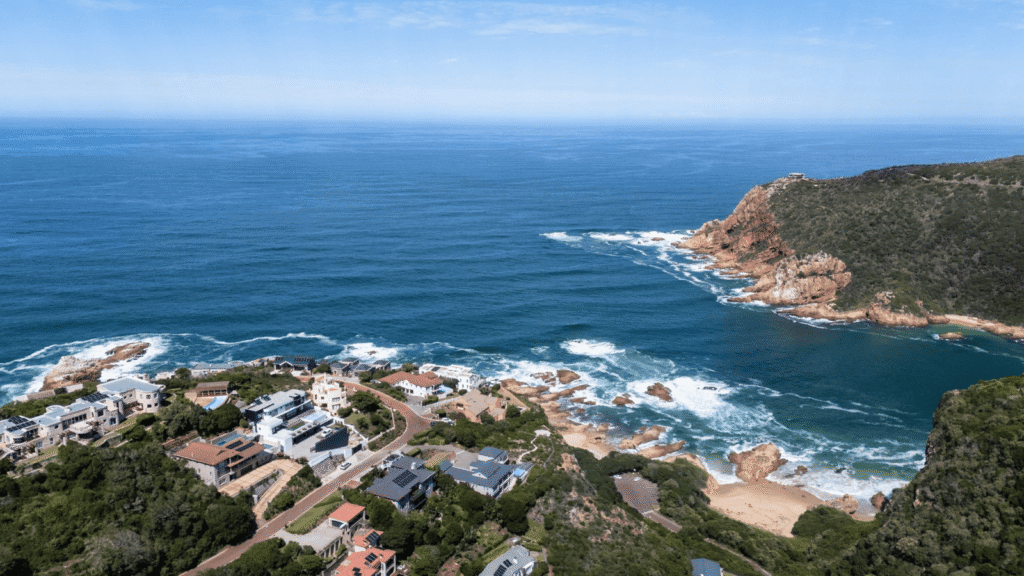
Despite worsening municipal failures, Knysna’s property market continues to outperform expectations, with property prices soaring from R1.97 million in 2022 to R2.7 million in 2026.
According to Just Property CEO Paul Stevens, Knysna’s housing market is behaving very differently from what would normally be expected in a town facing deteriorating service delivery.
“Municipal collapse is supposed to sink property values. In Knysna, it isn’t,” he said. The numbers support his assessment.
Average residential sales values have climbed from around R1.97 million in 2022 to approximately R2.7 million year-to-date in 2026, representing an increase of roughly 37%.
Property transaction volumes have also continued to rise despite the town’s challenges. Publicly available deeds office data shows annual sales increased from 954 in 2023 and 964 in 2024 to more than 1,070 in 2025.
Water shortages, sewage failures and governance problems have become increasingly common in Knysna, yet buyers continue to enter the market.
However, Stevens explained that this does not mean purchasers are ignoring these issues. “From what we’re seeing across the network, this isn’t buyers ignoring the problems. They’re planning around them.”
He noted that three major factors – lifestyle appeal, self-provisioning and a growing preference for secure residential estates – are driving the town’s resilience:
Of these, lifestyle appeal remains the biggest reason buyers continue to choose Knysna despite its municipal struggles.
“Lifestyle over infrastructure. A lagoon bordered by forests in a friendly small town is worth more to buyers than the inconvenience of arranging their own services,” Stevens said.
He added that Knysna occupies the same aspirational category as coastal towns such as Hermanus, Plettenberg Bay, St Francis Bay and Langebaan.
In an earlier assessment, Stevens said many buyers are relocating through semigration, with remote workers, retirees, and high-net-worth individuals placing greater value on lifestyle than on municipal performance.
“People aren’t overlooking the service issues – they’re planning around them. Living next to a lagoon bordered by forests in a friendly small-town environment is why there’s no shortage of buyers.”
“For them, the lifestyle value of Knysna outweighs the inconvenience of securing their own services like solar, batteries, water storage and gas.”
Many of these buyers are relocating from Gauteng and KwaZulu-Natal, with a significant number paying cash or putting down large deposits.
Buying independence

Stevens said the second major trend is buyers investing in infrastructure themselves rather than relying on the municipality.
“Self-provisioning. Solar, batteries, water storage, and gas. Households are buying independence from the municipality, not waiting on it.”
He previously advised buyers and landlords to budget for this reality, saying self-sufficiency has become an important part of purchasing property in Knysna.
This willingness to install backup electricity, water storage and alternative energy systems has helped protect many homeowners from the impact of deteriorating municipal services.
As a result, municipal failures have had far less influence on property demand than many would have expected, and current asking prices remain strong across the market.
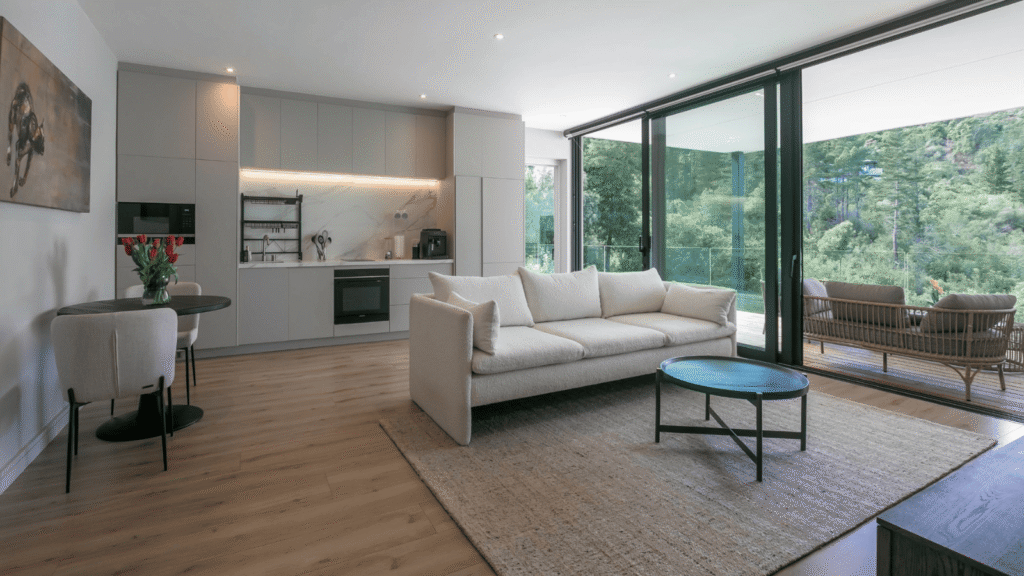
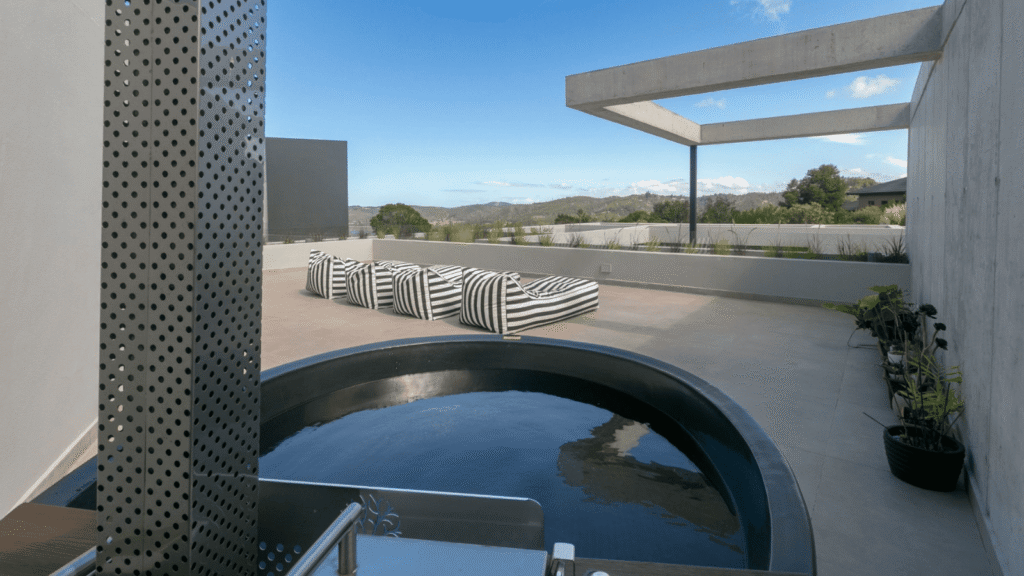
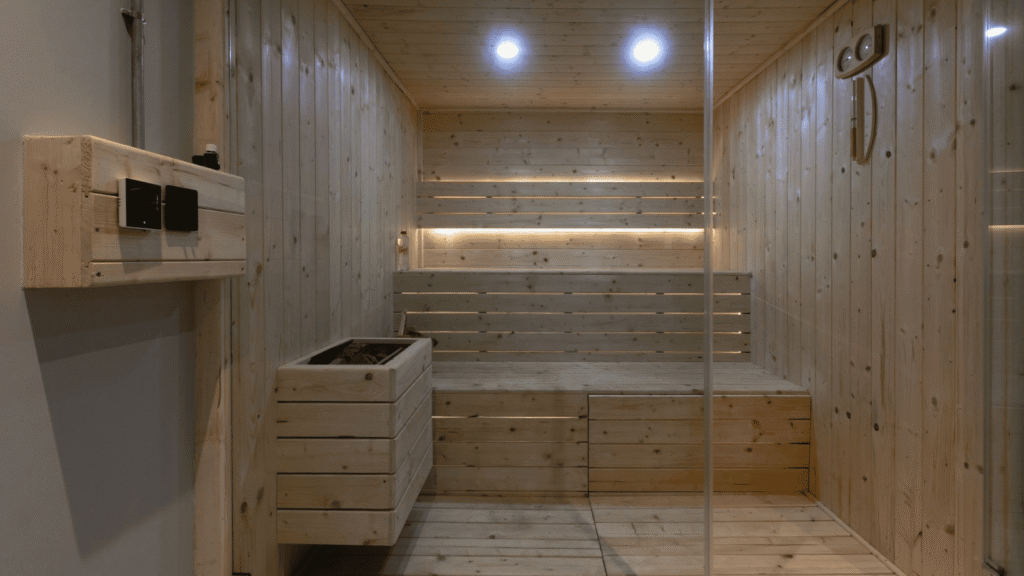
According to Just Property, sectional title properties generally range from about R1.4 million to R3 million, while freehold homes typically sell for between R2.5 million and R5 million.
Estate properties command between R5 million and R12 million, while premium vacant land and stands can exceed R4 million depending on their location and size.
The third factor supporting the market, Stevens said, is buyers’ growing preference for estates that provide services and governance independent of the municipality.
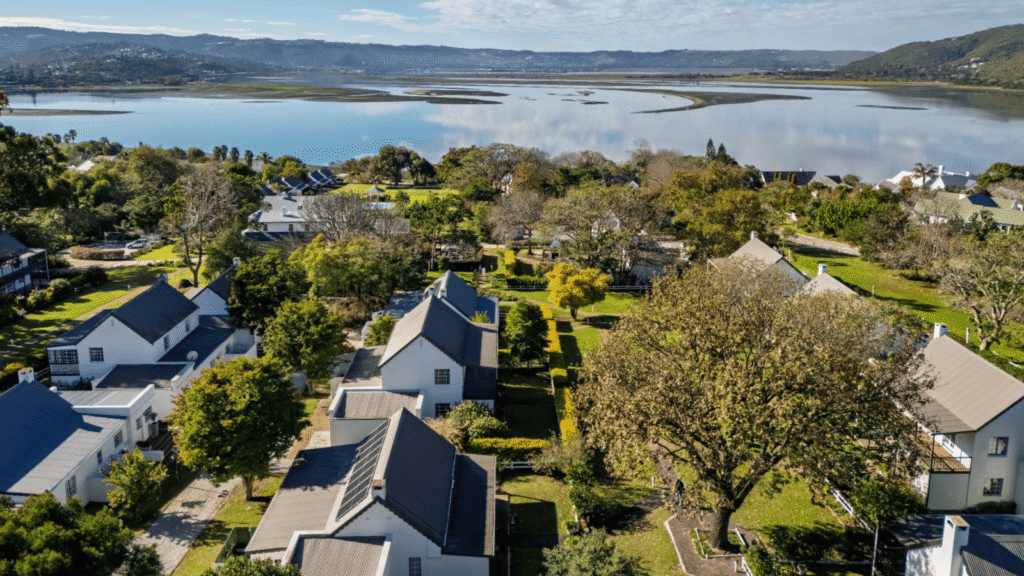
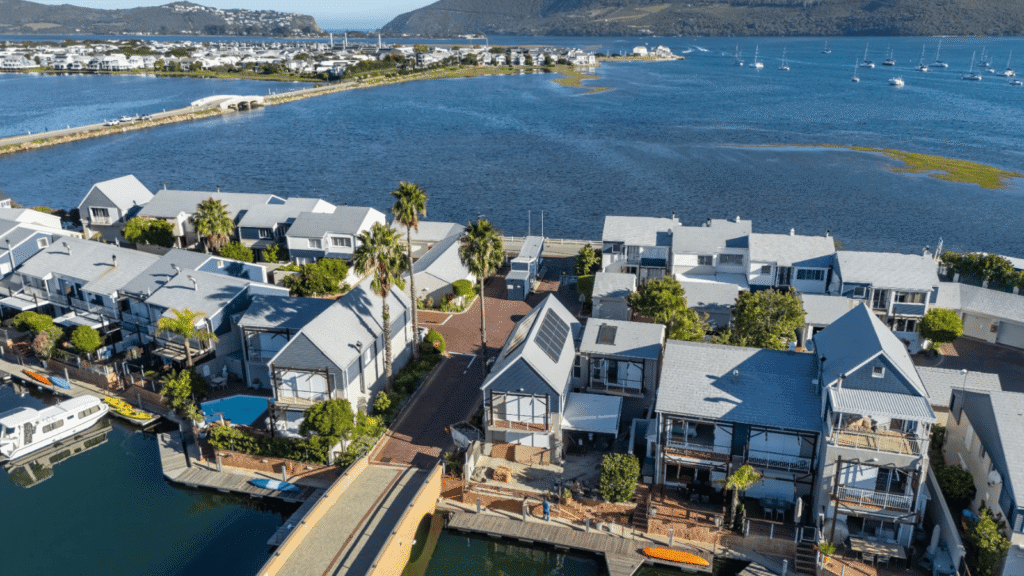
“The flight to control. Estates like Pezula, Simola, Thesen Island and Belvidere are commanding multi-million-rand prices because they offer what the town can’t: reliable governance and managed infrastructure.”
He added that much of the demand is coming from later-life movers and retirees, particularly those relocating from Gauteng and KwaZulu-Natal.
Stevens previously explained that buyers view these estates as controlled environments that provide greater certainty.
“Buyers see them as controlled environments with reliable governance and better-managed infrastructure, which is a major drawcard for people who want greater predictability and security.”
While Knysna’s property market remains resilient, Stevens cautioned that this strength is not guaranteed indefinitely.
“A note of caution – this holds while lifestyle demand stays strong and households keep investing in backup. If bulk infrastructure were to fail completely, values could eventually come under pressure.”
However, he said buyer sentiment still remains firmly positive. “For now, the market is pricing Knysna as a premium coastal destination – not a town in decline.”
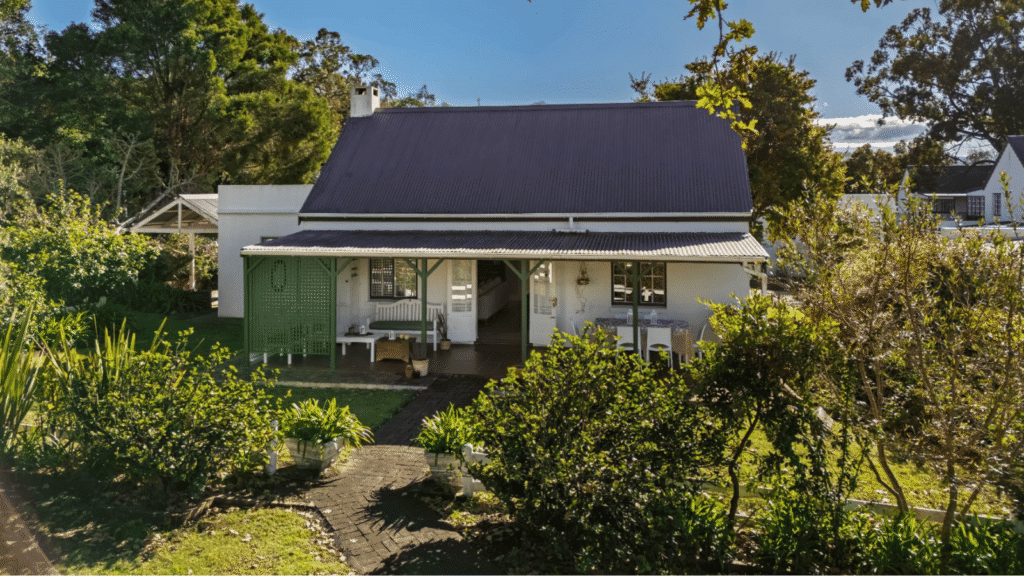
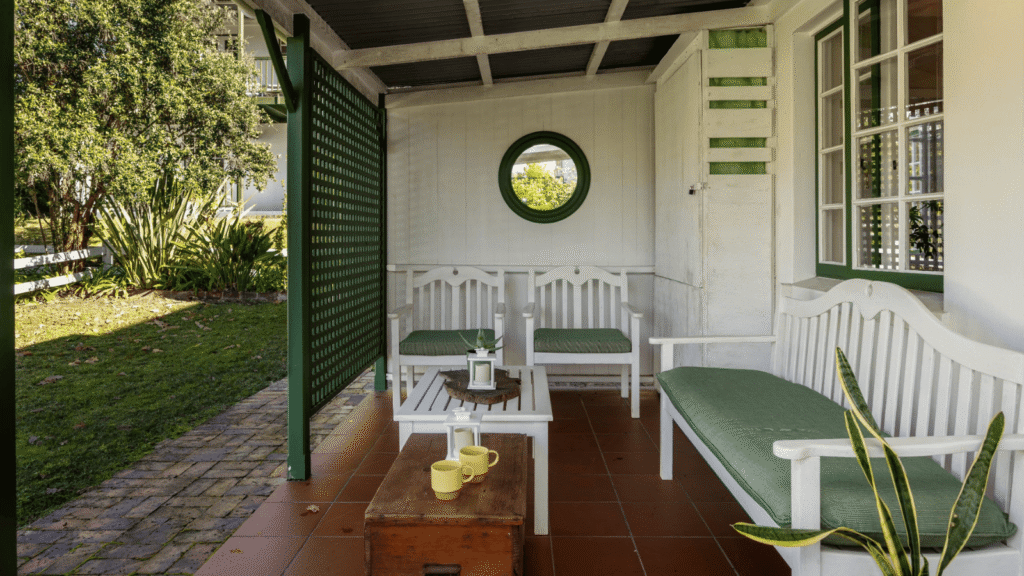
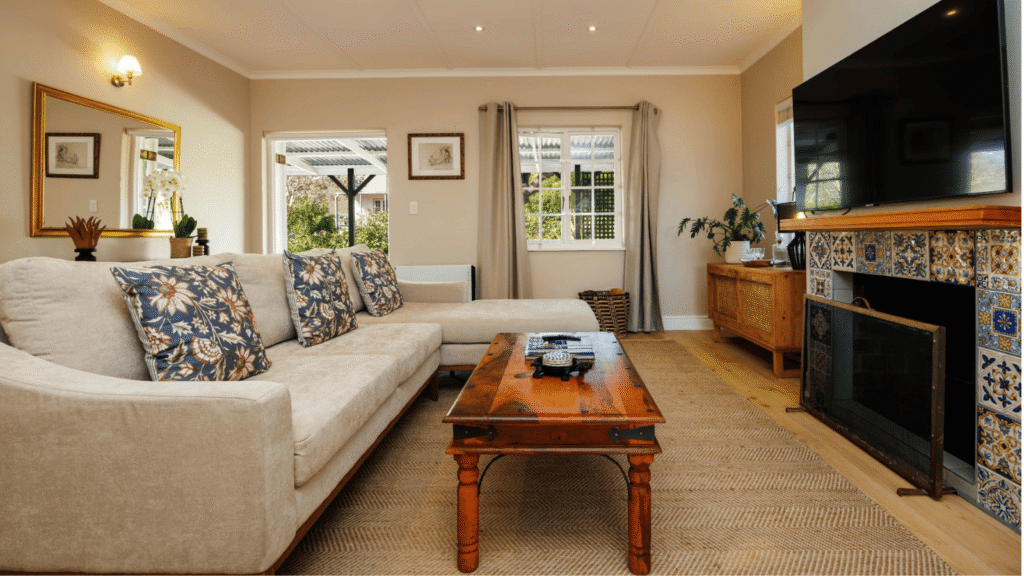
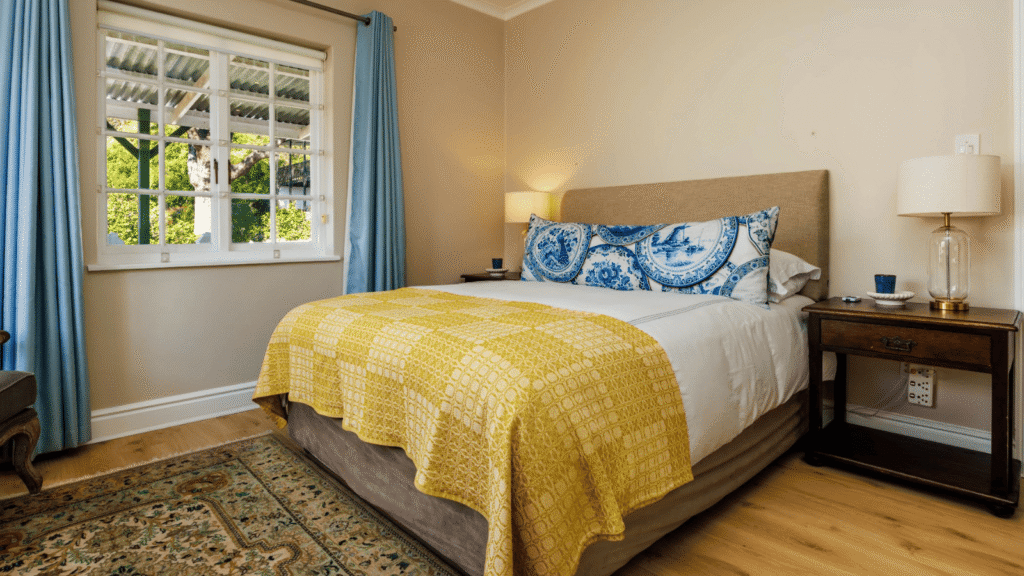
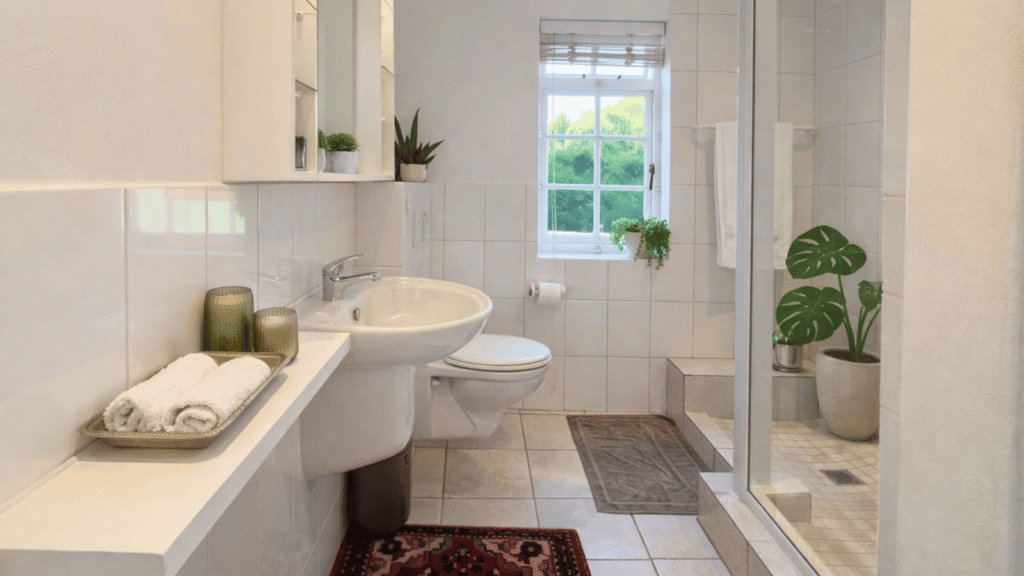
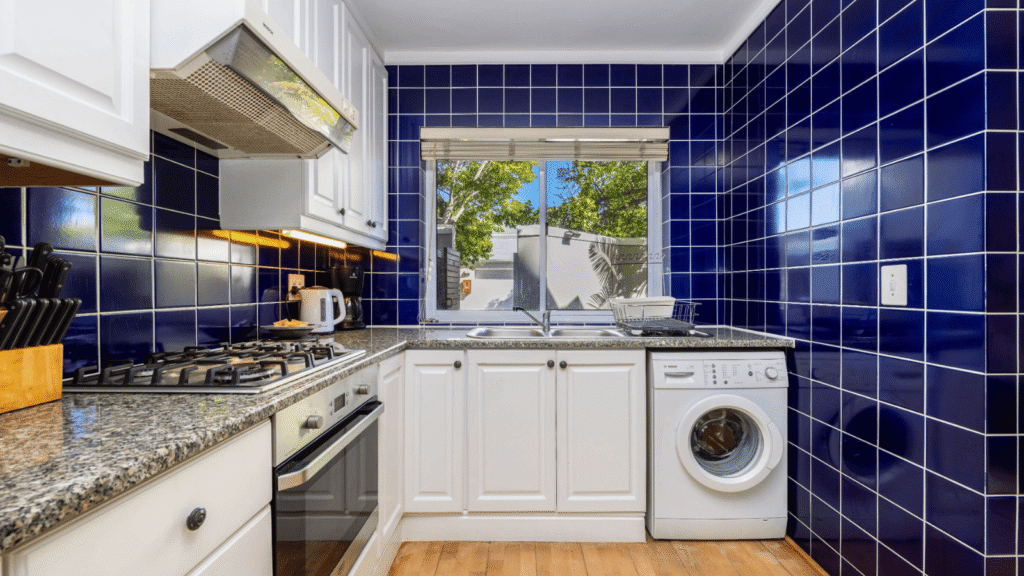
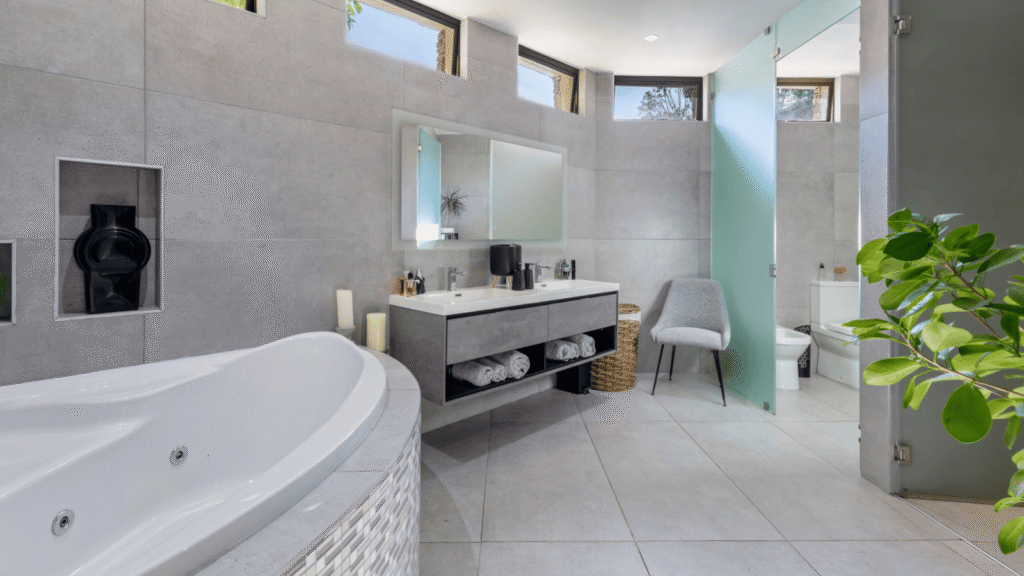
R3.99 million three-bedroom cottage in Belvidere
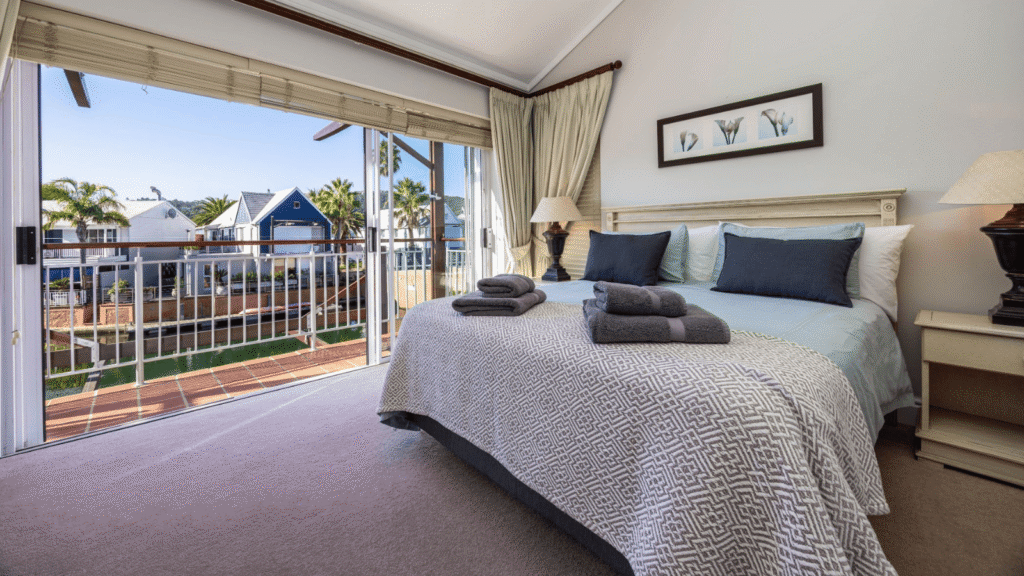
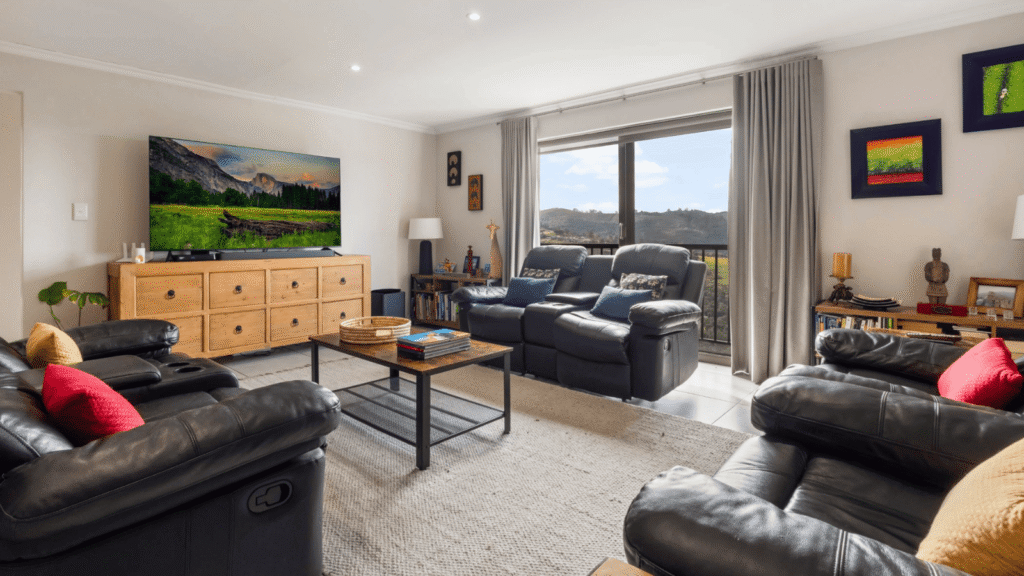
R7.65 million three-bedroom house in Knysna Quays
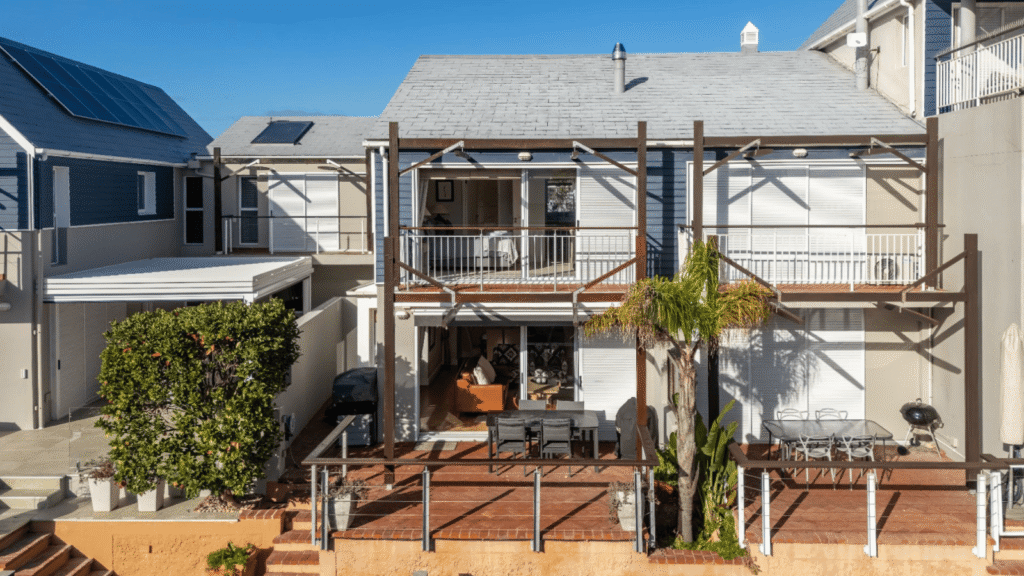
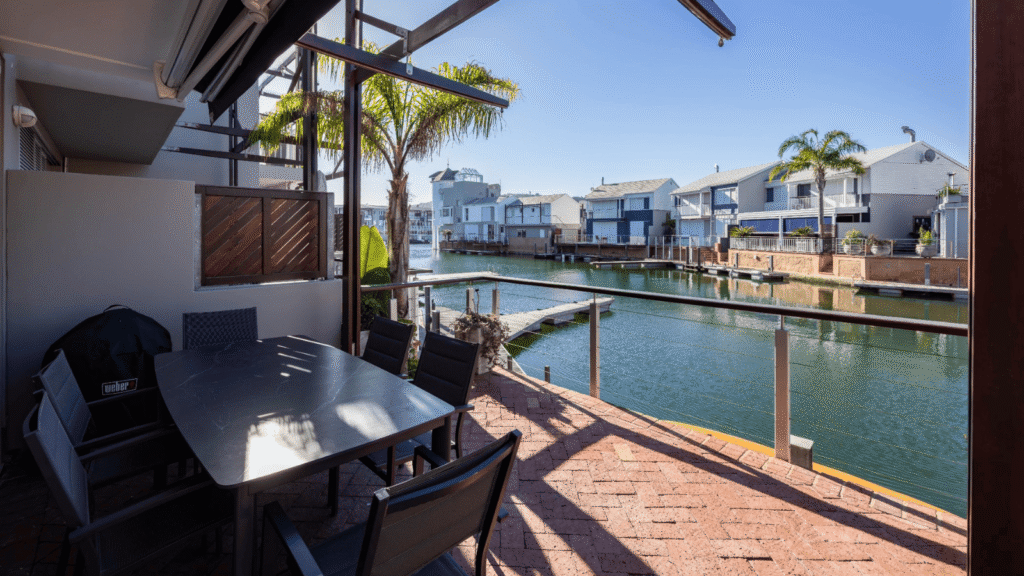
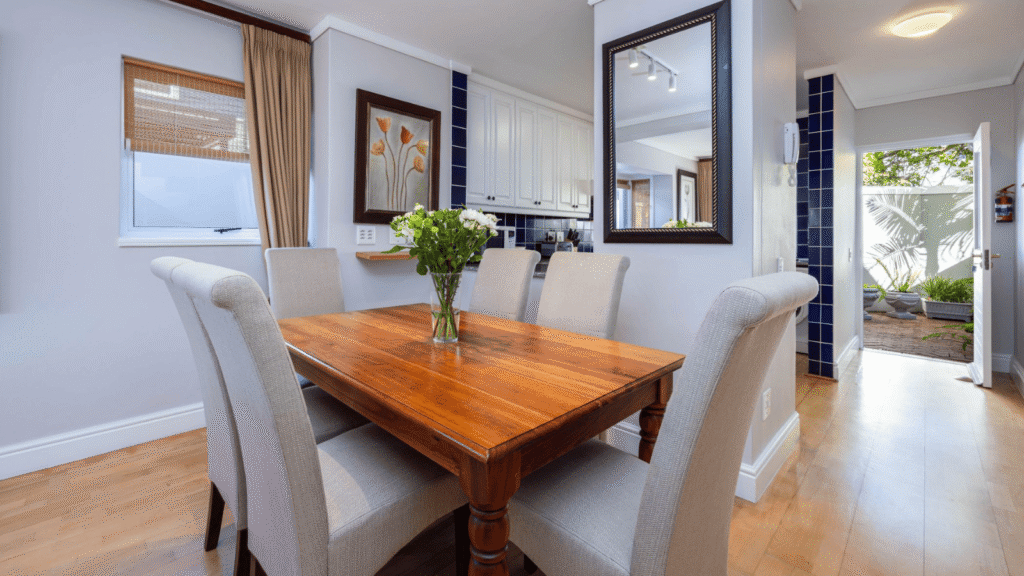
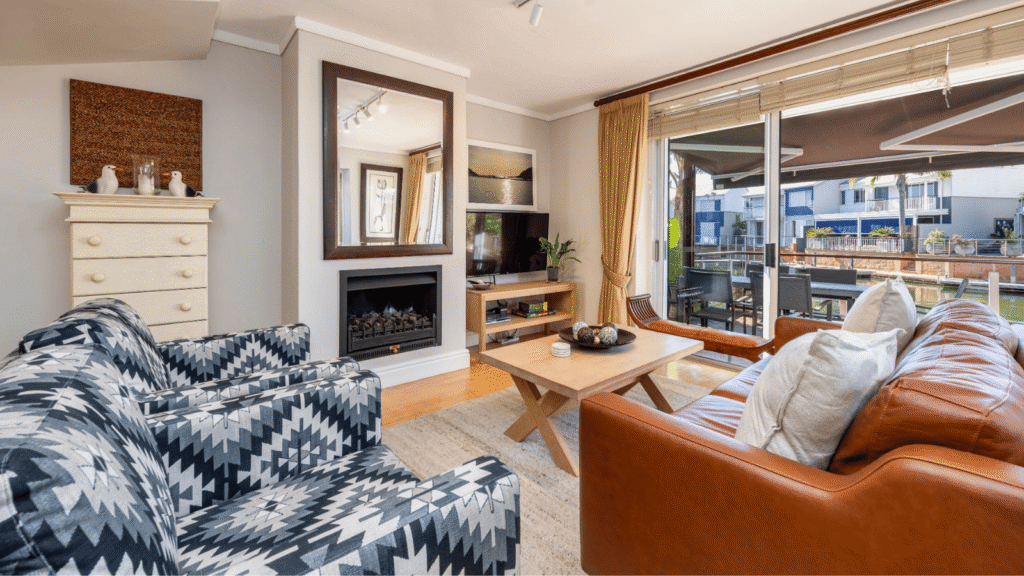
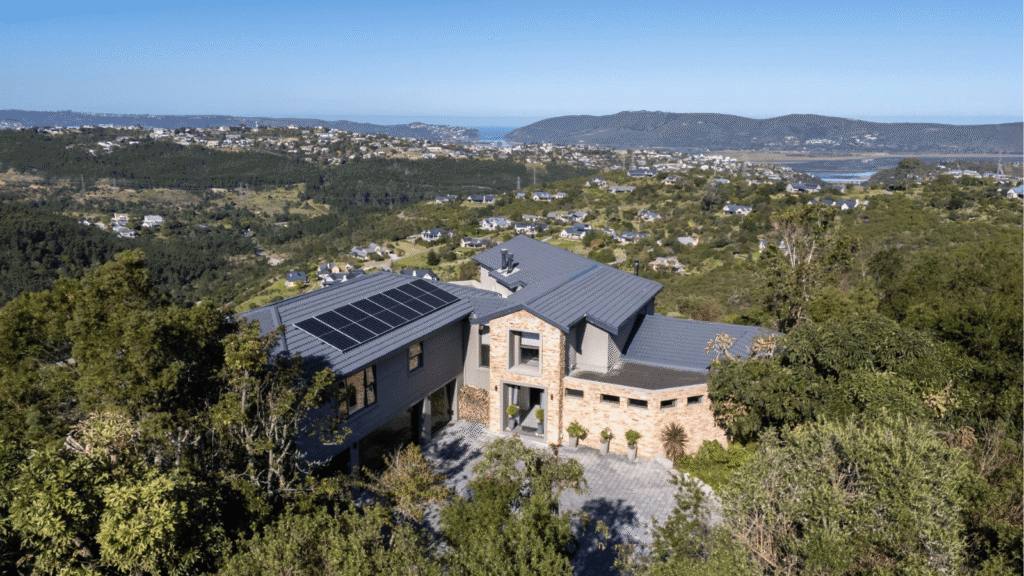
R15.4 million five-bedroom house in Eastford Country Estate
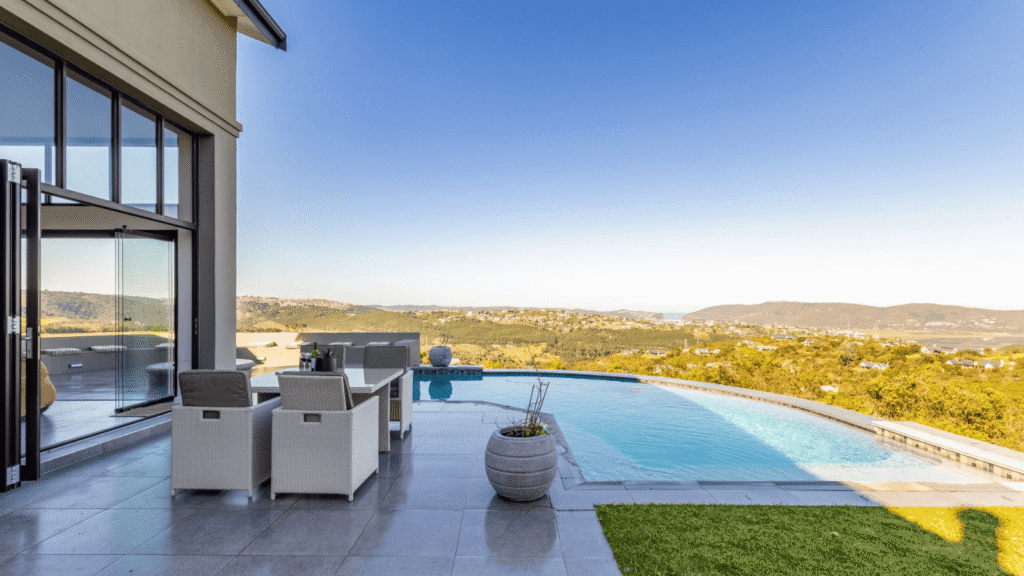
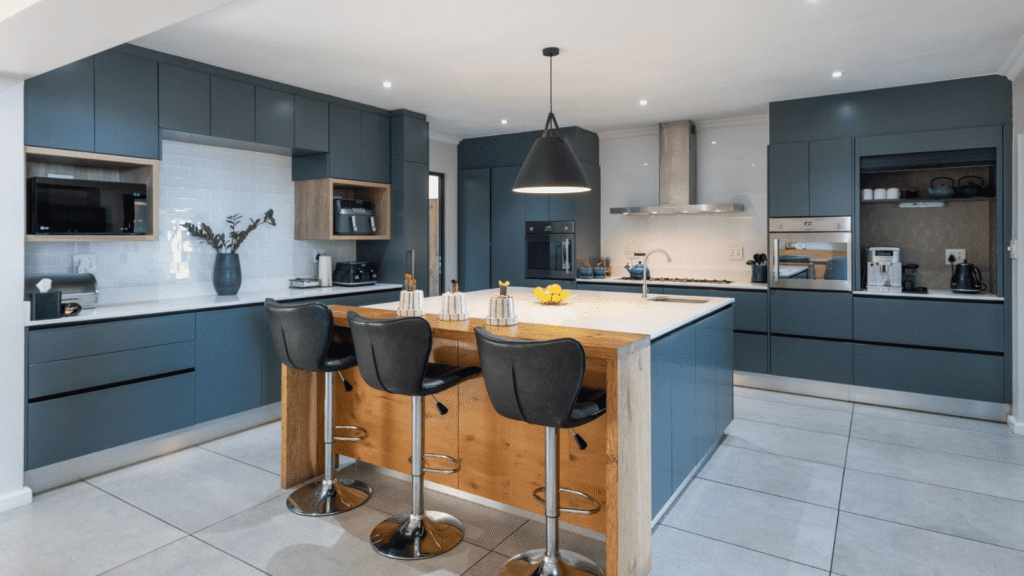
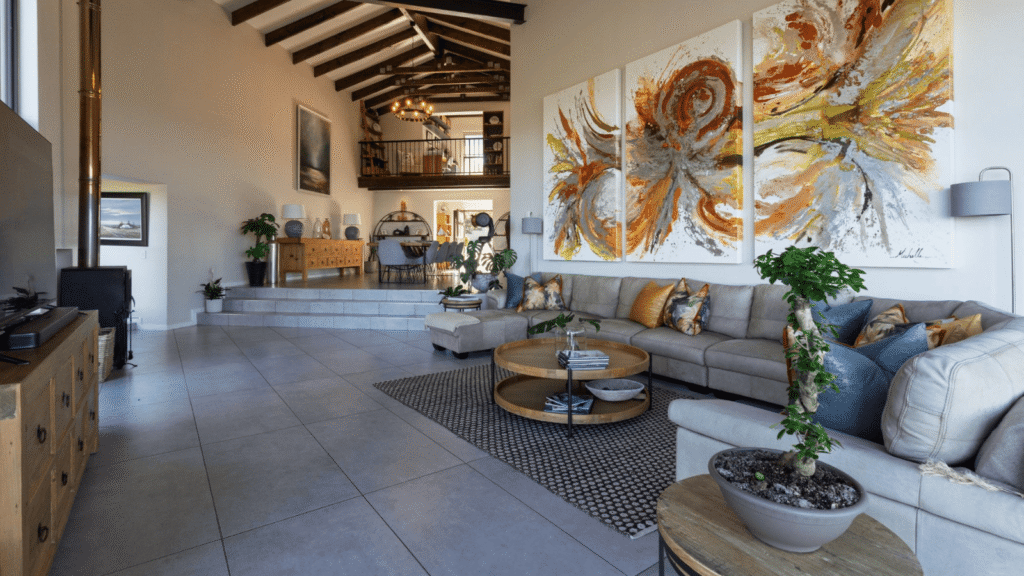
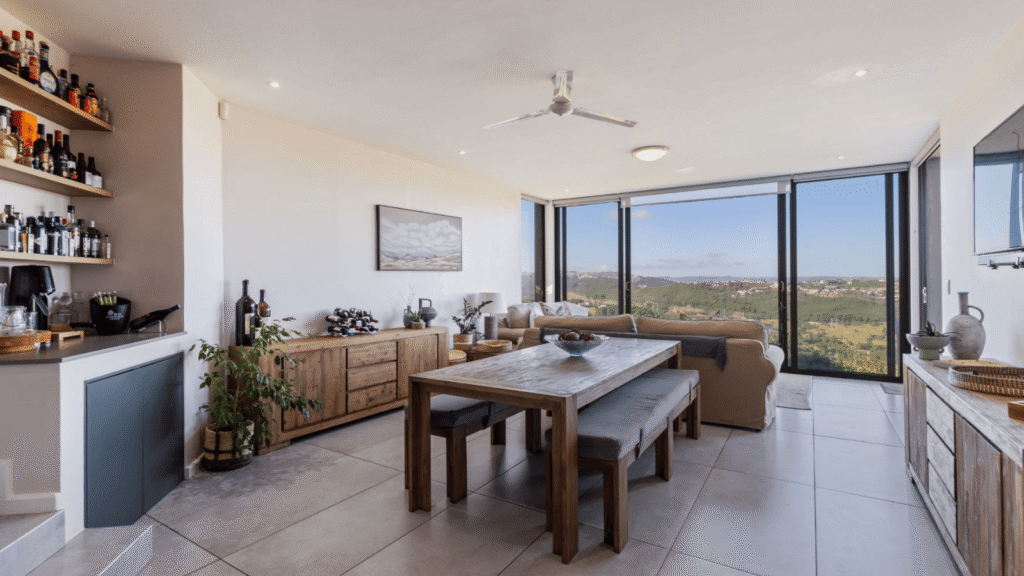
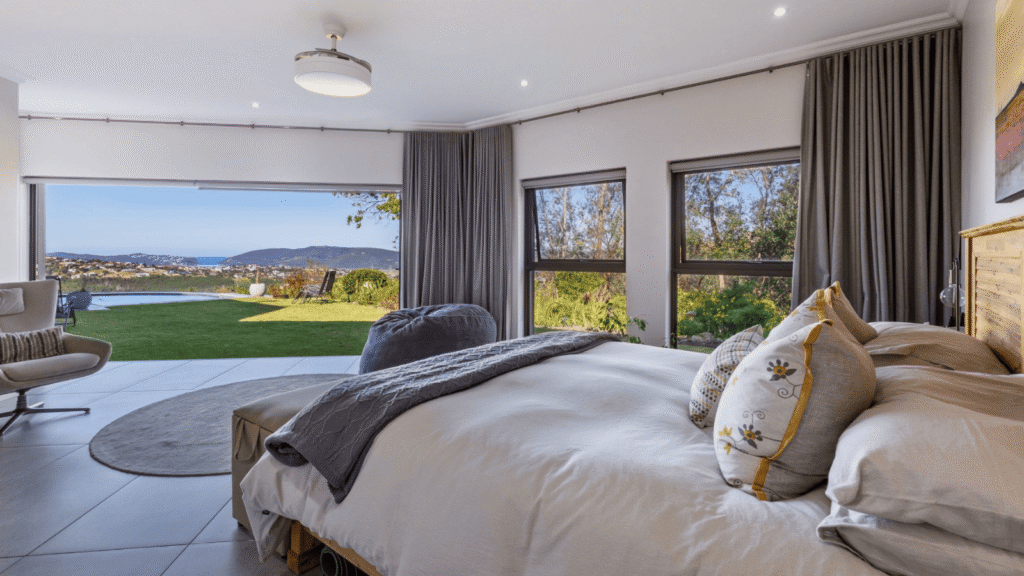
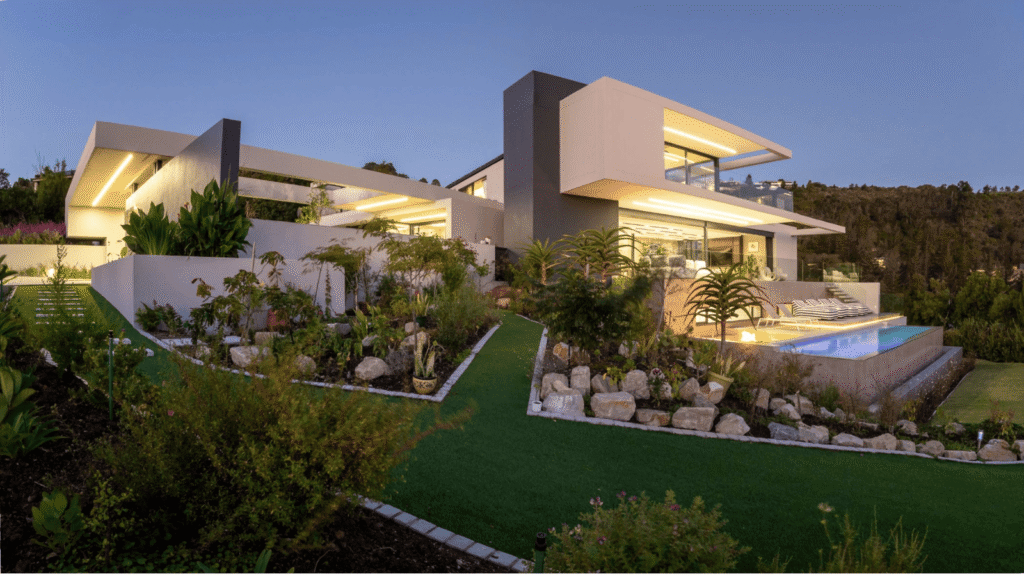
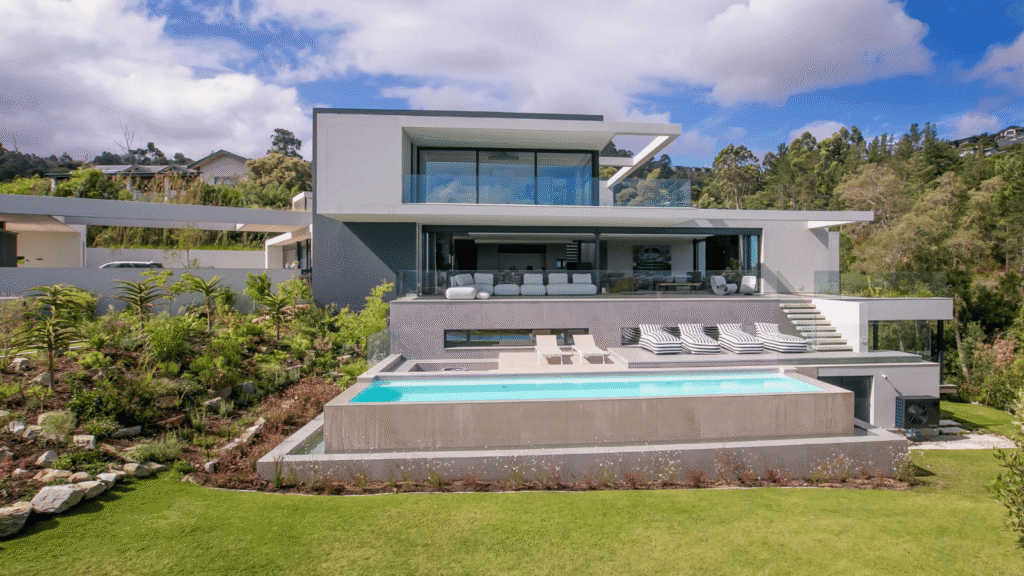
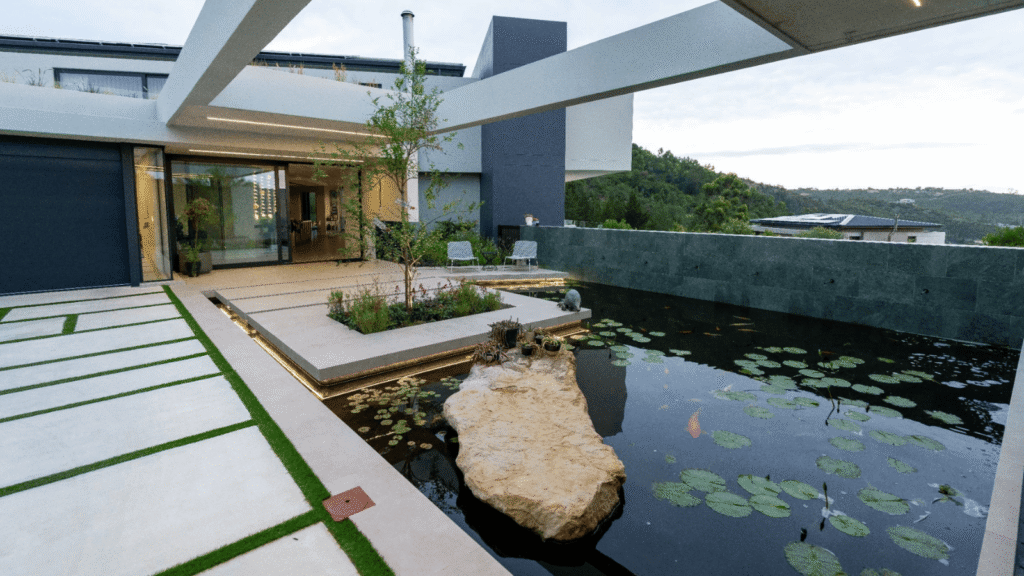
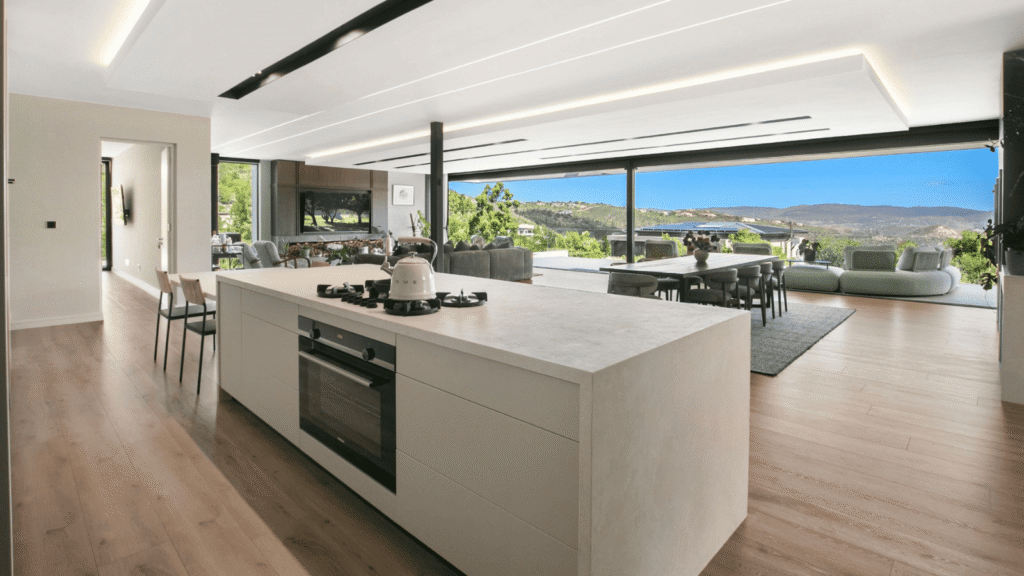
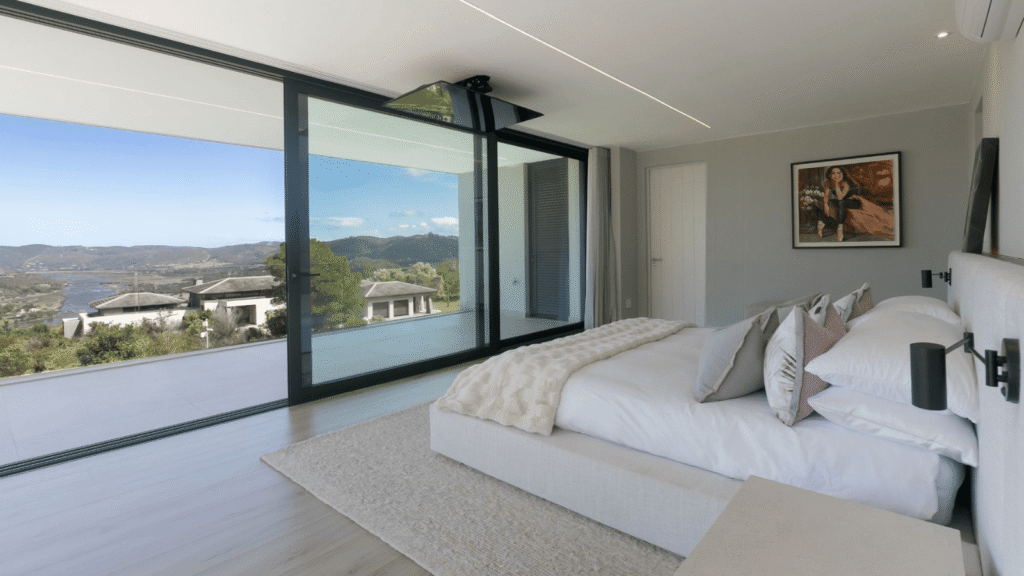
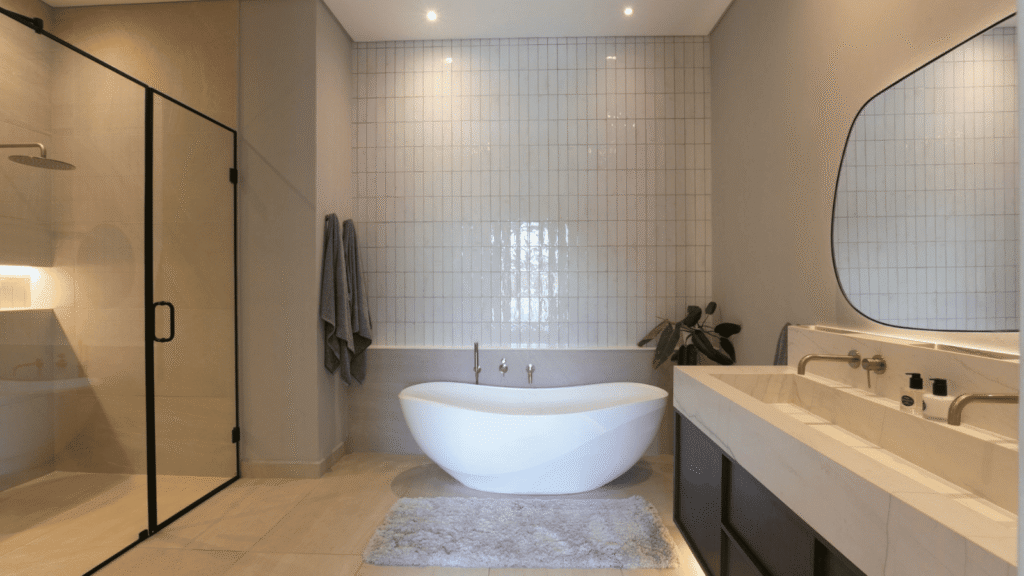
R38.5 million five-bedroom house in Simola









Comments