The tiny town where one of South Africa’s oldest companies has been making leather for 180 years


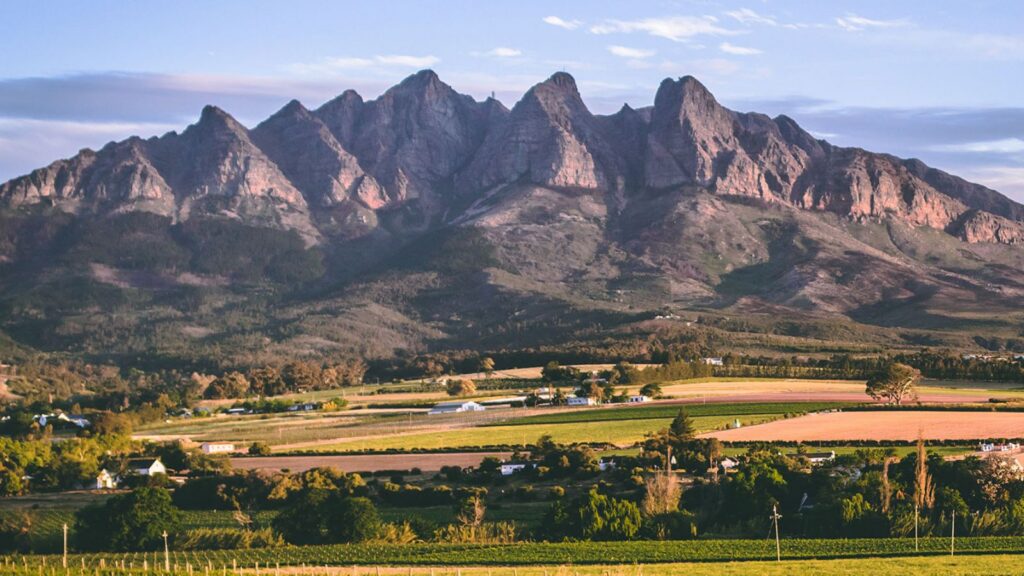
Less than an hour from Cape Town lies the historic town of Wellington, a picturesque hub that is home to South Africa’s oldest leather tanning company, Mossop Leather.
Situated at the foot of the Groenberg on the banks of the Kromme Rivier, Wellington’s economy is centred on agriculture, with the town home to many producers of fruit, wine, brandy, and whisky.
The town was established in 1840, though it had been home to European settlers for a long time before that, since 1685.
According to Wellington’s website, more French Huguenots settled in the town than anywhere else in the Cape, which is why it was formerly known as Val du Charron.
When it was formally established, the town was named after the Duke of Wellington, a renowned soldier and the conqueror of Napoleon at the historic Battle of Waterloo.
Since then, the town of Wellington has grown into an often overlooked economic powerhouse, with agriculture forming the backbone.
The town’s agricultural economy centres around its award-winning wines, table grapes, deciduous fruit (like peaches, apricots, and plums), and it is also home to South Africa’s sole whisky producer.
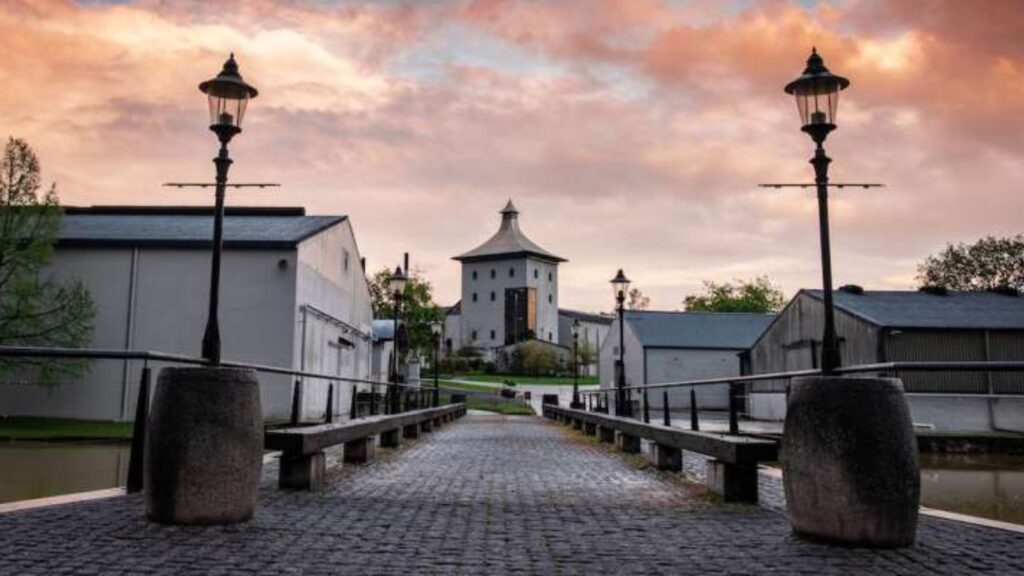
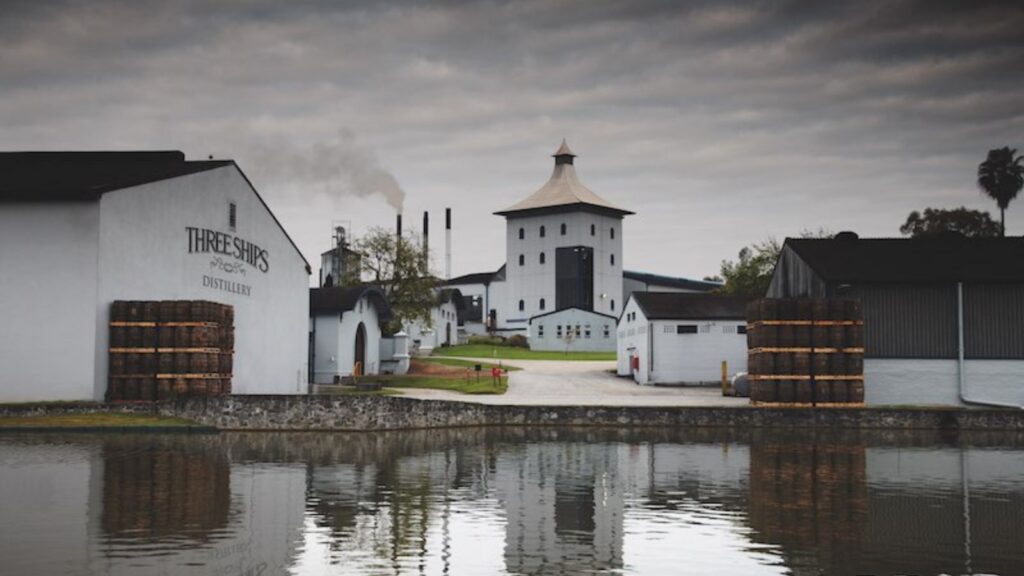
Established in 1886, the James Sedgwick Distillery has been located in Wellington for over a century, tracing its origins back to Captain James Sedgwick.
Sedgwick was a former ship’s master who retired in Cape Town in 1850 and founded J. Sedgwick & Co. as a purveyor of liquor and tobacco.
He passed away in 1872, leaving the company to his sons, who expanded the business by purchasing a brandy distillery in Wellington in 1886.
This distillery focused solely on brandy for almost a century until 1990, when the company pivoted to pioneer whisky production in South Africa.
This pivot proved highly successful, with South Africa’s warmer climate producing whisky that is distinct and smoother at a younger age than that produced elsewhere.
The distillery produces world-renowned whisky in Wellington to this day under the name Bain’s Whisky, which has since been acquired by Distell, a subsidiary of Heineken South Africa.
The Wellington distillery also produces the Three Ships Whisky, a name inspired by the company’s mariner founder, Sedgwick.
Mossop Leather
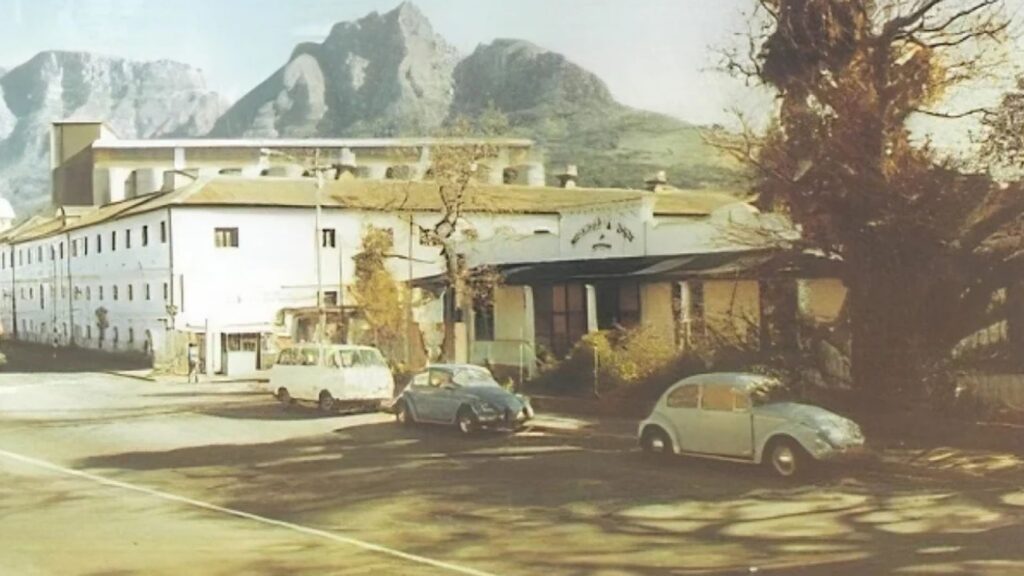
The James Sedgwick Distillery is not the only historic company based in Wellington, with the town also home to an even older company – Mossop Leather.
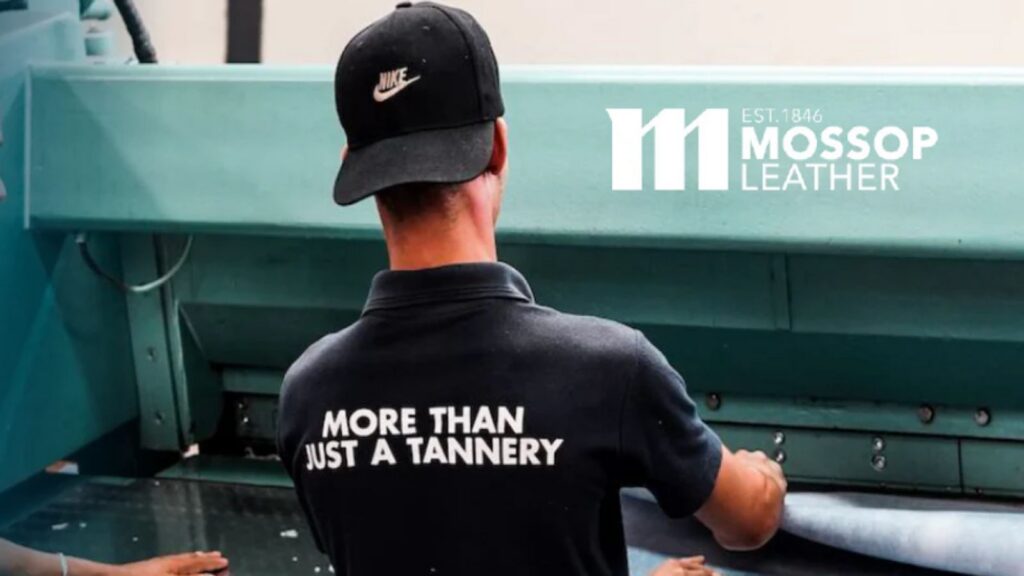
Located on Blignaut Street in Wellington, Mossop Leather has been crafting fine leather since 1846.
In the 1840s, Joseph Mossop, the son of a Keswick tanner, honed his leather-making skills under his father’s guidance.
Along with his brother James, they migrated to Cape Town to capitalise on the city’s growing industrial demands.
There, they established Mossop and Sons and pioneered leather production in Rondebosch by the Liesbeek River.
This river was ideally located for trade with mining towns up country, allowing the business to expand rapidly.
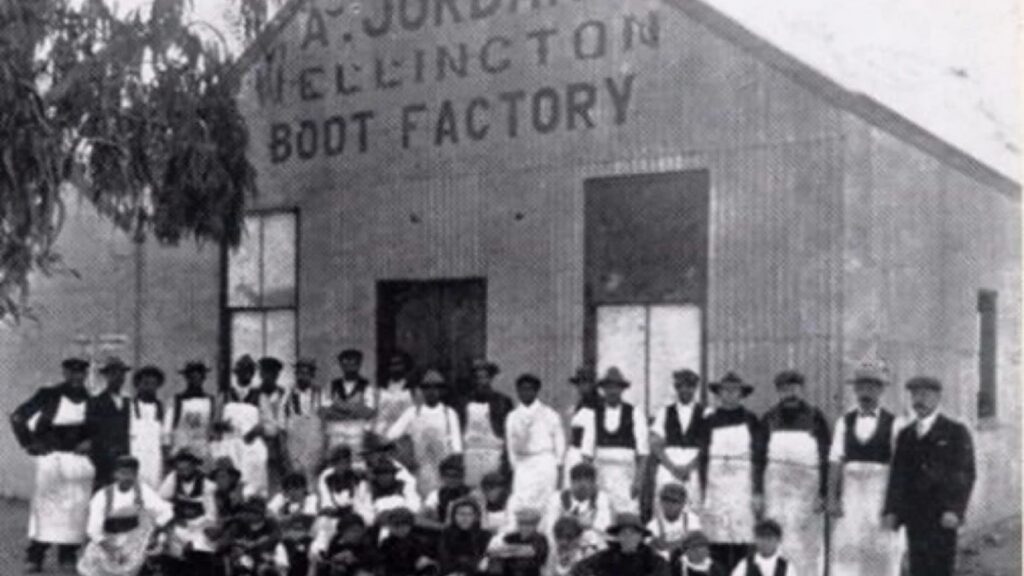
In 1871, a former railway worker from Yorkshire, John Henry Coaton, and his sons founded the Western Tanning Company in Wellington.
His tannery also expanded quickly, employing 160 workers who produced thousands of shoes every year. The company was later renamed to Western Boot & Tanning Co.
More than a century later, in 1981, Mossop and Sons decided to relocate the business to Parow, which had emerged as Cape Town’s industrial centre.
From there, the Mossop family maintained leadership of the company for an additional four generations, guiding it into the new millennium.
The family also oversaw the merger of Mossop and Sons with Western Boot & Tanning Co in 1996, forming Mossop Western Leathers.
This merger also saw the company’s Parow operations cease, with production moved to the factory in Wellington.
The Wellington tannery produced 140,000 m² of leather monthly, meeting half of South Africa’s leather demand.
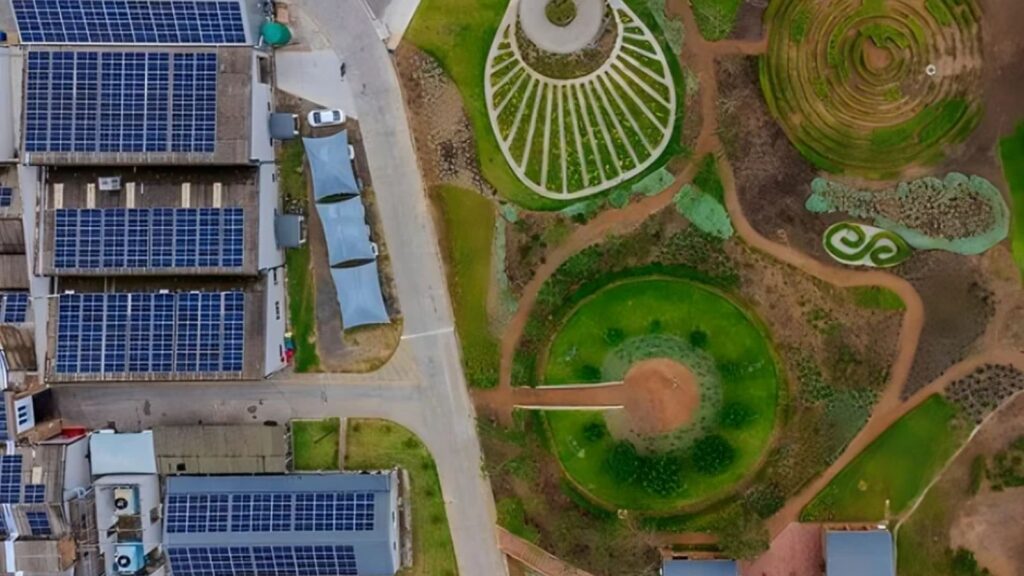
In 2007, Mossop Western Leathers relocated to a more modern plant on Blignaut Street in Wellington, where it stands to this day.
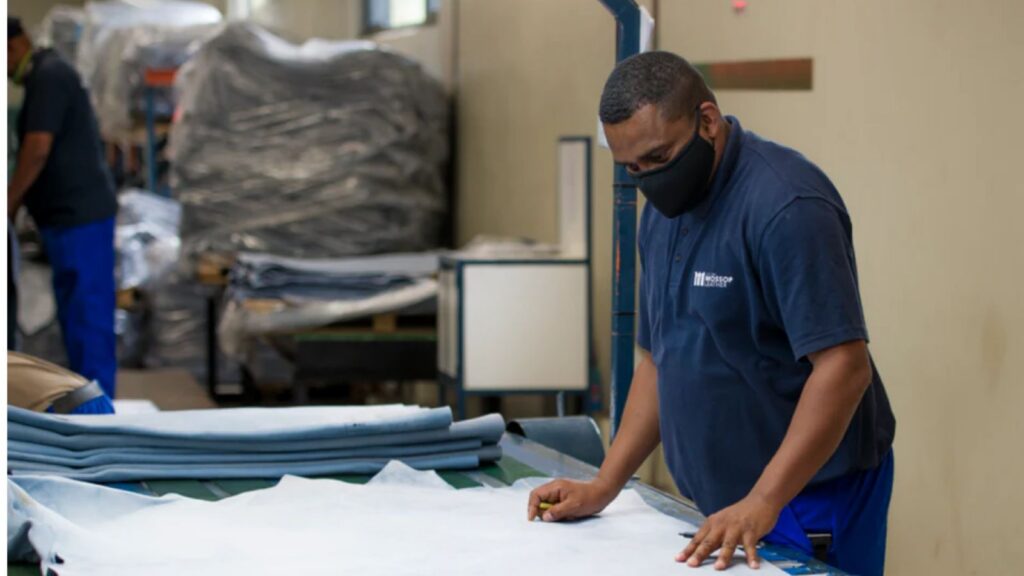
Today, Mossop Leather exports high-quality leather to Europe, the Indian sub-continent, and the Far East.
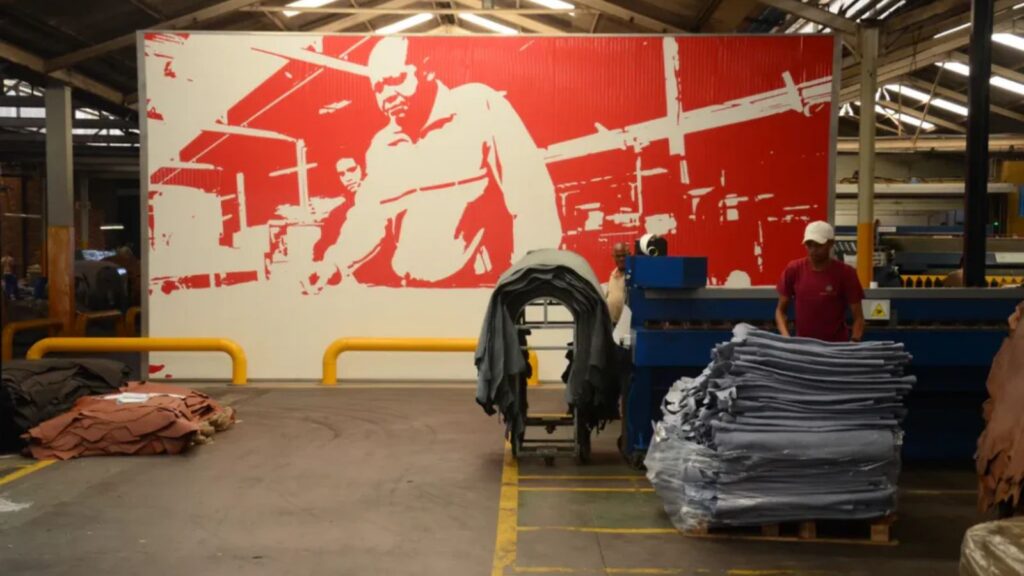
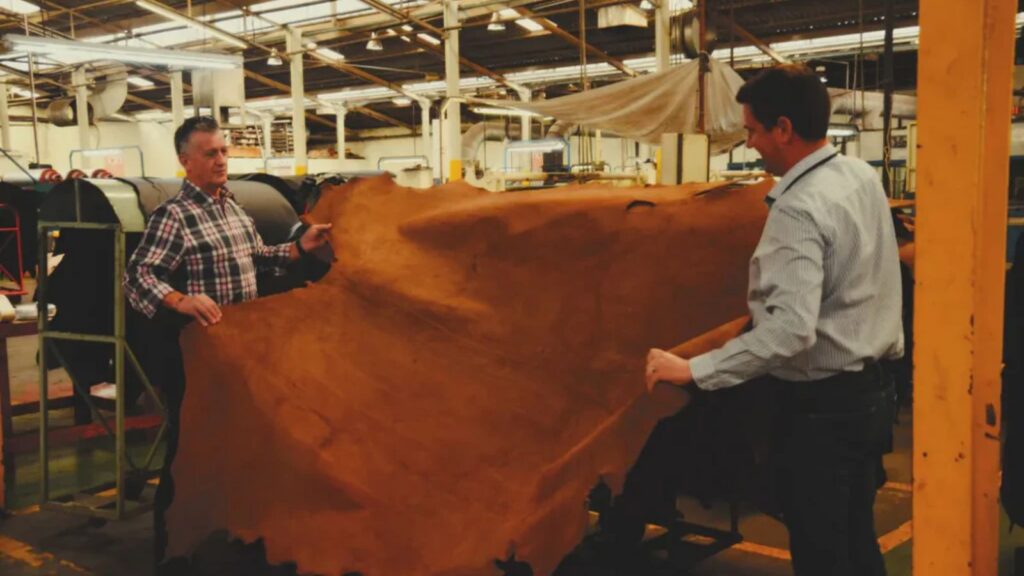
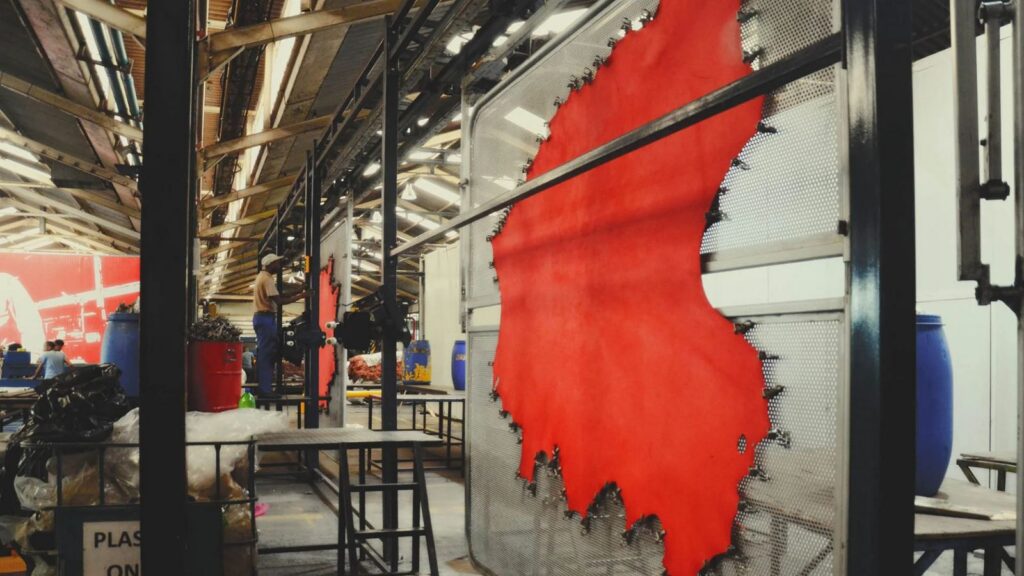
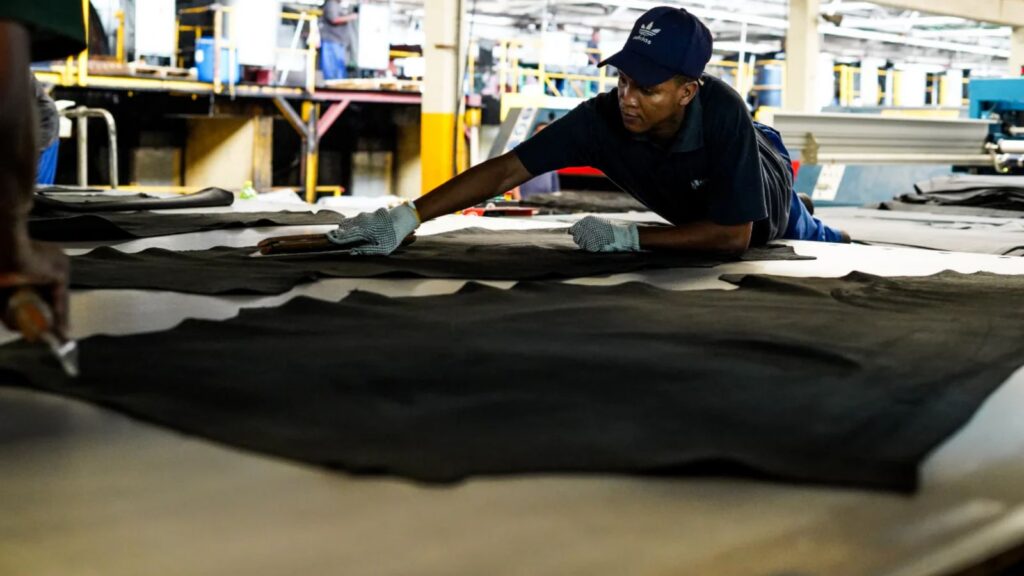
Mossop Leather employs 200 people, with its Wellington plant having a monthly production capacity of 2 million square feet of shoe upper and upholstery leather, as well as 600,000 square feet of laminated split leather.
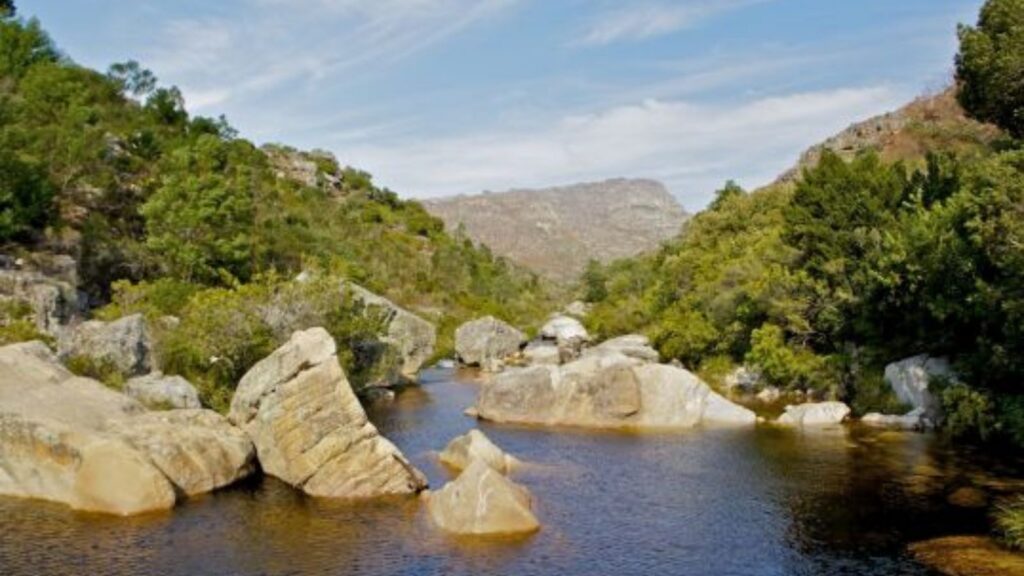
Wellington photos
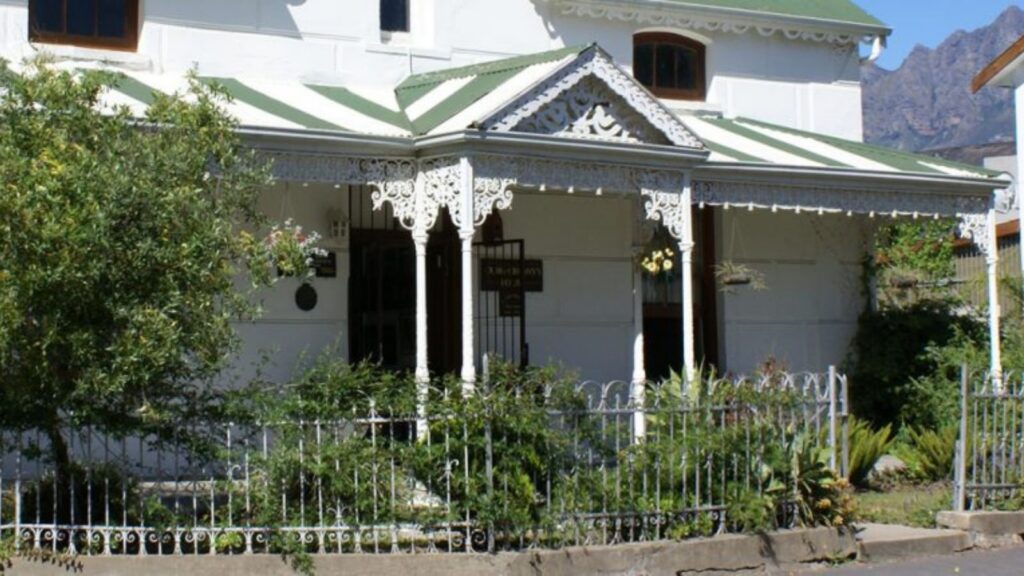
Mossop Leather photos






Comments