The mining magnate whose backyard became Joburg Zoo and one of South Africa’s richest suburbs


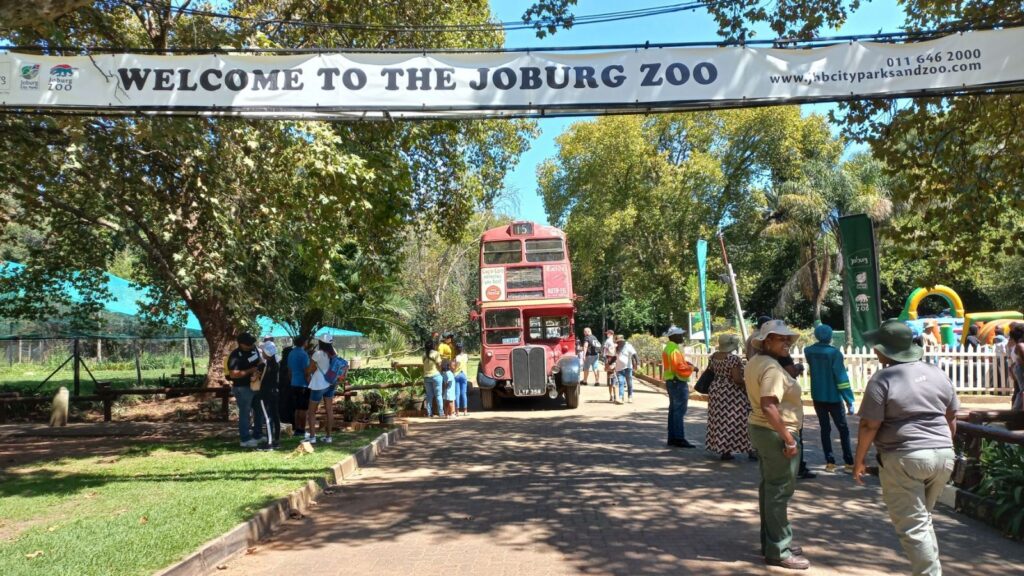
Herman Eckstein’s Braamfontein Farm was donated to the City of Johannesburg in 1903, with the land now being home to the Johannesburg Zoo, Zoo Lake, and the suburb of Saxonwold.
Initially bought in the hope of finding gold, Eckstein had turned the area into a timber plantation to supply wood to builders in Johannesburg.
Back then, the land was considered outside of the city, as it was on the other side of the famous Parktown Ridge that was home to many mining magnates.
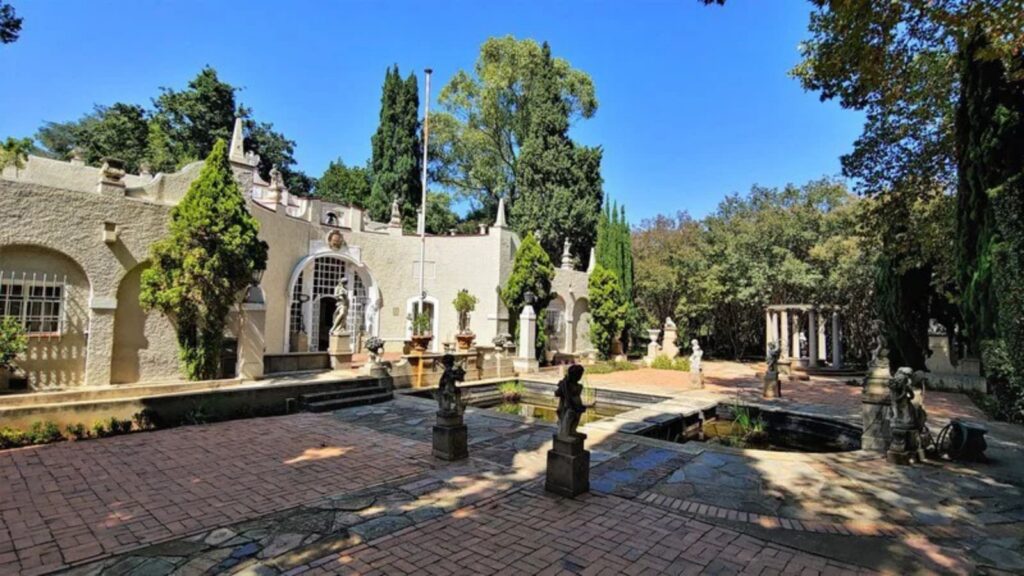
Some of these houses remain over 100 years later, such as Northwards, The View, Villa Arcadia, and Delobran.
All that remains of Eckstein’s timber plantation are the leafy suburbs of Forest Town, Saxonwold, and Zoo Lake.
His house, Hohenheim, named after the place of his birth, was built in 1894 and was demolished in the 1970s to make way for the Johannesburg Academic Hospital that dominates the ridge today.
Eckstein had come to South Africa in 1882 in the hope of striking it rich in the country’s diamond mines and goldfields.
Highly educated, Eckstein quickly became a renowned manager of diamond mines in Du Toit’s Pan near Kimberley.
His skill and education caught the attention of Julius Wernher and Alfred Beit, who encouraged Eckstein to join them in a partnership that would become the giant, Wernher, Beit & Co.
This shifted Eckstein to the gold fields in Barberton and De Kaap, in which Beit had invested heavily. While this investment failed, rumours of gold on the Witwatersrand reached their office in Kimberly.
The company immediately began buying extensive mining rights in Johannesburg, which ended up being highly lucrative as the largest gold reef in the world was discovered.
Eckstein wanted to strike out on his own and created his own firm using the wealth he had made under Wernher and Beit.
However, Eckstein did not have the dealmaking and conviction of his former bosses and instead leveraged his skills to formalise the industry as much as he could.
Eckstein drove the formation of the Chamber of Mines in 1889 and was its first president, pushing for the use of engineers in mines to make them more efficient and safe.
This enabled the mining industry in Johannesburg to switch to deep-level mining relatively quickly.
Eckstein also set up the National Bank of the South African Republic, giving him immense influence over all mining and financial activity on the rand.
Sachsenwald and missed opportunities
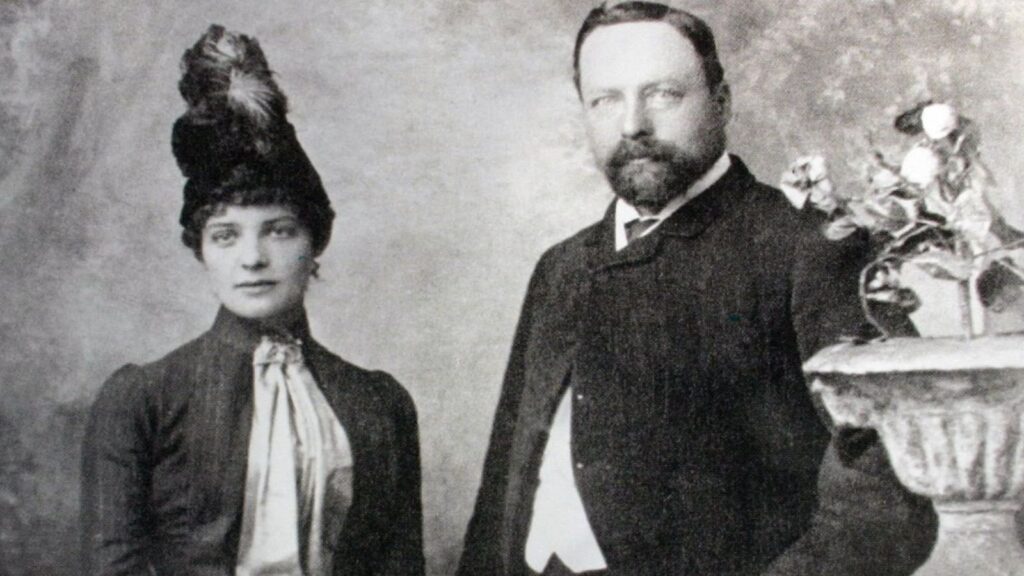
Eckstein never gave up hope of finding his own gold deposits on the Rand, using his influence to snap up over 1,300 acres of land just beyond the Parktown Ridge.
However, his endeavour was met with failure as mineral prospecting on the property proved unsuccessful relatively soon after his purchase.
Eckstein then decided to name this area Sachsenwald after a forest estate associated with German Chancellor Otto von Bismarck. There was only one problem – there was no forest.
The mining magnate used all his resources and influence to move heaven and literally earth to plant three million trees on the farm land.
While the plan was to make this a timber plantation to supply builders and mining companies, the forest quickly became a favourite retreat for wealthy Randlords and their families.
Offering a green space on the far side of Parktown Ridge, the rich could enjoy peace and quiet away from the hustle and bustle of downtown Johannesburg.
Eckstein had signed in his will that the land would be passed to Wernher, Beit & Co. after his death, but insisted that it remain open to the public of Johannesburg.
A decade after he passed on, Sachsenwald was donated to the city and was named the Hermann Eckstein Park.
Eckstein was obsessed with public spaces in the rapidly growing city, setting up the Rand Club to pool money and resources to this end.
He even famously founded the Wanderers’ Club, which used to be located close to Park Station, but was later moved to its present location in Illovo after the government expanded the train service.
However, Eckstein’s obsession with public spaces met Johannesburg’s desire for more space head-on and a compromise was sorely needed.
Zoo Lake, Joburg Zoo, and one of South Africa’s richest suburbs
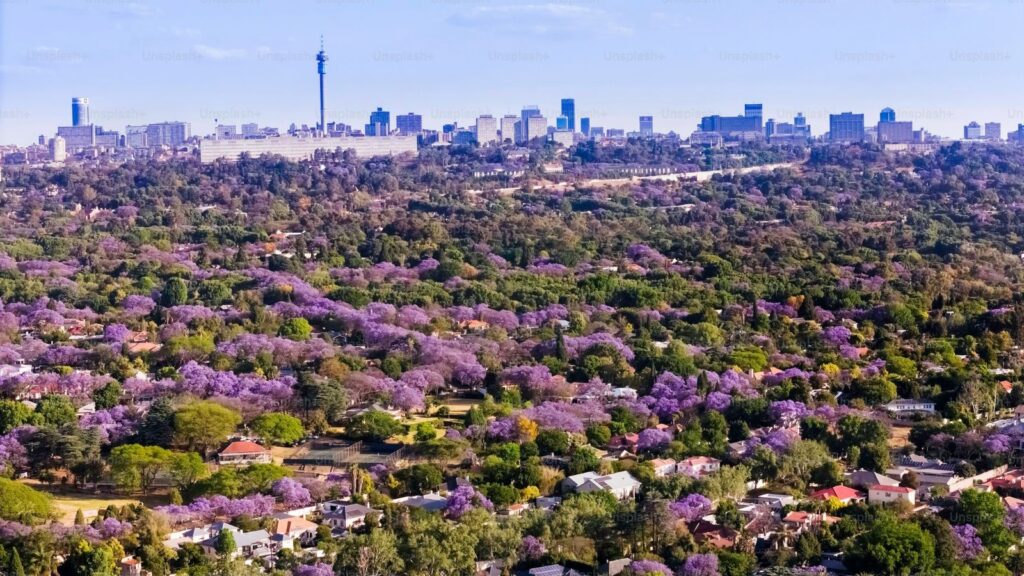
To preserve Eckstein’s wish while keeping the city happy, Johannesburg mayor W. St John Carr decided to use 200 acres of the Sachsenwald estate for public recreation.
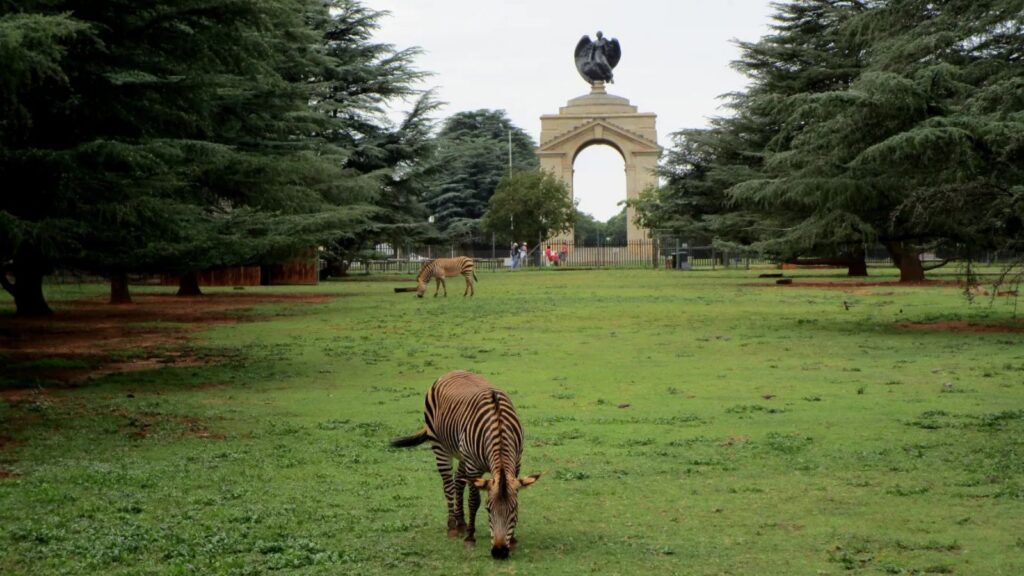
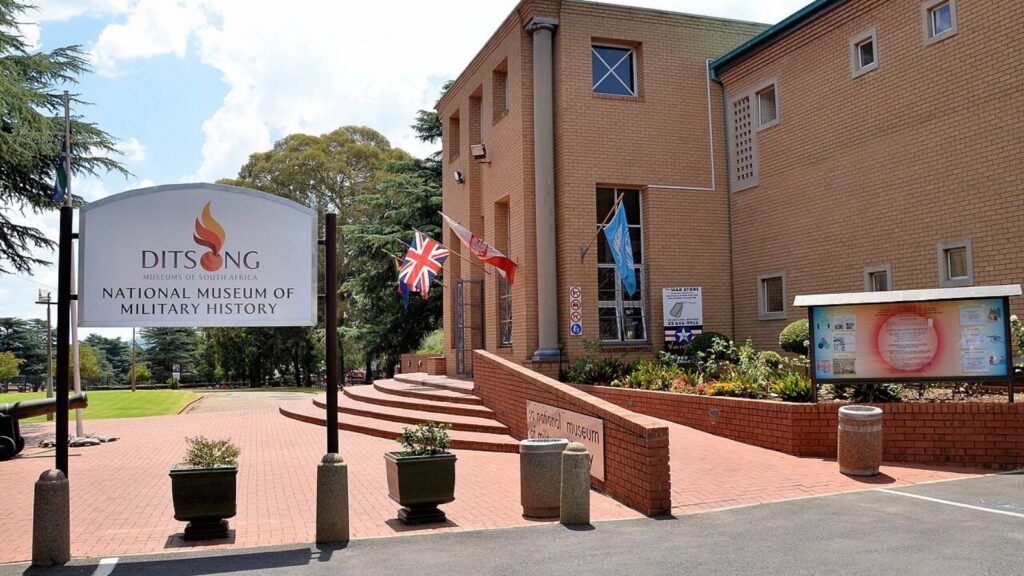
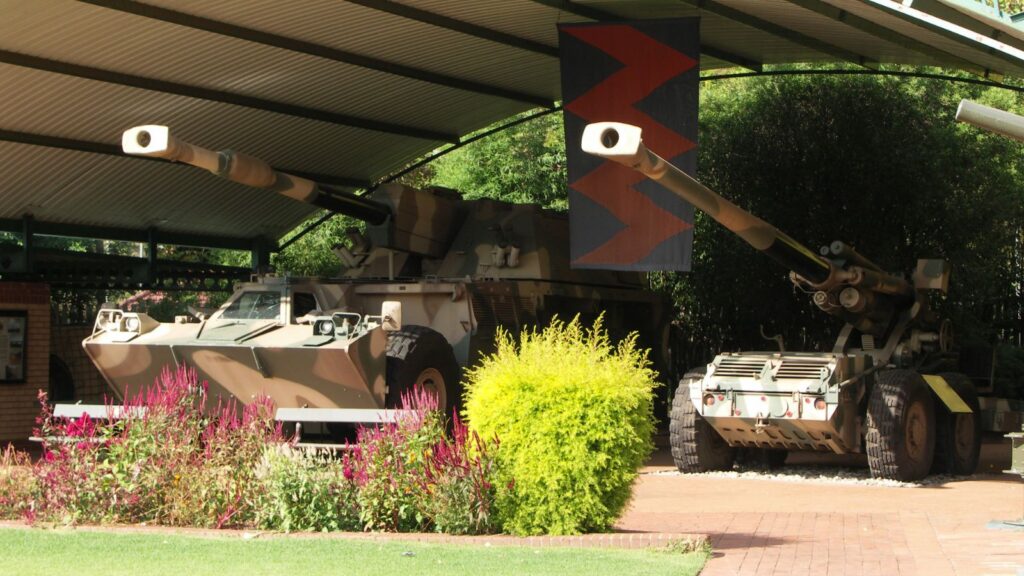
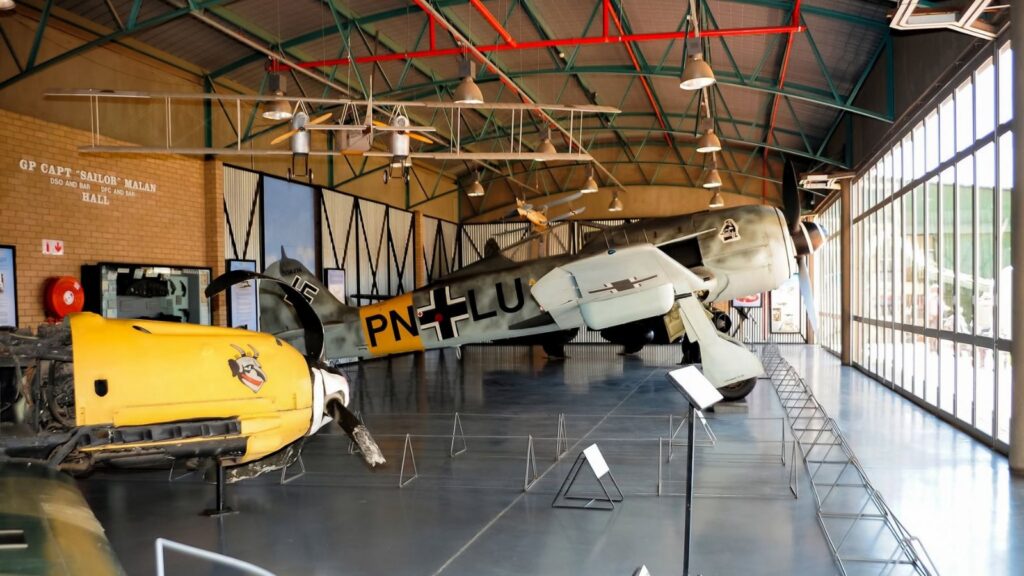
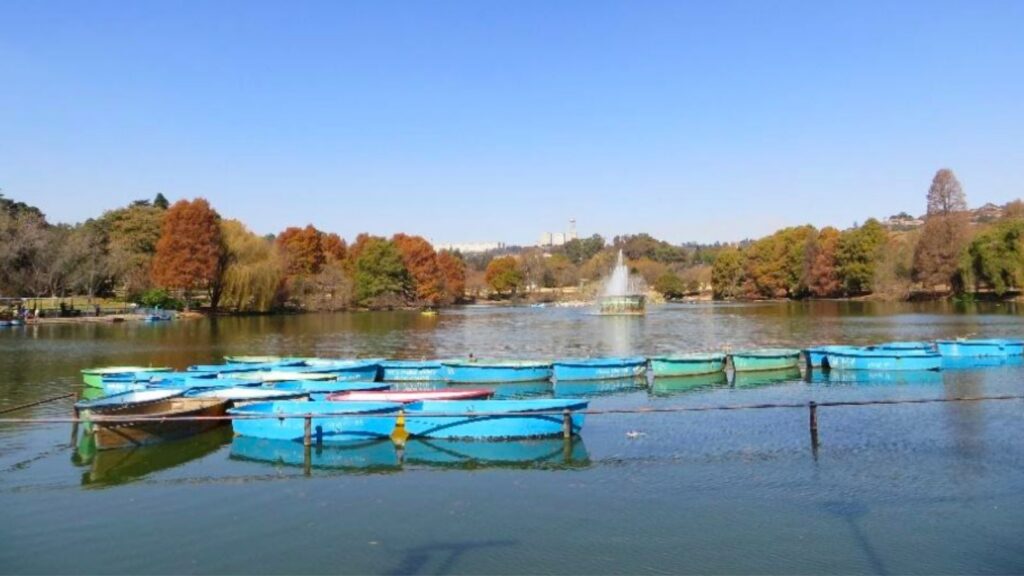
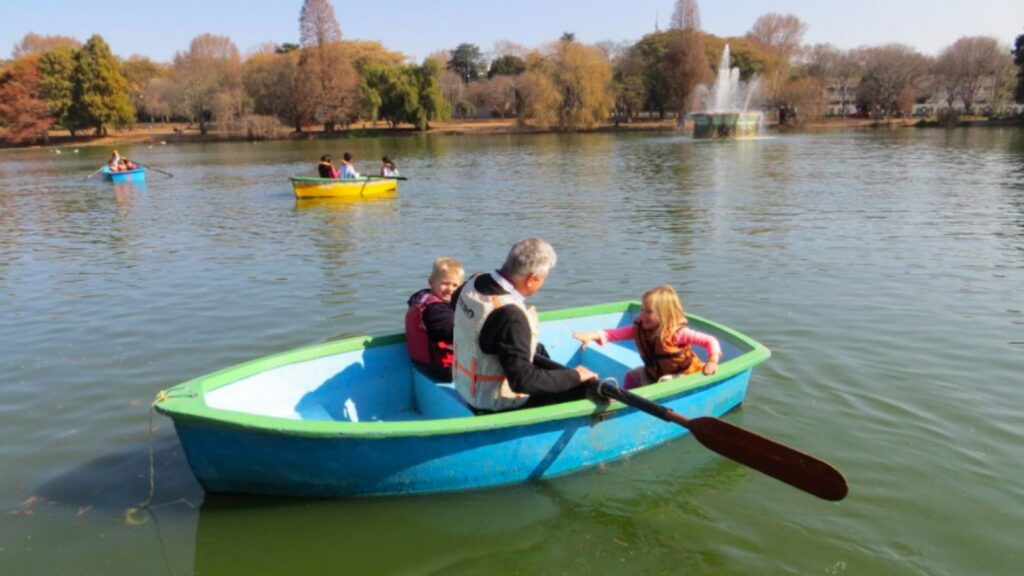
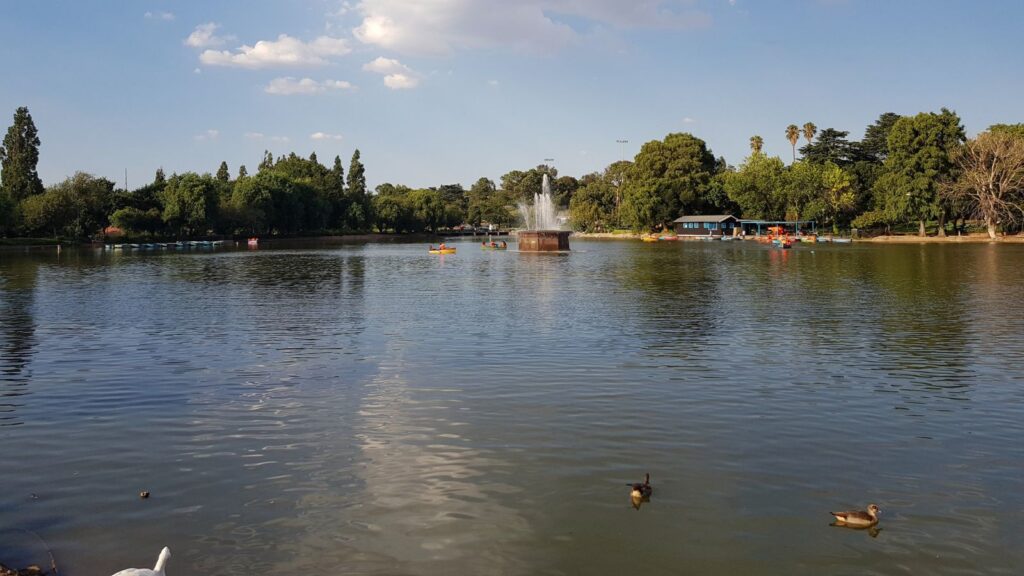
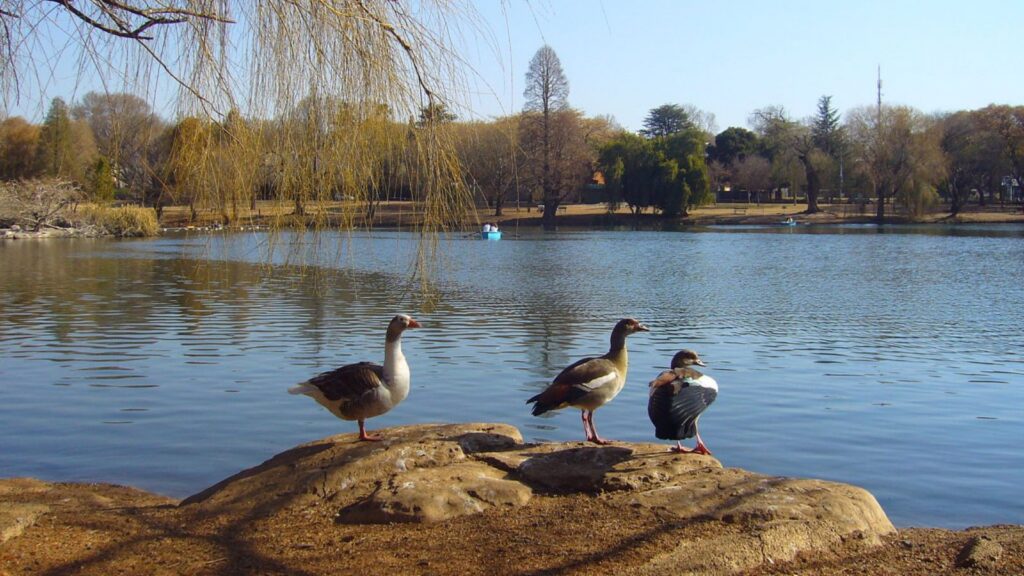
Officially transferred on 22 March 1904, this land became the site of Zoo Lake, the Johannesburg Zoo, and the South African National Museum of Military History.
The zoo was established later that year, with its first animals being donated by Jock of the Bushveld author Sir Percy FitzPatrick.
FitzPatrick’s private collection of African wildlife formed the foundation of the zoo, and he continued helping to acquire animals for it until 1912.
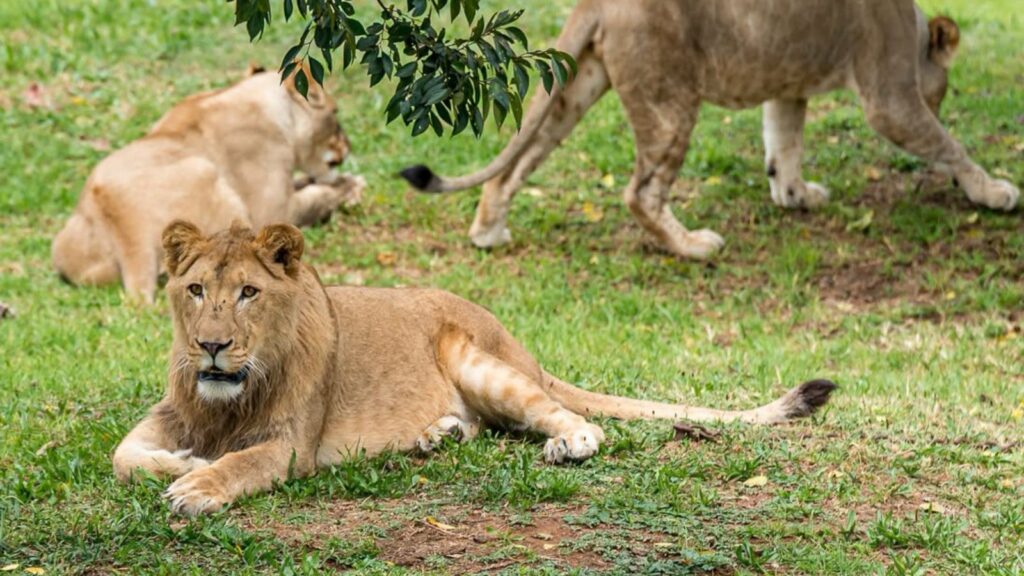
The zoo’s earliest attractions included two lions and a leopard. Demand grew quickly, requiring new facilities to be added, including an amphitheatre and bandstand.
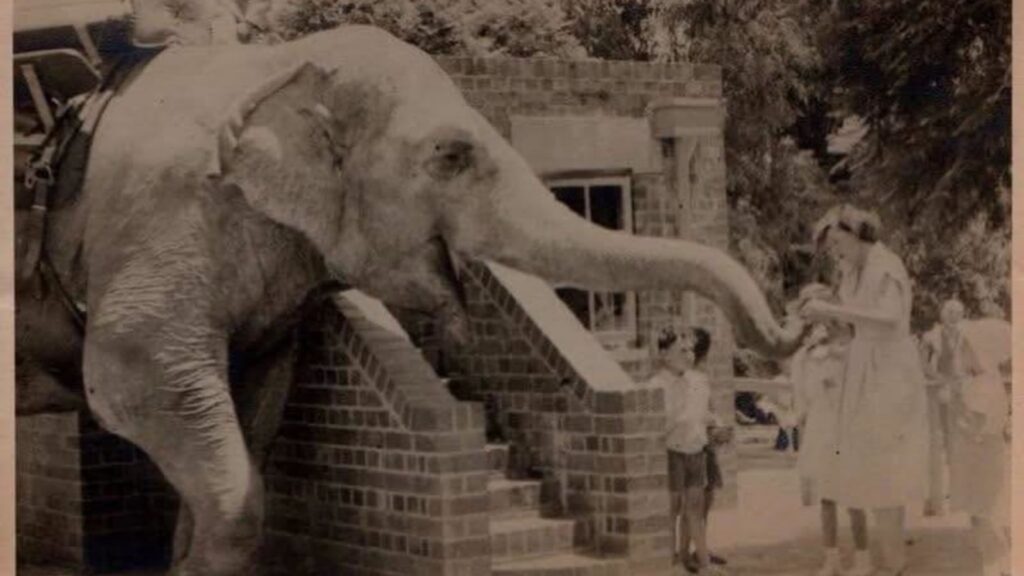
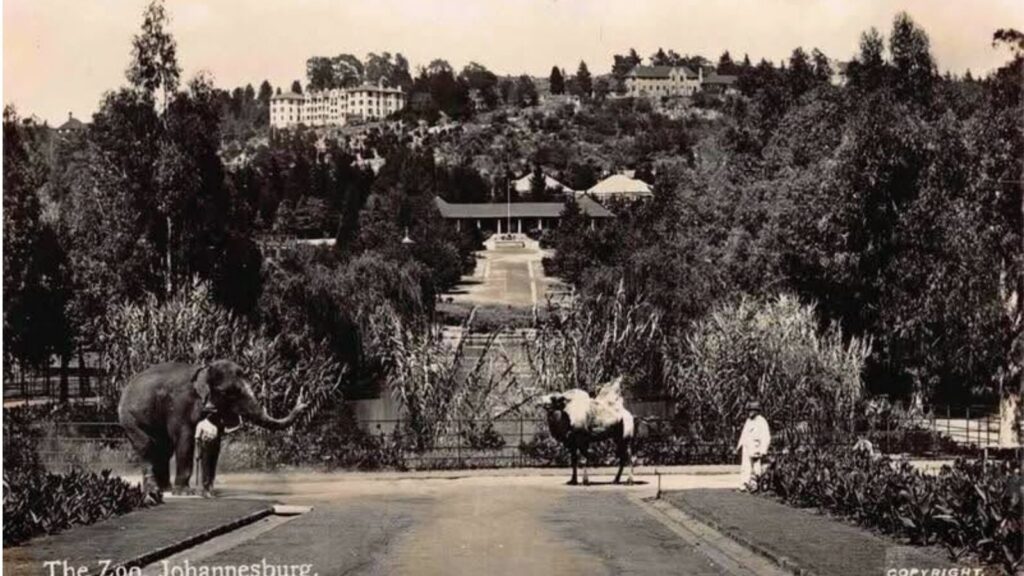
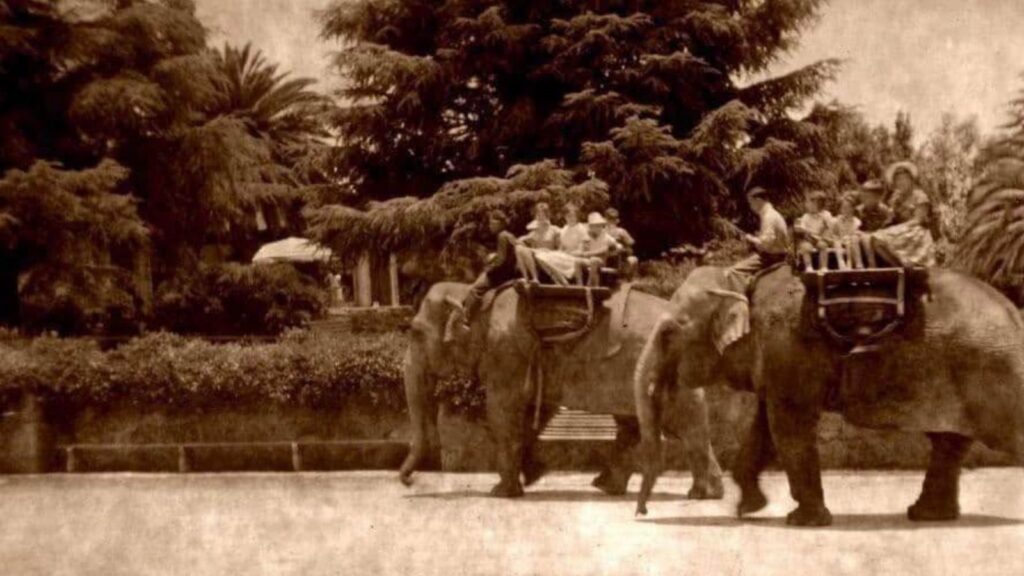
During WWI, its facilities were greatly improved, with the construction of specialised enclosures for elephants and rhinos. Visitors were allowed to ride these animals and camels at the time.
Additional land was incorporated into the zoo throughout the 20th century, with it being one of the few areas in Johannesburg not subject to racial segregation under apartheid.
This was because of the conditions imposed during the original donation to the city.
The 1960s brought major changes to animal care and exhibit design. Traditional iron-barred cages and concrete enclosures were gradually replaced with more spacious and naturalistic habitats.
Following South Africa’s political transition, the zoo faced reduced government funding and increasingly operated on a self-sustaining basis.
In 2000, it was corporatised as the Johannesburg Zoo Company, a Section 21 non-profit organisation, with the Johannesburg City Council remaining its principal shareholder.
By 2007, the zoo was expected to generate most of its own operating income.
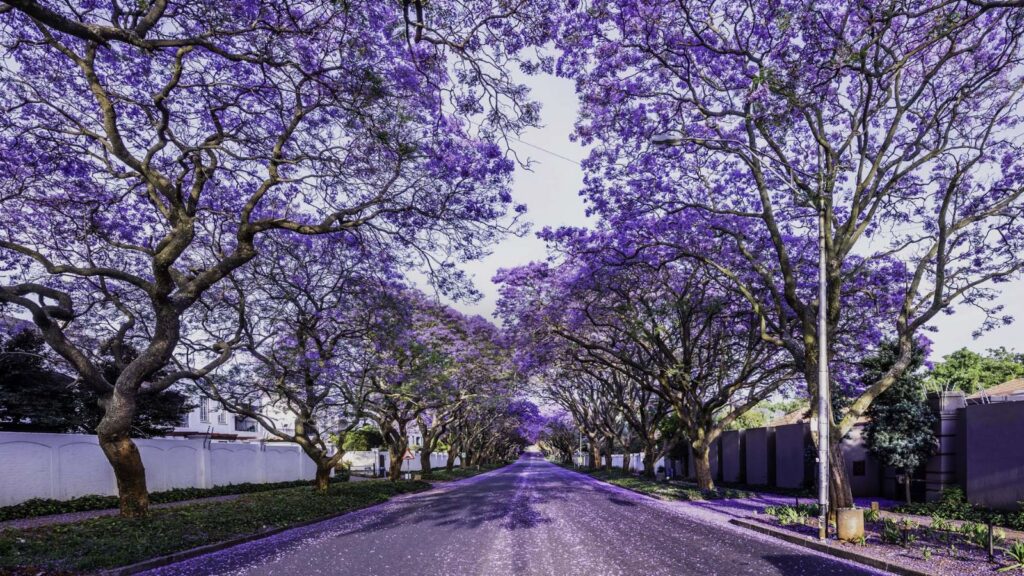
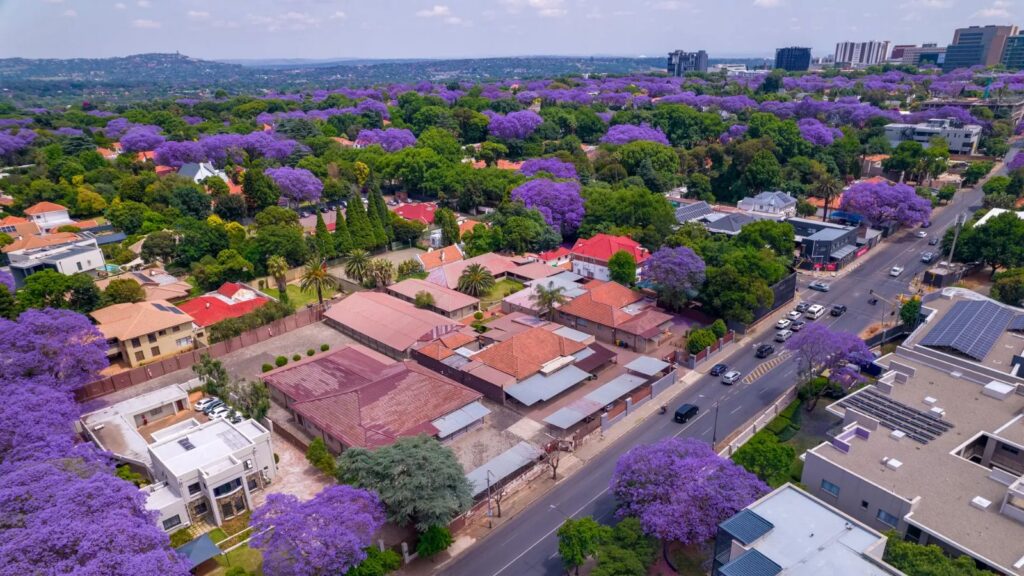
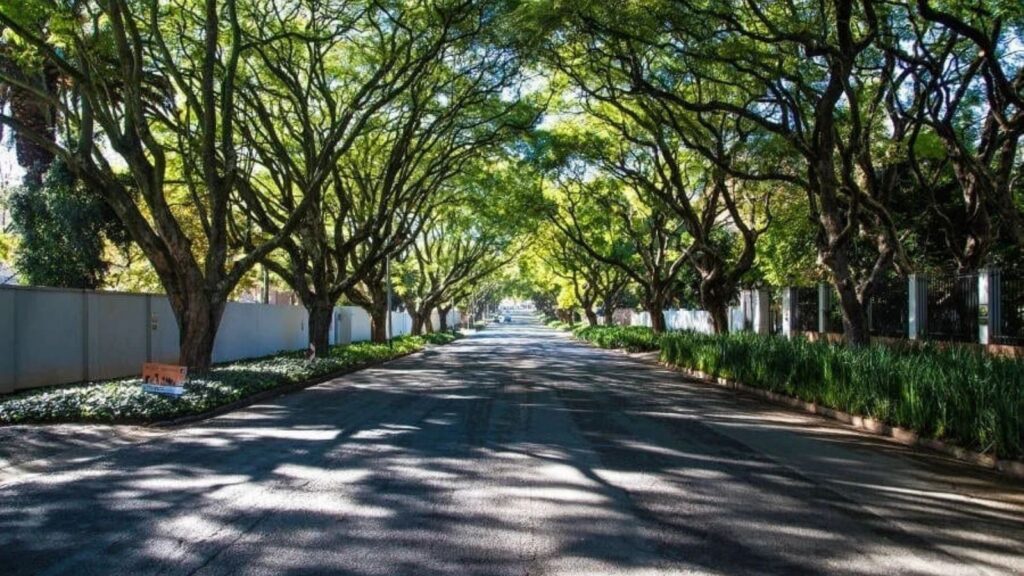
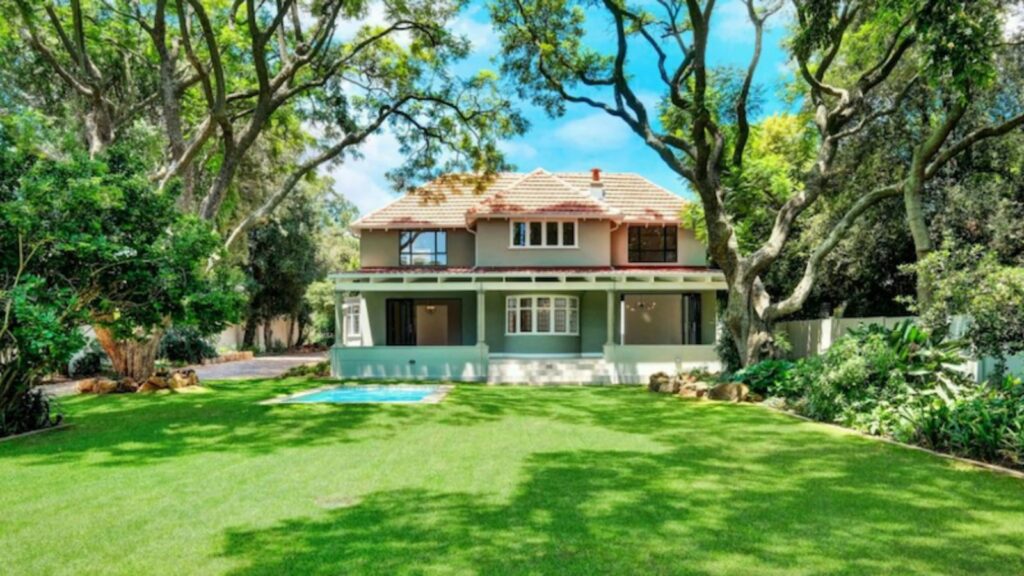
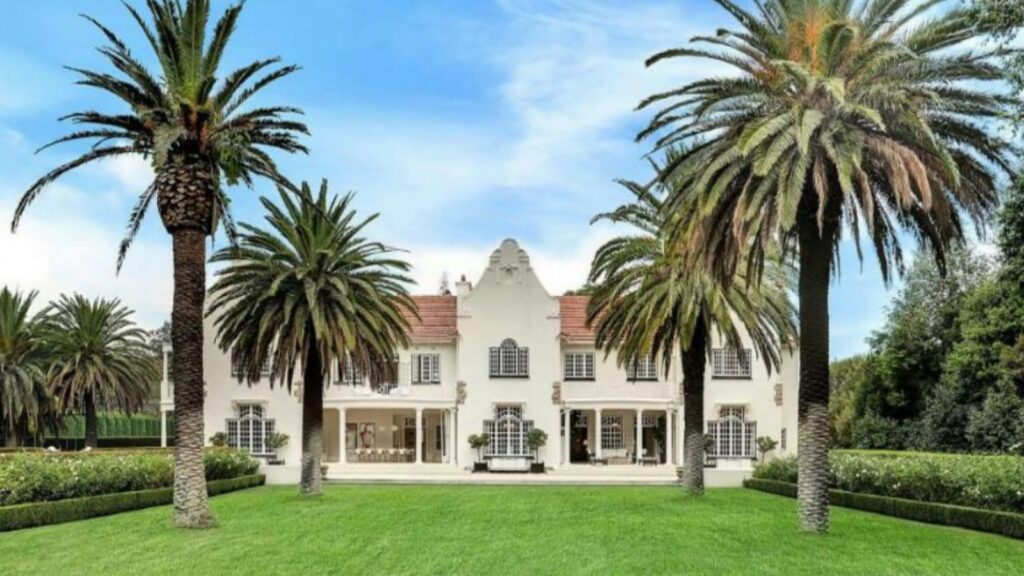
Sachsenwald, meanwhile, had undergone an English transition and was called Saxonwold. Today, it is one of the richest suburbs in the city and the country.
Still home to stately English-style houses with large gardens, the suburb was famously the location the Gupta family chose to live in when in South Africa.
The Gupta compound now stands empty opposite the National Museum of Military History, up the road from Zoo Lake and the Johannesburg Zoo.
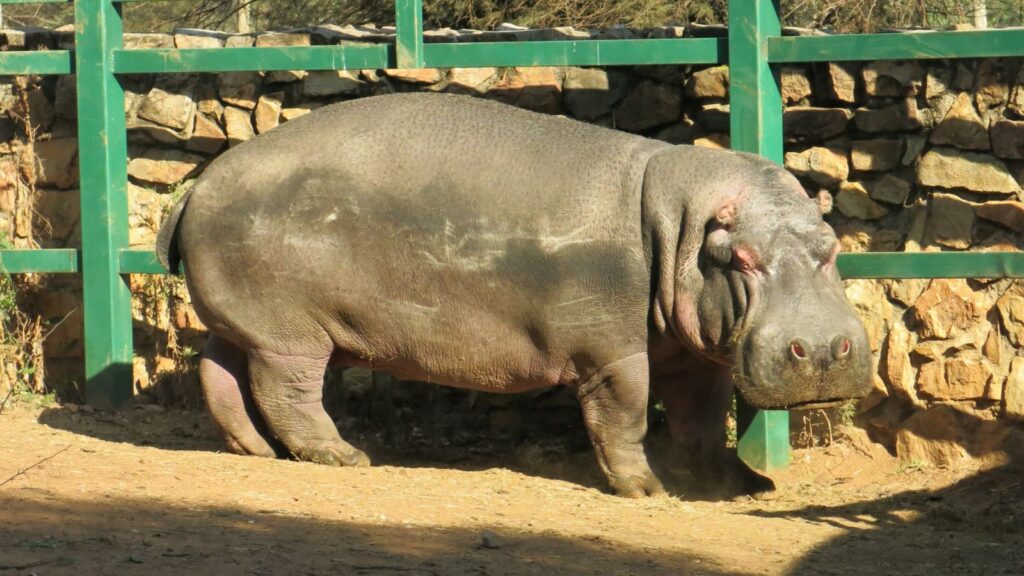
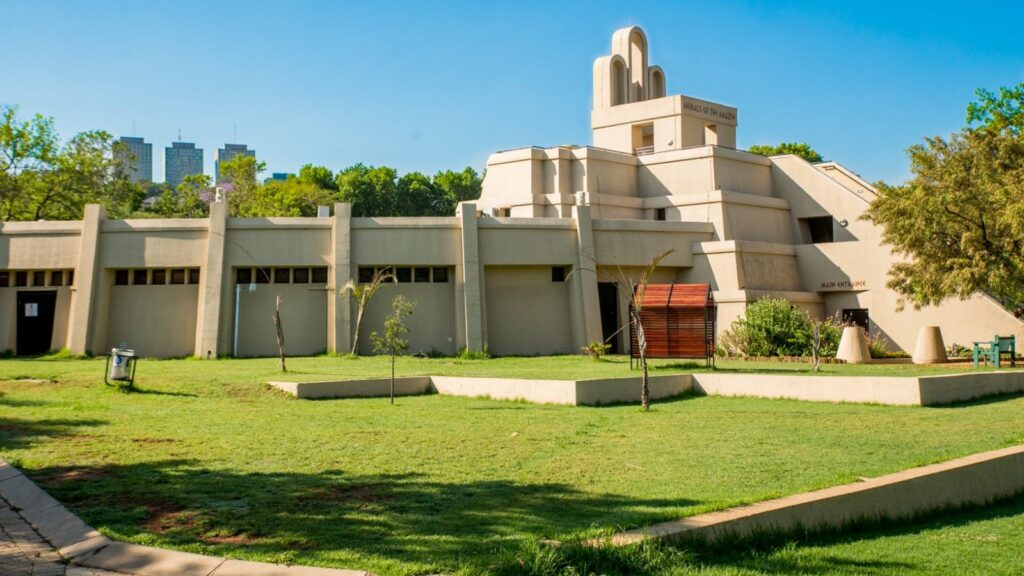
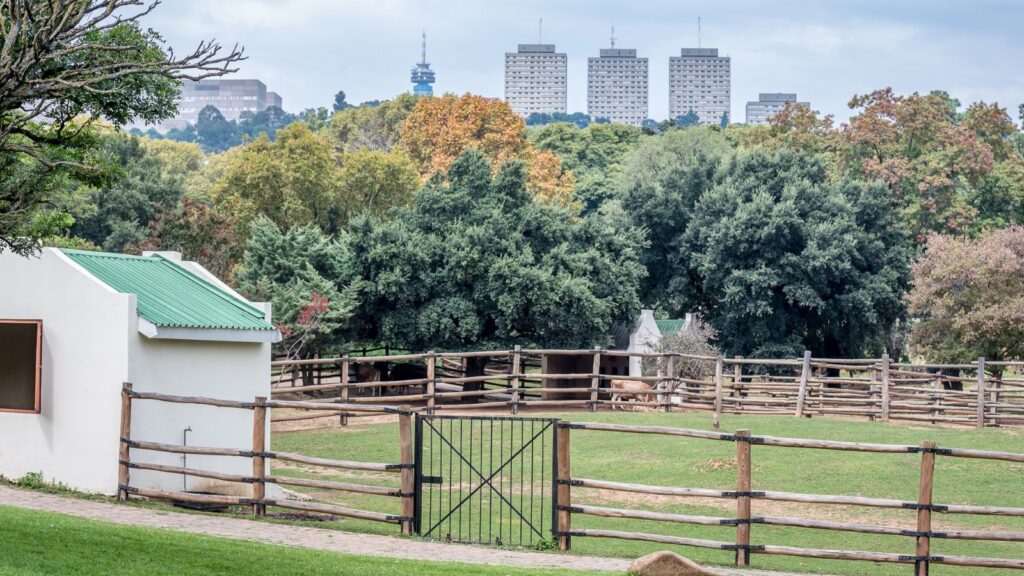
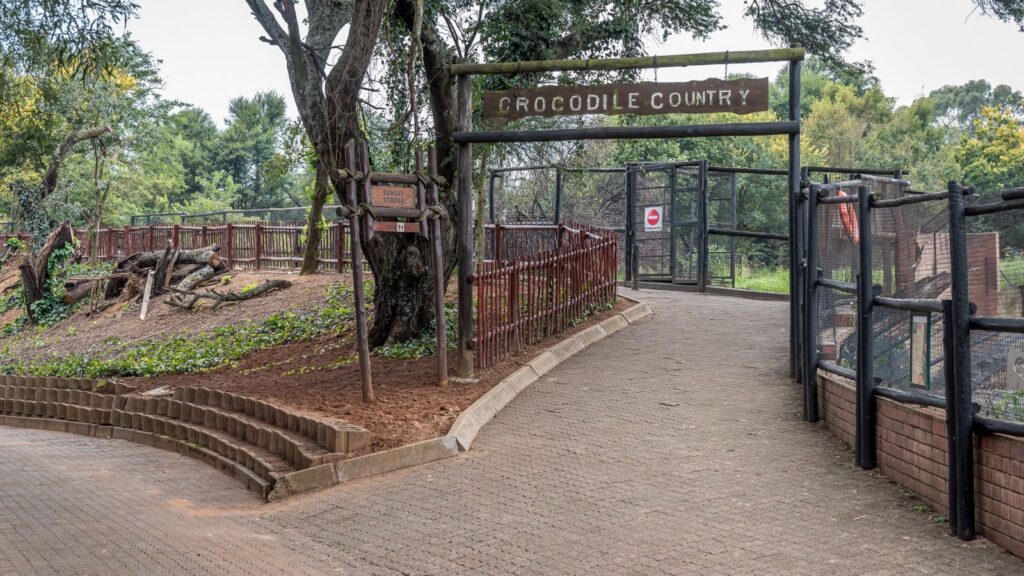
Images of Johannesburg Zoo
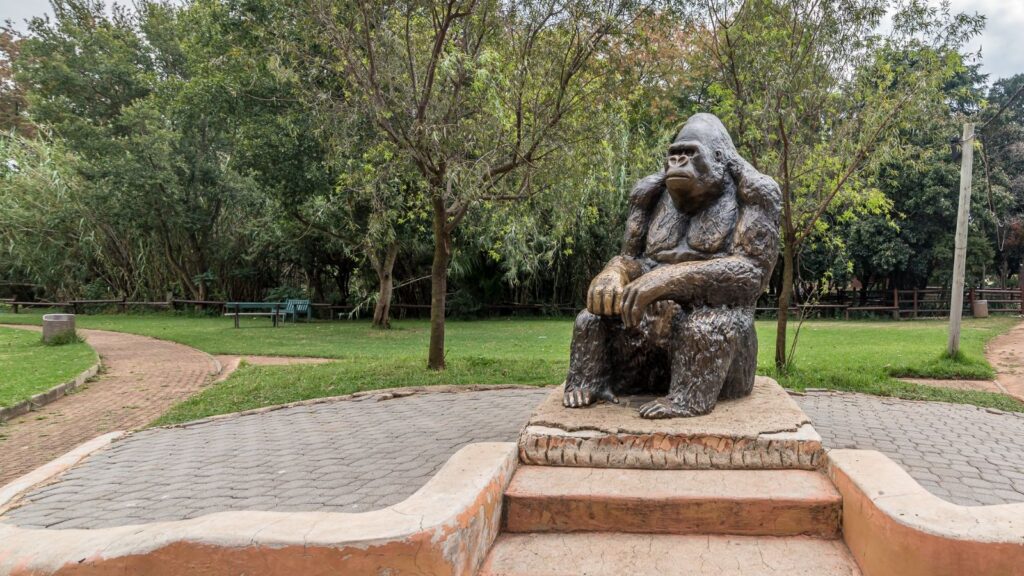
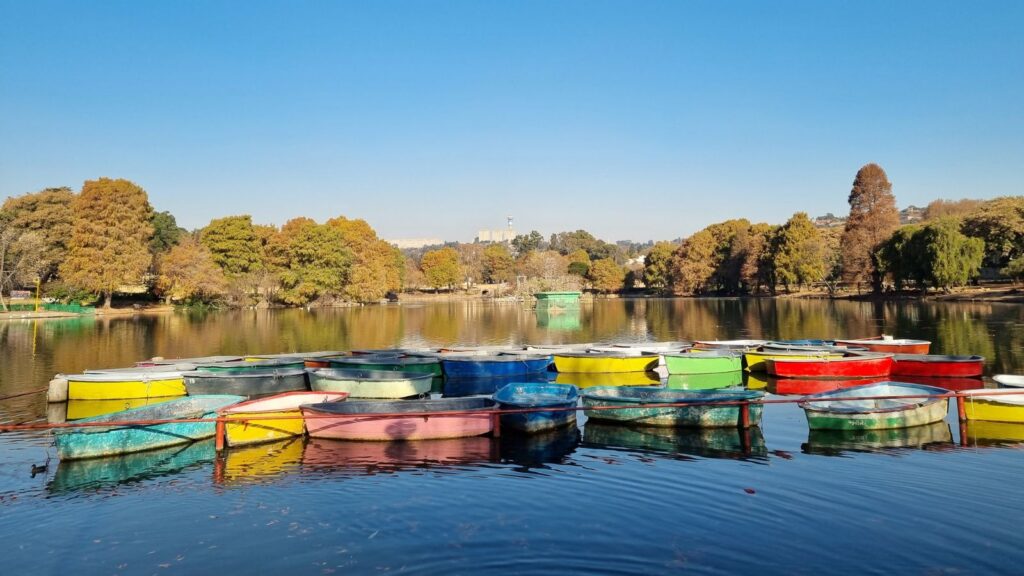
Museum of Military History and Zoo Lake

Images of Saxonwold
 Loading ...


Comments