113-year-old laundromat in the middle of South Africa’s richest city turned into an outdoor market and urban farm


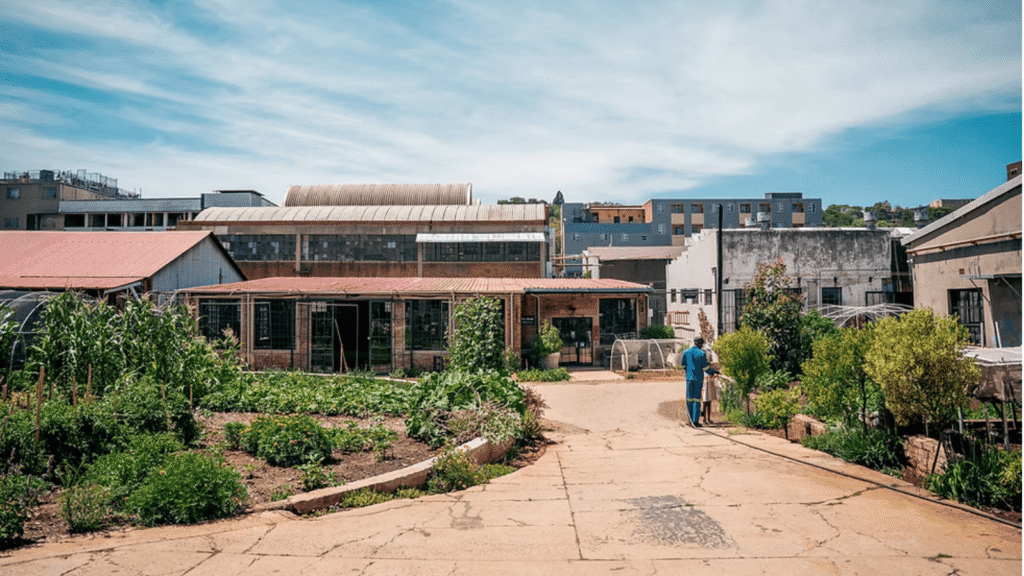
Originally established as an industrial laundry in 1913, Johannesburg’s Victoria Yards has been transformed into a thriving precinct that combines artisan studios, urban farming, and a popular outdoor market.
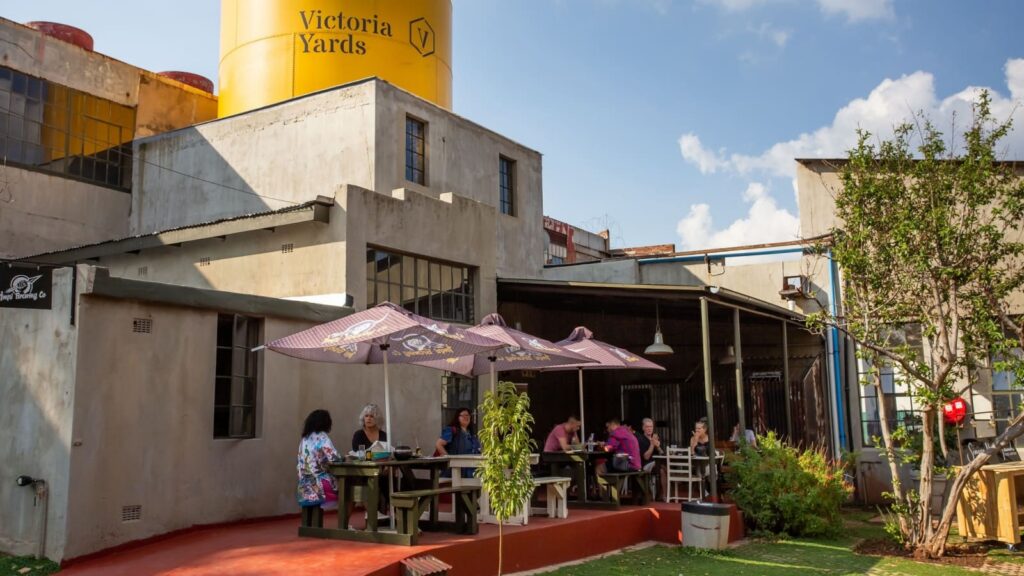
Hidden behind the busy streets of Lorentzville in Johannesburg, Victoria Yards is known as a thriving community of artists, designers, urban farmers and entrepreneurs.
However, for most of the past century, the site served a very different purpose. The space was originally established in 1913 as New York Laundry and later known as Advanced Laundries.
The 20,000-square-metre property spent decades washing linen for hospitals, prisons and households across Johannesburg.
At its peak, the industrial laundry was powered by two steam boilers and even supplied electricity to parts of the surrounding neighbourhood.
In addition to providing commercial washing and dry-cleaning services, the business manufactured towel nappies.
As customer demand continued to evolve, it expanded into household linen products, such as quilts and mattresses.
As institutions modernised and the commercial laundry industry changed, the site’s original purpose gradually faded. By the 1990s, the once-bustling industrial complex had taken on an entirely different identity.
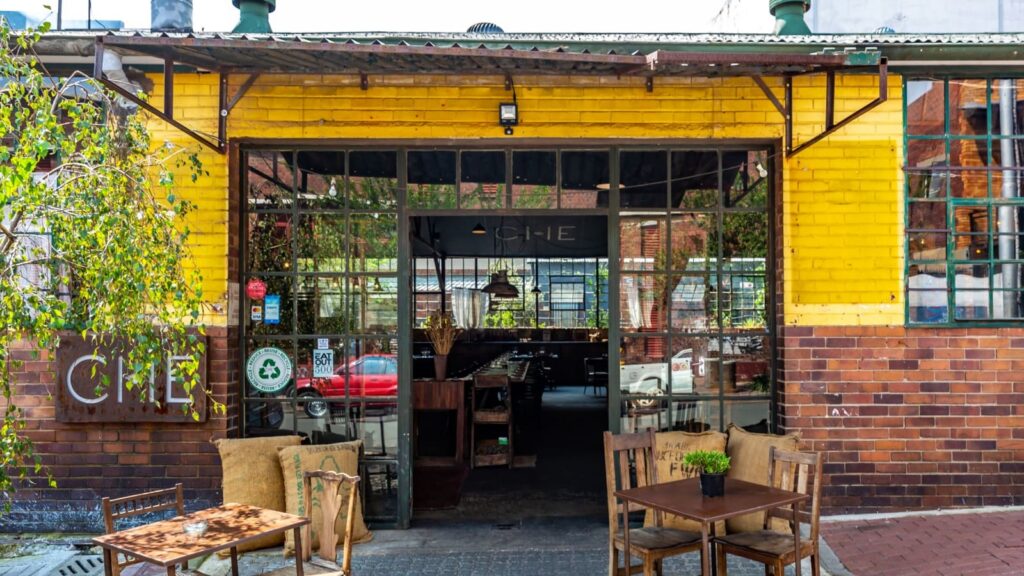
Instead of laundry facilities, its ageing buildings became home to a collection of small businesses, particularly panel beaters and mechanics.
While the property remained occupied, much of its former character disappeared behind workshops and industrial activity.
According to a 2024 feature by National Geographic Traveller (UK), parts of the complex had deteriorated into an area characterised by dumped paint, chained dogs and vehicle repair businesses.
That changed in 2015, when the property was purchased by its current owners with a vision to transform it into a creative precinct.
The redevelopment centred on artisans, skills development, and community upliftment, and officially became known as Victoria Yards.
The redevelopment
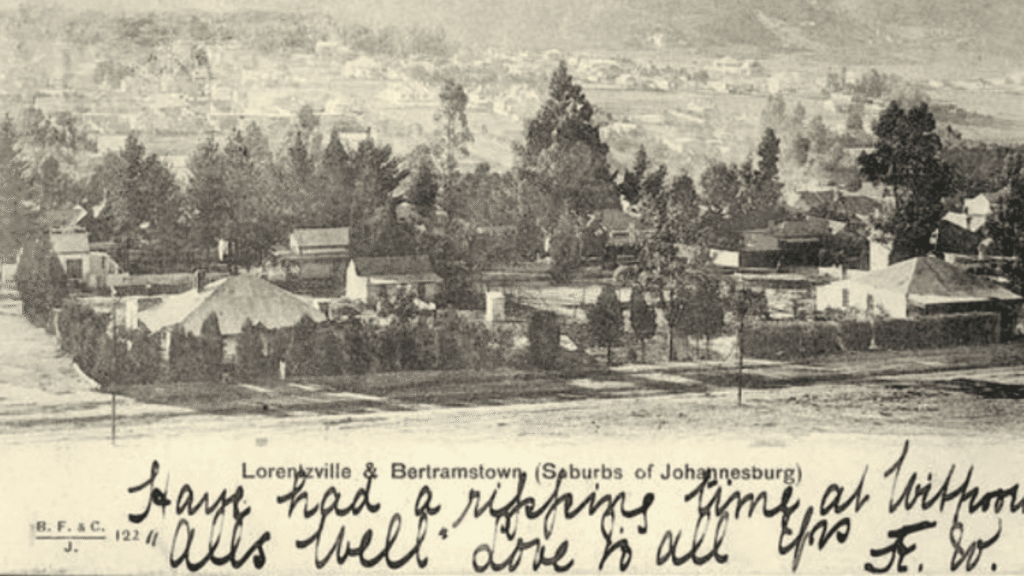
One of the key figures behind the transformation was Brian Green, the developer behind Johannesburg’s well-known 44 Stanley Avenue precinct.
Green helped shape Victoria Yards into a space that prioritised gardens, public areas and a carefully selected mix of tenants rather than conventional commercial development. The goal was not simply to renovate old buildings.
Rather, they wanted to create a community where artists, craftspeople and small businesses could work alongside organisations focused on education, food security and social development.
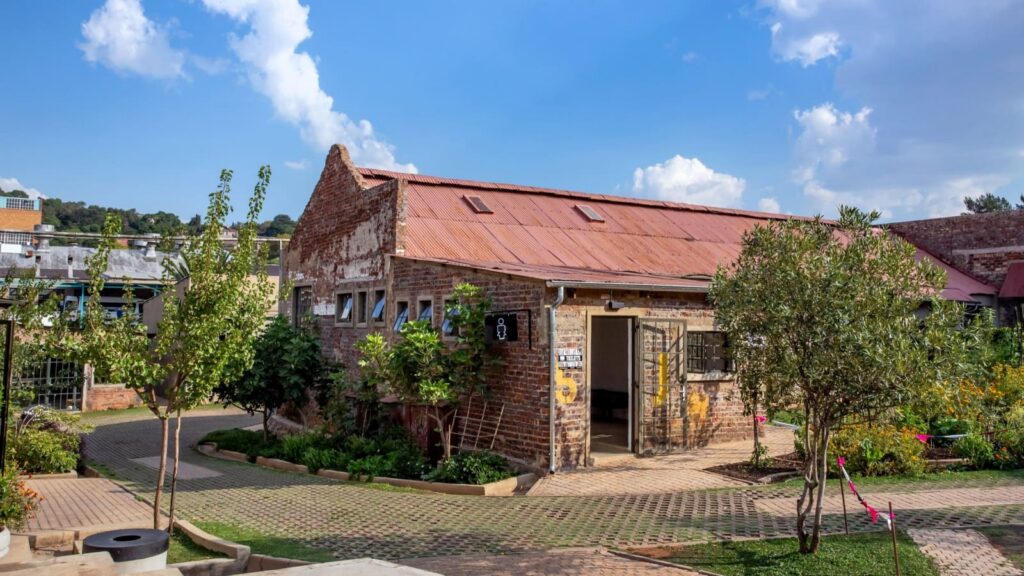
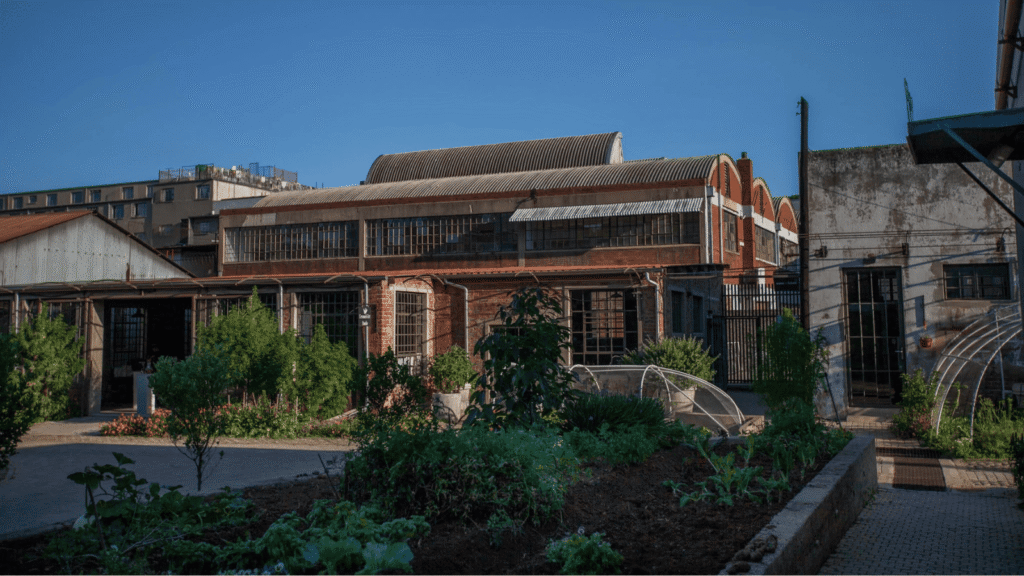
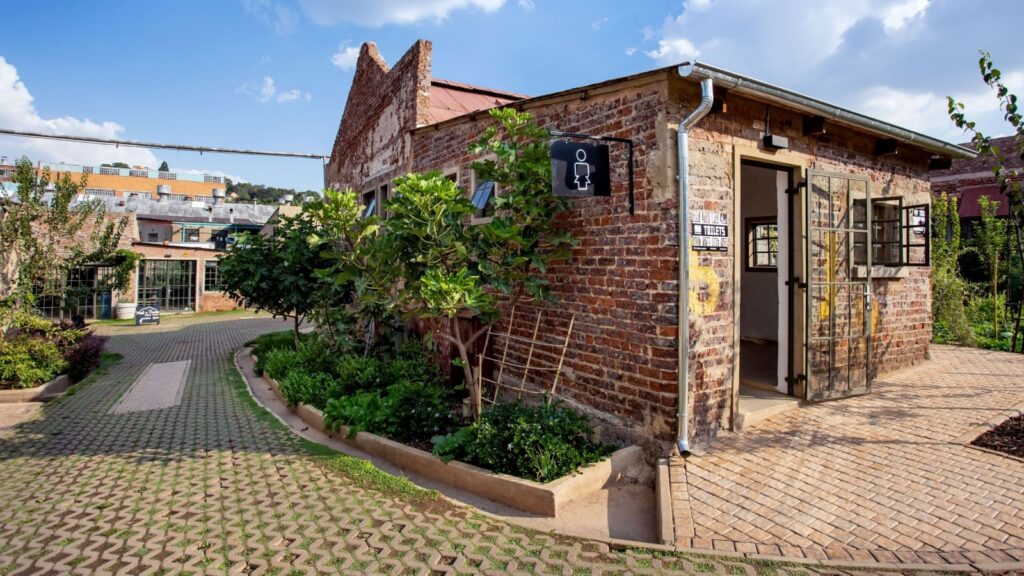
The developers also prioritised the area’s original character. Several of the buildings that make up Victoria Yards today are nearly a century old.
Today, the precinct revolves around three main pillars – food security, skills transfer and meaningful community engagement.
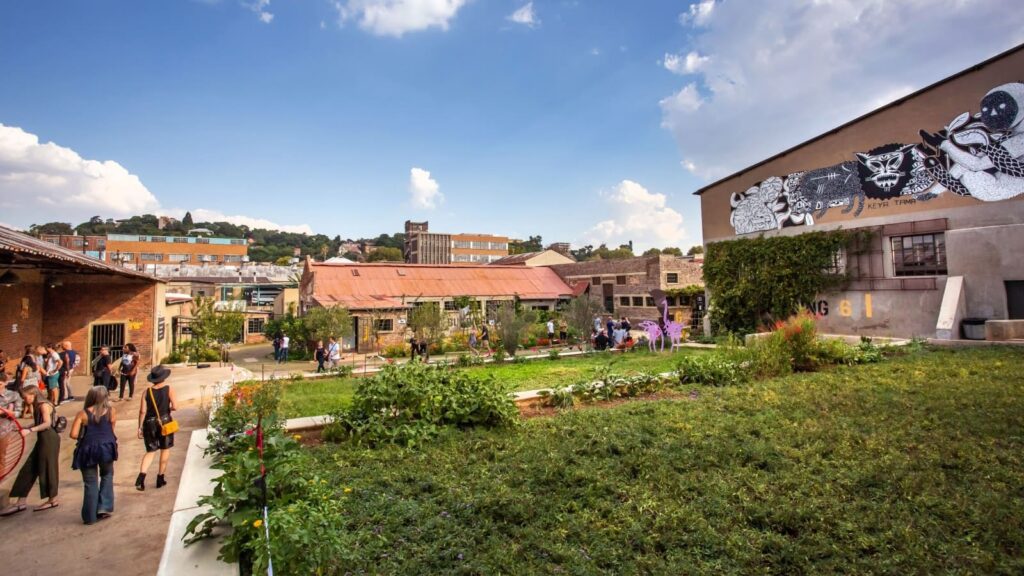
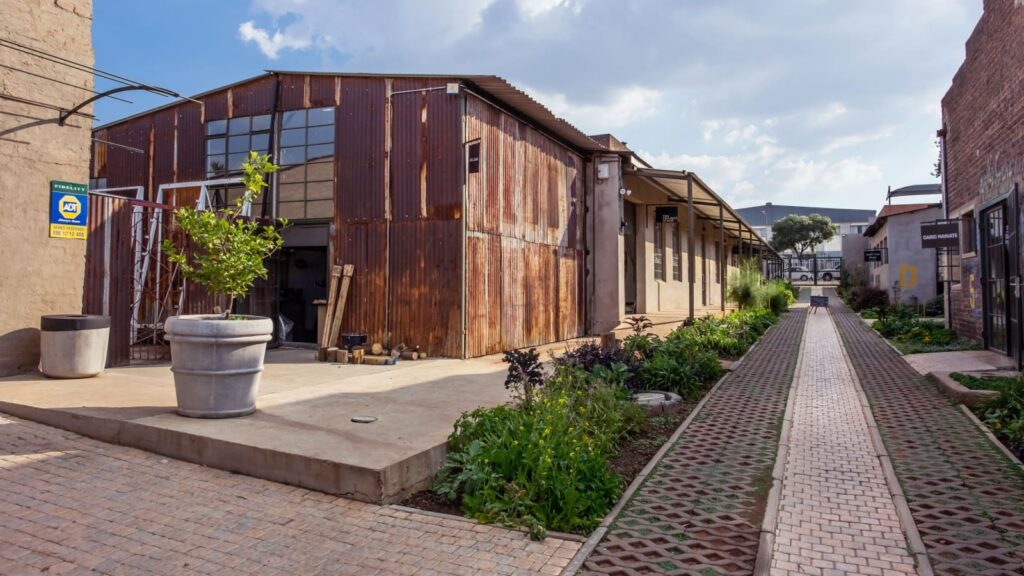
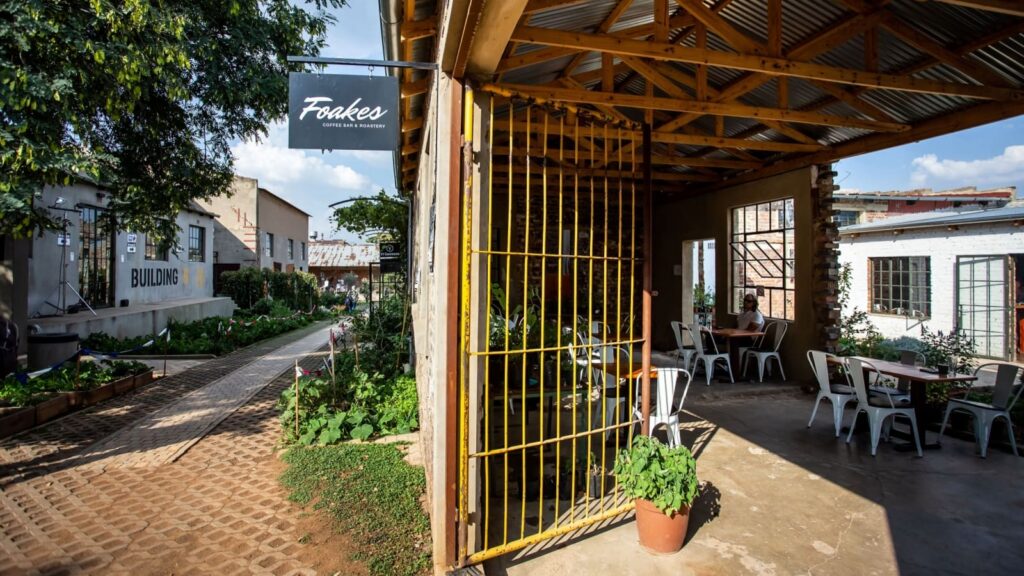
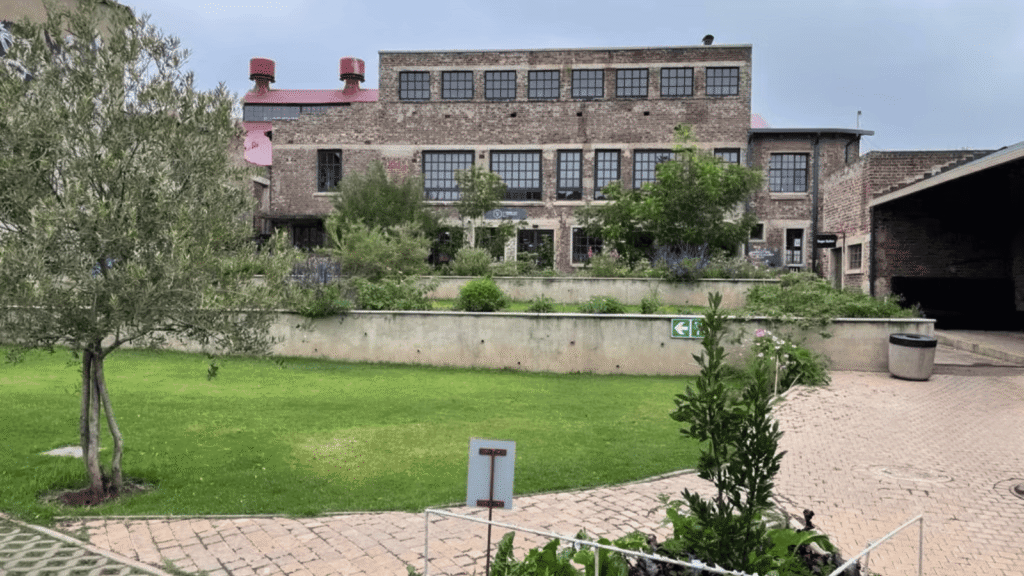
The gardens that now occupy large sections of the site are one of its most visible changes. What were once industrial yards have been converted into terraced vegetable gardens, orchards and public green spaces.
They supply fresh seasonal produce while creating employment opportunities through urban agriculture. Visitors can purchase fruit and vegetables directly from the gardens during the week.
The transformation is particularly striking when comparing photographs from 2015 with the site today.
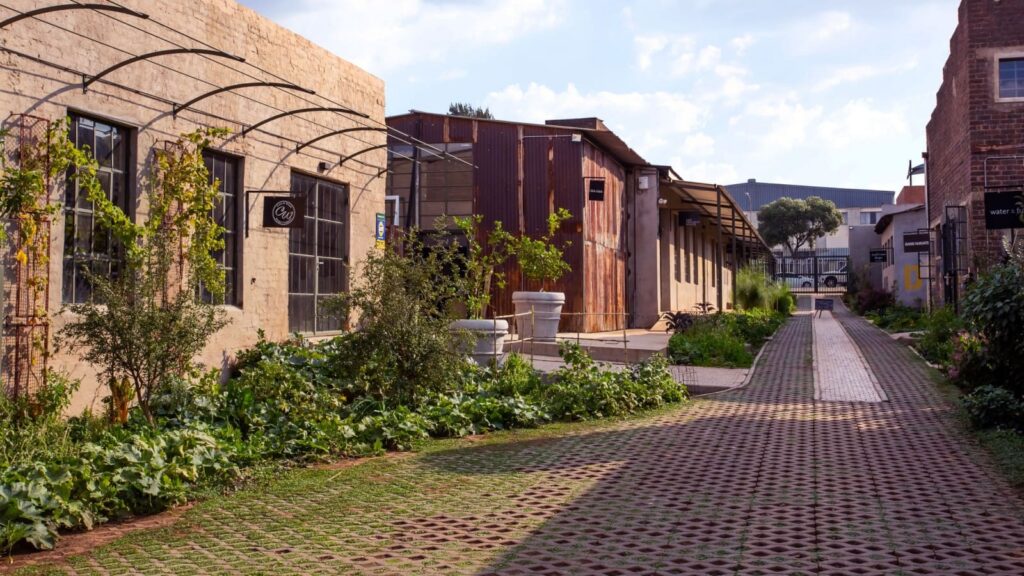
Areas that were once concrete yards surrounded by neglected industrial buildings are now filled with trees, landscaped walkways, water features and communal gathering spaces.
A hub for artists
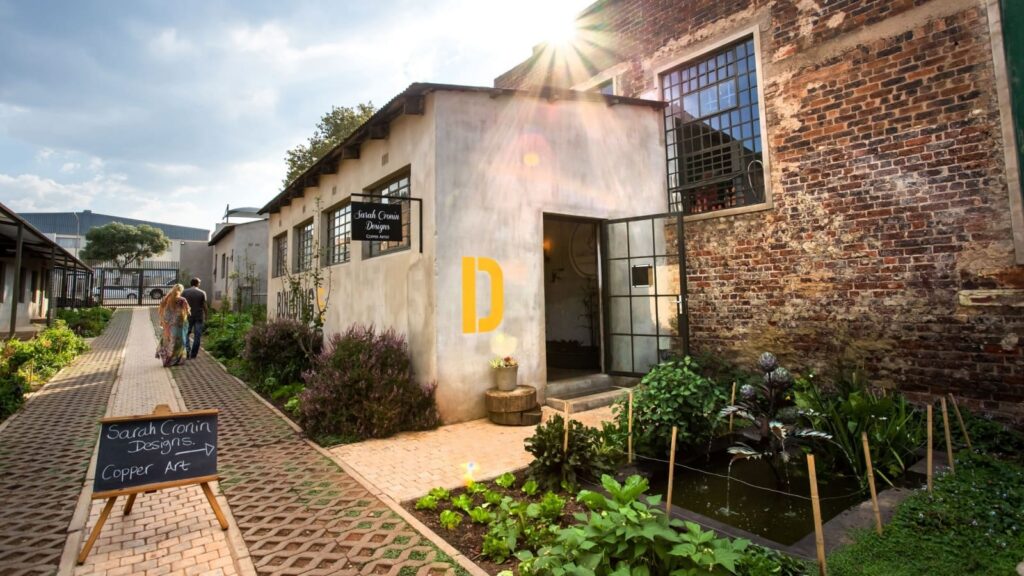
Victoria Yards has also established itself as one of Johannesburg’s leading creative hubs, with more than 40 artisan studios now operating from the precinct.
Here, they provide affordable workspace for designers, ceramicists, glassblowers, printmakers, furniture makers, fashion designers, coffee roasters and other craftspeople.
National Geographic described the precinct as a sanctuary within Johannesburg, noting that artisans have transformed the former industrial buildings into productive workshops where traditional craftsmanship continues to thrive.
Among those featured was South African denim designer Tshepo Mohlala, whose workshop produces premium jeans inspired by the women who raised him.
Environmental artist Io Makandal has also contributed public artworks to the precinct, including a living moss installation overlooking the nearby Jukskei River.
Rather than functioning solely as rental studio space, Victoria Yards encourages collaboration between tenants and visitors through regular exhibitions, open studios and workshops.
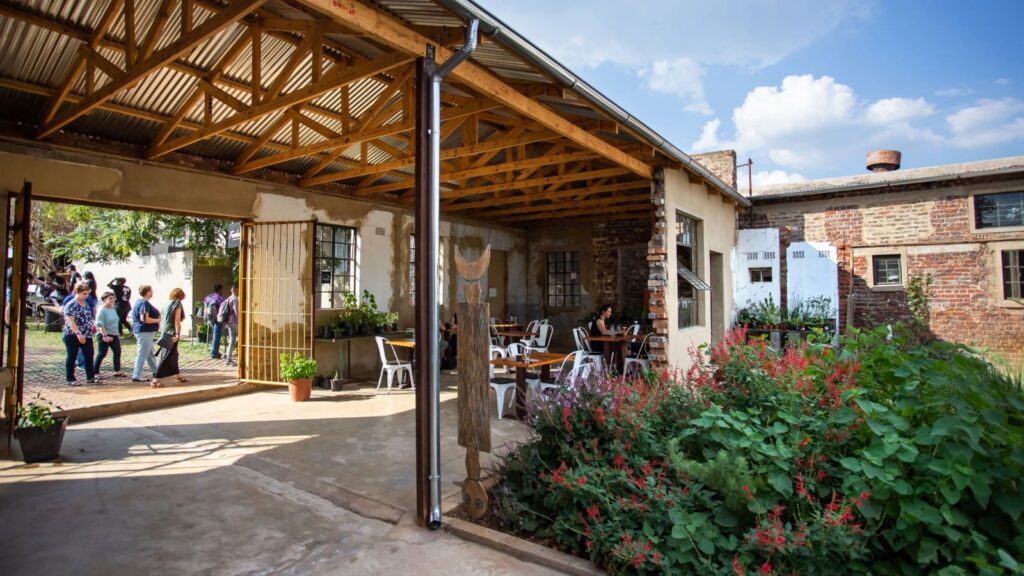
The precinct also hosts its popular First Sunday Market each month, giving local artisans an opportunity to sell handmade products directly to the public.
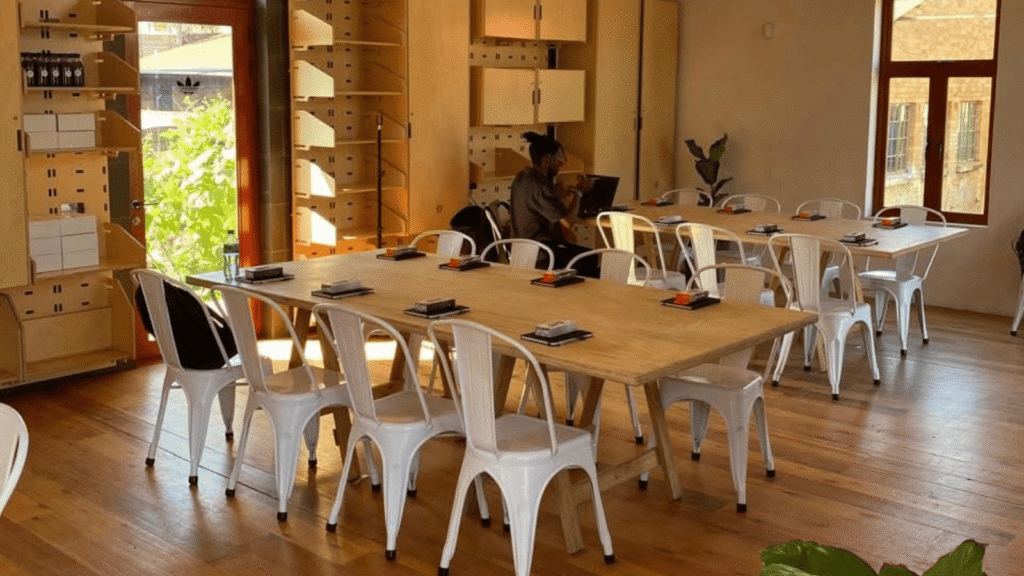
The historic buildings have also become a sought-after venue for weddings, festivals, exhibitions and corporate events.
Community development remains central to Victoria Yards’ identity, with several non-profit organisations operating from the site.
This includes Timbuktu in the Valley, the People’s Pantry food programme and Makers Valley, which mentors young people through education and skills development initiatives.
The University of Johannesburg, which is less than 3 kilometres away, also operates a free community clinic from the precinct.
Despite ongoing economic and social challenges affecting surrounding neighbourhoods, Victoria Yards continues to work with both government and private organisations to maintain a safe and accessible environment.
Victoria Yards






Comments