Backlash against new 20% national tax in South Africa



Concerns have been raised that South Africa’s proposed 20% tax on online gambling could accelerate the already large illegal betting market, which currently makes up over 60% of the industry.
South Africa is weighing a 20% tax on online gambling in a bid to curb the rapid expansion of the sector and address rising social harms linked to betting behaviour.
The National Treasury, in a discussion paper released in November 2025, said the proposed levy would apply to gross gambling revenue from online betting and interactive gambling.
While the measure is expected to generate about R10 billion in additional revenue, officials stressed that the primary aim is behavioural rather than fiscal.
“Due to the surge in online gambling and its impact on society, it is proposed that a 20% tax is applied on gross gambling revenue from online betting, including interactive gambling,” Treasury said.
It added that the policy objective is to “discourage problem and pathological gambling and their ill effects”.
This comes as online betting continues to grow rapidly in a country marked by high unemployment and increasing digital access to gambling platforms.
Data from the National Gambling Board shows that about R1.5 trillion was wagered in South Africa’s gambling industry in 2024/25.
By the end of 2023, participation had increased to 65.7%, up from 30.6% in 2017. Young adults aged 25 to 34 make up the largest share of gamblers.
The proposed tax also reflects international trends, with countries such as the UK and New Zealand already implementing similar remote gambling levies.
However, the plan has triggered concern within the regulated betting industry, which warned that South Africa’s already dominant illegal market could expand further if the tax is implemented.
According to the South African Bookmakers Association (SABA), illegal betting now accounts for more than 62% of all gambling activity in the country.
This has caused serious concerns about lost tax revenue and weak enforcement. SABA chief executive Sean Coleman said the scale of the unregulated market represents a structural threat to the legal industry.
“The illegal market is greater than the legal market in South Africa. So, it’s an existential threat,” he told SportsBoom.
“There’s no revenue coming back into the country from it. There are no taxes that are being generated with a provincial gambling tax in the form of the GGR tax they pay to the gambling boards.”
The illegal betting market skirts the rules
Coleman explained that legal operators are required to comply with a range of obligations that illegal operators avoid entirely. These companies pay no company tax and put no money back into the economy.
Meanwhile, in the regulated market, he said licensees of gambling boards are required to have BEE components, CSR spend, responsible gambling spend, and NED spend, to name a few.
Industry data cited by SABA and Yield Sec suggests there are more than 2,000 illegal gambling sites targeting South Africans.
Around 16 million people have interacted with these illegal gambling platforms. The illegal market generated an estimated R72 billion in gross gaming revenue in 2023/24.
Coleman said the government’s proposed tax risks worsening the imbalance between regulated and unregulated operators.
While the government aims to tighten control of online betting, industry players argue the proposed 20% tax could unintentionally strengthen illegal operators by making legal betting less competitive.
Coleman explained that the legal industry has engaged with the government but remained in the dark about the process.
“We made submissions to the national, and we haven’t heard anything back. As far as I know and understand, there hasn’t been any subsequent process that’s engaged or involved stakeholders.”
“So, we’re in the dark as to where governments are with the process. There’s been no further communication on that, disappointingly so.”
He added that the lack of clarity has stalled planning within the sector, as they are still waiting to see what happens with the regulation.
“We’re not doing anything as things currently stand because we’re waiting to see what the next step is in the process.”
The betting market holds its breath
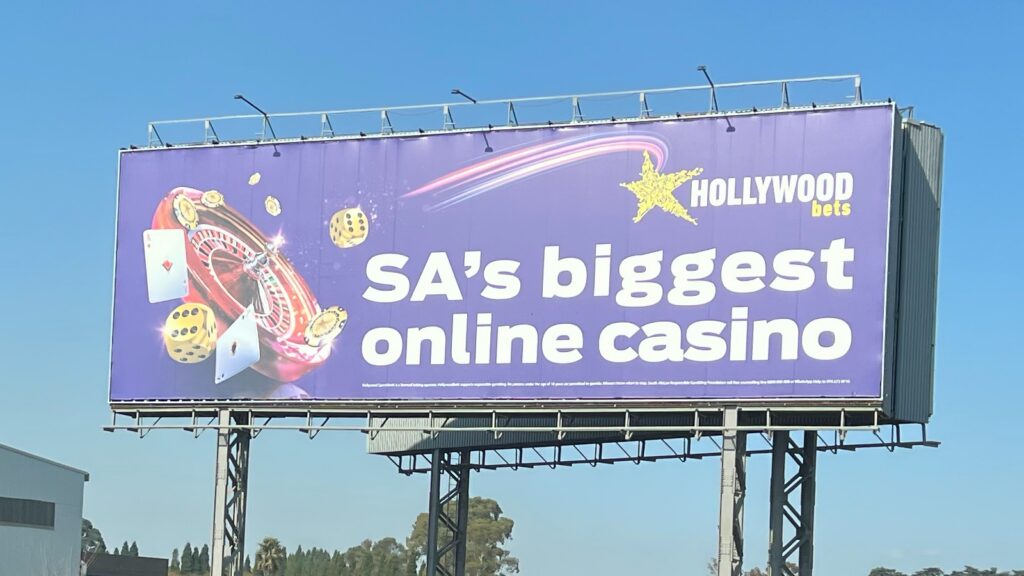
The legal industry fears that higher taxes on regulated operators could push price-sensitive customers toward offshore platforms, where no tax or compliance obligations apply.
As such, SABA argued that the government should prioritise enforcement measures rather than higher taxes.
Coleman said the association is actively working to combat illegal betting through education campaigns, payment restrictions and regulatory engagement.
“Education and awareness are the first pillar,” he said. “That’s to draw attention to the illegal market, what constitutes the illegal market and the threat of the illegal market.”
He added that efforts are also focused on disrupting payment flows to illegal operators, since access to payment systems is critical for their operation.
“Without a payment, you can’t have a bet. And if we can really shut down the payment gateways and limit them, then it reduces access to the illegal market.”
SABA is also engaging with regulators to block illegal sites and confiscate winnings, measures it believes could help reduce offshore activity.
As the Treasury weighs its proposal, both government and industry face mounting pressure to address the rapid expansion of online gambling while balancing revenue generation and consumer protection.
The proposed 20% tax, alongside stricter regulatory enforcement, signals a more interventionist approach to the sector.
However, with illegal gambling already dominating the market, industry stakeholders warned that policy missteps could accelerate capital flight to unregulated platforms.
For now, the sector remains in a holding pattern, awaiting clarity on whether the tax will proceed and how it will be implemented in an increasingly complex gambling landscape.




Comments