Amazon buying nearly 100 million trees’ worth of carbon credits in South Africa


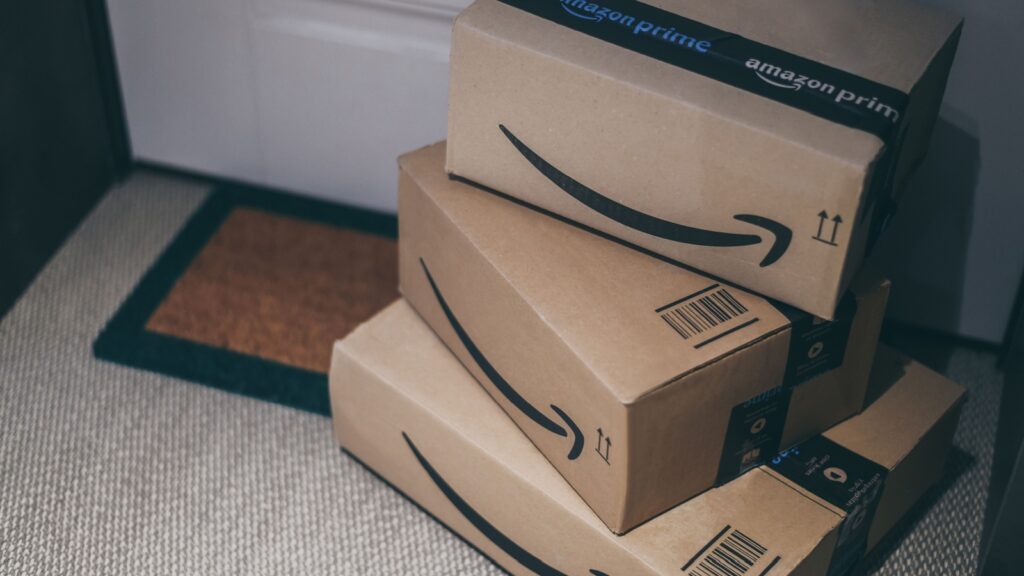
Amazon said it will buy just less than half of the carbon credits to be generated by a project to restore degraded land in South Africa by planting thickets of Spekboom, a plant that sequesters carbon dioxide and helps soil retain water.
The company has committed to purchase 1.95 million carbon credits at a fixed price over more than a decade and will then resell them to its own business units, suppliers and other parties to help them offset their emissions.
Amazon will sell the credits through its Sustainability Exchange to companies that are acting to cut their own emissions and have set so-called net-zero targets for 2050 or before.
The company didn’t disclose what it would pay for the credits.
“The idea is to simplify carbon credit procurement for our businesses and our value chain,” James Mulligan, head of carbon neutralisation at Amazon, said in a response to queries.
In addition to sourcing the credits, Amazon will provide support, including tracking the retirement of the units once they’ve been used by buyers, he said.
Amazon’s commitment to buy the credits helped the World Bank get support from investors to sell a $120 million bond, the returns of which are based on the project’s generation of the offsets.
Part of the bond’s proceeds will go to Imperative, the company running the initiative to restore land in the Eastern Cape province that’s been degraded by centuries of goat overgrazing.
A carbon credit represents a ton of planet-warming gas or its equivalent removed from the atmosphere or prevented from entering it in the first place. Buyers are typically companies that want to use the credits to offset their own emissions.
Amazon started its Sustainability Exchange in March last year in the US and expanded it to the UK this month. It has also bought credits from reforestation projects in Ghana and the Ivory Coast, as well as from others that aim to reduce emissions from refrigerant gases and methane from rice paddies.
In addition to reducing emissions, Amazon said the project, which will stretch over 50,000 hectares of land, is expected to create 11,000 jobs as 180 million shrubs are planted by the end of 2028.
Spekboom means “bacon tree” in Afrikaans, a reference to its plump, succulent leaves. It’s often the dominant plant in a biome found in the Eastern Cape known as the Albany Thicket.
About 80% of the 1.7-million-hectare Albany Thicket has been degraded.



Comments