South Africa’s real unemployment rate is 15%


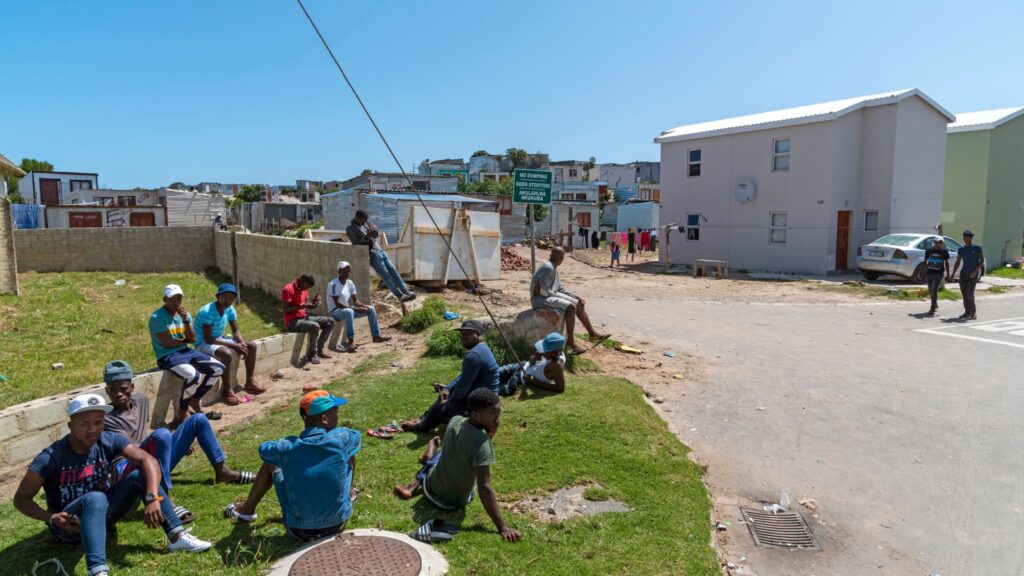
South Africa’s real unemployment rate is 15%, as many of the individuals who are formally unemployed earn income in the informal sector.
This means that they do not feature in formal statistics produced by bodies such as Stats SA, leaving South Africa with an inflated unemployment rate of 32.7%.
Informal economy expert GG Alcock explained this phenomenon on a recent Common Sense podcast, where he discussed the township economy.
Alcock explained that it has been a slow process, but now many of South Africa’s biggest businesses understand the informal sector and the opportunities in it.
“There is a realisation within the business community that there is a massive informal economy and it creates large amounts of wealth and income,” Alcock said.
“At the same time, I think the government kind of doesn’t get it, and they should be investing in the infrastructure and the policies that enable this growth.”
Alcock said that many businesses in the informal sector do not have access to infrastructure and service delivery that could turbocharge their growth.
With the right policies, he said that the sector could solve the housing crisis through microrentals and provide much-needed jobs and income.
The informal sector already supplements formal incomes to a significant degree and absorbs millions of South Africans who cannot find jobs.
Standard Bank estimates the sector to be worth around R900 billion, which is equivalent to around 15% of GDP.
The lack of infrastructure and legislation prevents businesses in the informal economy from gaining access to credit and other resources to grow.
“They want to grow, and you don’t really need to invest in them. It is not all about financing. It is also about basic infrastructure such as water, electricity, and housing,” Alcock said.
Alcock explained that the government, particularly its economic cluster, has done little to penetrate the informal economy and assist it.
He pointed to the example of SARS, which has close to no service centres in townships. This makes it difficult for individuals and business owners in these areas to register to pay tax and become part of the formal economy.
More importantly, it creates a blind spot for the state, where it cannot see what is going on in the informal economy, raise revenue from it, and understand it.
Unemployment rate is 15%
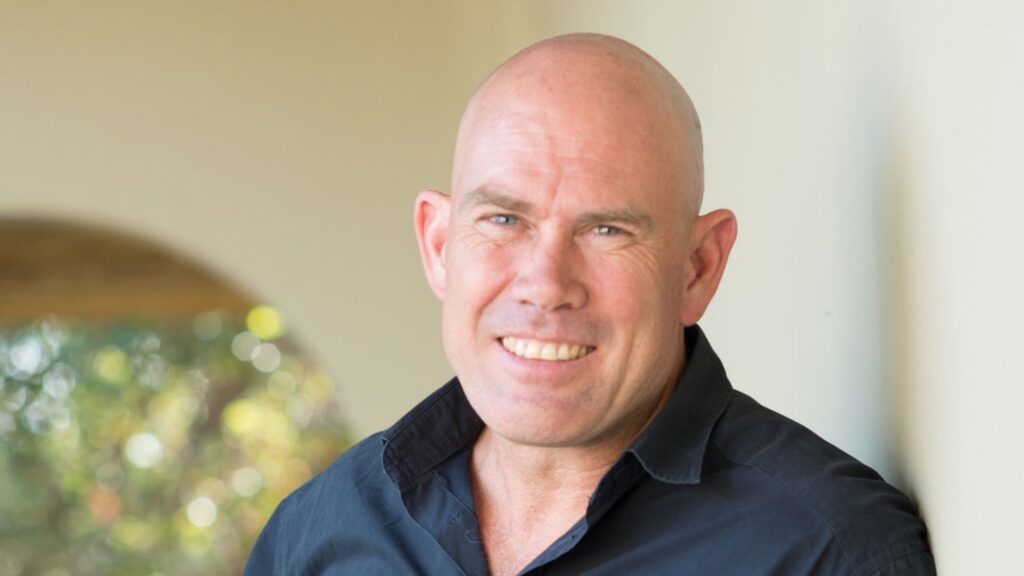
This misunderstanding is clearest when it comes to South Africa’s unemployment rate, with it being an outlier in comparison to other countries.
South Africa’s unemployment rate is nearly double that of the next two countries, Somalia and Yemen, which are active warzones.
Alcock explained that this is because millions of people generate an income in the informal economy, which is not tracked well by the South African state.
For an example of this, Alcock pointed to the microrental economy, which generates around R30 billion a year.
“Let’s say you rent out rooms for R1,500 to R2,500 a month. You can generate R7,000 in rental income sitting at home unemployed by renting out three backrooms,” Alcock said.
“If someone asked you if you had a job, you would say, ‘No. I am unemployed.’ By definition, you are formally unemployed, but you are earning an income.”
Alcock said data indicate that far more people are employed in South Africa than the formal statistics capture.
Stats SA’s General Household Income Survey shows that 77% of social grant recipients report having another source of income. Most report multiple income streams.
“This tells you that there are millions of entrepreneurs out there. But, if they tell you that they are employed, they will lose their social grant,” Alcock said.
“My argument is that real unemployment or lack of income is closer to 12% or 15% based on that data and that from major banks.”
Alcock said that the country’s biggest banks have trillions of data points from their customers that show many more South Africans are employed and generating an income than the official statistics show.
More importantly, the informal economy is creating jobs at a faster rate than the formal sector, making it a potential solution to the broader unemployment problem.
“Stats SA says that of the 25 million-person workforce, around 8 million are unemployed. My argument is that the figure is closer to 2.5 million to 3 million unemployed,” Alcock said.
“It is still a huge number. But, if we had eight million unemployed, how come township shopping centres are doing three times the trading density of their urban peers?”




Comments