South Africans will soon be flocking to these suburbs


Rising fuel prices are expected to drive South Africans towards affordable, decentralised suburbs that offer space for remote work and reduced commuting, as households adjust to higher costs and shifting work patterns.
As South Africans are hit with a sharp fuel price increase on the back of the conflict around the Strait of Hormuz, the longer-term consequences are likely to affect the property market.
Just Property CEO Paul Stevens said that while the immediate impact will be felt at the pumps, rising fuel prices will influence household budgets, and ultimately, where and how buyers choose to live.
“Fuel isn’t just a budget item, it shapes behaviour,” he said. “When the cost of getting from A to B jumps overnight, people rethink their routines, their work patterns, and their housing decisions.”
“We saw this during Covid‑19, and we could see echoes of that again, even though the circumstances are very different.”
Independent economist John Loos explained that in the coming months, attention will focus on the future of remote and hybrid work and on the affordability of living close to economic opportunity.
Those who advocate for remote work typically point to the high costs and unproductive time associated with commuting.
If fuel prices remain elevated for some time, Loos said he expects the debate over remote and hybrid work to escalate again, with workers able to work remotely pushing for greater flexibility.
While this may not be met with enthusiasm by all employers, the debate around work‑location flexibility could intensify around –
- Affordable housing in high‑opportunity areas
- The role of short‑term rentals
- The need for mixed‑income development
- The limitations of the current public‑transport infrastructure
Stevens added that sustained fuel price hikes will influence buyer and tenant priorities. “Homes with a study, a converted garage, and a second lounge will become more sought-after,” he said.
“And as we’ve seen before, fibre‑ready units with designated workspaces and privacy could quickly move from ‘nice‑to‑haves’ to standard expectations.”
If hybrid work becomes more common again, the pressure to live close to the CBD will ease, and as a result, demand could grow for homes in areas previously seen as too far for daily commuting.
Suburbs that will align with rising fuel costs
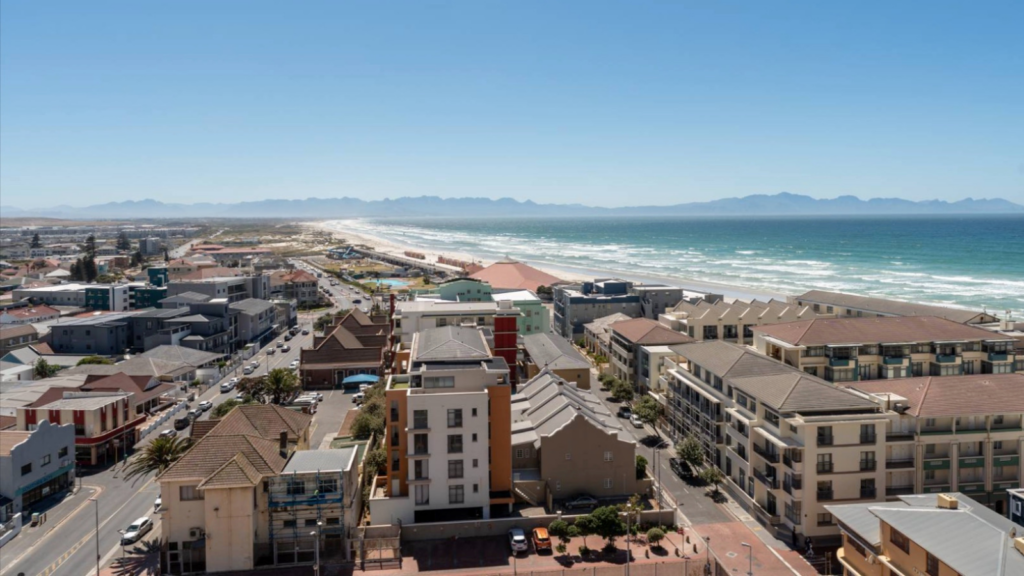
Across South Africa, Stevens said remote and hybrid work trends, fibre expansion, and mixed‑use development are making decentralised living more viable.
“Suburbs that combine affordability, space for home offices, and reduced reliance on daily commuting are increasingly well-positioned if fuel volatility persists,” he said.
Muizenberg has emerged as one of Cape Town’s more accessible coastal suburbs, particularly for buyers and tenants priced out of the City Bowl and Atlantic Seaboard.
“It combines good fibre coverage, a walkable local centre, and access to the Southern Line rail corridor, which reduces car dependence,” Stevens said.
“Property prices average around R1.2 million for an apartment, R2 million for a townhouse or small home, and from R8,500 a month for a rented apartment and R15,000 for a larger home.”
In Gauteng, he said Ferndale/Bordeaux in Randburg is an affordable, well‑positioned area relative to Sandton and Rosebank, Stevens noted.
“It has a strong suburban commercial base, meaning that residents can live close to everyday amenities without daily long‑distance commuting,” he said.
“Plus, it has a high concentration of fibre‑connected homes, and it’s close to secondary business nodes and therefore suitable for hybrid work models with occasional Sandton access.”
Apartment prices here average between R850,000 and R1.5 million, freestanding homes from R1.6 million to R3 million. Rentals for similar properties range from R7,000 to R11,500 and from R13,000 to R20,000, respectively.
Alternatively, Stevens recommended Edleen and Van Riebeeck Park, parts of Kempton Park that are often overlooked.
These areas offer significantly better affordability than northern Johannesburg while still benefiting from strong fibre rollout across Ekurhuleni and greater Gauteng.
Perfect for remote‑first households where proximity to the CBD isn’t essential, property prices are also very competitive.
An apartment will cost between R650,000 and R1.2 million, while a freestanding house will cost between R1.3 million and R2.4 million. The same properties will rent for R6,000 to R9,500, and R10,000 to R16,000, respectively.
Queensburgh and Bluff in KwaZulu-Natal are worth considering for anyone wanting a coastal or near‑coastal lifestyle at a fraction of the cost of Umhlanga or Ballito, suggests Stevens.
“For one, Durban’s overall cost of living is lower than Cape Town and Johannesburg; for another, its fibre coverage is expanding quickly, which will support long‑term home‑based work,” he said.
According to Stevens, apartments sell on average for R750,000 to R1.4 million, freestanding homes for around R1.6 million to R2.8 million, and rentals for the same range, from R6,500 to R10,000, and from R11,000 to R18,000.
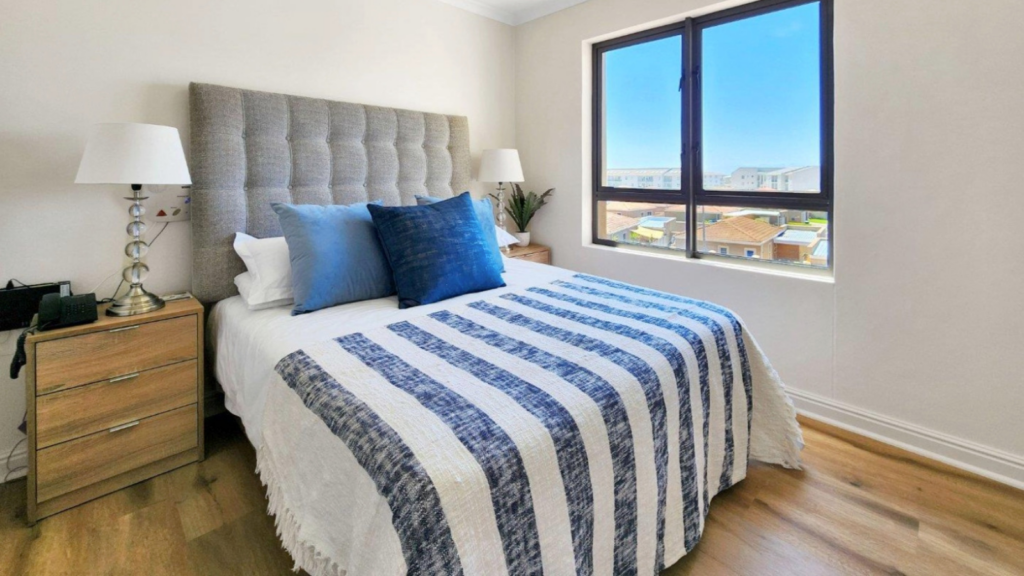
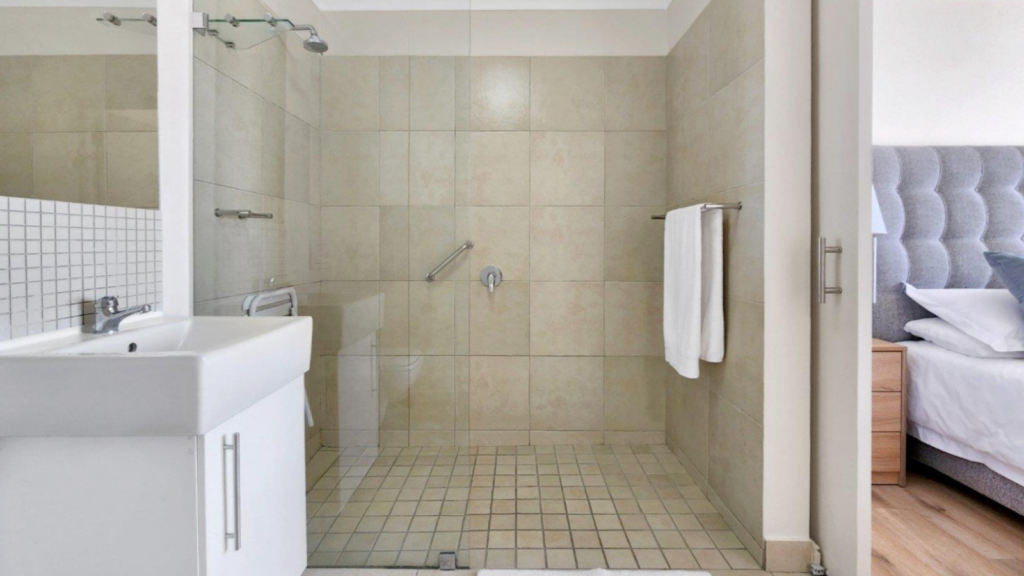
R1.5 million one-bedroom apartment in Muizenberg, Cape Town
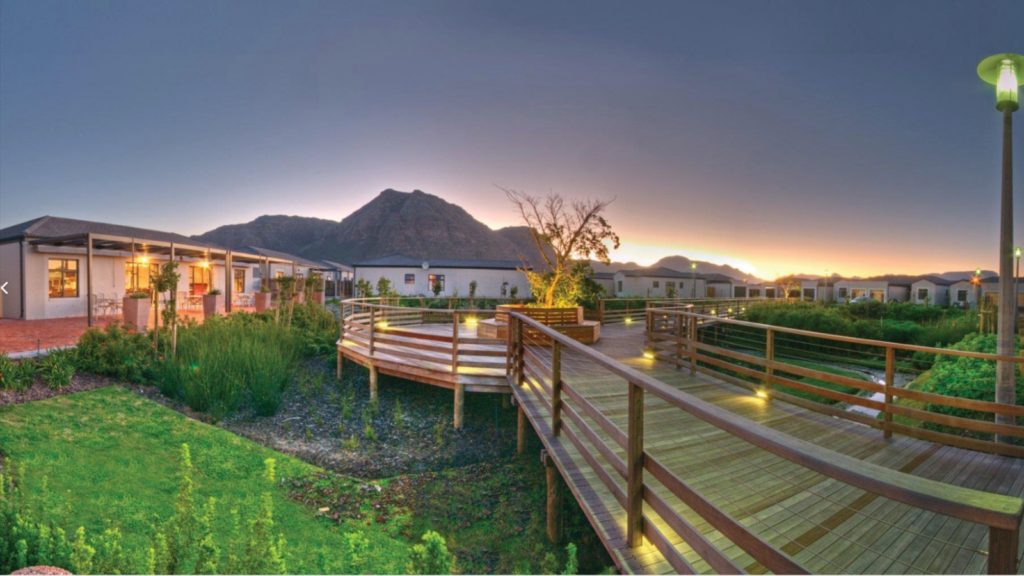
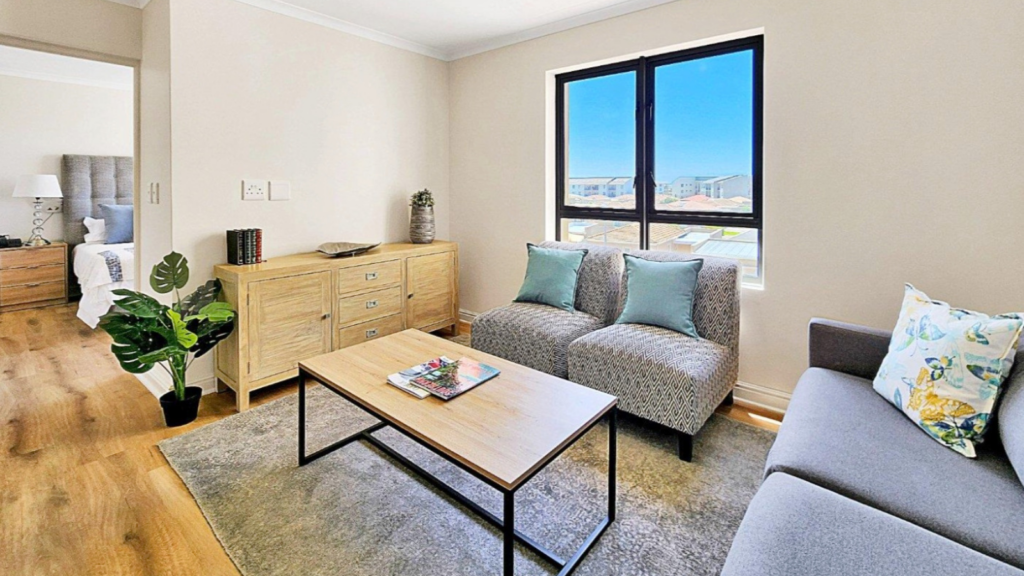
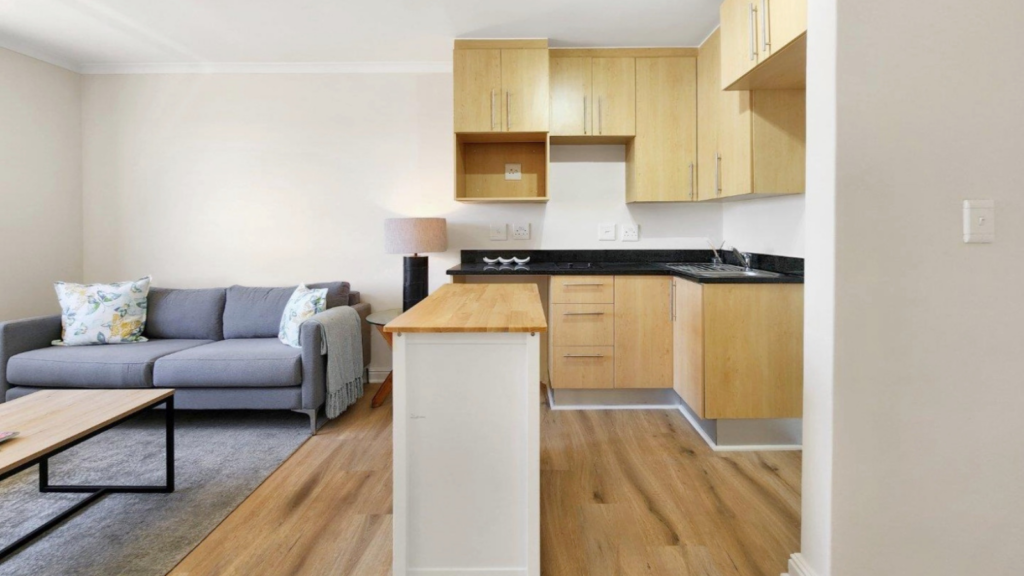
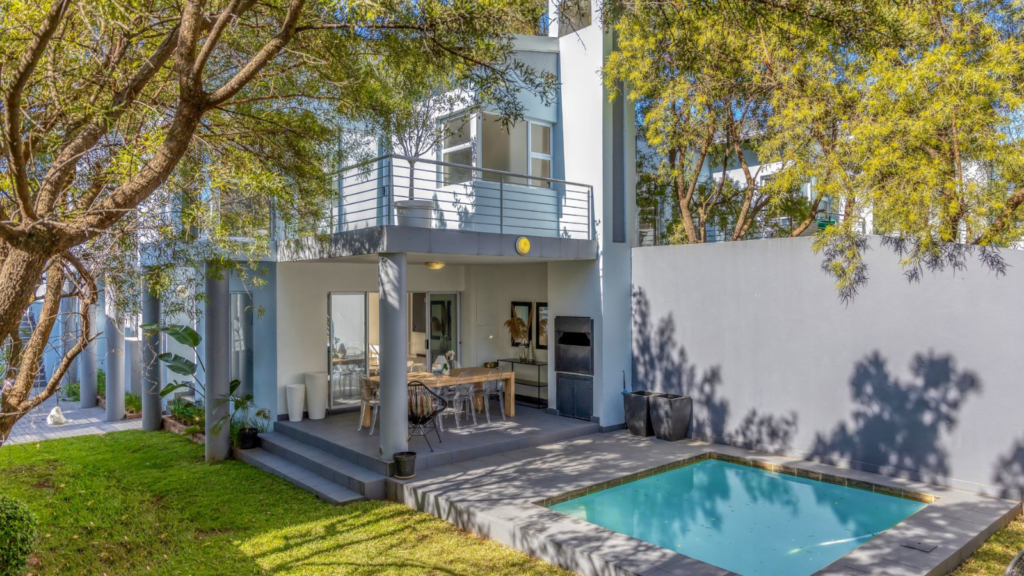
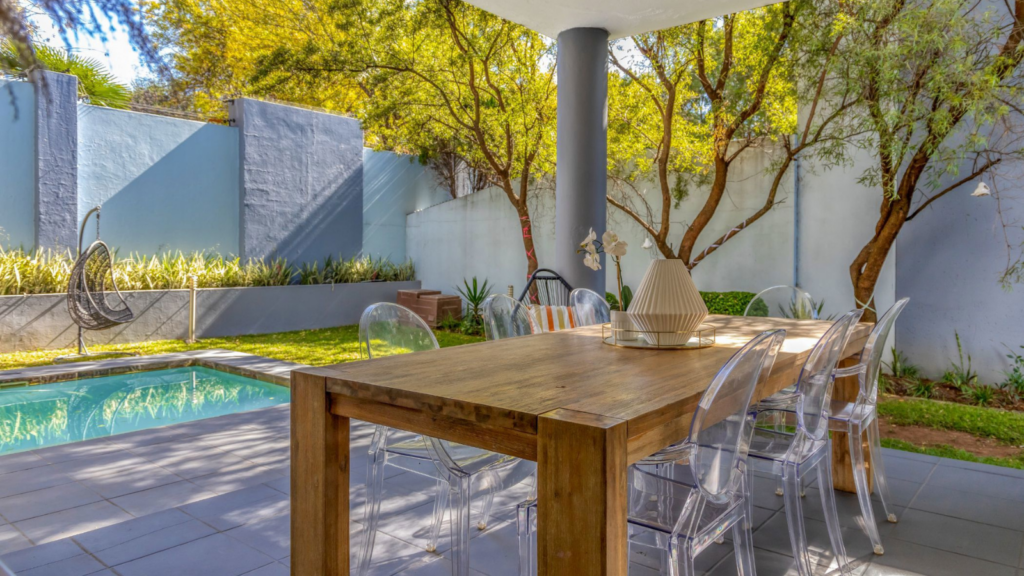
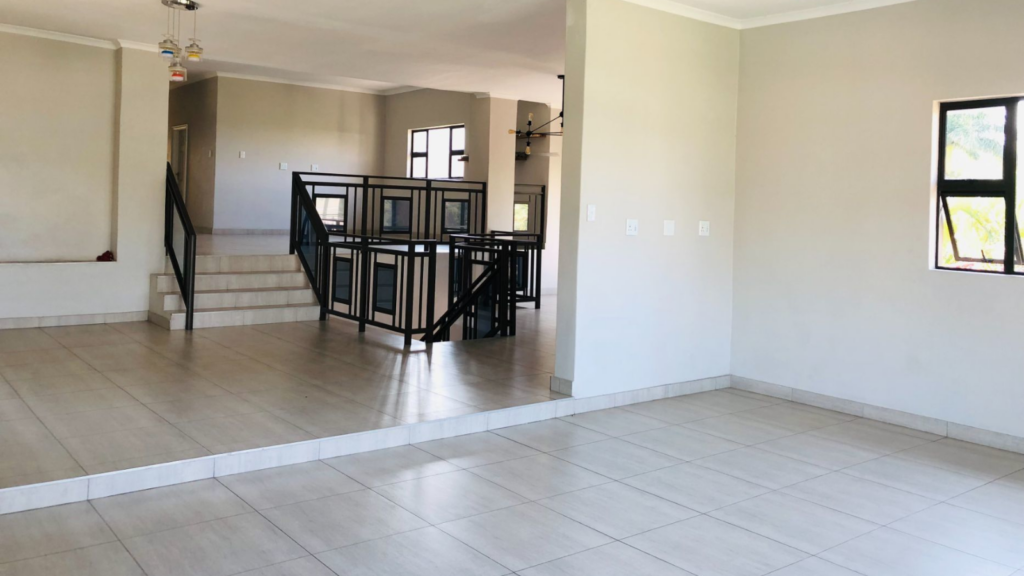
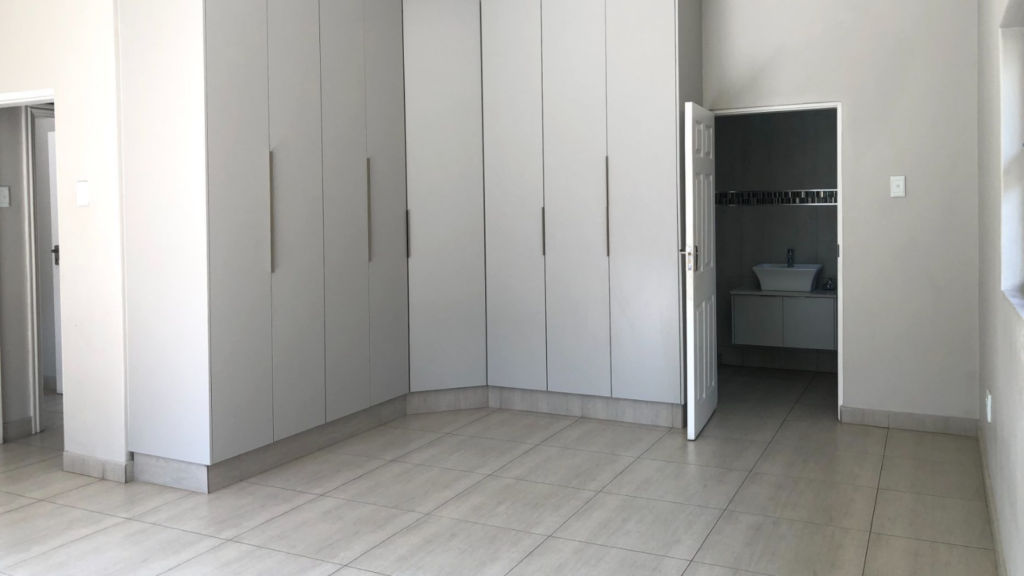
R2.6 million four-bedroom house in Ferndale, Randburg
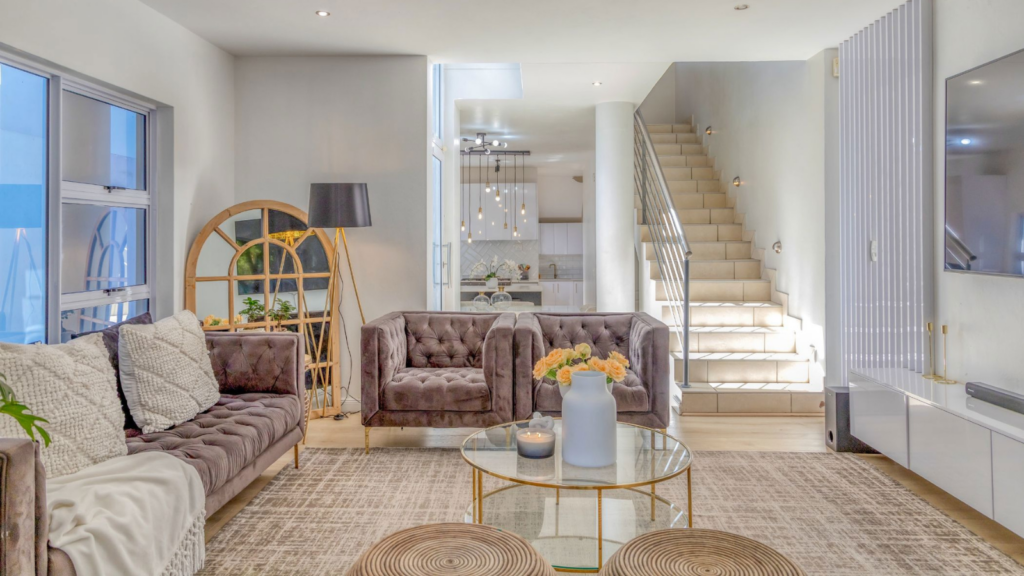
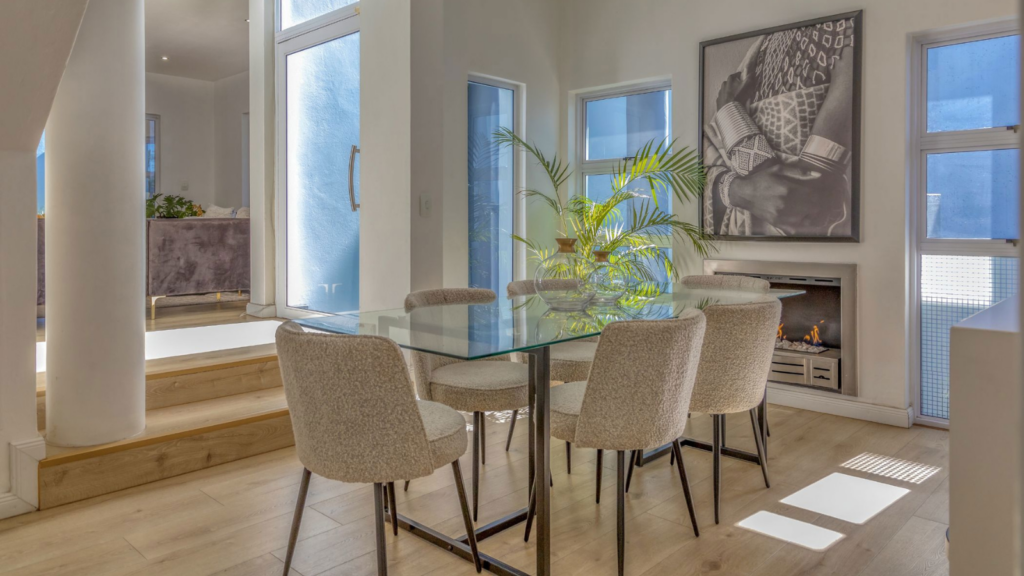
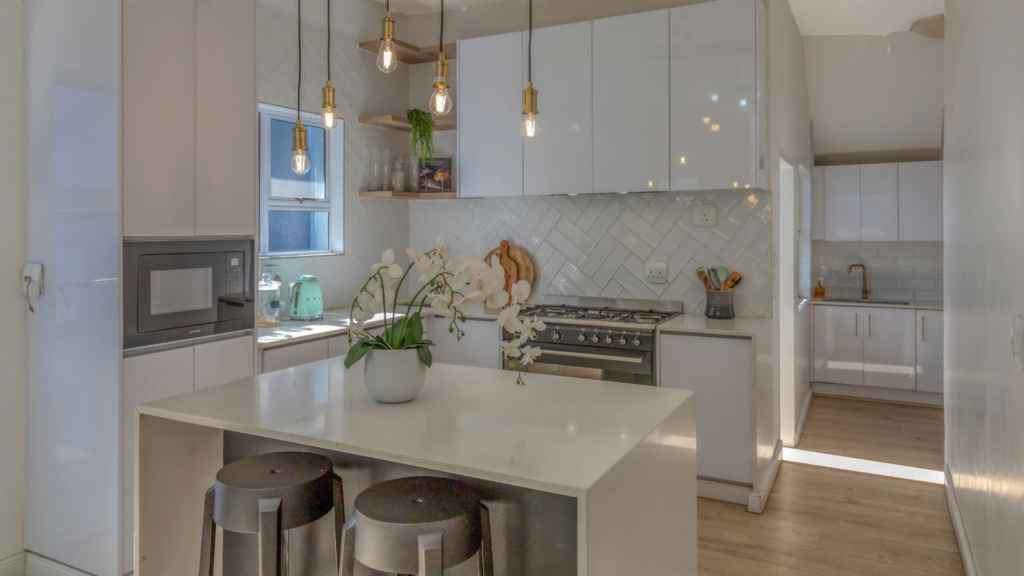
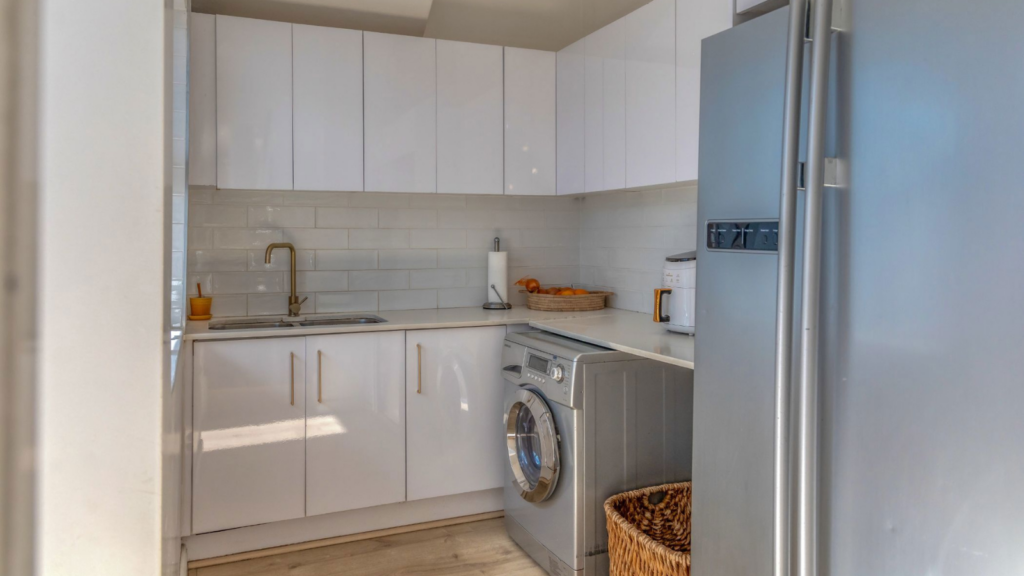
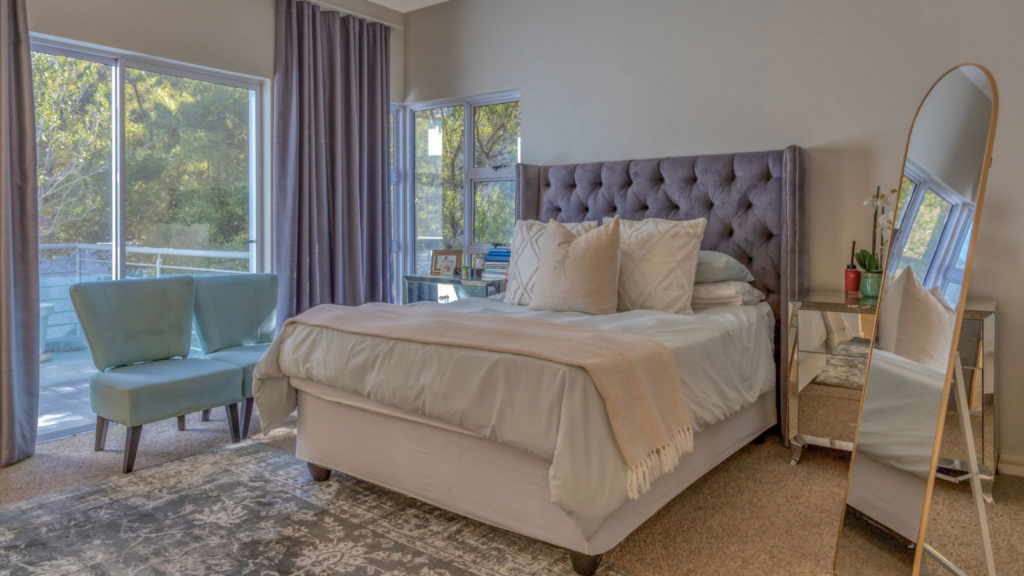
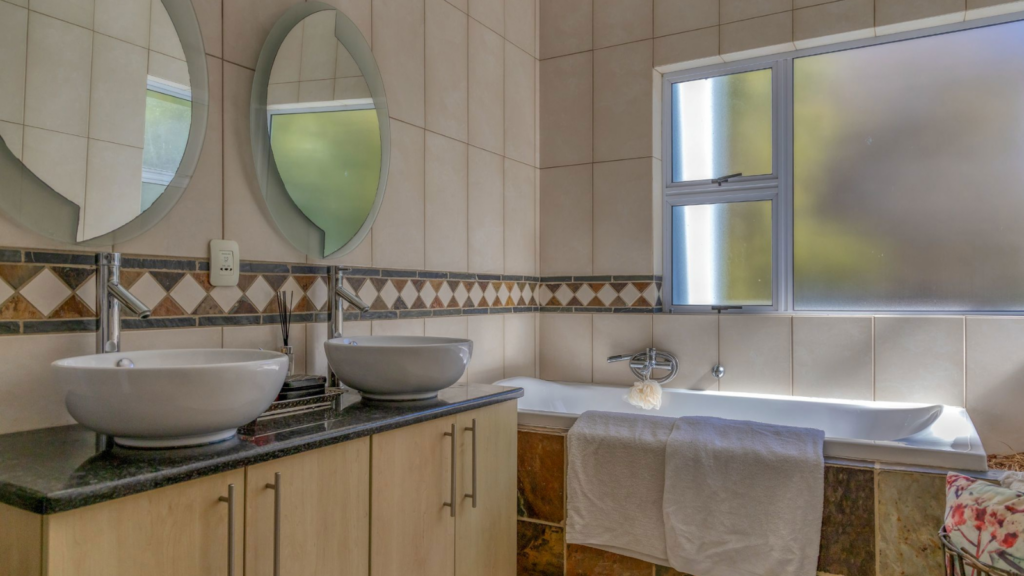
R2.1 million three-bedroom house in Edleen, Kempton Park
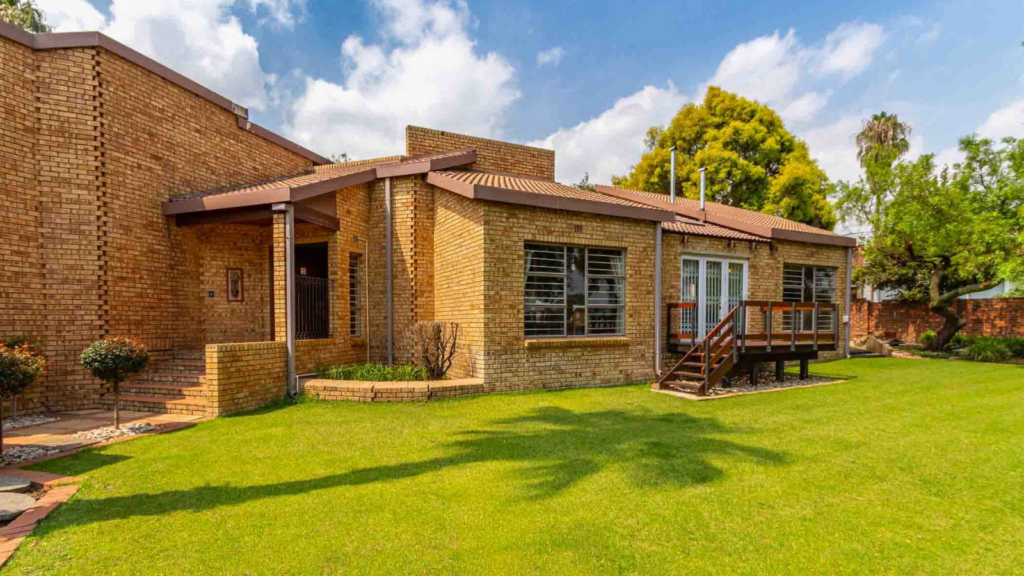
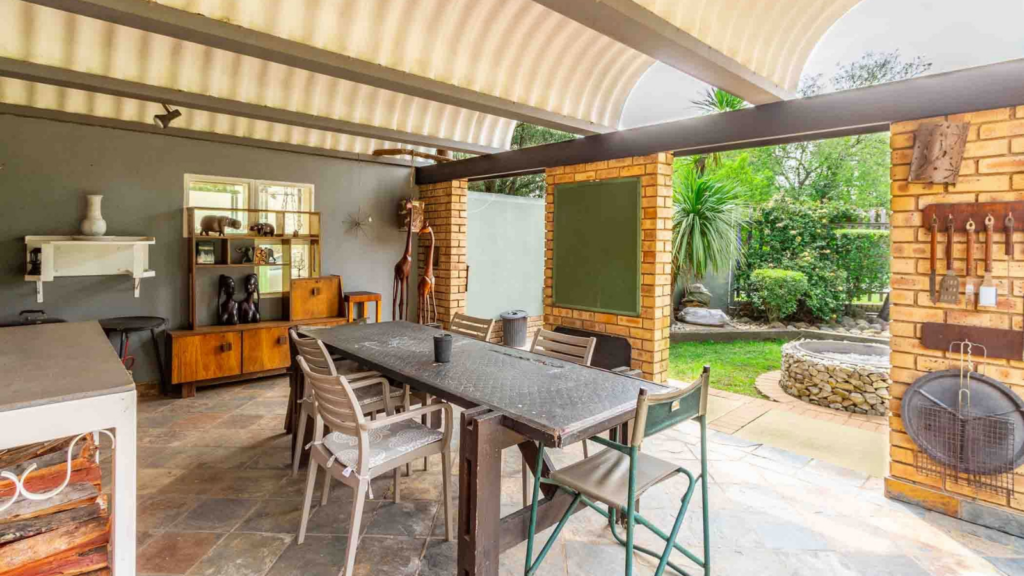
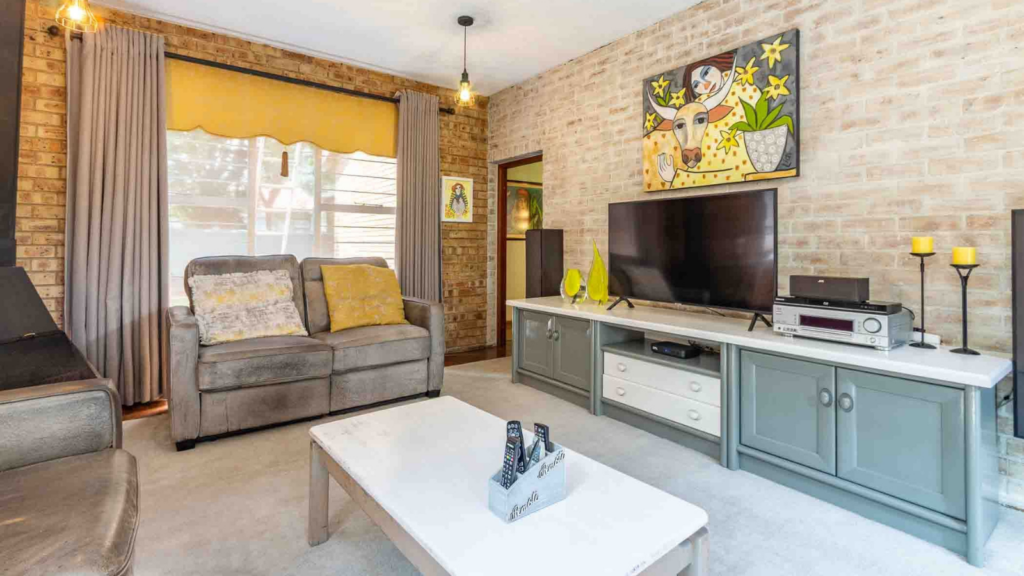
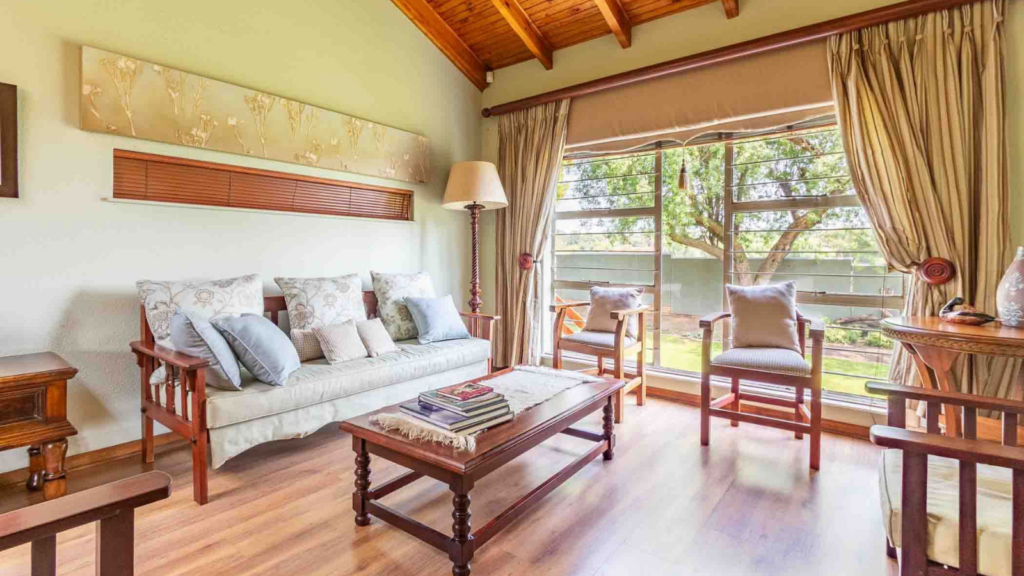
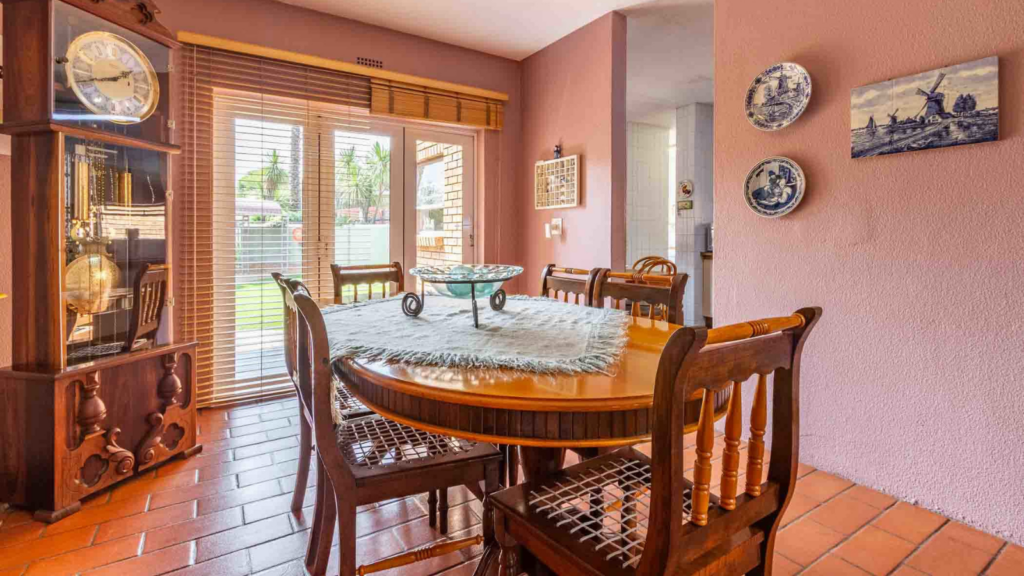
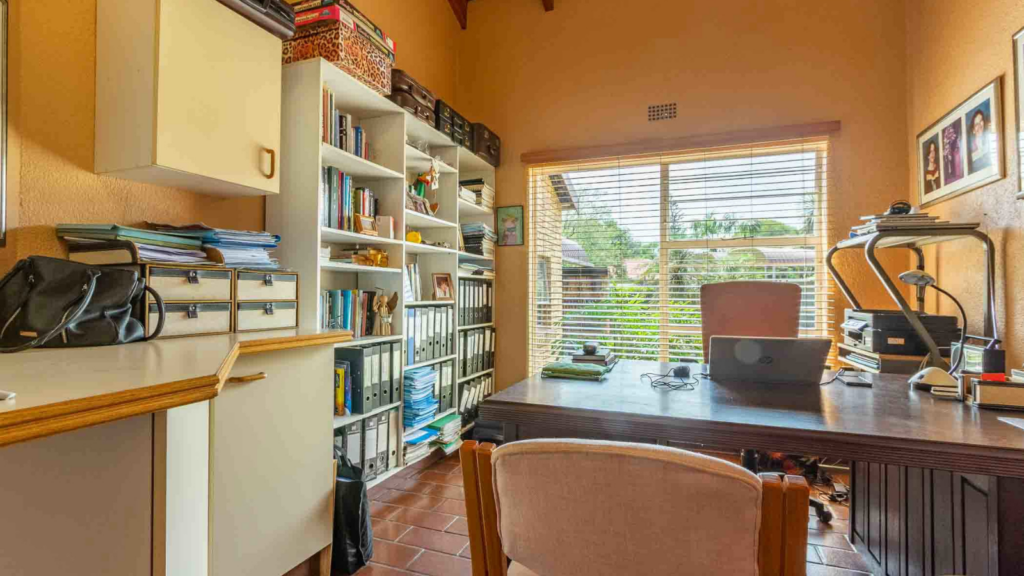
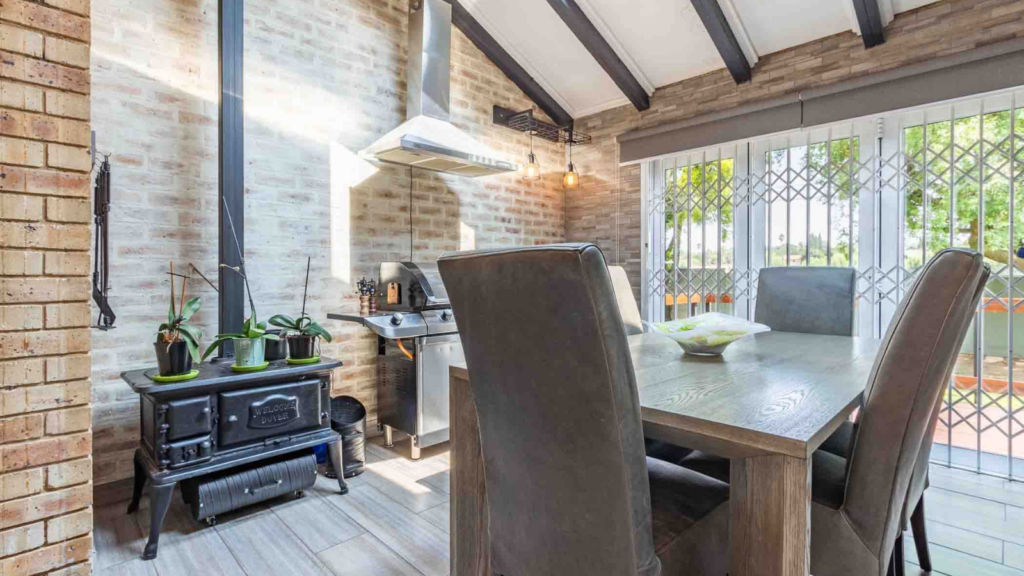
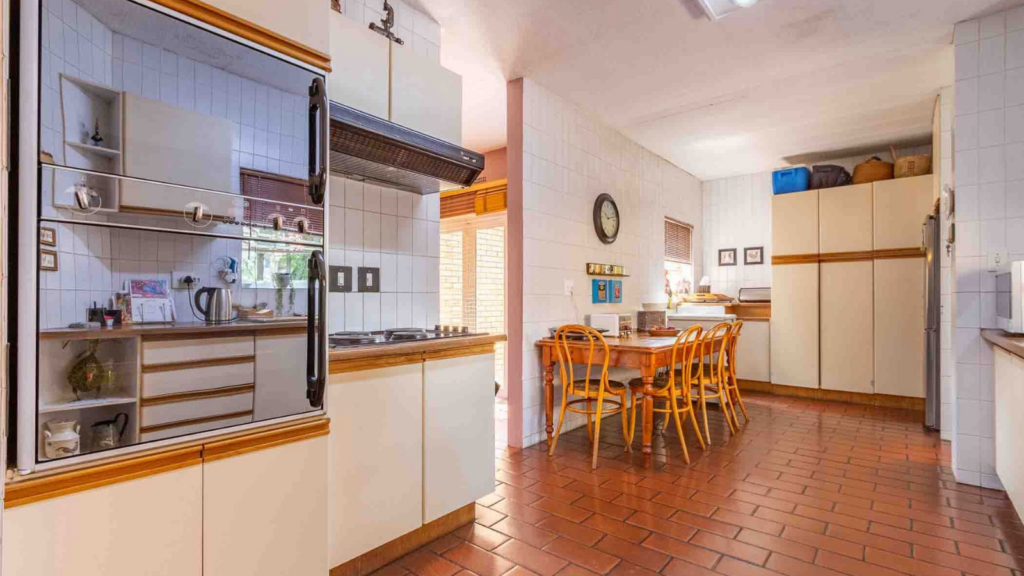
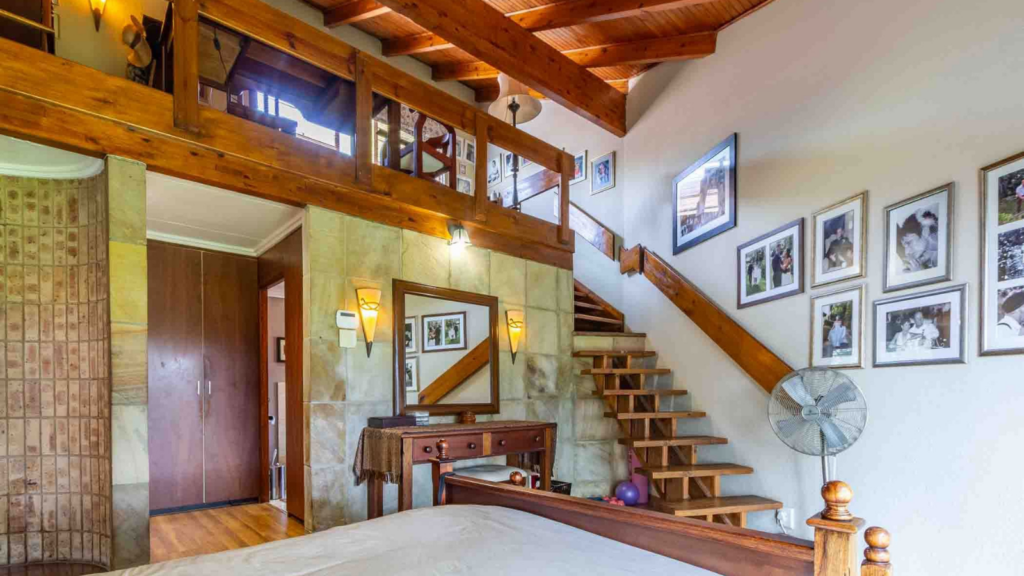
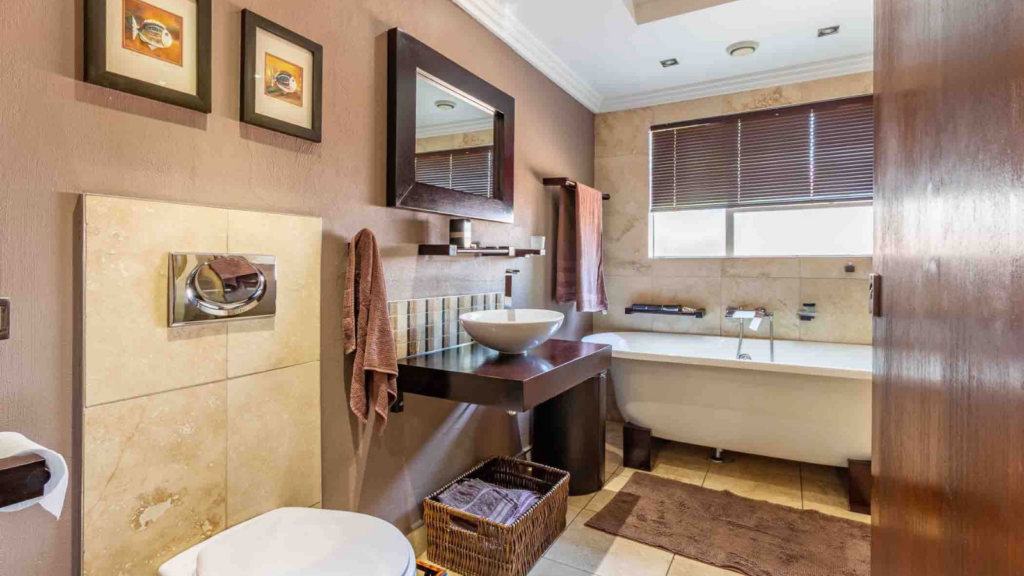
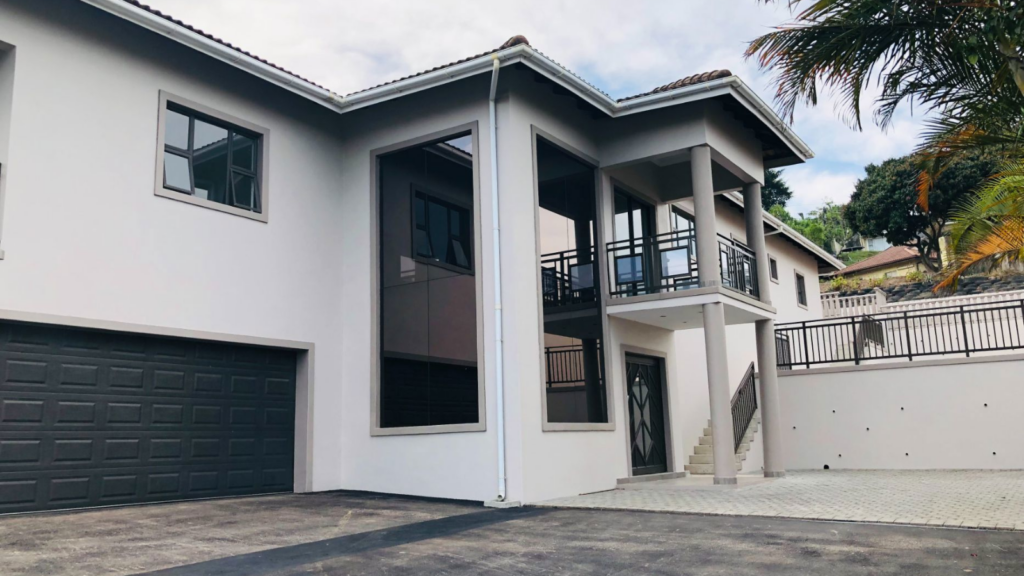
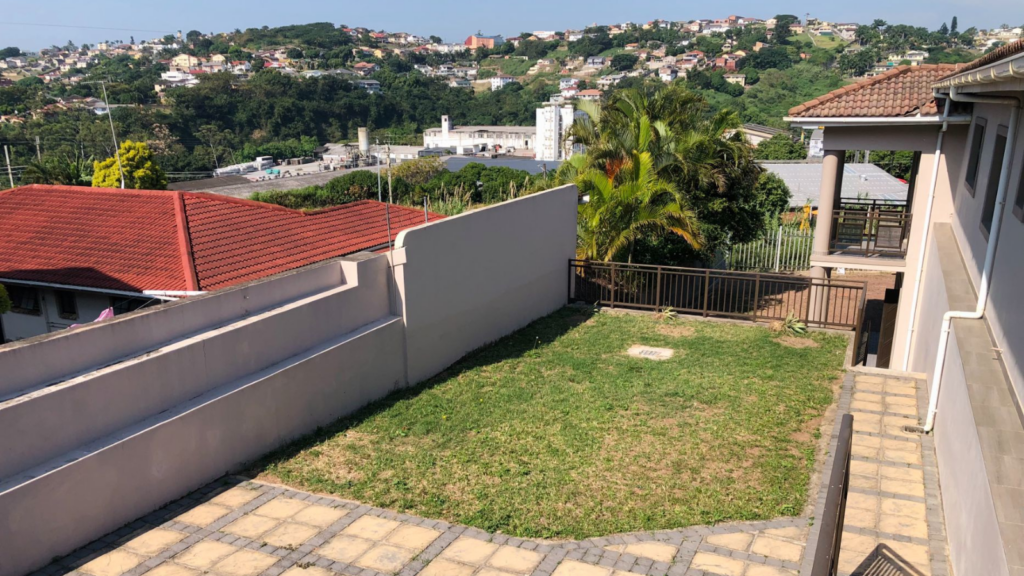
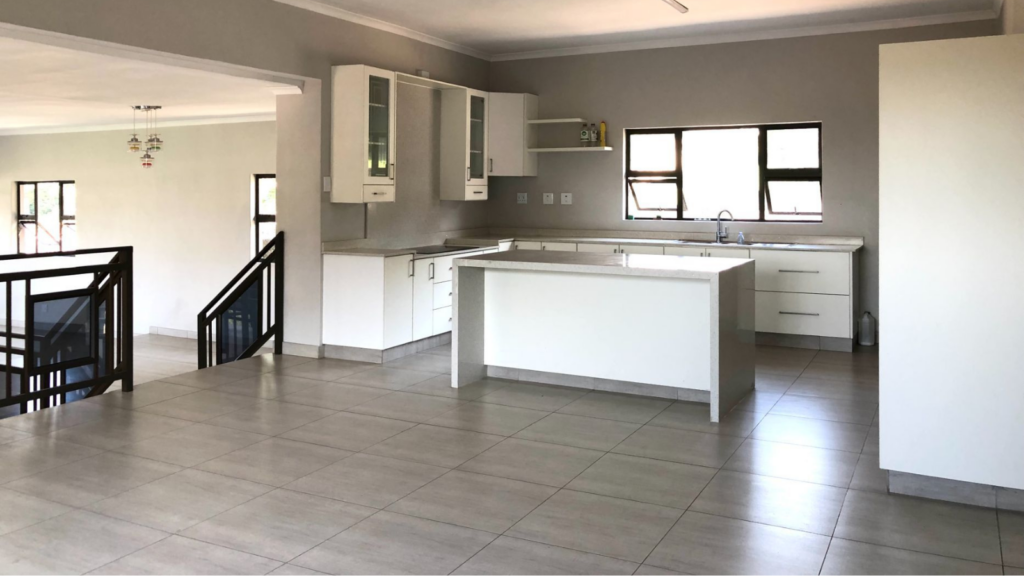
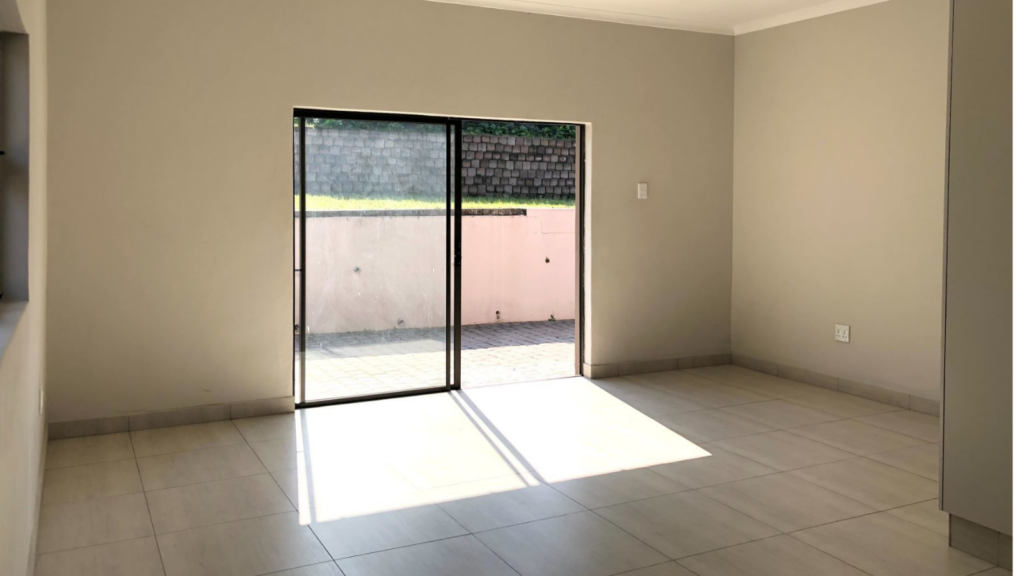
R2.65 million three-bedroom house in Malvern, Queensburgh


Comments