Anglo American created a factory in South Africa that now produces 200,000 vehicles a year without owning a car company


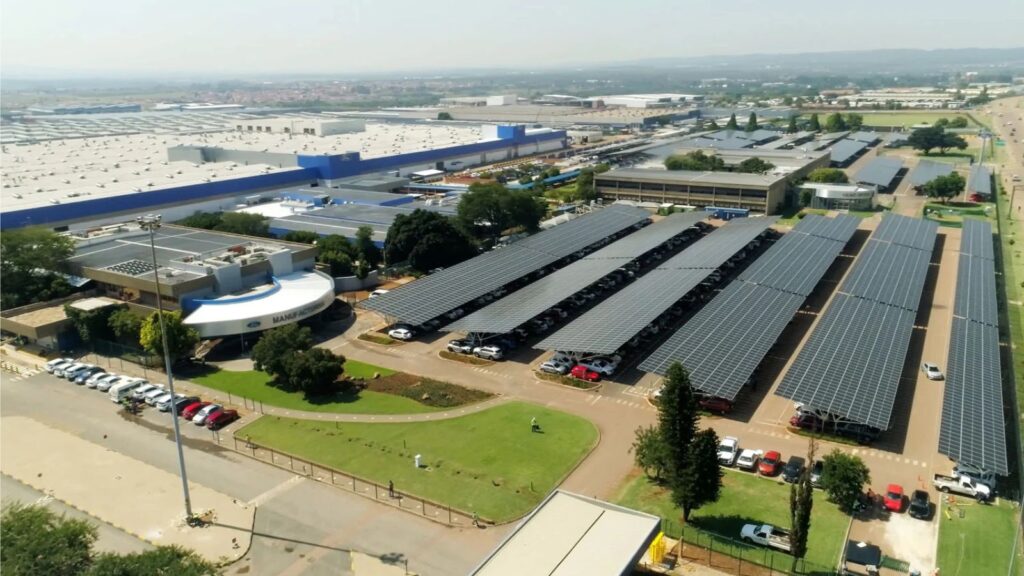
A complex transaction in the 1980s resulted in Anglo American taking ownership of Ford South Africa’s operations and preserving the iconic brand’s presence in the local market.
One of the most famous examples of corporate flight from South Africa was the deal that was brought about by intense political pressure from the US government.
In 1986, the US Congress signed the Comprehensive Anti-Apartheid Act into law, banning new American investments in and loans to South Africa.
Facing a hefty tax penalty if they continued operating in South Africa, American companies were looking for an exit.
This resulted in over 100 American companies leaving the local market between 1986 and 1988, with famous examples including General Motors, Pepsi, and IBM.
Many of these companies sold their local operations to large South African corporates, creating gigantic businesses that straddled the entire economy.
The largest of these at the time was Anglo American, which ended up controlling more than 50% of the companies listed on the JSE.
Anglo owned hotels, such as the famous Carlton Hotel, commercial offices, and had stakes in some of South Africa’s largest retailers.
Its mining fortune put it in the perfect position to snap up the assets of foreign companies leaving South Africa in the 1980s.
As these American companies were forced sellers, South African corporates could buy their assets extremely cheaply.
General Motors even paid South African businessmen to take over its factory, with the American giant also paying off all its local debt to dispose of its assets.
Some companies were unwilling to completely give up their presence in what had become a lucrative market and were already looking ahead to a democratic South Africa.
Coca-Cola, for example, found a loophole by moving its syrup manufacturing plant to Eswatini. South African bottlers could travel across the border and buy the syrup.
This benefited Coca-Cola immensely as its chief competitor, Pepsi, abandoned the market entirely. It has never made up the lost ground.
Ford is leaving, but the brand is staying

Ford established its South African operations in 1923 and had built up a significant manufacturing presence in the country by the 1980s.
Based in Port Elizabeth (now Gqeberha), Ford assembled around 10 Model Ts per day at its factory in the 1920s, employing nearly 100 staff members.
The Blue Oval’s manufacturing prowess expanded greatly in the following decades and was turbocharged during the Second World War, when it produced 60,000 vehicles for the Allied forces.
Expanding further in the 1960s, Ford became the first company to manufacture engines locally in 1964. Two decades later, it was not about to give up its dominant position in South Africa.
To ensure its brand remained in the South African market, Ford came up with a complicated, multi-stage exit to comply with US law.
The deal hinged on finding a viable company to merge Ford’s local operations with. It was not going to give away its assets like General Motors had done.
There were very few companies in South Africa at the time that could provide the financial might necessary to complete such a merger.
One such company was Anglo American, the world’s premier mining house at the time. Anglo had a history of finding ways to comply with political pressure while getting what it wanted.
More importantly, its offshore investments had been limited by Apartheid-era laws, leaving it with cash to burn.
In 1984, Anglo snapped up Sigma Motor Corporation after a period of financial difficulty for car manufacturers and distributors.
Anglo had no plans to save Sigma. It quickly renamed it Amcar, and less than a year later, it merged with Ford South Africa to create the South African Motor Corporation, or Samcor.
The mining giant took a 60% stake while Ford retained 40% of the company. To meet divestment criteria at the time, Ford shut down its plants in Port Elizabeth.
Anglo invested heavily in Sigma’s old operations in Silverton, Pretoria, and consolidated all manufacturing at the plant in the capital city.
Through a complex web of technical, licensing, and franchising agreements with Samcor, Ford vehicles continued to be manufactured in South Africa.
Iconic cars, such as the Laser, Meteor, and Sierra, were manufactured in Silverton for the local market, all without Ford owning any local assets.
In 1988, Ford fully divested, transferring the bulk of its shares to the Samcor Employees’ Trust, with Anglo taking administrative control of operations in South Africa.
This would prove instrumental and fortuitous for Ford, with Anglo’s investment in the Silverton plant making it the home of the Blue Oval in South Africa to this day.
Anglo effectively used its financial and business might to monopolise domestic manufacturing and sold back 45% to Ford in 1994.
Ford then bought out Anglo’s remaining stake as the miner pumped money into its overseas operations and took control of Samcor, renaming it the Ford Motor Company of Southern Africa.
It began investing heavily in expanding and upgrading the Silverton plant for modern vehicles, with the company never returning to its Port Elizabeth roots.
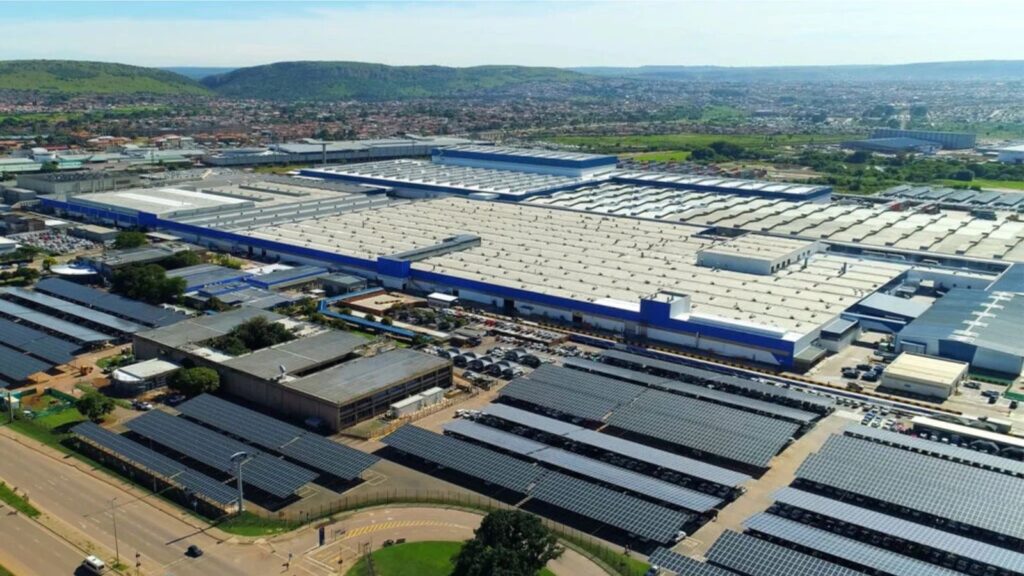
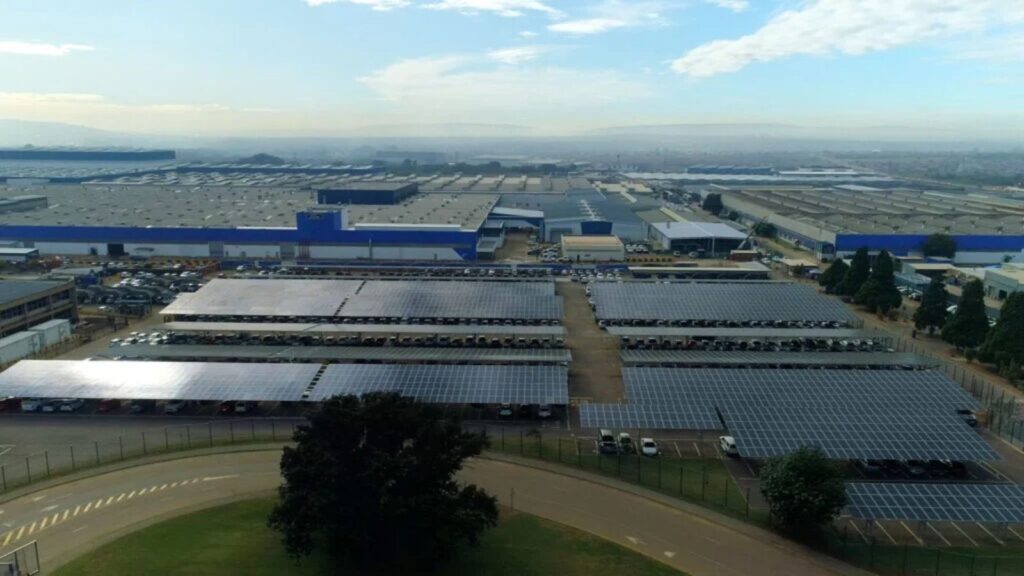
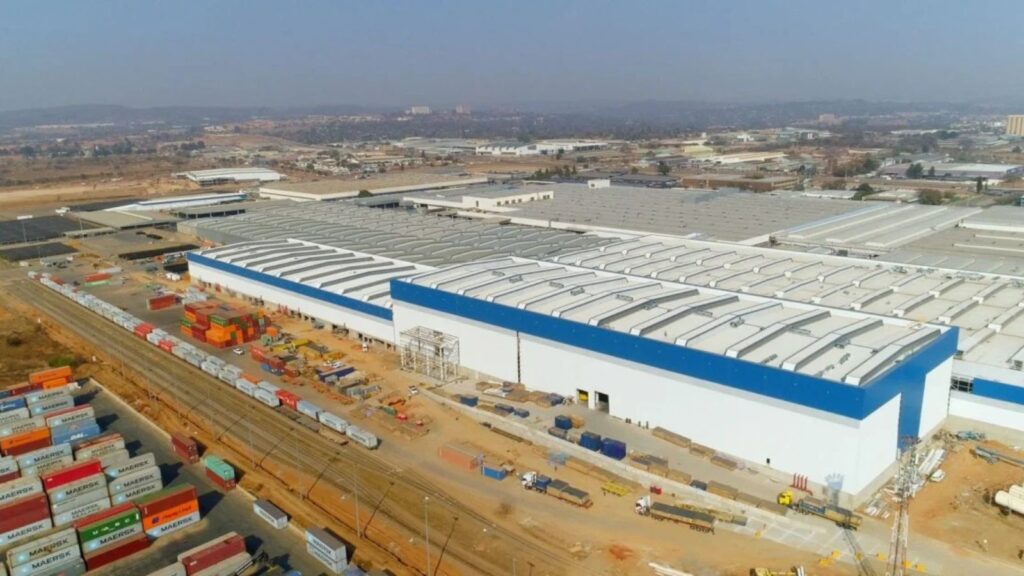
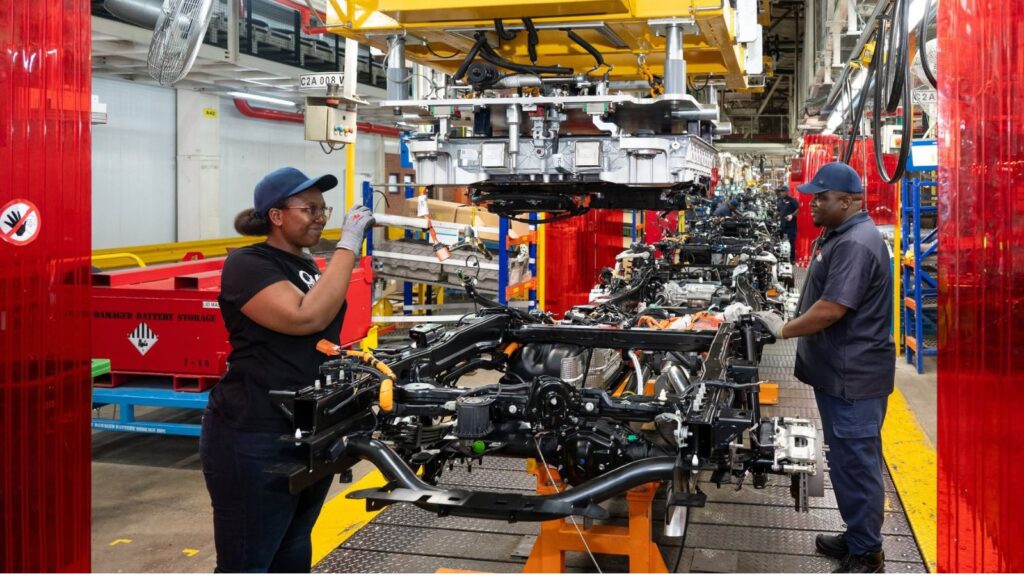
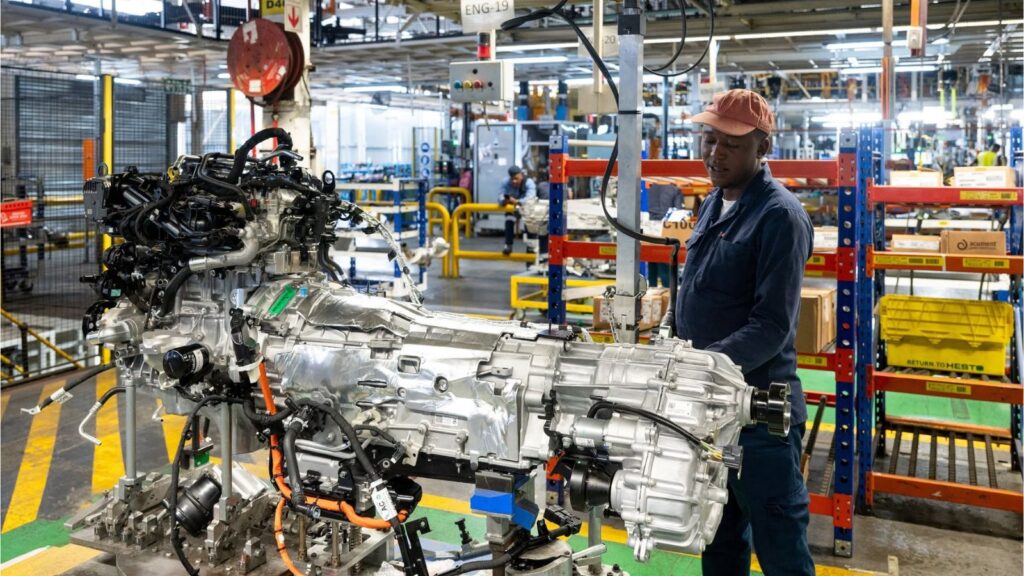
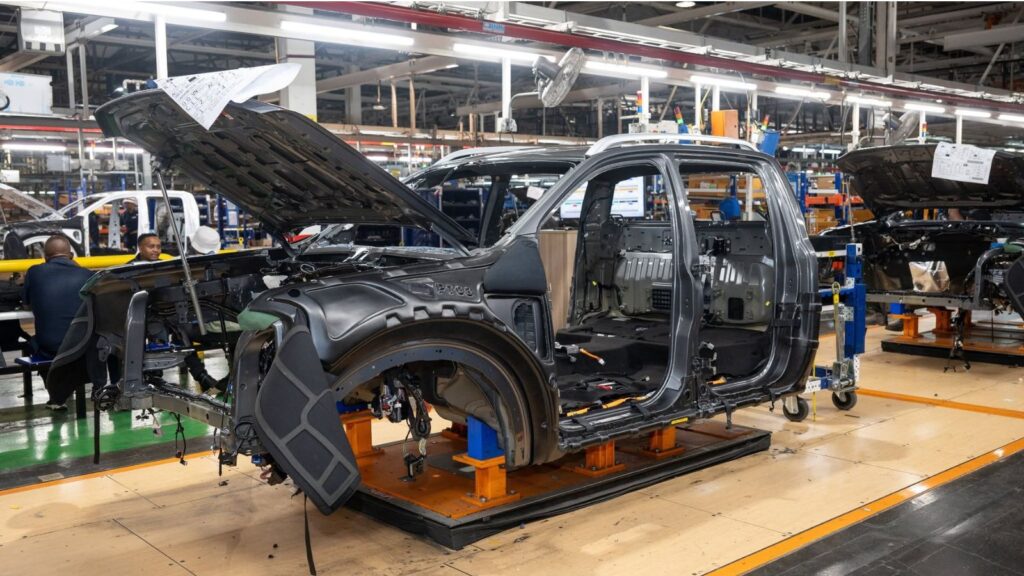
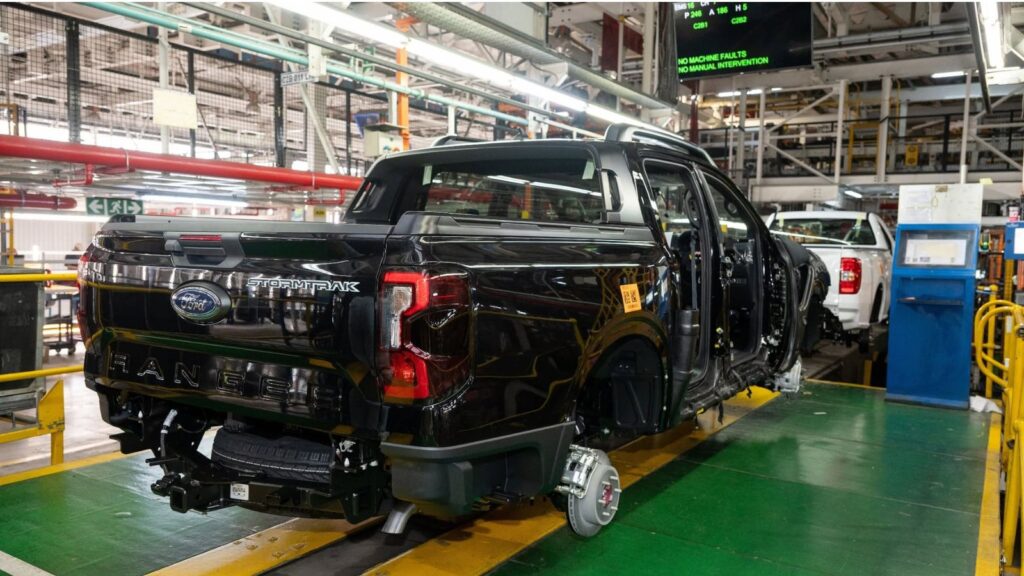
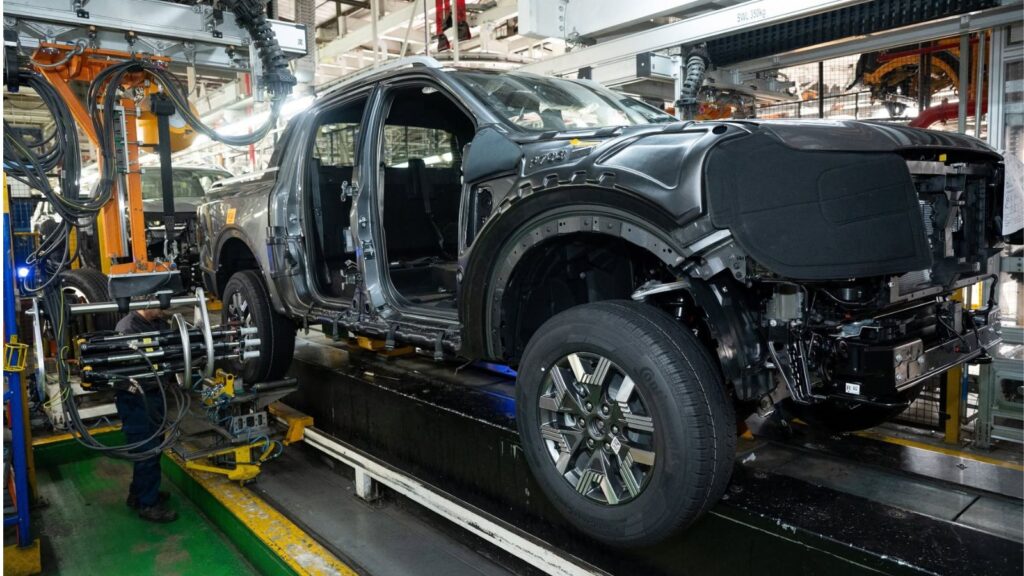
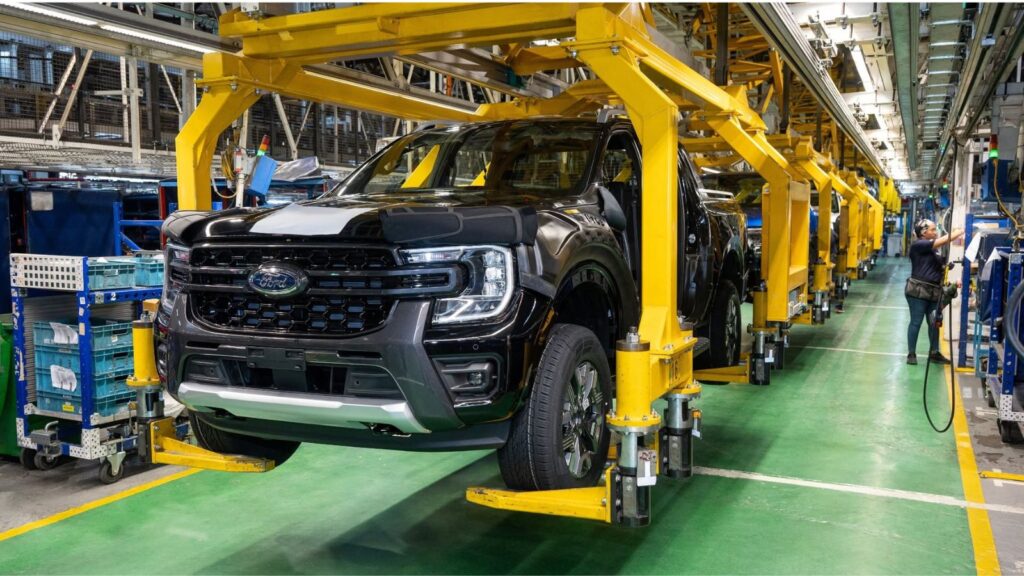
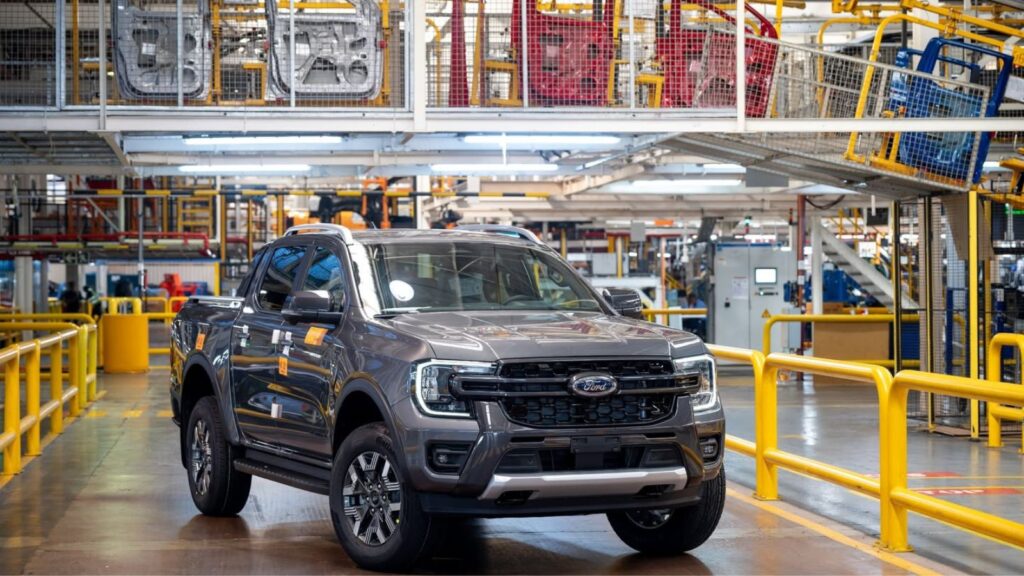
Today, Ford manufactures over 200,000 vehicles a year at its Silverton plant for the local market and for export around the world.
Images of the Ford Silverton plant today



Comments